At IndiaVerve, we go beyond the noise to bring you meaningful stories of change, resilience and progress—from India to the world stage. Our mission is to bring readers credible, wide-ranging coverage across politics, business, sports, culture, society and more.

Could colorblindness hide a cancer warning? Scientists raise alarm

Washington: A common vision condition that affects millions of people worldwide may be quietly hiding an early warning sign of bladder cancer, potentially delaying diagnosis and increasing long-term health risks, according to a new research.

Scientists from Stanford Medicine have found that people with color vision deficiency — commonly known as colorblindness — may be less likely to notice blood in their urine, one of the earliest and most important signs of bladder cancer. The study suggests that this overlooked factor could significantly affect survival outcomes.

The research, published in Nature Health, found that bladder cancer patients who were also colorblind had a 52 percent higher risk of death over a 20-year period compared to patients with normal color vision.

Blood in urine is often the first visible symptom of Bladder Cancer. For many patients, spotting this change prompts a medical consultation that leads to early detection and treatment. But for individuals with color vision deficiency, distinguishing red shades can be difficult, meaning the warning sign may go unnoticed.

“I’m hopeful that this study raises awareness, not only for patients with colorblindness but also for clinicians who treat them,” said Ehsan Rahimy, senior author of the study and adjunct clinical associate professor of ophthalmology at Stanford. The study’s lead author was Mustafa Fattah.

Colorblindness is far more common than many people realize. Experts estimate that roughly one in twelve men and about one in two hundred women have some form of color vision deficiency. The most common types make it difficult to distinguish between red and green tones — a limitation that can affect everyday activities ranging from interpreting traffic lights to identifying whether food is fully cooked.

The research team suspected that the same limitation could interfere with the ability to detect blood in bodily fluids, an important early sign not only of bladder cancer but also other illnesses.

To explore the connection, the researchers examined millions of electronic health records using the TriNetX research platform, a global medical database containing information from hundreds of millions of patients.

From roughly 100 million US medical records, the team identified a small group of patients who had both bladder cancer and colorblindness. They then compared these patients with a similar group of bladder cancer patients who had normal vision.

The findings were striking: over two decades, mortality rates were significantly higher among the colorblind group.

“This was something we suspected based on earlier studies,” Rahimy said, explaining that patients who cannot easily recognise blood in urine may delay seeking medical attention. When bladder cancer is diagnosed later, it is often more advanced and harder to treat.

Interestingly, the researchers did not observe the same survival difference among patients with Colorectal Cancer. Scientists believe that may be because colorectal cancer usually presents with several symptoms, such as abdominal pain or changes in bowel habits, rather than relying primarily on visible blood as an early signal.

Bladder cancer, however, presents differently. In up to 90 percent of cases, the first noticeable sign is painless blood in urine, making visual detection particularly important.

The researchers also warn that the real impact could be even greater than the study suggests. Many people with color vision deficiency never receive a formal diagnosis, meaning they may not appear as colorblind in medical records.

The findings have sparked conversations among doctors about whether patients should be routinely asked about color vision deficiency during medical screening.

For individuals who are colorblind, the researchers say simple precautions may help. Routine urine tests during health checkups, or asking a partner or family member to help monitor changes, could assist in identifying potential problems earlier.

“If this study raises awareness and encourages people to think about this possibility, then it has done its job,” Rahimy said.

Iran war intensifies as regional tensions spread across West Asia

New Delhi: The United States-Israel war on Iran entered its second week with intensified bombardments across Iranian cities, rising casualties and growing regional spillover, as several countries in the Middle East reported intercepting missiles and drones linked to the conflict.

Heavy air strikes continued overnight in Tehran and other Iranian cities as the conflict reached its 11th day. Iranian media reported that a US-Israeli air strike on a residential building in Arak in western Iran killed five people and injured several others. Separate strikes on residential areas in eastern Tehran earlier in the war reportedly killed dozens, while attacks on oil facilities had blanketed parts of the capital in thick smoke.

Iran has said that more than 1,255 people have so far been killed and around 10,000 injured since the conflict began following joint US-Israeli strikes on February 28. Iranian officials have vowed to continue resisting the attacks. Foreign Minister Abbas Araghchi said Tehran would continue fighting “as long as necessary” and added in a separate interview with PBS that negotiations with the United States were no longer on the agenda following what he described as a “bitter experience”.

Despite the ongoing bombardment, large crowds gathered in Tehran to show support for the country’s new Supreme Leader Mojtaba Khamenei, who succeeded his father Ayatollah Ali Khamenei after he was killed in earlier strikes during the conflict, Al Jazeera reported.

The fighting has increasingly spread beyond Iran and Israel, with several Gulf countries reporting incoming Iranian missiles and drones. Saudi Arabia, the United Arab Emirates, Kuwait and Bahrain said their air defence systems had intercepted aerial threats in recent days.

In Bahrain’s capital Manama, a residential building was hit, killing a 29-year-old woman and injuring eight others, according to the country’s interior ministry. Saudi authorities said a drone was intercepted east of al-Kharj governorate while another fell on a residential area in Az Zulfi city, causing limited damage but no injuries. Kuwait also reported intercepting six drones.

According to Iran’s Tasnim news agency, the Islamic Revolution Guards Corps (IRGC) claimed to have destroyed the Israeli regime’s Ha’ela satellite communication center, located south of Tel Aviv. Iran also said it had launched attacks targeting Israeli infrastructure, including a drone strike on an oil and gas refinery and fuel storage facilities in the northern Israeli city of Haifa. Israeli authorities, meanwhile, said missile launches from Iran had been detected and that air defence systems were working to intercept them. Emergency workers in Israel said one man died from shrapnel wounds near Tel Aviv’s international airport, raising the death toll from Iranian attacks to 11.

The conflict has also heightened tensions across neighbouring regions. Israeli operations along the Lebanon border have continued amid exchanges of fire with Hezbollah, while the reported death toll from Israeli attacks in Lebanon has crossed 486 with hundreds of thousands displaced.

In Iraq, Prime Minister Mohammed Shia al-Sudani told US Secretary of State Marco Rubio that Iraqi territory and airspace would not be used for military operations targeting neighbouring countries. Meanwhile, Iran’s Revolutionary Guards said they had struck a US military installation at the Harir Air Base in Iraq’s Kurdistan region.

The war has also raised security concerns in Turkiye after NATO air defence systems reportedly intercepted a ballistic missile in Turkish airspace during the hostilities. Turkish Foreign Minister Hakan Fidan later warned Iran against any violations of Turkish airspace.

US President Donald Trump said Washington’s military campaign had struck thousands of Iranian targets and significantly degraded Tehran’s military capabilities, including missile launchers and drone infrastructure. While saying the conflict could end “pretty quickly”, he also stated that the United States was seeking what he called “ultimate victory”.

The conflict has also rattled global energy markets, with attacks on oil facilities and threats to shipping through the Strait of Hormuz raising concerns over global oil supplies and pushing energy prices higher.

IDFC First Bank settles suspected fraud claims, pays Rs645 crore

New Delhi: IDFC First Bank on Tuesday said it has disbursed Rs 645 crore to settle claims arising from a suspected fraud linked to accounts of entities associated with the Haryana government.

In a regulatory filing with the National Stock Exchange, the private lender said the final payout exceeded its earlier estimated principal amount of Rs 590 crore by Rs 55 crore.

“We would like to share that against the initial estimate of principal of Rs 590 crore, the Bank has received claims and paid the net principal amount of Rs 645 crore. Thus, we would like to share that the incremental principal payout against the claims is Rs 55 crore more than the original estimates,” said IDFC First Bank in a stock exchange filing.

The bank clarified that the revised claims relate to the same incident and that no fresh material claims have been reported.

It also stated that action against employees allegedly involved in the fraudulent activity will continue.

“We would like to confirm that these claims pertain to the same incident and are linked to the same branch and not a new incident. There are no other pending claims. The Bank has made the said payment to the concerned clients, in line with our principled approach on this matter of making good the client payments. The Bank will continue to pursue actions against the perpetrators to recover our dues,” the lender added.

The lender further said its deposit base has remained steady.

“We would also like to share that the Bank’s total deposit balance continues to remain stable and stood at Rs 2,92,381 crore as of February 28, 2026, compared to Rs 2,91,133 crore as of December 31, 2025. We thank our customers for their understanding that this is an isolated incident linked to one branch in Chandigarh. The average LCR for the ongoing quarter until February 28, 2026, is comfortable at 114%. The Bank anticipates growth in deposits and loans going forward, broadly in line with the past trends,” IDFC First Bank added.

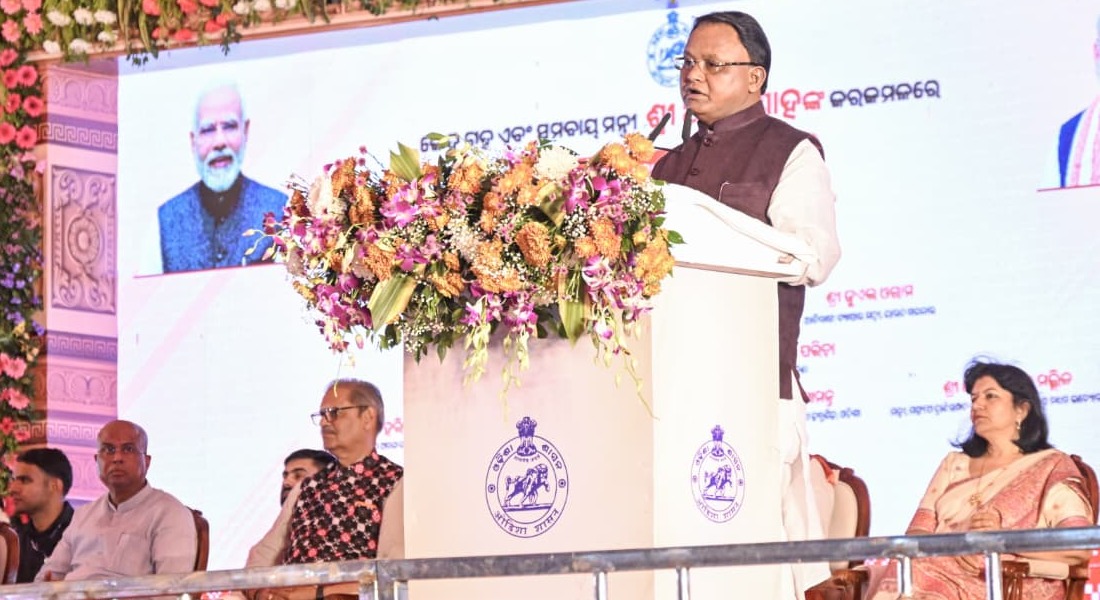
New Amrit Bharat train to boost connectivity in Odisha: CM Majhi

Bhubaneswar: A newly approved Amrit Bharat train service between Podanur (Coimbatore) and Dhanbad will significantly improve rail connectivity in Odisha, Chief Minister Mohan Charan Majhi said on Tuesday.

The train will stop at Rayagada, Muniguda, Kesinga, Titlagarh, Balangir, Bargarh Road, Sambalpur, Jharsuguda, and Rourkela, benefiting seven districts across southern and western Odisha, including the KBK region, the CM said in a post on X.

Majhi expressed gratitude to Prime Minister Narendra Modi and Union Railways Minister Ashwini Vaishnaw for their continued support for Odisha’s development.

He said the new service will provide direct rail links to major cities in Tamil Nadu, such as Coimbatore, Tiruppur, and Salem, as well as key industrial centres in Jharkhand, including Ranchi, Bokaro, and Dhanbad. According to the chief minister, the connectivity will strengthen economic and social linkages between the regions.

Majhi added that the initiative reflects the Central government’s commitment to strengthening railway infrastructure and accelerating development in Odisha while creating new opportunities and convenience for the people.

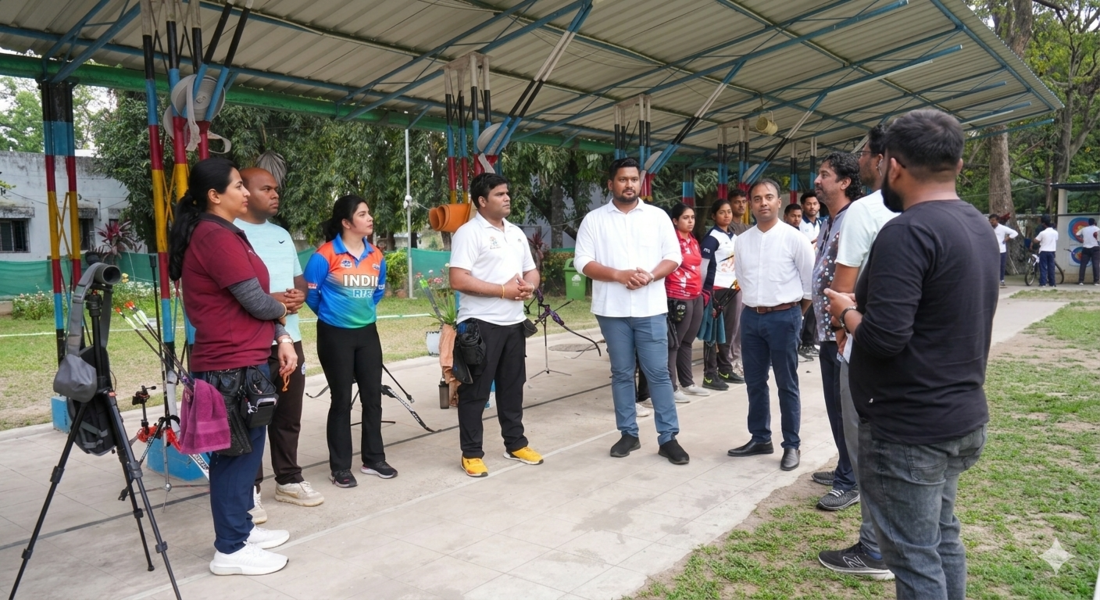
Three-day FIT India Carnival 2026 to be held in Puri

Bhubaneswar: A three-day FIT India Carnival 2026 will be held in Puri from March 15 to March 17, focusing on community fitness and cultural sporting traditions.

The announcement was made by Suryabanshi Suraj, Minister of Sports & Youth Services, and Odia language, literature & culture, on Monday.

The minister paid a visit to the Sports Authority of India Netaji Subhas Eastern Regional Centre in Kolkata and held a meeting to discuss strengthening sports activities in Odisha.

The carnival, organized in collaboration with the Sports Authority of India and the Department of Sports and Youth Services, will feature activities such as Gotipua Zumba, Malkhamb Aerobics, and other inclusive fitness programs, the minister said in a post on X.

The initiative aims to encourage participation from youth, women, senior citizens, and sports enthusiasts, promoting a vibrant and inclusive sports culture in Odisha.

Suraj urged citizens to unite for a FIT Odisha and emphasized the importance of daily physical activity for a healthy life.

PM Modi congratulates Nepal’s RSP leaders on electoral victory

New Delhi: Prime Minister Narendra Modi on Monday held warm telephone conversations with Rabi Lamichhane, Chairman of the Rastriya Swatantra Party (RSP) of Nepal, and Balendra Shah, senior leader of the RSP.

Modi congratulated both leaders on their electoral victories and the RSP’s resounding success in the recent Nepal elections. He extended his best wishes for the formation of the new government.

In a post on X, he reaffirmed India’s commitment to work with Nepal for mutual prosperity, progress, and the well-being of people in both countries.

The PM also expressed confidence in the future of India-Nepal relations, according to an official statement. He said that through joint endeavours, the partnership between the two nations is expected to reach new heights in the coming years.

In the recent elections in Nepal, the RSP emerged as a major winner, with Lamichhane securing a key leadership position as Chairman. Shah also won a significant seat.

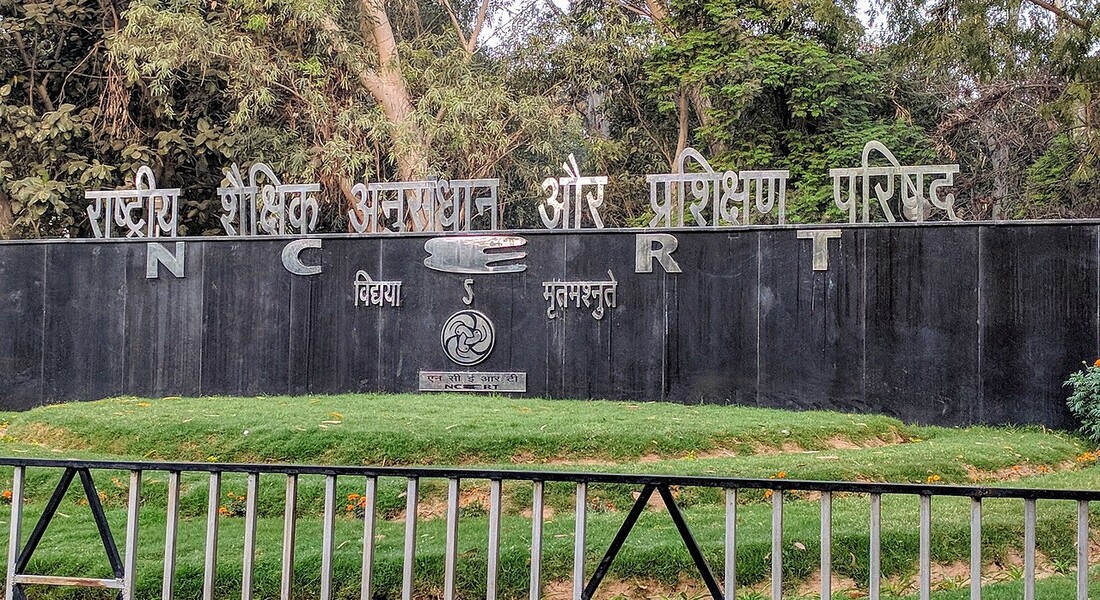
NCERT issues unconditional apology after Supreme Court ban on textbook chapter

New Delhi: The National Council of Educational Research and Training (NCERT) on Tuesday issued an unconditional public apology, two weeks after the Supreme Court imposed a ban on a social science textbook containing a controversial chapter on the judiciary.

The textbook, “Exploring Society: India and Beyond,” Grade 8 (Part II), included Chapter IV titled “The Role of Judiciary in our Society.” The entire book has been withdrawn and is no longer available, the NCERT said in a press release.

The director and members of NCERT expressed regret for the chapter and acknowledged the inconvenience caused. They said the council appreciates the understanding of all stakeholders and remains committed to maintaining the highest standards of accuracy, sensitivity, and responsibility in educational content.

The controversy arose after the chapter included a section on “corruption in the judiciary.” Media coverage of this prompted sharp remarks from Chief Justice of India Surya Kant, who reportedly warned that the integrity of the judiciary must not be defamed and that the law would take its course against any wrongdoing.

NCERT officials confirmed that the distribution of the textbook has been halted. They admitted that certain “inappropriate” material and an “error of judgement” had inadvertently crept into the chapter.

India and New Zealand to form joint working group on sports cooperation

New Delhi: India and New Zealand on Monday agreed to form a Joint Working Group to oversee their sports cooperation framework.

This became clear following a meeting between Union Minister of Youth Affairs and Sports Dr. Mansukh Mandaviya and the New Zealand sports delegation in New Delhi.

The discussions focused on expanding bilateral sports cooperation and strengthening collaboration between the two countries’ sporting ecosystems.

The year 2026 marks 100 years of sporting ties between India and New Zealand, tracing back to the 1926 Indian Army hockey tour to New Zealand. This historic tour was one of the earliest major sporting engagements between the two nations. Both sides discussed new initiatives to deepen cooperation and enhance sports diplomacy.

The Indian delegation included Hari Ranjan Rao, Secretary (Sports), along with senior officials from the Ministry of Youth Affairs and Sports, the Sports Authority of India, the Indian Olympic Association, and representatives from national sports federations.

Earlier, Rao led a delegation-level meeting with New Zealand officials. They identified priority sports for collaboration, including rugby, rowing, canoeing, sailing, athletics, and cycling, according to an official statement.

The New Zealand delegation was led by Chris Bishop, Associate Minister for Sport and Recreation. It included Patrick John Rata, New Zealand High Commissioner to India, former international cricketer Ross Taylor, Raelene Castle, CEO of Sport New Zealand, and representatives from Hockey New Zealand, Athletics New Zealand, and Paralympics New Zealand.

The meeting focused on the India-New Zealand Centenary Sports Cooperation Programme 2026. This year-long initiative will commemorate 100 years of sporting ties and promote collaboration in sports development, high-performance training, innovation, and people-to-people engagement.

Both countries discussed organising sports and cultural exchange initiatives. A proposed India-New Zealand Sports and Culture Week will be hosted across cities in both countries. It will bring together athletes, coaches, and communities while celebrating indigenous sporting traditions.

A key focus was high-performance sports collaboration. Plans include joint training camps, coaching exchanges, and knowledge sharing in sports science, analytics, and athlete performance systems.

Govt to promote Durga Puja globally under Incredible India 2.0 tourism push

New Delhi: The government plans to expand the Incredible India 2.0 campaign to strengthen international tourism. As part of the initiative, it will highlight Durga Puja, which has been recognised as a UNESCO Intangible Cultural Heritage. The strategy will use digital promotion, global media outreach, and cultural events to draw more foreign tourists to India.

Union Minister for Culture and Tourism Gajendra Singh Shekhawat, as reported by PIB India, said in a written reply in Lok Sabha on Monday.

Grant-in-Aid is provided to international organisations to promote Durga Puja globally under the Ministry of Culture’s Global Engagement Scheme.

In 2023, the ministry allotted Rs. 22,29,244 for documentation and research on Durga Puja for submission of the Intangible Cultural Heritage nomination to UNESCO.

In September 2025, the Sangeet Natak Akademi (SNA) shared a video of Durga Puja celebrations with the association Ippan Shadan Houjin Indojinno Tsudoi, which represents the Indian Bengali community in Tokyo. The community observed the festival with devotion and cultural fervour.

During the Intergovernmental Committee meeting held from December 8 to 13, 2025, at the Red Fort in Delhi, a traditional Dhunuchi Naach performance was presented before representatives of more than 190 participating countries and UNESCO officials.

SNA, the nodal agency for Intangible Cultural Heritage under the Ministry of Culture, formed an expert committee to carry out outreach and fieldwork. The committee ensured the participation of diverse communities, groups, and individuals associated with the festival.

These field consultations with stakeholders documented observations and provided firsthand accounts of cultural practices. The initiatives aim to record, preserve, and promote the historical evolution, artistic excellence, ritual practices, and socio-cultural dimensions of Durga Puja at national and international levels.

Odisha committed to building ecosystem to support women’s aspirations: Sampad Swain

Bhubaneswar: Skill Development & Technical Education and Industries Minister Sampad Chandra Swain on Monday said that the State government is committed to building an ecosystem that supports every woman’s aspirations, whether she comes from a village or a city.

“Many women still encounter barriers in entering structured, high-growth, and well-paying sectors,” the minister said.

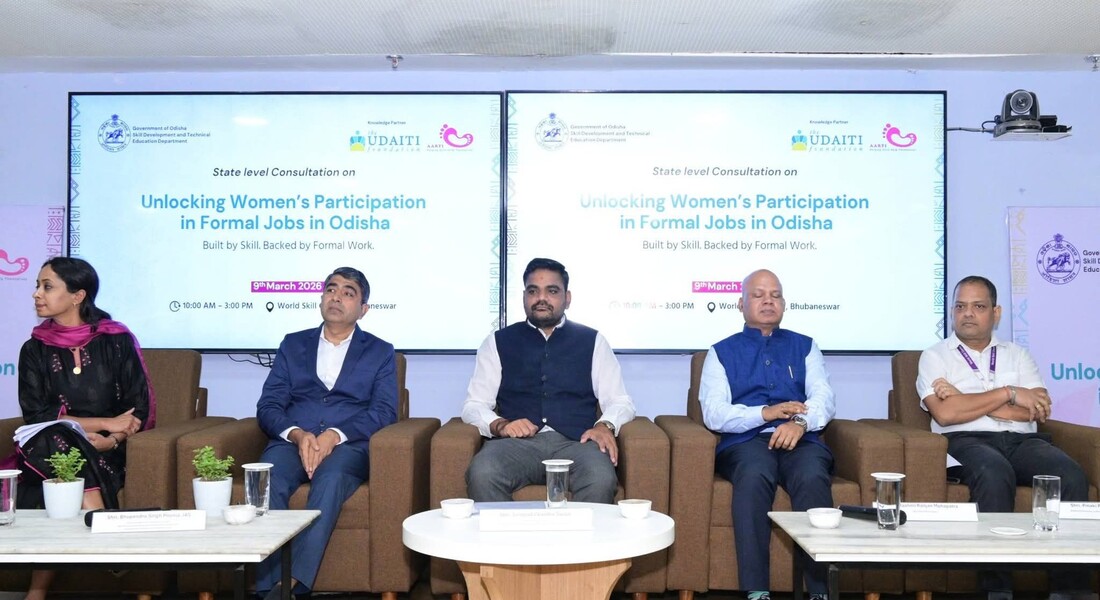
He made the remarks while inaugurating a consultation on “Unlocking Women’s Participation in Formal Jobs in Odisha,” organised by the Skill Development & Technical Education Department, in collaboration with the Udaiti Foundation, New Delhi, at the World Skill Center in Bhubaneswar.

The consultation brought together policymakers, industry leaders, training institutions, and experts to deliberate on strategies to enhance women’s presence in formal and high-growth sectors, according to a government release.

In his address, Swain highlighted that Odisha’s female labour force participation rate stands at 48.7%, significantly higher than the national average of 40.3%.

He said 17% of women workers in the State are engaged in the industrial sector, compared to 15% nationally. He added that while the figures reflect progress, higher participation alone does not guarantee access to better opportunities or formal employment.

The consultation aligns with the government of Odisha’s broader vision to increase women’s workforce participation and strengthen their economic empowerment.

The half-day session engaged diverse stakeholders, particularly industry partners, to understand their needs, challenges, and recommendations for strengthening women’s representation in the formal workforce.

Addressing the gathering, Bhupendra Singh Poonia, Commissioner-cum-Secretary, Skill Development & Technical Education Department, said government initiatives such as Sudakshya are creating an enabling environment for more girls to acquire skills in manufacturing and emerging sectors.

“The government is committed to supporting the girls in this journey of skilling and empowerment,” he said.