New Delhi: Prime Minister Narendra Modi on Monday warned that the ongoing West Asia conflict could have long-term economic and strategic consequences for India, even as he assured that the country remains prepared to manage disruptions in energy and supply chains.
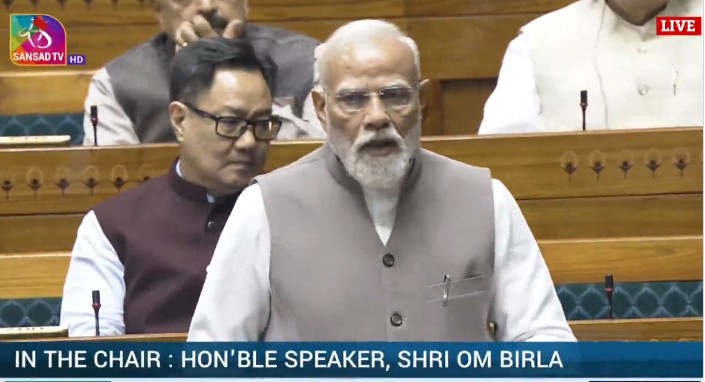
Addressing the Lok Sabha, Modi said the crisis has created “unexpected challenges — economic, national security-related, and humanitarian,” stressing that its impact is being felt globally.
“The situation in West Asia is deeply concerning… its adverse impact on the global economy and on people’s lives is evident,” he said, calling for a united national response to the evolving crisis.
With tensions escalating around the Strait of Hormuz, a critical route for global energy supplies, the Prime Minister underlined India’s vulnerability, noting that a significant portion of the country’s crude oil, gas, and fertiliser imports pass through the region. He added that disruptions in shipping have made the situation “highly challenging” though the government has worked to ensure that supplies of petrol, diesel and gas remain stable.
Modi emphasised that India’s energy security measures taken over the past decade are helping cushion the impact. “Today, we have a strategic petroleum reserve of over 53 lakh metric tonnes, and work is underway to increase this to more than 65 lakh metric tonnes,” he said, highlighting efforts to prepare for crises.
He also pointed to diversification of energy imports, noting, “Earlier, we imported from 27 countries; today, we import energy from 41 countries,” reducing dependence on any single region.
The Prime Minister said the government is in constant contact with global suppliers and monitoring maritime routes to ensure safe delivery of essential goods. He added that several Indian vessels stranded in the Strait of Hormuz have recently reached the country safely.
Beyond energy, Modi highlighted broader concerns, including the safety of Indian citizens in the region. Nearly 10 million Indians live and work in Gulf countries, he noted, while over 3.75 lakh citizens have already been brought back safely since the conflict began.
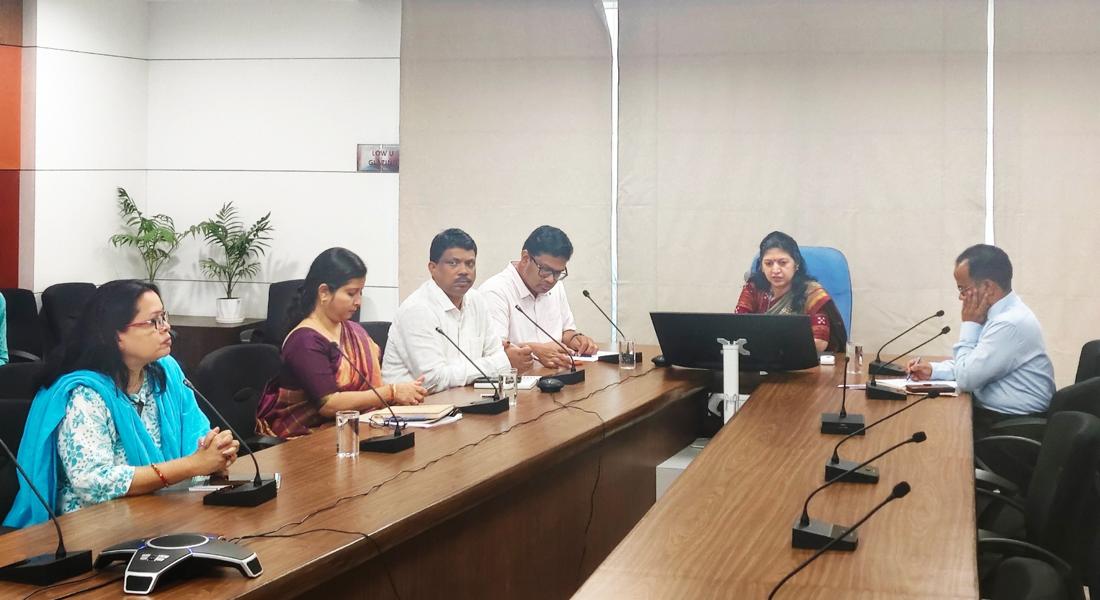
He said India has set up 24/7 control rooms, emergency helplines, and advisory systems to assist citizens, adding that “the safety of Indians at home and abroad has been our highest priority.”
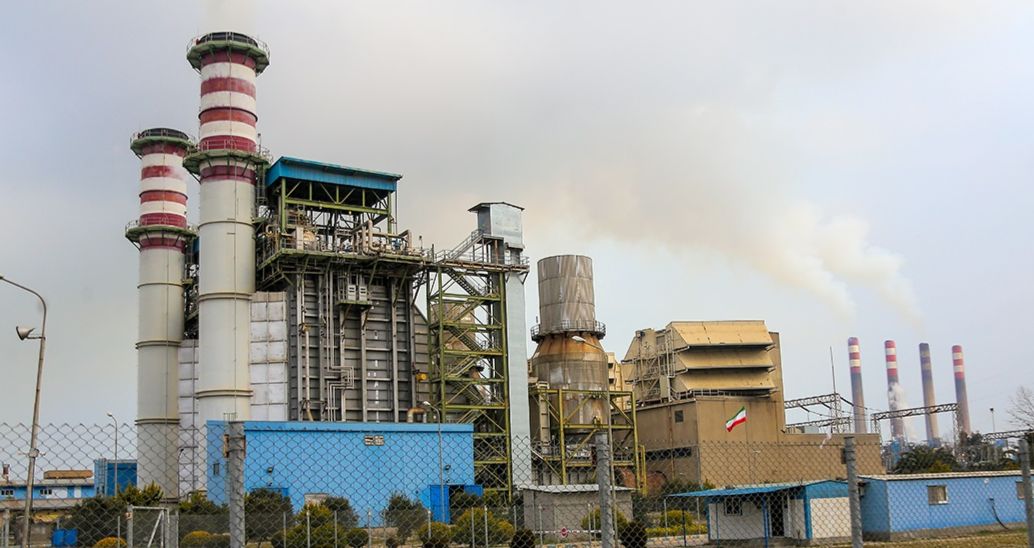
On the domestic front, the Prime Minister assured that essential sectors remain stable. Food grain stocks are sufficient, fertiliser availability is being secured for the upcoming Kharif season, and coal reserves at power plants are adequate to meet rising electricity demand during summer.
Modi also highlighted structural reforms aimed at reducing import dependence, including increased ethanol blending, expansion of renewable energy, and electrification of transport systems. “These efforts are proving very useful today,” he said.
At the same time, he cautioned that the crisis could persist. “This war has created difficult global conditions that may last for a long time. We must remain prepared and united,” he said, urging both governments and citizens to act with patience and vigilance.
Calling for diplomatic resolution, Modi reiterated India’s consistent position. “Dialogue and diplomacy are the only solutions… our effort is to encourage all parties towards a peaceful resolution at the earliest,” he said.
He also warned against black marketing and hoarding of essential commodities, urging state governments to maintain strict monitoring amid uncertainty.