At IndiaVerve, we go beyond the noise to bring you meaningful stories of change, resilience and progress—from India to the world stage. Our mission is to bring readers credible, wide-ranging coverage across politics, business, sports, culture, society and more.

Odisha Police secures second place at national shooting meet

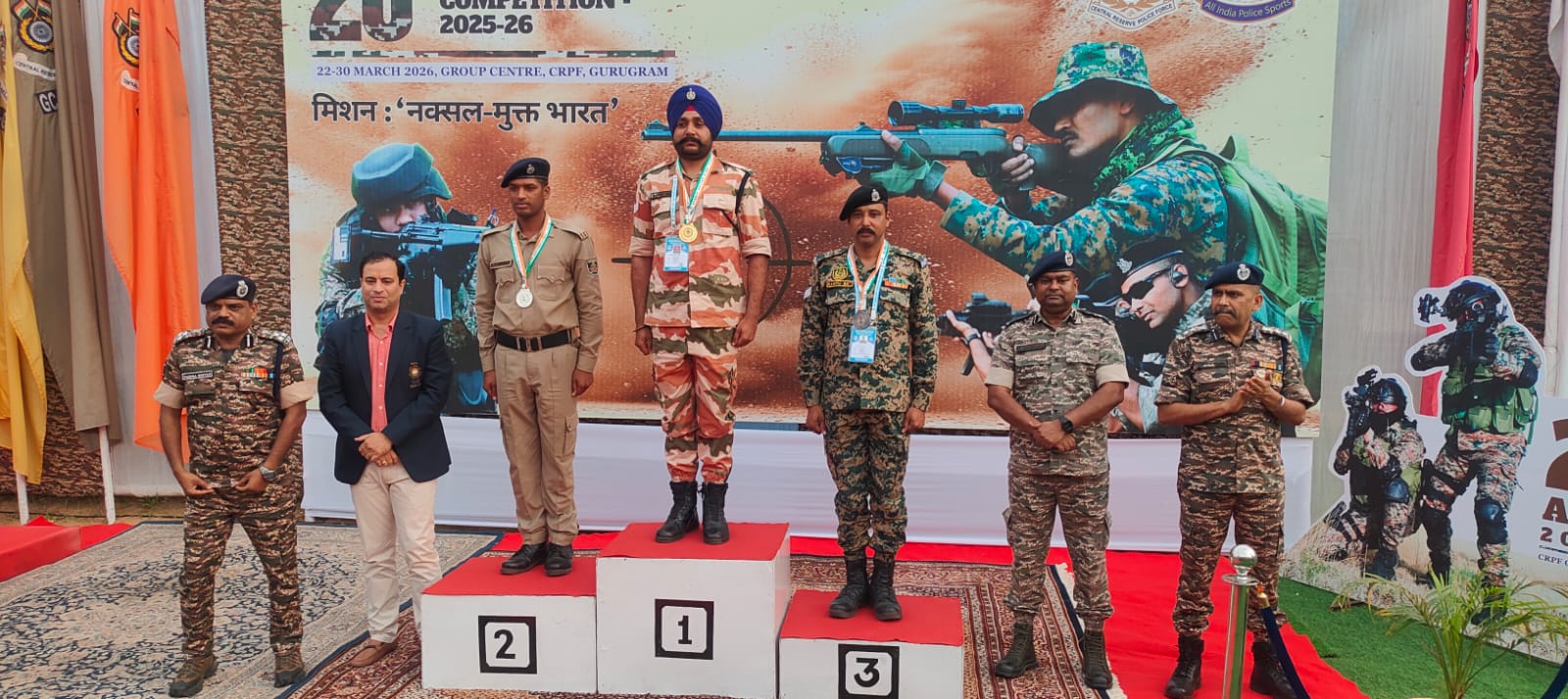
Bhubaneswar: Odisha Police has achieved a significant milestone by securing second position at the 26th All India Police Shooting Competition (AIPDM) held at the CRPF facility in Gurugram, Haryana.

The competition which started on March 22 saw participation from police forces across the country. The Odisha Police team delivered an impressive overall performance, scoring a total of 1,601 points across multiple categories.

The team secured 743 points in rifle shooting, 531 points in pistol shooting, and 327 points in carbine shooting, earning them the second rank among all participating state police units, according to an official release.

In an individual achievement, Odisha Police shooter Akshaya Kumar Sahani won a silver medal in the 300 yards snap shooting event. Sahani, bearing number S/131, is currently posted at SSBN, Bhubaneswar.

Director General of Police Yogesh Bahadur Khurania congratulated the Odisha Police team for their commendable performance. He also extended his appreciation to medal winner Akshaya Kumar Sahani and Deputy Commandant, team manager and coach M.S.A. Farid for their contribution to the success.

The achievement marks a proud moment for Odisha Police, reflecting its growing excellence in national-level competitive shooting.

Subhadra Yojana applications to reopen from April 1

Bhubaneswar: The Odisha government has announced that fresh applications under the Subhadra Yojana will be accepted from April 1 to April 30, 2026, for the 2026–27 financial year, aiming to expand coverage of eligible women beneficiaries.

According to an official release, the month-long registration drive will be conducted through the Subhadra Portal to ensure that women who have not applied earlier get an opportunity to avail the scheme’s benefits.

Applicants must be women aged between 21 and 60 years as on April 1, 2026. Those found eligible will receive financial assistance of ₹10,000 annually, disbursed in two instalments, starting from the 2026–27 financial year and continuing for the duration of the scheme.

The government has clarified that only first-time applicants will be considered during this window. Women who have already applied under the scheme earlier will not be eligible to reapply.

New registrations can be completed through designated centres, including Common Service Centres (CSCs) and Ama Seva Kendras (ASKs). To facilitate the process, application forms will be made available free of cost at all Anganwadi Centres and offices of the Child Development Project Officers (CDPOs).

The Subhadra Yojana is a key initiative of the state government focused on women’s empowerment through direct financial support. Under this initiative, each beneficiary will receive Rs 50,000, divided into yearly installments, over a period of 5 years.

NIT Rourkela students win top honours at Robofest Gujarat 5.0

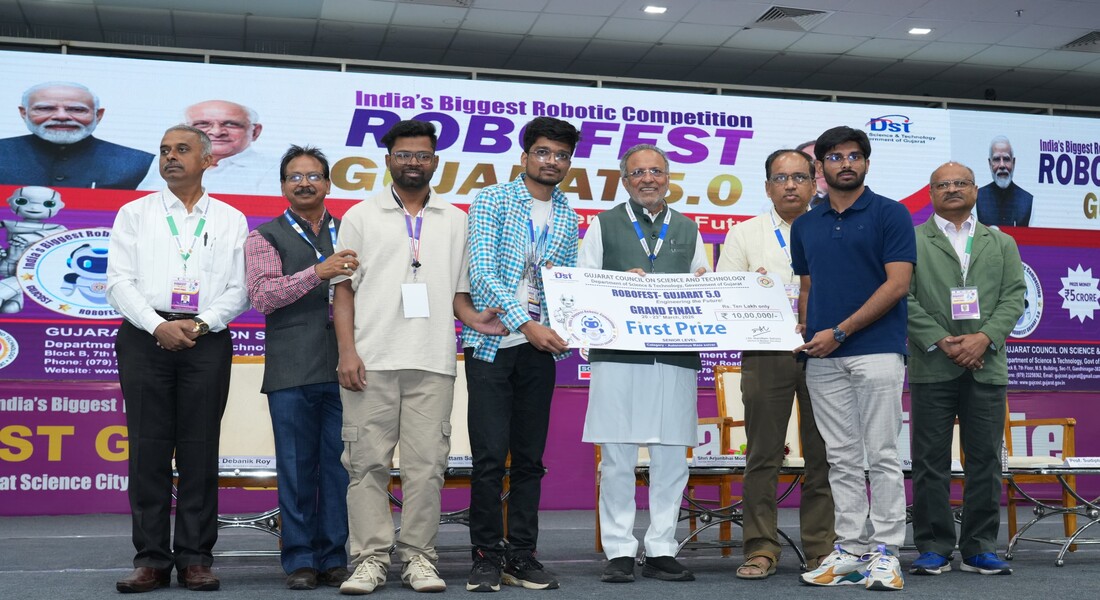
Bhubaneswar: A team of students from the National Institute of Technology Rourkela has brought laurels to Odisha by securing first position in the “Autonomous Maze Solver Robot” category (Senior Level) at Robofest Gujarat 5.0.

The winning team comprised Raj Srivastava, Priyansh Agrawal, Sachin Pal, and Tanmay Rath. They were mentored by Dr. Sadananda Behera, Assistant Professor in the Electronics and Communication Engineering Department, NIT Rourkela, said in a post on X.

The event was held at Gujarat Science City and witnessed participation from top student innovators across the country.

The NIT Rourkela team developed an advanced Autonomous Maze Solver Robot capable of navigating large and complex mazes, identifying the exit, and calculating the shortest path from origin to destination. The team stood out for its strong technical execution and algorithmic efficiency, completing the entire challenge successfully. Notably, it was the only team in the category to do so, with no second or third positions awarded.

For their outstanding performance, the team received a cash prize of Rs 10 lakh at the final stage. They had earlier secured Rs 50,000 at the Ideation Stage and Rs 2 lakh at the Proof of Concept stage, reflecting consistent excellence throughout the competition.

The award was presented by Arjun Modhwadia, Minister for Science and Technology, Forests and Environment, and Climate Change in the government of Gujarat, who commended the team’s innovation.

Director of NIT Rourkela, K. Umamaheshwar Rao, congratulated the students and their mentor, describing the achievement as a proud moment for the institute and Odisha.

Organised by the Gujarat Council on Science and Technology under the Department of Science and Technology, Robofest is a premier platform for robotics innovation in India. The competition follows a rigorous multi-stage evaluation process, including Ideation, Proof of Concept, and Prototype development.

Paradip Port to emerge as green hydrogen hub under national mission

Bhubaneswar: The Centre has identified Paradip Port Authority as a key Green Hydrogen Hub under the National Green Hydrogen Mission, placing Odisha at the forefront of India’s clean maritime transition.

Union Minister for Ports, Shipping and Waterways Sarbananda Sonowal, as reported by PIB India, said in a written reply in the Lok Sabha.

The recognition comes from the Ministry of New and Renewable Energy, which has selected three major ports across the country for developing a green hydrogen ecosystem. Along with Paradip Port Authority, Deendayal Port Authority in Gujarat, and V.O. Chidambaranar Port Authority in Tamil Nadu have also been included in the initiative.

Focusing on Odisha, the government has approved the development of a Green Hydrogen and Green Ammonia handling jetty at Paradip Port. The project will be implemented under the Public-Private Partnership mode at an estimated cost of Rs 797.17 crore. Once completed, the facility is expected to handle a cargo of up to 4 million tonnes per annum, significantly enhancing the port’s capacity in clean energy logistics.

The move is seen as a major boost for Odisha’s industrial and maritime sectors, aligning the State with India’s broader push towards sustainable energy and reduced carbon emissions.

In parallel, major ports across the country, including Paradip, are facilitating ‘shore-to-ship power’ for smaller vessels, a step aimed at reducing emissions from port operations.

Additionally, under the Hong Kong International Convention for the Safe and Environmentally Sound Recycling of Ships, financial incentives worth Rs 53.39 crore have been disbursed to 109 ship recycling yards through the Ferrous Scrap Development Fund up to 2026.

In a related development, Paradip Port Authority has achieved a historic milestone with the arrival of MT Almi Titan, carrying 3,02,861 metric tonnes of crude oil for Indian Oil Corporation Limited, marking the highest-ever parcel handled at the port.

In a post on X, the Port said that the achievement surpasses the previous record of 2,97,714 metric tonnes set in June 2020, further strengthening Paradip’s position as a leading maritime hub for global trade.

From protection to policing: How India’s new trans law fails a rights-based vision

New amendments to India’s trans law raise concerns over autonomy, identity, and mental health, as experts warn of a shift from rights-based protection to state-led control

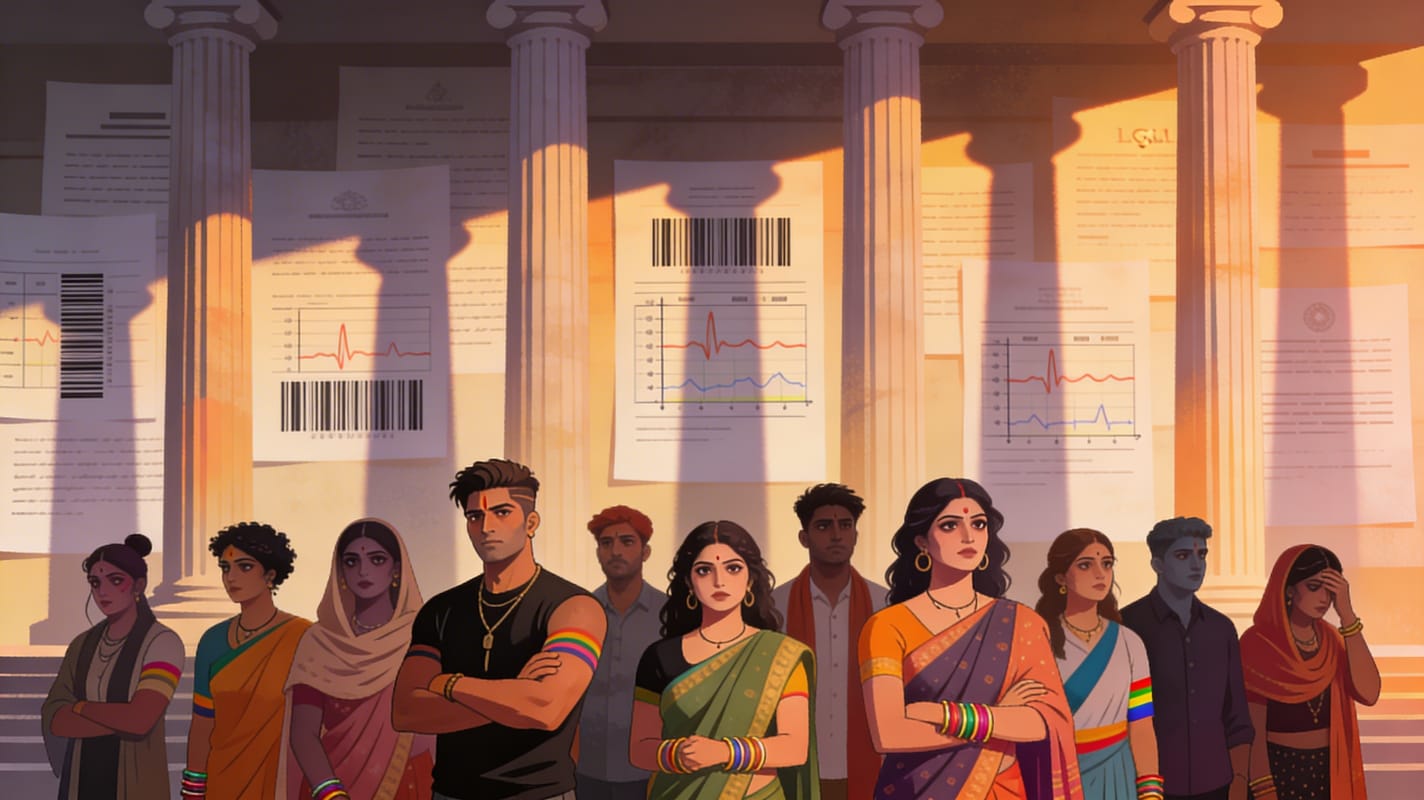
India’s latest amendments to the Transgender Persons (Protection of Rights) Act feel less like a course correction and more like a legal regression to colonial times, when the Criminal Tribes Act persecuted transgender people for being who they are. From a rights-based, queer-affirmative mental health perspective, this is not a technical policy tweak; it is an assault on autonomy, dignity, and the fragile sense of belonging that many trans and gender-diverse people have painstakingly built since NALSA.

The promise of NALSA, and how far we’ve drifted

In 2014, the Supreme Court in NALSA judgement W.P.(C) No. 400/2012[1] recognised something both simple and profound: that each person has the right to self-identify their gender, not a favour from the state but a constitutional guarantee of equality, free expression and the right to life with dignity. Self-identification was at the heart of this judgment; it was understood as an anchor for psychological well-being, not just a bureaucratic category. The Court also called for reservations, welfare measures and protection from discrimination, trying to move trans lives from the margins to the mainstream of citizenship.

The 2019 Transgender Persons (Protection of Rights) Act was already a partial betrayal of that promise[2]. It framed discrimination as unlawful and spoke the language of welfare, but then inserted a humiliating certificate regime and lighter punishments for violence against trans persons compared to cis women. As a mental health practitioner, I remember how often clients spoke about the dread of having to “prove” themselves to a District Magistrate, of being made legible to an indifferent state before they could become legible to employers, landlords or schools.

Even so, the 2019 law still carried the words “self-perceived gender identity” and an inclusive definition that mentioned trans men, trans women, and genderqueer persons. That language was a slender, but crucial, bridge between constitutional ideals and everyday reality. The new amendments burn that bridge.

First, they narrow the definition of who is legally “transgender,” removing explicit mention of trans men, trans women and genderqueer people, while centring “eunuch,” specific hijra-like socio-cultural identities, and intersex variations. On paper, this looks like a recognition of long-marginalised hijra communities and of intersex children. In practice, it fragments the community and plunges anyone who doesn’t fit these boxes into legal limbo. The trans man in a small town, forced to hide himself for his survival; the non-binary young person who has never belonged to a gharana; the trans woman who is not seen as hijra—where do they stand now?

Second, the law deletes the explicit right to self-identification and makes gender recognition contingent on medical boards. These boards will decide whether someone “qualifies” as transgender or intersex for an identity certificate. Let’s remember, transgender identity was long pathologized by these same medical institutions. In 2013 The American Psychiatric Association’s DSM-5 replaced “Gender Identity Disorder” with “Gender Dysphoria,” focusing on the distress rather than the identity itself being a disorder. On paper Transgender identity was formally depathologized globally when the World Health Organization (WHO) officially adopted the 11th revision of the International Classification of Diseases (ICD-11), which took effect on January 1, 2022. This removed “gender identity disorder” as a mental illness.

As a psychologist, I cannot overstate how psychologically violent it is to medicalise gender. It requires people of an already misunderstood community to depend on medical validation. Many trans people already fear healthcare spaces because of misgendering, pathologisation, and histories of coercive treatment. Making these same institutions the gateway to legal existence cements that fear into law.

Third, while the amendments dramatically increase penalties for trafficking, forced begging, mutilation, and exploitation of transgender persons, they do so without addressing the earlier disparity in punishments for sexual and physical violence against trans persons versus cis women. The message is dehumanizing: you are considered important enough to face heavy penalties in some cases, but not important enough to receive equal protection when you are assaulted.

In mental health terms, this is structural gaslighting. The state says: “We are protecting you,” while simultaneously undermining your ability to say who you are and to be believed when harmed. Over time, such contradictions corrode trust—not only in institutions, but in one’s own sense of reality.

Safety and security: when protection becomes surveillance

The amendments’ harsh sentences for forced castration, trafficking and exploitation address very real forms of violence that hijra and trans communities have faced for centuries. It is understandable that many people outside the community see this and feel reassured. But from a rights-based lens, we must ask: protection for whom, and at what cost? Additionally, where is the research and data that contextualises and differentiates forced castration from a transgender person accessing gender affirmative medical support?

When legal recognition is narrowed and medicalised, “protection” becomes surveillance. Police, bureaucrats, and even families may feel further empowered to demand proof: certificates, medical opinions, board clearances. Trans people already navigate constant questioning—“What are you really?”—in public spaces, workplaces, hospitals. Embedding that suspicion into the legal architecture will intensify the mental load of simply existing.

For those already on the edge—people involved in sex work, begging, or informal labour—the combination of aggressive anti-trafficking provisions and weak housing, employment and labour rights increase vulnerability. Raids and “rescues” conducted in the name of protection often separate people from their chosen families and support systems, which are critical buffers against mental distress. When the law reads community spaces primarily as sites of exploitation, it risks destroying the very networks that enable survival.

Safety requires secure housing, income, and relationships where one’s identity is affirmed. On all these fronts, the amendments are lacking. Without robust anti-discrimination enforcement, affirmative housing and job schemes, and protection of chosen families, the new punitive teeth will bite the wrong people.

Belongingness, identity and the mental health toll

Queer-affirmative practice starts from the premise that people are the experts on their own gender and sexuality. The therapeutic task is to create space where that self-knowledge can be explored safely, not adjudicated or certified. The amendments invert this logic. They tell trans and gender-diverse people: “Your self-knowledge is insufficient; you will be validated only if certain experts agree.” Needless to say, just like the people who made the amendments, the “experts” will also not be from the transgender population.

This has predictable mental health consequences:

  • It reinforces minority stress: the chronic expectation of rejection and invalidation based on identity.
  • It deepens shame and internal conflict: if the law says you are not “really” trans, many will turn that accusation inward.
  • It raises barriers to help-seeking: people who fear their gender will be pathologised by doctors are less likely to access mental healthcare or medical services generally.
  • It reduces access: doctors may not prescribe necessary hormone replacement medicines to trans men and non-binary people. Gender-affirming surgery will be perceived as a threat to the livelihoods of doctors and surgeons who can offer it.

Community belonging—which research consistently shows as protective against depression, anxiety, and suicidality—is also at risk. When the law prioritises certain identities and pathways (such as specific “traditional” categories and medicalised routes) over others, it can break solidarity. Trans men might feel even more excluded from policy discussions; non-binary and genderfluid people might vanish from official narratives altogether. Within families, unsupportive relatives can now say, “Even the law doesn’t recognise what you’re saying you are,” weaponizing legislation in everyday power struggles.

For a young queer or trans person, especially outside big cities, this can be devastating. Legal recognition is not a magic cure, but it sends a powerful message: you exist, you are legitimate, your future is imaginable. Rolling that back is not neutral. It tells a generation: your existence is negotiable, conditional and contestable.

How India is drifting away from global best practice

Globally, many jurisdictions have shifted toward self-identification and depathologisation. Countries like Argentina, Ireland, Malta, Norway, and others permit legal gender changes based on self-declaration, often through straightforward administrative procedures without medical gatekeeping. International health organisations have moved away from viewing gender diversity as a disorder and now focus on frameworks that emphasise autonomy, informed consent, and access to affirming care. 

These developments are not just symbolic; they are rooted in evidence that legal recognition and self-determination correlate with better mental health outcomes, reduced suicidality and increased access to education and work. In that global conversation, India’s move to medical boards and narrowed recognition reads as a regression toward older, pathologising models.

A different path: what a queer-affirmative, rights-based law would do

From a rights-based and queer-affirmative mental health standpoint, an inclusive approach would look very different:

  • It would restore and strengthen self-identification, including explicit recognition of non-binary and gender-diverse identities.
  • It would abolish or strictly limit compulsory medical gatekeeping, keeping any medical input voluntary, supportive, and centred on informed consent.
  • It would equalise punishments for violence against trans persons with those for comparable offences against cisgender women.
  • It would move beyond abstract anti-discrimination promises to concrete affirmative action: reservations, targeted housing, livelihood schemes, and protection of chosen families.
  • It would invest in trans-led mental health and community support services, acknowledging that community spaces are vital sites of healing, not problems to be policed.

Crucially, such a law would be written with trans communities at the centre—not as objects of compassion or morality tales about exploitation, but as rights-bearing citizens and co-authors of the social contract. For those of us working in mental health, it is an essential condition for any meaningful reduction in distress, isolation and suicide.

The question now is whether India has the courage to listen to the communities most affected and rewrite this law in a way that honours both NALSA’s constitutional vision and the lived realities of trans and gender-diverse people.

***
Pompi Banerjee is a psychologist, policy researcher and founder of Bodhicitta Consulting. She works at the intersection of mental health, social justice and community-based care. Her practice centres trauma-informed, queer-affirmative, rights-based approaches to healing for LGBTQIA+ individuals and their support systems.

The views expressed are personal and do not necessarily reflect those of IndiaVerve.


[1] https://indiankanoon.org/doc/193543132/
[2]https://en.wikipedia.org/wiki/Transgender_Persons_(Protection_of_Rights)_Act,_2019#Criticism_and_reactions

PM Modi inaugurates Noida airport, calls it growth engine

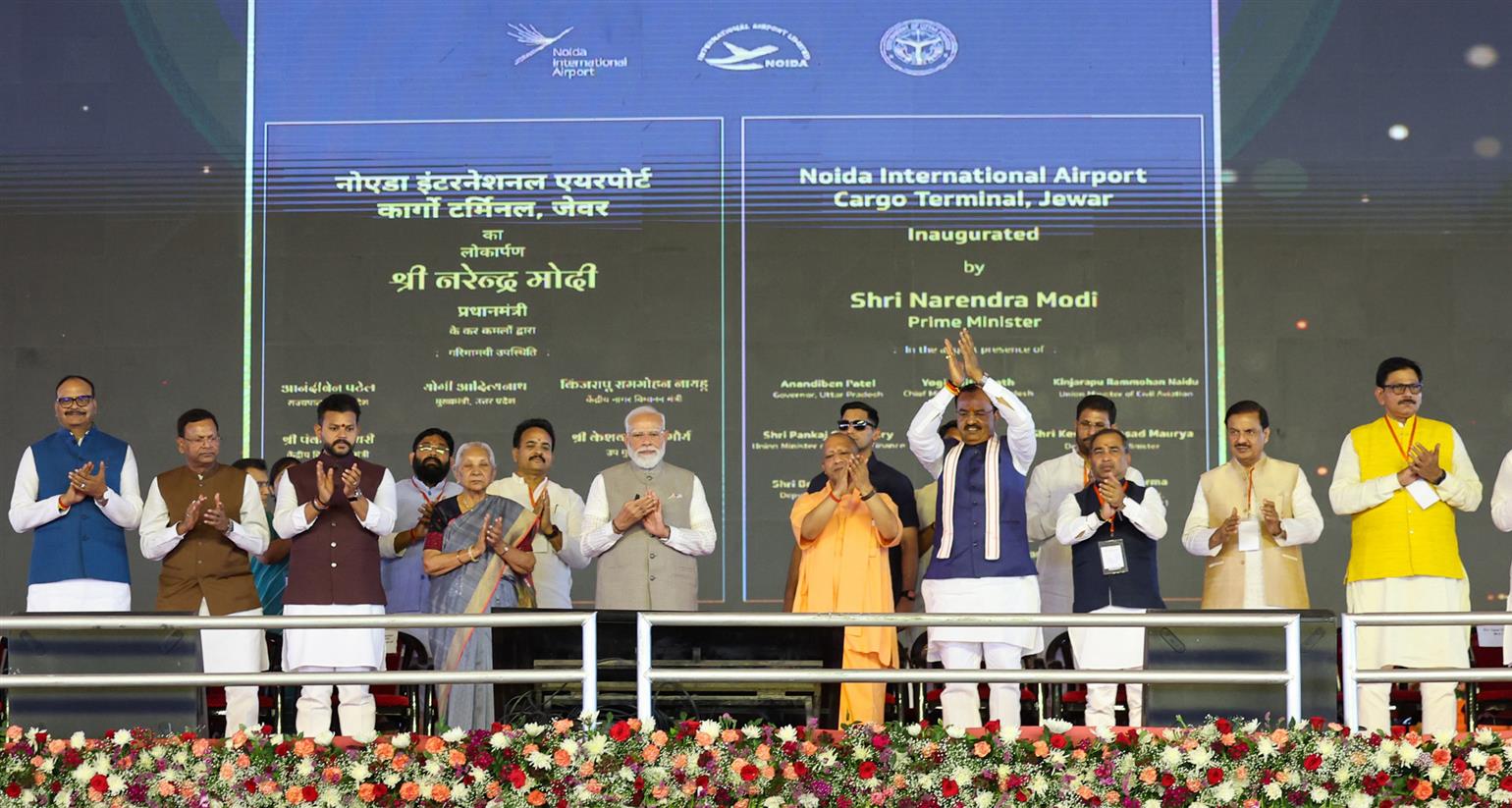
Noida: Prime Minister Narendra Modi on Saturday inaugurated the first phase of the Noida International Airport at Jewar positioning it as a major aviation and logistics hub for north India.

The Prime Minister was joined by Uttar Pradesh Chief Minister Yogi Adityanath, Union Civil Aviation Minister Ram Mohan Naidu, and Governor Anandiben Patel at the event.

In a symbolic gesture, Modi invited people present at the venue to switch on their mobile flashlights to “inaugurate” the airport, calling it a project belonging to the people. “Today, we are starting a new chapter in the ‘Viksit UP, Viksit Bharat’ campaign. This airport will bring new opportunities and benefit the entire region,” he said.

Developed at a cost of ₹11,282 crore in its first phase, the Noida International Airport is part of a larger project estimated at ₹29,560 crore. The greenfield airport is expected to ease congestion at Indira Gandhi International Airport and significantly boost connectivity across the National Capital Region and western Uttar Pradesh.

The airport will initially handle around 1.2 crore passengers annually, with plans to scale up capacity to nearly 7 crore passengers in subsequent phases. Once fully developed, it is projected to become one of India’s largest airports, with the ability to serve up to 225 million passengers annually.

Chief Minister Yogi Adityanath described the project as a “launchpad” for Uttar Pradesh’s future growth, highlighting its role in attracting investment and generating employment.

Spread over more than 11,700 acres, the airport will feature a 3,900-metre runway capable of handling wide-body aircraft and equipped for low-visibility operations. The project also includes an 87-acre cargo hub and a dedicated maintenance, repair and overhaul (MRO) facility, strengthening its position as a key logistics centre.

The airport is expected to begin commercial operations in April 2026, with initial flight services likely to connect major cities such as Mumbai, Bengaluru, Hyderabad and Kolkata. Airlines including IndiGo, Akasa Air and Air India Express are expected to lead the first phase of operations.

The project is being developed under a long-term concession agreement with Yamuna International Airport Pvt Ltd, a subsidiary of Zurich Airport International AG, as part of a phased expansion plan aimed at transforming Jewar into a global aviation hub.

Five killed, over 40 injured in bus accident in Nayagarh

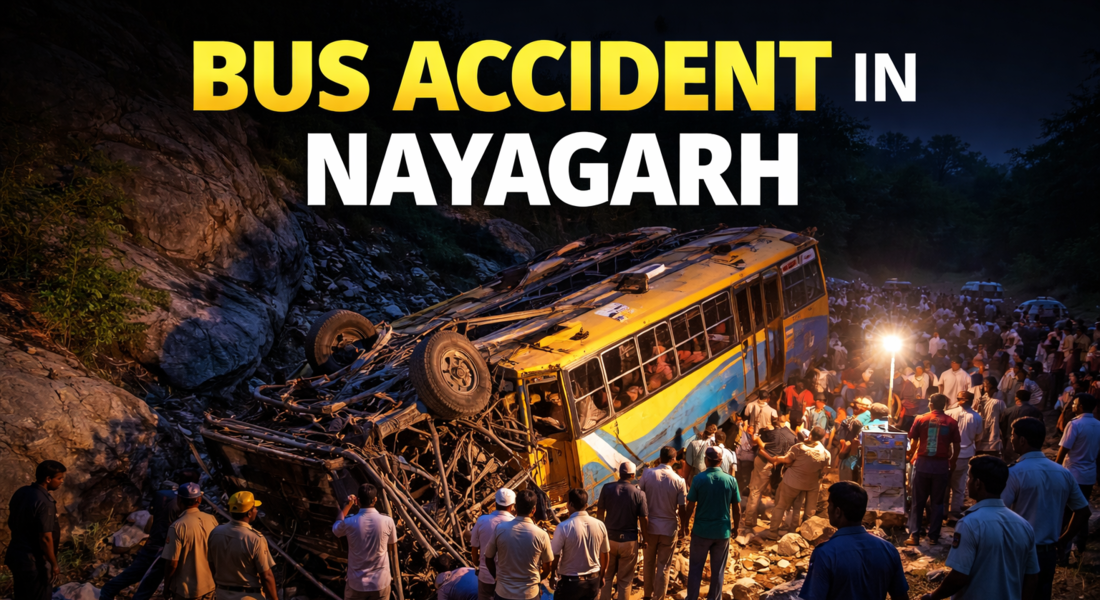
Bhubaneswar: At least five persons, including four women, died and more than 40 others sustained injuries after a tourist bus met with an accident near Takeraghat under Daspalla police limits in Odisha’s Nayagarh district late on Friday night.

The deceased included the driver and four passengers identified as Hari Patra, Laxmi Patra, Suprabha Sahu, and Sumati Sahu, according to media reports. All were reportedly residents of Berhampur.

Reports further said the private bus was carrying around 60 passengers from Berhampur to Harishankar on an excursion when the accident occurred at Hanuman Ghati. The driver lost control of the vehicle, following which the bus rammed into a huge rock and overturned.

Police and rescue teams from Daspalla and Banigochha stations, along with fire services and ambulances, rushed to the spot after receiving information. Rescue personnel used gas cutters to extricate trapped passengers.

Authorities shifted the injured to the Daspalla Community Health Centre. Around 15 critically injured persons were later referred to the District Headquarters Hospital for advanced treatment.

Chief Minister Mohan Charan Majhi expressed deep grief over the incident.

In a post on X, he conveyed condolences to the bereaved families and announced financial assistance of Rs 4 lakh each from the Chief Minister’s Relief Fund to the next of kin of every deceased.

Ex-Nepal PM KP Oli arrested over protest crackdown

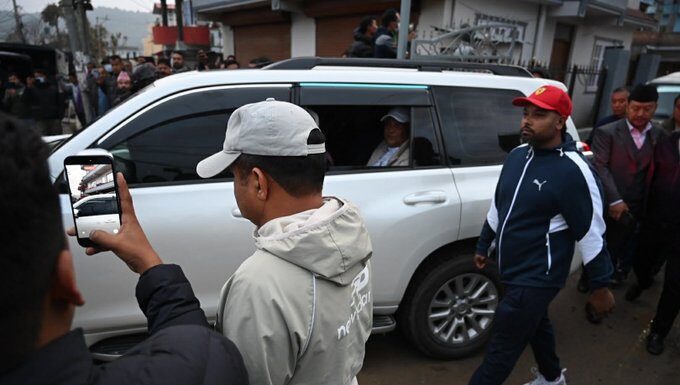
Kathmandu: Former Nepal Prime Minister KP Sharma Oli and former Home Minister Ramesh Lekhak have been arrested in connection with a culpable homicide case linked to the violent suppression of the September 2025 ‘Gen Z’ protests, a day after Balendra Shah assumed office.

Both the leaders were taken into custody on Satuday a day after rapper turned politician Balen Shah became the country’s youngest prime minister. Authorities reportedly said both could face charges carrying a maximum prison sentence of up to 10 years.

Following his arrest, the 74-year-old leader, who has a history of kidney-related health issues, was admitted to a hospital in Kathmandu after undergoing medical examinations.

According to a report by The Kathmandu Post, the arrests were made after a formal complaint by the Home Ministry and subsequent investigation that led to the issuance of warrants. The action follows recommendations of a commission headed by former Special Court judge Gauri Bahadur Karki.

The commission has held multiple senior officials accountable, recommending prosecution under provisions related to criminal negligence. It also named several top security and administrative officials for legal or disciplinary action over their alleged roles in the crackdown.

The protests, led largely by youth groups, had turned violent, resulting in the deaths of at least 77 people and widespread damage to public and private property.

Security agencies carried out coordinated operations for the arrests, with teams deployed across the Kathmandu Valley. Senior government officials held late-night consultations ahead of the move, as authorities tightened security in the capital.

The report further noted that the decision to act on the commission’s findings was taken at a Cabinet meeting chaired by Prime Minister Balendra Shah, paving the way for legal proceedings against those named.

The arrests mark a significant political development in Nepal, coming immediately after a leadership transition and signalling potential legal accountability for actions taken during the previous administration.

Adani Ports launches India’s first Port of Refuge to strengthen maritime safety

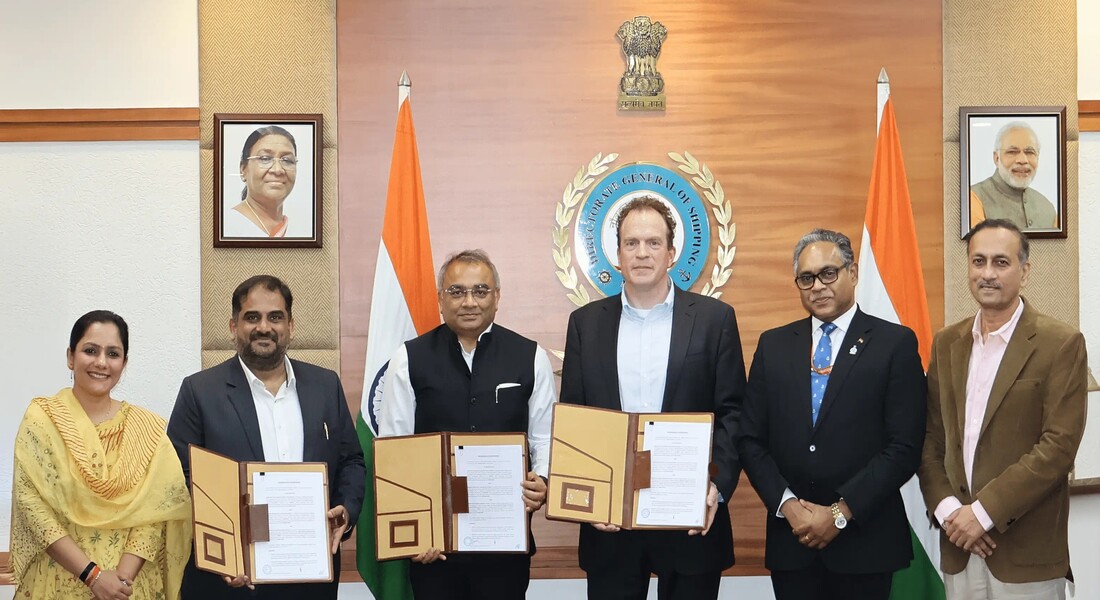
New Delhi: Adani Ports and Special Economic Zone Ltd (APSEZ) has operationalised India’s first Port of Refuge (PoR), creating a structured mechanism to handle maritime emergencies and vessels in distress.

The development addresses a long-standing gap in maritime emergency infrastructure as India strengthens its response capabilities along key global shipping routes. APSEZ handles nearly 27% of the country’s port cargo volumes.

A PoR, as defined by the International Maritime Organization, is a designated location where ships can seek shelter to stabilise conditions, protect life, and limit environmental damage. While such systems exist in major maritime economies, India had not formalised one until now.

APSEZ will operate two PoR sites at Dighi Port on the west coast and Gopalpur Port on the east coast. These locations will support vessels across the Arabian Sea, the Persian Gulf, the Bay of Bengal, and routes towards the Malacca Strait. The facilities will offer salvage and wreck removal, firefighting, pollution control, and emergency coordination through specialised equipment and trained teams, Adani Ports said in a press release.

The initiative is backed by a tripartite Memorandum of Understanding with SMIT Salvage, the salvage and emergency response division of Royal Boskalis Westminster N.V. (Boskalis), and the Marine Emergency Response Centre, to bring global expertise and coordinated response capability. It will support vessels insured under the International Group of Protection and Indemnity Clubs, aligning with global maritime frameworks.

APSEZ CEO Ashwani Gupta said the initiative marked a significant step in strengthening India’s maritime safety ecosystem and added that dedicated PoR infrastructure would enhance preparedness and set new standards for coastal safety.

Director General of Shipping Shyam Jagannathan said the adoption of a standardised PoR framework would enable coordinated and timely response during maritime incidents, ensuring protection of life, cargo, and the coastal environment.

SMIT Salvage Managing Director Richard Janssen said the initiative would strengthen maritime safety and environmental protection, adding that access to a Port of Refuge is critical in salvage operations to ensure swift and professional handling of vessels and cargo.

The initiative aligns with international maritime conventions and is expected to enhance safety, environmental protection, and India’s role in global shipping corridors.

National Theatre Festival ‘Purvaranga-2026’ kicks off in Bhubaneswar

Bhubaneswar: The National Theatre Festival “Purvaranga–2026” kicked off on Friday at Rabindra Mandap, Bhubaneswar, under the aegis of the Department of Odia Language, Literature and Culture, in collaboration with the Odisha Sangeet Natak Akademi and the Eastern Zonal Cultural Centre, Kolkata.

The opening evening featured the play “Nisango Ishwar,” written by Suman Shah and Soham Gupta and directed by Suman Shah. The performances by Suman Shah and Chandrani Sarkar captivated the audience. The play beautifully portrayed the devotion of a devotee towards their deity.

At the inaugural ceremony, Secretary of the Odisha Sangeet Natak Akademi, Dr. Chandra Sekhar Hota, eminent theatre director Manoj Kumar Pattnaik, Mihir Meher, Subodh Pattnaik, and Lala Biren Ray were present.

On the occasion of World Theatre Day, the guests extended their greetings and congratulations to all artists. They stated that Indian theatrical tradition is timeless and that theatre presents the realities of society before audiences.

They added that calling the theatre a mirror of society would not be an exaggeration. They expressed hope that audiences would appreciate all the plays being staged at the festival and said the event would help the younger generation understand the country’s rich cultural heritage.

The festival will continue till March 31.