At IndiaVerve, we go beyond the noise to bring you meaningful stories of change, resilience and progress—from India to the world stage. Our mission is to bring readers credible, wide-ranging coverage across politics, business, sports, culture, society and more.

Govt reviews power distribution performance, pushes rooftop solar expansion

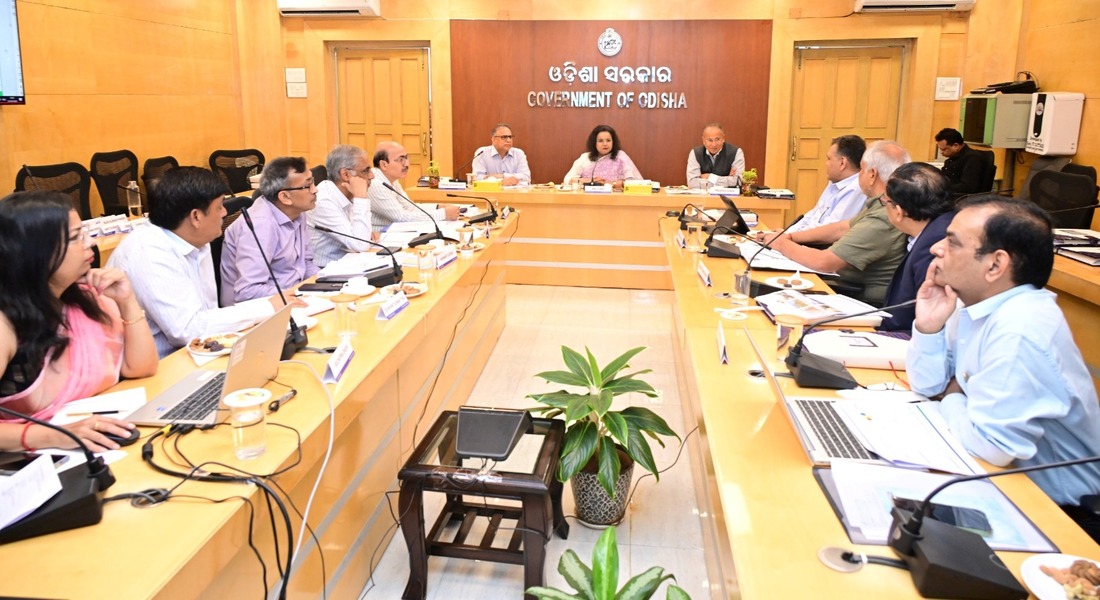
Bhubaneswar: The Odisha government has reviewed the performance of power distribution companies (DISCOMs) and emphasised reliable, safe and uninterrupted electricity supply across the state.

The review, conducted during the 29th board meetings of DISCOMs held at Lok Seva Bhawan on April 22 under the chairpersonship of Chief Secretary Anu Garg, assessed the functioning of TP Northern Odisha Distribution Limited (TPNODL), TP Southern Odisha Distribution Limited (TPSODL), TP Central Odisha Distribution Limited (TPCODL) and TP Western Odisha Distribution Limited (TPWODL), focusing on supply reliability, reduction of transmission losses, customer service delivery and infrastructure development.

According to an official release, the review also focused on the implementation of the PM Surya Ghar: Muft Bijli Yojana and rooftop solar initiatives under the Utility-Led Aggregation (ULA) model to promote clean energy adoption in the state.

As per the release, a total of 84,888 rooftop solar systems have been installed in Odisha so far—55,888 under PM Surya Ghar and 29,000 under the ULA scheme. Odisha has recorded the highest implementation performance in the country under the ULA model. The state has set a target to bring three lakh households under rooftop solar and is working towards installing 25,000 systems every month in the coming phase.

The release further stated that district administrations in Cuttack and Ganjam have supported 280 households across selected villages for rooftop solar installation. Initiated in February 2026, this effort has enabled beneficiary families to avoid monthly electricity bills, reducing financial burden and improving living conditions.

The review also noted improvements in operational efficiency, with aggregate technical and commercial losses declining from 29.5% in 2019–20 to 14.6% in 2025–26. There has been no increase in electricity tariffs over the past five years. Under CSR initiatives, DISCOMs spent ₹17 crore in 2025–26 and plan to increase this to ₹20 crore in 2026–27, focusing on healthcare and livelihood support in remote areas.

The government stressed the need for prompt resolution of consumer grievances and maintaining quality and safety in electricity distribution, while accelerating clean energy initiatives across the state.
West Bengal sees near 90% turnout, Tamil Nadu records over 84% voting

High voter participation marks key phase of Assembly polls, with isolated tensions in Bengal and record turnout in Tamil Nadu.

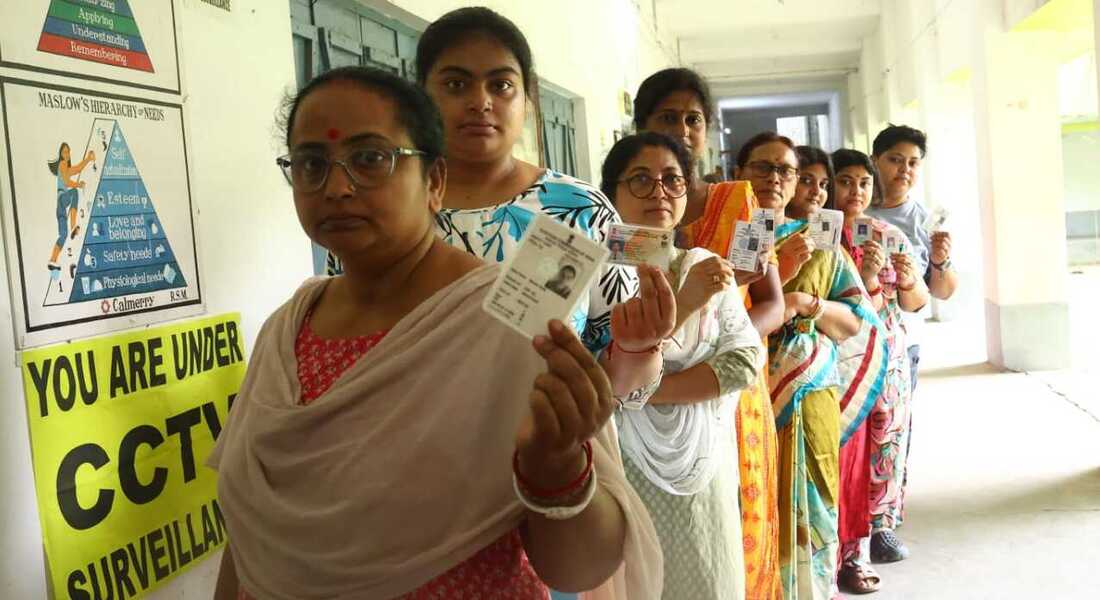
New Delhi: High voter participation marked Assembly elections in West Bengal and Tamil Nadu on Thursday, with West Bengal recording nearly 90% turnout in the first phase and Tamil Nadu crossing 84% in a single-phase poll.

According to data from the Election Commission of India, West Bengal registered a voter turnout of 89.93% till 5 pm in the first phase, while Tamil Nadu recorded 84.29% polling till 6 pm across all 234 constituencies.

In West Bengal, polling was held in 152 of the state’s 294 constituencies. Dakshin Dinajpur district recorded the highest turnout at 93.12%, reflecting strong voter participation. In Nandigram in Purba Medinipur district, long queues were seen from early morning, continuing through the day.

However, the polling process was not entirely without incidents. In Dakshin Dinajpur, BJP candidate Suvendu Sarkar was allegedly manhandled while heading to a polling booth following reports of disturbances. Security personnel remained deployed across polling stations to maintain order.

Amid the high turnout, Chief Minister Mamata Banerjee expressed confidence in her party’s prospects. Addressing a rally in Kolkata, she said, “From my understanding of people’s mind, we are already in a position to win given the polling held so far today.” She added that her focus extended beyond the state, stating, “I am not interested in any post, I don’t want the chair. I only want the end of BJP government in Delhi.”

The elections in West Bengal are being conducted in phases, with the next round scheduled for April 29 and counting set for May 4.

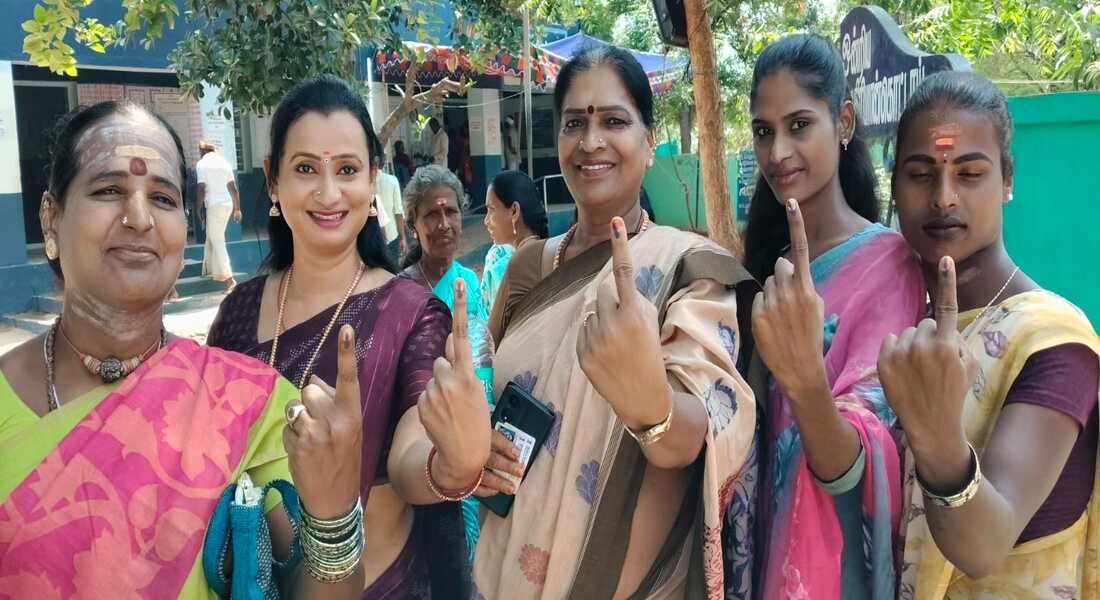
In Tamil Nadu, polling concluded in a single phase with a turnout of 84.29%, surpassing the previous highest of 78.29% recorded in the 2011 Assembly elections. The state saw participation from over 5.73 crore voters.

Karur district recorded the highest turnout at 91.86%. Among major cities, Chennai reported 83.09% polling, Madurai 80.15%, Coimbatore 84.40%, and Tiruchirappalli 85.04%. In Kolathur constituency, where Chief Minister M. K. Stalin is contesting, turnout stood at 85.63%.

Officials noted that the electorate size in Tamil Nadu had reduced following a Special Intensive Revision, bringing the total number of voters down from 6.41 crore in 2025 to 5.73 crore this year.

The strong voter turnout in both states highlights heightened political engagement and sets the stage for closely watched results, which will be announced on May 4 along with outcomes from other states that went to polls earlier.

RBI bulletin flags West Asia supply risks, notes domestic resilience

New Delhi: The Reserve Bank of India (RBI) on Thursday released its April 2026 monthly Bulletin, highlighting global supply disruptions and mixed domestic trends while pointing to overall resilience in the Indian economy.

The Bulletin carries the latest bi-monthly monetary policy statement issued on April 8, along with speeches, analytical content, and updated statistical data. Among key changes, the Consumer Price Index table has been revised to reflect the new base year (2024=100) and now includes a measure of core inflation, excluding food and fuel components, the RBI said in a press release.

In its assessment of the economy, the Central Bank noted that escalating tensions in West Asia disrupted global supply chains in March, though conditions showed some improvement in early April. Despite external headwinds, domestic economic activity remained steady across several sectors, even as certain segments recorded a slowdown.

Inflation saw a marginal uptick in March, primarily driven by food and fuel prices. Financial markets responded to geopolitical developments, with money market conditions and bond yields easing following a temporary ceasefire in the region.

On the external front, a decline in imports coupled with growth in exports helped reduce the trade deficit to a nine-month low. However, capital flows remained uneven, with foreign portfolio investment showing volatility, while net foreign direct investment turned positive in February.

The RBI clarified that the views presented in the “State of the Economy” article reflect the authors’ analysis and do not represent the official stance of the Central Bank.

Odisha government issues SOP to ensure safety of census staff amid incidents

Bhubaneswar: The government of Odisha on Thursday issued a detailed Standard Operating Procedure (SOP) to strengthen the safety and security of census personnel after reports of untoward incidents during ongoing fieldwork.

The directive, issued by Additional Chief Secretary Arabinda Kumar Padhee, comes as the first phase of Census 2027 – the house listing and housing census – is currently underway across the state from April 16 to May 15.

Officials said enumerators and supervisors, who are visiting households to collect data on housing conditions, amenities, and assets, have faced safety concerns in recent days, prompting the government to step in with clear operational guidelines.

Under the SOP, all field staff must carry official identification and appointment letters at all times. Working hours have also been regulated, with personnel advised to avoid field visits during peak heat hours between 11 am and 3 pm and take precautions against heat-related illnesses.

To enhance on-ground safety, enumerators may be deployed in pairs in isolated or sensitive areas, while supervisors have been tasked with regularly tracking field movements. In case of hostile situations, staff have been instructed to withdraw immediately, avoid confrontation, and report incidents to higher authorities.

The SOP also mandates close coordination with local police, including sharing personnel details with nearby police stations and ensuring access to emergency contacts. In particularly sensitive locations, police personnel may be assigned to accompany census teams.

Authorities have also stressed the importance of community engagement, encouraging field staff to connect with local leaders before beginning enumeration work in any area.

The government has reiterated that any obstruction to census duties will attract legal action under the Census Act 1948, with penalties including fines and imprisonment.

The move aims to ensure smooth and timely completion of Census 2027 operations while safeguarding the personnel engaged in the exercise.

India to host fourth India-Africa Forum Summit in New Delhi on May 31

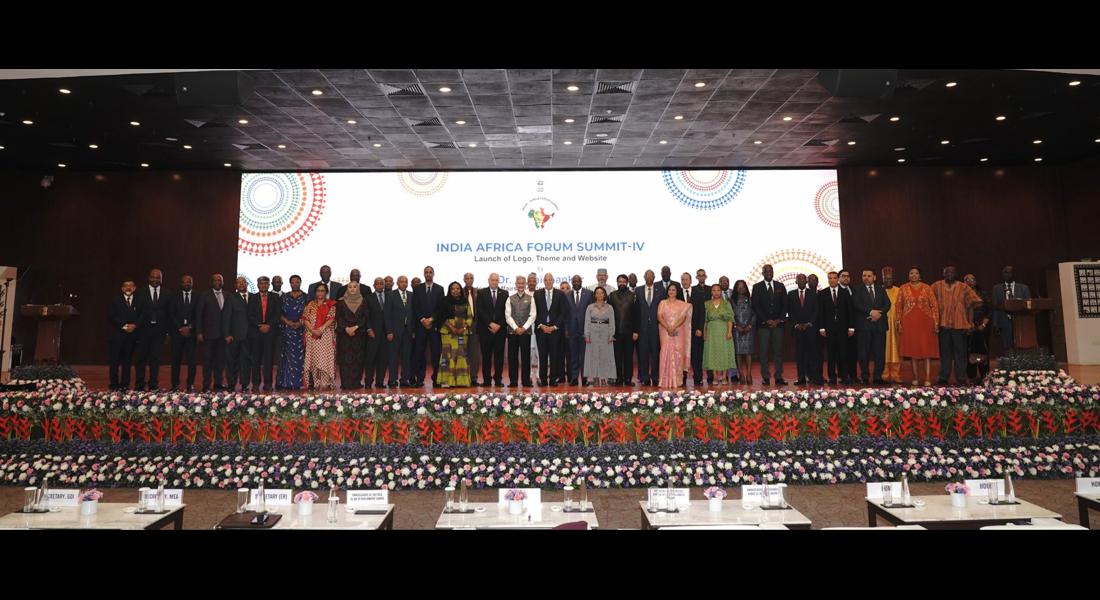
New Delhi: India will host the fourth edition of the India-Africa Forum Summit (IAFS-IV) on May 31 in New Delhi, in partnership with the African Union Commission, marking a major step in strengthening ties with the African continent.

The summit is expected to bring together leaders from across Africa, representatives of the African Union, and regional organisations to deepen engagement and outline future cooperation across key sectors, the External Affairs Ministry said in a release.

External Affairs Minister Dr. S. Jaishankar on Thursday unveiled the summit’s logo, theme, and official website, setting the stage for the high-level gathering. The theme – “IA SPIRIT: India Africa Strategic Partnership for Innovation, Resilience, and Inclusive Transformation” – reflects the broad scope and evolving nature of the partnership.

Ahead of the main summit, a series of preparatory meetings has been scheduled, including a Senior Officials’ Meeting on May 28 and the India-Africa Foreign Ministers’ Meeting on May 29. These discussions are expected to focus on priority areas of collaboration and refine the summit agenda.

The India-Africa Forum Summit has emerged as a key platform for dialogue and cooperation, guided by shared principles of equality, mutual respect, and collective growth. The previous edition had led to a significant expansion of India’s development assistance and capacity-building initiatives across African nations.

Officials said the upcoming summit is likely to further strengthen India-Africa relations under the broader South-South cooperation framework, while also providing an opportunity to highlight governance and development initiatives undertaken in recent years.

The event is being viewed as a landmark engagement aimed at reinforcing long-standing ties and exploring new avenues of partnership between India and Africa.

India selected for FIFA Women’s Development Programme

New Delhi: India has been chosen among 12 countries worldwide for the FIFA Women’s Development Programme (Commercial Strategy 2026), marking a significant step in strengthening the commercial ecosystem of women’s football.

The selection was confirmed by FIFA following India’s application and a detailed presentation submitted by the All India Football Federation (AIFF) outlining its long-term commercial roadmap and development plans.

The online programme, scheduled between May and October 2026, will focus on building sustainable commercial models for clubs, with tailored modules designed by FIFA for different stakeholders in women’s football across participating nations, AIFF said in a statement.

Officials said the initiative is expected to help clubs strengthen revenue systems, improve sponsorship engagement, and prepare for the upcoming women’s club licensing framework proposed by the Asian Football Confederation.

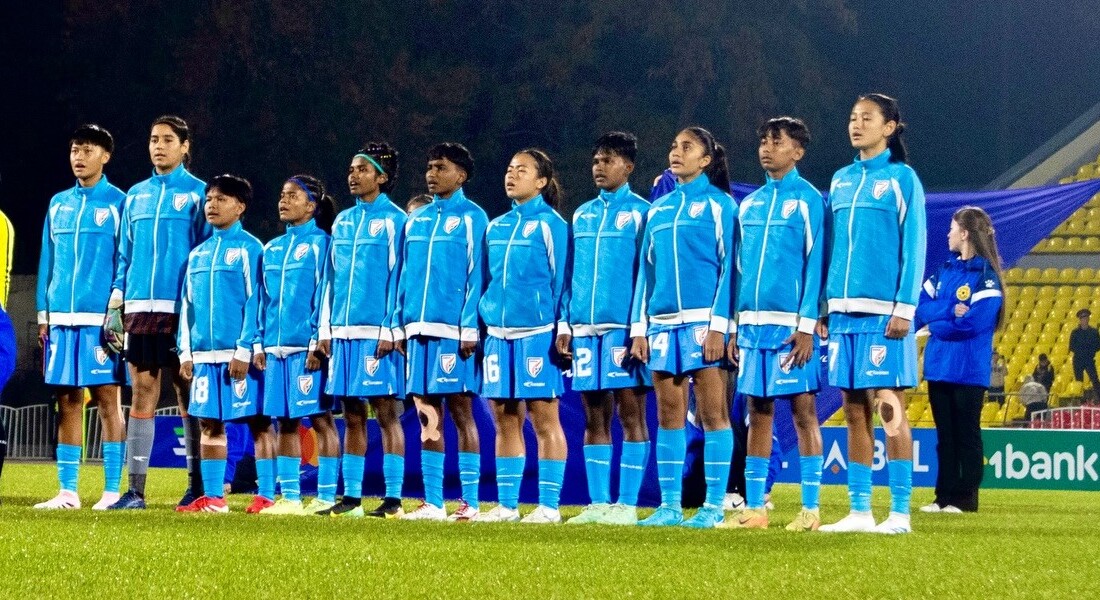
AIFF Deputy Secretary General M Satyanarayan said the timing of the programme aligns well with India’s growing progress in women’s football. He noted that the qualification of India’s senior, U20, and U17 women’s teams for their respective AFC Asian Cups reflects the country’s rising potential.

He added that youth development initiatives such as the ASMITA U13 Women’s Football League have helped build a strong grassroots foundation. With clubs now set to receive structured guidance on sponsorships, fan engagement, and business planning, he said the entire ecosystem is expected to benefit.

Satyanarayan further said that the FIFA initiative comes at a crucial time, especially as Indian Women’s League clubs move towards compliance with upcoming AFC club licensing requirements.

Trump reposts letter calling India, China ‘hellholes’, sparks controversy

US President amplifies anti-immigration rhetoric on birthright citizenship, drawing criticism for remarks targeting India, China and immigrant communities.

New Delhi: US President Donald Trump has sparked controversy after reposting a strongly worded letter on his Truth Social platform that referred to India, China and other countries as “hellholes” while criticising birthright citizenship in the United States.

The letter, originally written by American radio host Michael Savage, was shared by Trump amid ongoing political and legal debates around birthright citizenship. The post has drawn attention for its language targeting multiple countries, including India, and for its broader claims about immigration and public policy.

“A baby here becomes an instant citizen, and then they bring in their entire family from China, or India or some other hellhole on the planet,” the letter stated.

The reposted message argued that birthright citizenship is being misused, alleging that immigrants travel to the US to secure citizenship for their children and later bring extended family members into the country. It also called for the issue to be decided through a national vote rather than by courts.

The remarks come as the issue of birthright citizenship is being discussed in legal and political circles, including proceedings involving the US Supreme Court. The letter criticised judicial handling of the issue and questioned the relevance of constitutional interpretations in the context of modern migration.

The post also made broader claims about immigration, alleging that immigrants exploit public services such as healthcare and welfare systems. It further criticised the American Civil Liberties Union, accusing it of supporting policies that favour undocumented immigrants, and suggested action under stringent legal provisions.

Additionally, the letter made assertions about employment patterns in California’s technology sector, claiming that jobs are dominated by individuals from India and China. However, no evidence was provided to support these claims.

In another set of remarks within the same text, immigrants from India and China were described in derogatory terms, further intensifying criticism of the language used in the post.

The controversy comes a day after Trump reiterated his opposition to birthright citizenship in a media interview, claiming that the United States is the only country that offers such a provision. However, several countries, including Canada and Mexico, provide citizenship by birth.

The development has added to the ongoing debate in the United States over immigration policy, constitutional interpretation, and the future of birthright citizenship, while also drawing attention to the tone and content of political discourse surrounding the issue.

Voting underway in Bengal, Tamil Nadu; turnout crosses 40% in WB

Phase 1 polling sees brisk participation, clashes in Murshidabad, EVM glitch complaints, and high political stakes in both states.

New Delhi: Polling for Assembly elections was underway in West Bengal and Tamil Nadu on Thursday, with voter turnout reaching 41.1% in West Bengal and 37.5% in Tamil Nadu by 11 am, according to data from the Election Commission of India.

Voting began at 7 am and is scheduled to conclude at 6 pm. While Tamil Nadu is voting across all 234 constituencies in a single phase, West Bengal is holding polling in 152 of its 294 seats in the first phase, with the remaining constituencies set to vote on April 29.

The high-stakes election in West Bengal will determine whether Chief Minister Mamata Banerjee secures a fourth consecutive term or the Bharatiya Janata Party manages to form a government in the state for the first time. Over 3.6 crore voters, including around 1.75 crore women, are eligible to vote in this phase.

Polling in West Bengal witnessed sporadic incidents of tension. In Murshidabad district, a scuffle broke out between workers of the All India Trinamool Congress and Aam Janata Unnayan Party founder Humayun Kabir, who alleged that Trinamool workers tried to prevent him from visiting a polling area. The confrontation reportedly followed an earlier incident in which a crude bomb was hurled, injuring a woman. The Election Commission has sought a report from district authorities on the incident.

Separately, Congress candidate Sanjoy Adhikari alleged an electronic voting machine malfunction in Suri, stating he was unable to cast his vote despite reaching the polling station early. He said that the issue caused delays, with voters waiting in queues, and urged authorities to extend polling hours or consider re-polling if the problem persists.

Despite isolated disruptions, election authorities said polling arrangements were largely smooth. International delegates visiting polling stations in Darjeeling described the process as “wonderful… systematic, very well managed,” according to the Election Commission.

The elections are being held amid significant revisions to electoral rolls. In West Bengal, nearly 91 lakh names—about 11.9% of the electorate—were removed during a special intensive revision, with around 27 lakh appeals against exclusions still largely pending. In Tamil Nadu, more than 74 lakh names were removed from voter lists.

The Supreme Court has directed that tribunal decisions on voter inclusion or deletion must be reflected in final electoral rolls within specified deadlines.

Security has been heightened, particularly in West Bengal, where around 2.4 lakh Central Armed Police Forces personnel have been deployed, and over 8,000 polling stations have been marked as sensitive.

Political rhetoric has also intensified. The Trinamool Congress urged voters to support its “Maa, Mati, Manush” slogan, calling for participation without fear. Meanwhile, BJP candidate Agnimitra Paul said voters were determined to “remove” the ruling party, describing the election as a decisive moment for the state.

Votes for both states will be counted on May 4, along with results from Assam, Kerala, and Puducherry, where polling concluded earlier.

Ladakh to host sacred Buddha relics exposition

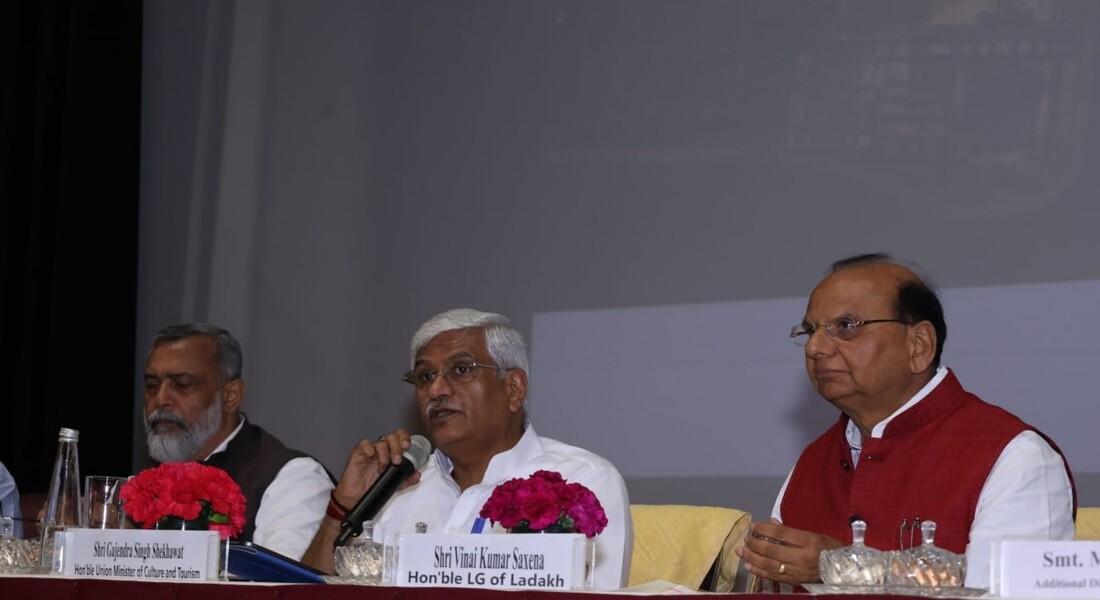
New Delhi: Union Culture and Tourism Minister Gajendra Singh Shekhawat has described the upcoming Sacred Exposition of the Holy Relics of Tathagata in Ladakh as a landmark initiative, highlighting its potential to promote global peace and spiritual harmony.

Speaking at the curtain raiser held at the National Museum, New Delhi, the minister noted that, for the first time in India, sacred relics of Gautama Buddha preserved in their original repository will be displayed for public viewing.

He said the exposition would serve as a powerful platform to spread the message of non-violence, compassion, and inner awakening, values that remain highly relevant in today’s uncertain global environment.

Emphasising the importance of Ladakh as a key centre of Buddhist heritage, Shekhawat said the event is expected to significantly boost cultural tourism in the region while offering visitors a rare opportunity for spiritual engagement. He added that similar international showcases of Buddhist relics have drawn large global participation, strengthening India’s civilisational outreach.

The exposition will be held from May 1 to May 15, 2026, and is being organised by the Ministry of Culture in collaboration with the Union Territory administration of Ladakh and the International Buddhist Confederation, according to an official statement.

The event is expected to see participation from international delegations, ambassadors, senior monks, union ministers, and chief ministers.

The 15-day programme will feature public veneration of the relics, ceremonial processions, and traditional rituals. A series of parallel events – including meditation sessions, yoga camps, cultural performances, exhibitions, and international conferences on Himalayan Buddhism – is also planned.

Odisha, US explore partnerships in clean energy, semiconductors and tourism

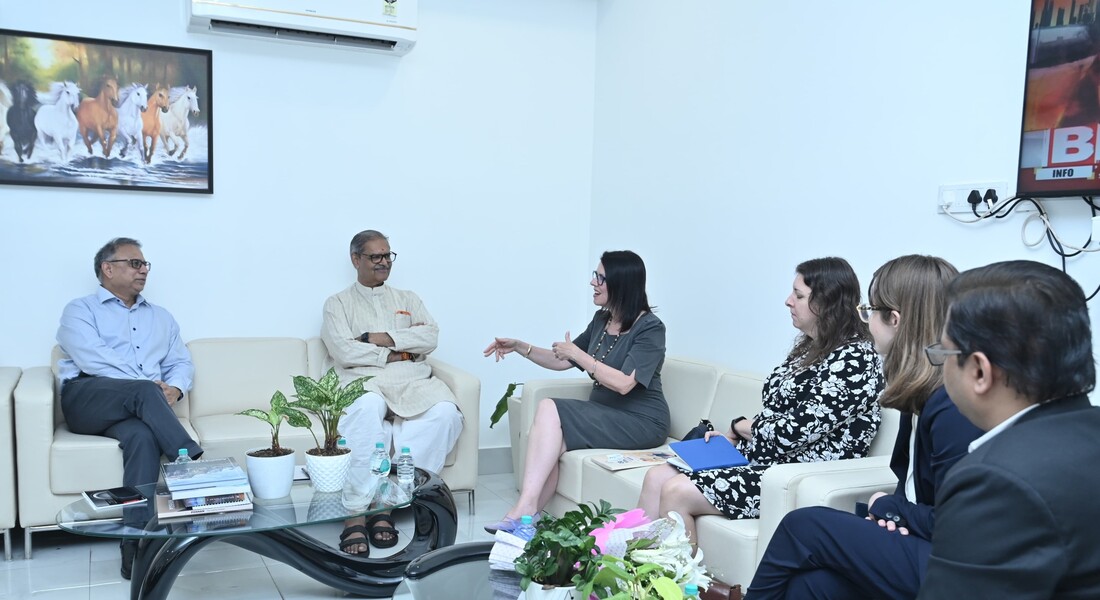
Bhubaneswar: In a move aimed at deepening international collaboration, US Consul General Laura Williams has met Odisha Deputy Chief Minister Kanak Vardhan Singh Deo at Lokseva Bhavan, with discussions spanning clean energy, advanced technology, and tourism.

The meeting placed strong emphasis on Odisha’s transition towards sustainable energy. Singh Deo outlined the state’s expanding renewable energy portfolio, including Pumped Storage Projects, and stressed the importance of integrating Battery Energy Storage Systems with solar and grid infrastructure to ensure a reliable power supply during peak demand.

On the technology front, both sides explored opportunities in semiconductor manufacturing, including India’s emerging 3D glass chip initiatives. Discussions also covered plans to strengthen digital infrastructure through data centres and underground cabling, as well as the potential of rare earth resources along the Odisha coastline.

Supply chain efficiency and logistics capabilities in the region were also highlighted, along with the need to support mature startups with funding to scale innovation. The maritime sector emerged as another area of strategic interest, reflecting Odisha’s growing importance in coastal and trade-linked development.

Beyond industry, the meeting underscored cultural and tourism cooperation. The deputy chief minister showcased Odisha’s national parks, wildlife sanctuaries, and cultural heritage, while also highlighting the state’s support for sports development. The US envoy commended Odisha’s resilience, particularly its effective power restoration efforts in the aftermath of cyclones.

As a gesture of goodwill, the Consul General was presented with a book on Odisha’s cultural legacy. Senior officials, including Energy ACS Vishal Kumar Dev and Agriculture Commissioner-cum-Secretary Sachin Ramchandra Jadhav, were present during the meeting.

The interaction signals growing interest in strengthening Odisha’s global partnerships across energy, technology, and cultural exchange.