At IndiaVerve, we go beyond the noise to bring you meaningful stories of change, resilience and progress—from India to the world stage. Our mission is to bring readers credible, wide-ranging coverage across politics, business, sports, culture, society and more.

Will encourage King Charles to return Kohinoor to India, says NYC Mayor Mamdani

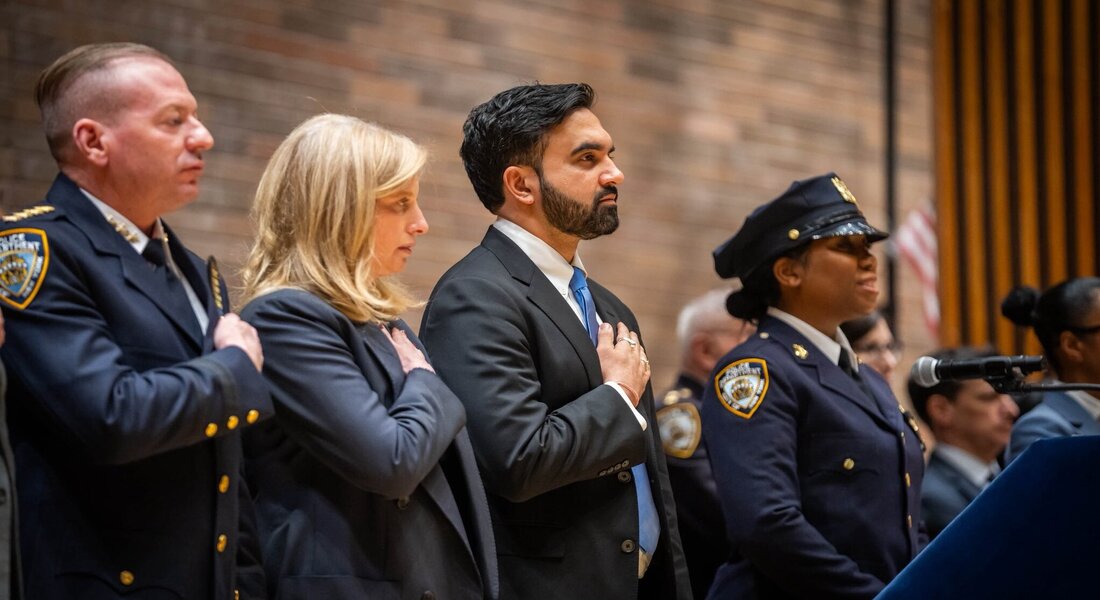
New Delhi: New York City Mayor Zohran Mamdani has said he would “encourage” King Charles III to return the Kohinoor diamond to India, bringing renewed attention to a long-standing historical and political dispute linked to Britain’s colonial past.

The remarks came during King Charles’s visit to New York, where he attended a wreath-laying ceremony at the World Trade Center to honour victims of the 9/11 attacks. While Mamdani was present at the public event, his office clarified in advance that he would not hold a private meeting with the British monarch. “The mayor will not meet privately with King Charles. But the mayor will be at the wreath laying ceremony today,” his press secretary Joe Calvello said in a statement.

According to The Guardian, when asked what he would say if he had a separate interaction with the King, Mamdani stated, “If I was to speak to the king separately from that, I would probably encourage him to return the Koh-i-Noor diamond.” His comment adds to ongoing global discussions around the restitution of cultural artefacts acquired during colonial rule.

The Kohinoor, a diamond weighing over 100 carats, has been a subject of dispute since it came into British possession in the 19th century. It was formally presented to Queen Victoria in 1850 after the annexation of Punjab by the East India Company. Historical accounts indicate that it was taken from Maharaja Duleep Singh, who was a minor at the time. Today, the diamond forms part of the British Crown Jewels.

India has repeatedly called for the return of the Kohinoor, describing it as a significant cultural artefact with deep historical roots. The diamond’s continued presence in the United Kingdom is widely viewed in India as a reminder of colonial-era extraction and injustice. Over centuries, it has passed through the hands of Mughal emperors, Persian rulers, Afghan leaders, and Sikh royalty before reaching Britain.

During the visit, King Charles and Queen Camilla were accompanied by former New York mayor Michael Bloomberg at the memorial site. Despite earlier indications of distance, the British monarch and Mamdani briefly interacted, exchanging greetings and appearing cordial during a short conversation.

Buckingham Palace, The Guardian reported, has not commented on Mamdani’s remarks or the broader issue of returning the Kohinoor diamond. The debate, however, continues to resonate strongly, reflecting enduring questions around historical accountability and cultural restitution.

Nepal Airlines apologises after incorrect India map sparks backlash

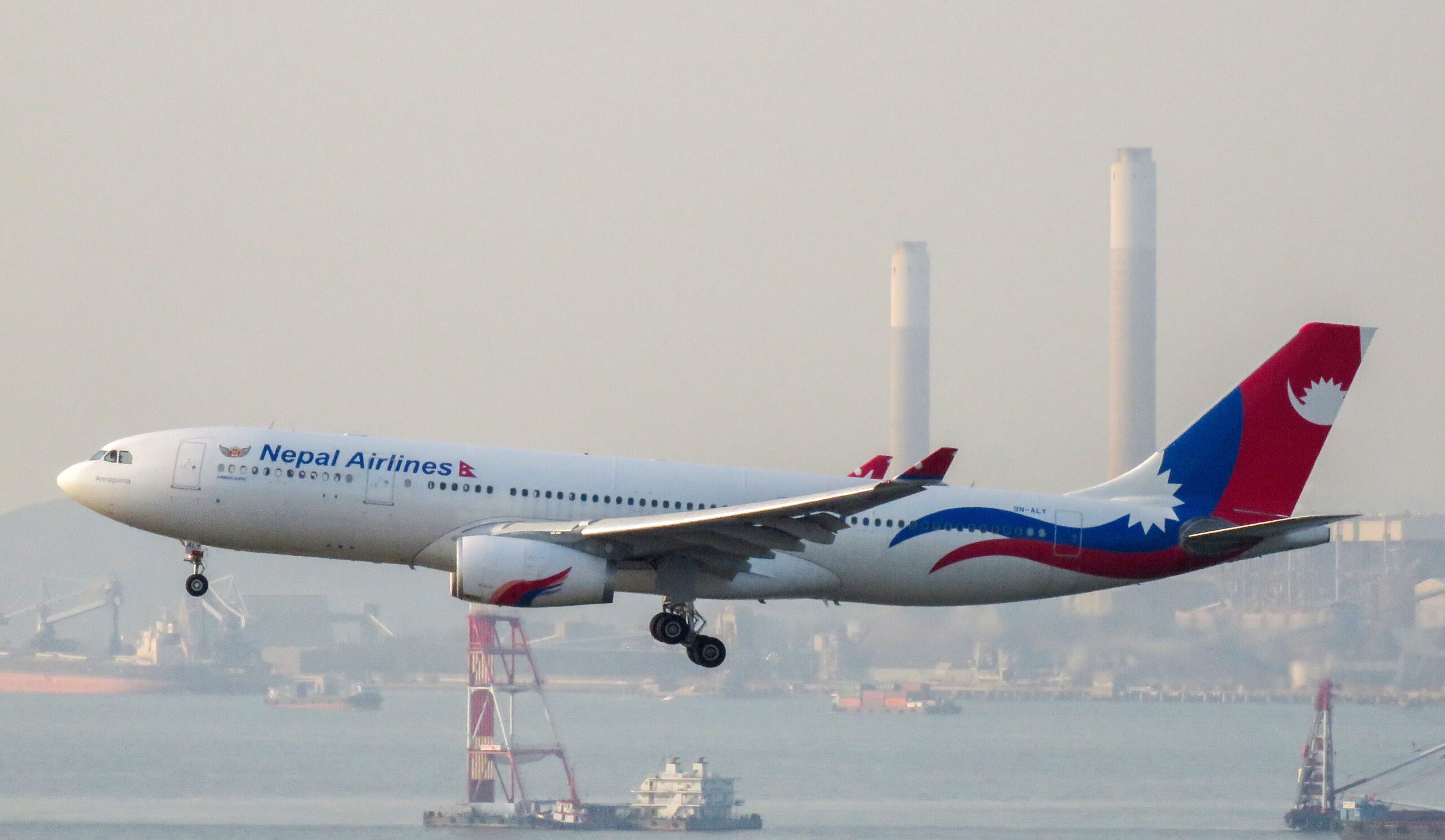
New Delhi: Nepal Airlines has issued a public apology after an inaccurate map shared on its social media platforms triggered criticism in India, with the airline acknowledging serious errors in the depiction of international boundaries.

The controversy arose after a “network map” posted online appeared to show the entire Jammu and Kashmir region as part of Pakistan. The error drew swift reactions, prompting the carrier to clarify that the map did not reflect the official position of either the Nepal government or the airline.

In a statement posted on X, Nepal Airlines expressed regret over the lapse, stating that the visual contained significant cartographic inaccuracies and had been shared inadvertently. The airline said it takes the matter seriously and apologised for the mistake.

It added: “We have immediately removed the post and are conducting an internal review to ensure our materials meet the highest standards of accuracy. We deeply value our strong relationships with our neighbours and friends in the region and regret any offense the post has caused.”

The issue also drew reactions from public figures, with Bhojpuri actor Khesari Lal Yadav alleging that the alteration of India’s map was deliberate and calling for an explanation from the airline.

The incident quickly gained traction online, with several Indian users criticising both Nepal Airlines and the broader handling of the issue. Some users pointed to India’s longstanding economic and developmental support to Nepal, arguing that such errors could affect bilateral goodwill. Others suggested that the controversy reflects a recurring strain in messaging from Nepal’s current political leadership towards India.

The episode highlights the sensitivity surrounding territorial representation and the potential diplomatic fallout that can arise from inaccuracies in official or semi-official communications.

SAIL’s Rourkela plant posts record Rs 3,325 crore marketing revenue on strong sales push

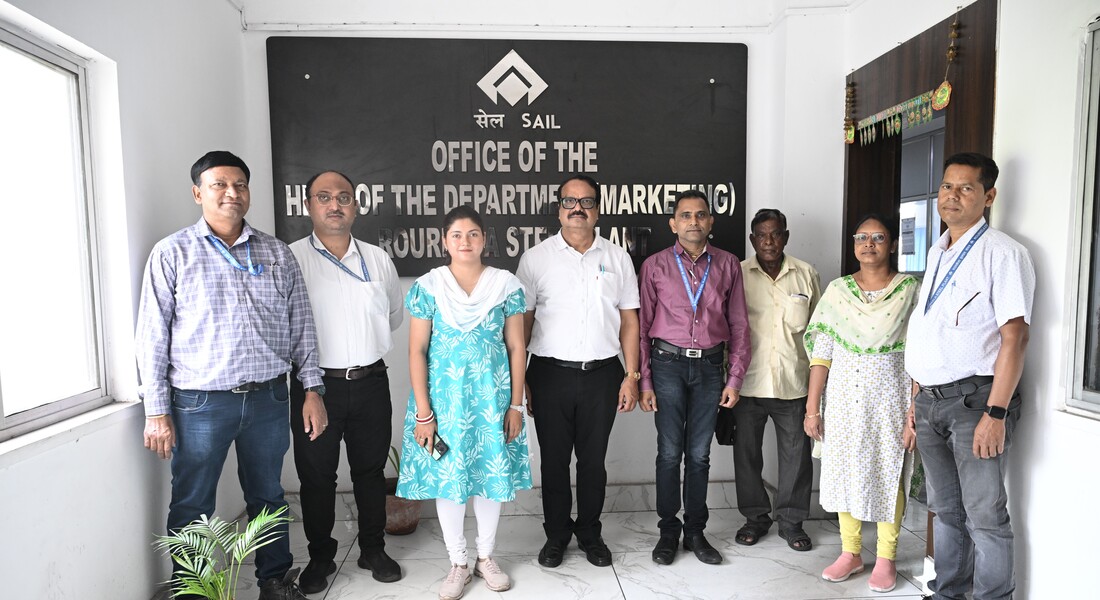
Bhubaneswar: The Marketing Department of Steel Authority of India Limited’s (SAIL) Rourkela Steel Plant has posted its highest-ever revenue performance, collecting around Rs 3,325 crore and setting a new benchmark for the public sector steel major.

The record-breaking figure was driven by a combination of strategic sales planning and improved operational efficiencies, with strong growth recorded across key product segments in comparison to the previous financial year. Iron and steel led the surge, contributing Rs 466 crore – marking a sharp 39% increase.

Coal chemical items added Rs 386 crore with an 8% rise, while waste products generated Rs 298 crore, up 7%. The Special Plate Plant segment also maintained steady growth, contributing Rs 301 crore, according to an official release.

A series of process-led reforms played a crucial role in this performance. The department fully transitioned to paperless operations and completed the digitalisation of mine marketing functions within the SAP system, significantly improving workflow efficiency and transparency. In addition, innovative monetisation strategies helped unlock value from by-products, including a record Rs 51 crore revenue from BOF slag sales.

Notably, the price realisation for LD sludge – a by-product of the steelmaking process – witnessed a substantial jump, rising from Rs 335 per tonne to Rs 1,122 per tonne, a 235% increase. This shift underlined the plant’s focus on maximising returns from process waste through better market positioning.

The department also demonstrated agility in handling logistical constraints. Faced with acute rake shortages, it managed to clear excess blast furnace granulated slag within a span of two to three months, averting a potential operational bottleneck.

The milestone underscores Rourkela Steel Plant’s growing strength in market-driven operations and its ability to align sustainability with profitability, reinforcing its position within SAIL’s overall business strategy.

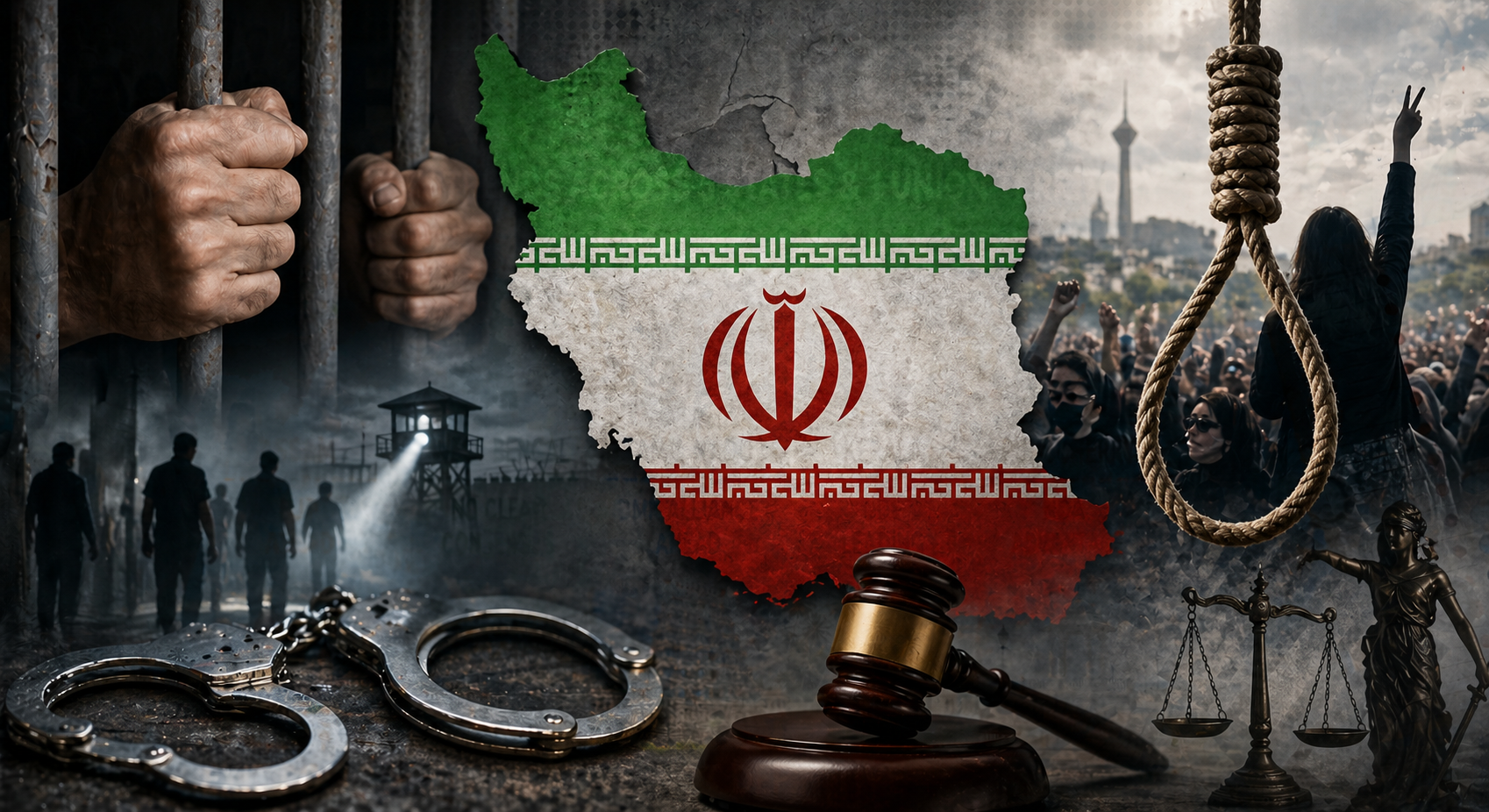
UN rights chief warns of intensifying crackdown in Iran

New Delhi: The Office of the United Nations High Commissioner for Human Rights (OHCHR) has raised serious concerns over what it described as an escalating crackdown on dissent in Iran, with UN High Commissioner for Human Rights Volker Türk warning of widespread violations amid ongoing conflict.

According to the UN rights office, at least 21 individuals have been executed and more than 4,000 people arrested on national security-related charges in recent weeks. Those executed include individuals linked to protests, alleged opposition group members and persons accused of espionage.

Türk on Wednesday expressed deep concern over the situation, stating, “I am appalled that – on top of the already severe impacts of the conflict – the rights of the Iranian people continue to be stripped from them by the authorities, in harsh and brutal ways.”

He emphasised that even during conflict, fundamental rights must be upheld. “In times of war, threats to human rights increase exponentially,” Türk said, adding that core protections such as the right against arbitrary detention and the right to a fair trial “must be respected absolutely, at all times.”

The UN rights chief called on Iranian authorities to immediately halt executions and ensure due process. “I call on the authorities to halt all further executions, establish a moratorium on the use of capital punishment, fully ensure due process and fair trial guarantees, and immediately release those arbitrarily detained,” he said.

The report highlighted that Iran’s broad interpretation of national security laws has placed many individuals, including minors, at risk of capital punishment. Concerns have also been raised over expedited trials, denial of legal representation, and reports of torture and coerced confessions. Some verdicts against protesters were reportedly based on forced confessions.

The situation in detention facilities has also drawn alarm. Türk noted that “conditions of detention in Iran’s prisons are dire,” citing overcrowding and shortages of food, water, hygiene supplies and medical care.

Particular concern has been expressed over the health of Nobel Peace Prize laureate Narges Mohammadi, whose condition is reportedly deteriorating following a heart attack while in custody. Other detainees have reportedly died under circumstances suggesting possible torture.

The UN also flagged the use of asset confiscation and surveillance tools as part of broader repression. Authorities have reportedly seized assets of hundreds of individuals, including Iranians living abroad, under accusations of supporting hostile activities.

In addition, Iran has imposed a near-total internet shutdown for over 60 days, one of the longest recorded globally. “This is denying people across the country access to vital information, silencing independent voices, and inflicting enormous social and economic harm,” Türk said, urging authorities to restore connectivity immediately.

The UN rights office said the developments underscore the urgent need for adherence to international human rights standards, even in times of conflict, and called for immediate corrective measures to protect fundamental freedoms in Iran.

The broader regional conflict continues to exact a heavy humanitarian toll, particularly on vulnerable populations.

Meanwhile, in Lebanon, children remain among the worst affected by ongoing instability and displacement, with the UNICEF warning that those with disabilities face heightened risks during crises. More than 38,000 individuals are currently receiving assistance under a national disability support programme, including 12,000 families and 17,500 children who have been provided urgent cash aid.

UNICEF stressed that children require not just a pause in hostilities, but sustained protection, stability, and access to education and development opportunities.

The situation has further deteriorated with increasing risks to humanitarian workers and civilians. According to the UN Office for the Coordination of Humanitarian Affairs (OCHA), recent strikes in southern Lebanon killed three civil defence rescue workers responding to earlier casualties, underscoring the dangers faced by emergency personnel.

Attacks on healthcare facilities have risen sharply, with the World Health Organization reporting 149 incidents resulting in 100 deaths and 233 injuries.

Putin-Trump call spotlights Iran war and stalled Ukraine peace push

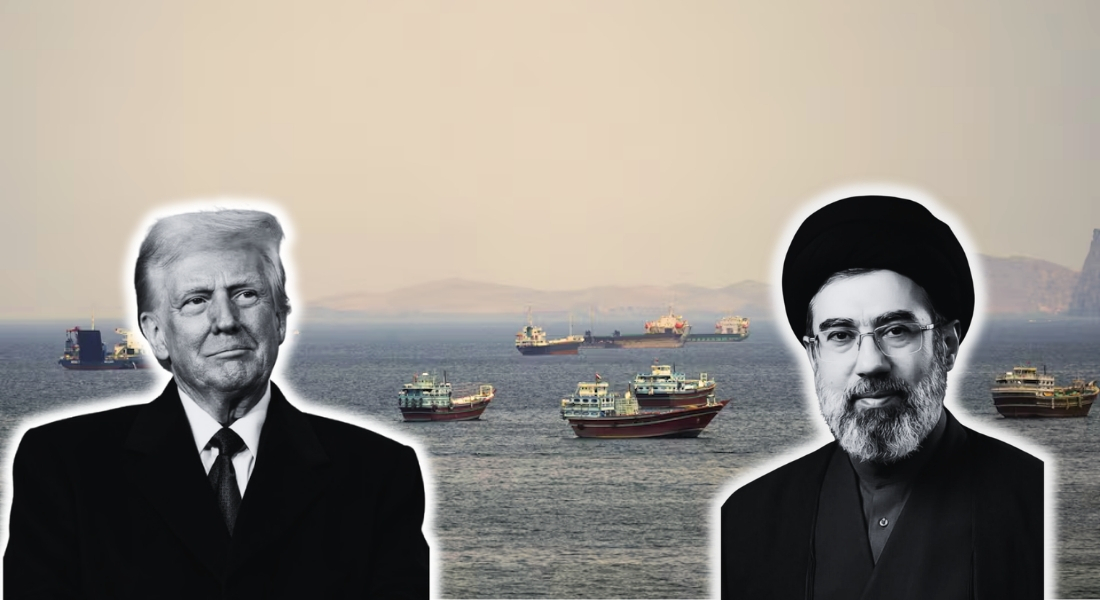
New Delhi: A phone call between Russian President Vladimir Putin and his American counterpart Donald Trump has brought the Iran conflict and the Ukraine war back into overlapping diplomatic focus, even as both crises remain far from resolution.

According to the Kremlin, the conversation, which lasted over 90 minutes, centred on rising tensions in Iran and the ongoing war in Ukraine. Putin conveyed that Moscow considers the possibility of a US ground operation in Iran to be dangerous, while also noting that Washington’s move to extend a ceasefire in the region was a positive step. The details were shared by his foreign policy aide, Yuri Ushakov, according to theguardian.com.

Despite being an ally of Iran, Russia has remained on the margins of formal diplomacy around the conflict. However, Western intelligence assessments have indicated that Moscow continues to provide support, including intelligence inputs and drone capabilities, in the region.

Trump later described the exchange as constructive, noting that he has known Putin for a long time. He also indicated that the Russian leader had suggested taking custody of Iran’s enriched uranium stockpile, though he made it clear his priority remains ending the war in Ukraine with Russian involvement.

The US president maintained that a potential agreement to resolve the Ukraine conflict could be within reach. That assessment, however, contrasts with ground realities, where both sides remain divided on key issues. Moscow has continued to insist on territorial concessions in the Donbas region, a position firmly rejected by Ukrainian President Volodymyr Zelenskyy, keeping negotiations at a standstill.

Meanwhile, developments in Washington reflected the growing domestic debate over the Iran conflict. US Secretary of Defense Pete Hegseth, testifying before the House Armed Services Committee alongside Dan Caine, pushed back against criticism that the conflict was becoming a prolonged entanglement.

He argued that political opposition at home posed a greater challenge than external threats, while seeking approval for a massive increase in defence spending. The Pentagon has estimated that the conflict has already cost the US around USD 25 billion, underscoring the scale of the military engagement.

Together, the diplomatic outreach and domestic debate highlight the complexity of Washington’s position as it navigates simultaneous crises in Iran and Ukraine with limited signs of immediate resolution.

Odisha panchayats shine in Panchayat Progress Index 2023-24

Bhubaneswar: Odisha has delivered a strong performance in the latest Panchayat Progress Index, with multiple panchayats across districts earning top ratings and category-wise recognition for grassroots governance and rural development.

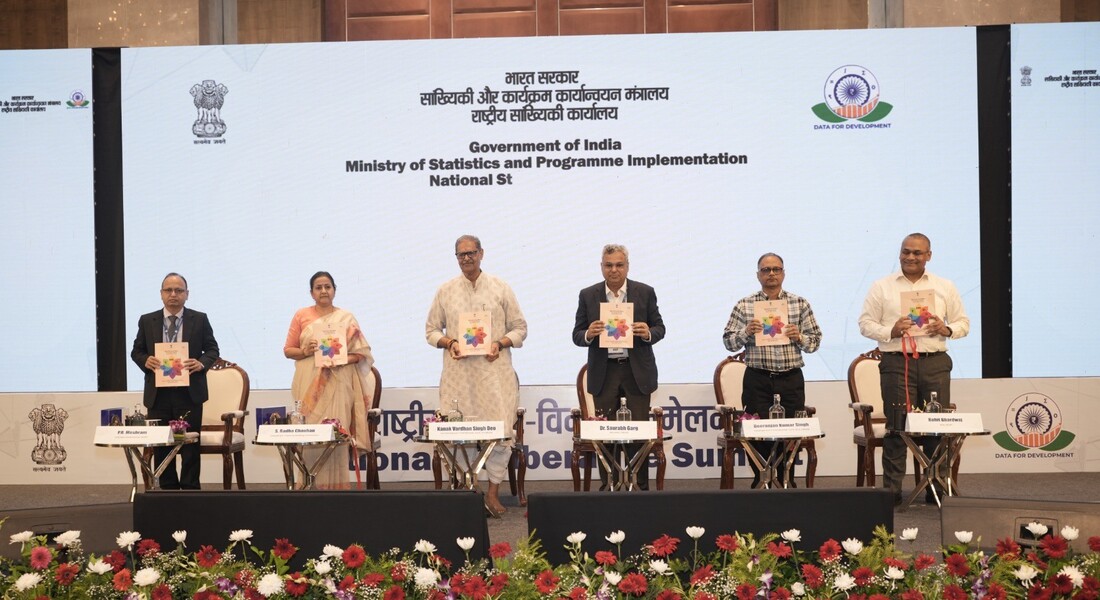
The Ministry of Panchayati Raj released the second edition of the Panchayat Progress Index on the occasion of National Panchayati Raj Day for the financial year 2023-24. The report notes that 3,635 panchayats across India achieved notable progress, with 1,18,824 placed in the “performer” category.

Around 97.30% of panchayats – approximately 2,59,867 – from all states and Union Territories participated, with gradings spread across A, B, C, and D categories, according to an official statement.

Pochilima Panchayat, under the Hinjilicut block in Ganjam district, has emerged as the best overall performer in Odisha, securing an ‘A’ grade. Across Odisha, 555 panchayats fall in the top category, 4,566 in the second, 1,627 in the third, and 46 in the fourth category, reflecting a broad-based performance across regions.

Several panchayats from the state have also excelled in thematic categories. Sohpur Panchayat in the Hinjilicut block of Ganjam district has received an A+ rating for its work in poverty alleviation and in enhancing livelihood opportunities.

Raipur Panchayat under Purushottampur block in Ganjam has been recognised as a top-performing healthy panchayat with an A+ rating, driven by improvements in healthcare access, nutrition awareness, sanitation, and community participation.

Tarpur Panchayat in Raghunathpur block of Jagatsinghpur district has been named the best child-friendly panchayat. In Keonjhar district, Padua Panchayat under Champua block has secured an A+ rating as a water-sufficient panchayat. Hatibandha Panchayat in Lathikata block of Sundargarh district has been recognised as the best clean and green panchayat.

Further, Bhatkumarada Panchayat under Purushottampur block of Ganjam district has earned an A+ rating for self-reliant infrastructure. Mandar Panchayat in Polasara block of Ganjam has been rated ‘A’ for its performance in social equity and social security. Turumu Panchayat under Bhanjanagar block has been acknowledged for good governance, while Gudiapadar Panchayat in Patrapur block has been recognised as the best women-friendly panchayat.

The findings underline Odisha’s strong showing in strengthening grassroots governance and advancing inclusive rural development while contributing significantly to the national performance landscape.