At IndiaVerve, we go beyond the noise to bring you meaningful stories of change, resilience and progress—from India to the world stage. Our mission is to bring readers credible, wide-ranging coverage across politics, business, sports, culture, society and more.

Odisha celebrates International Biodiversity Day, highlights conservation efforts

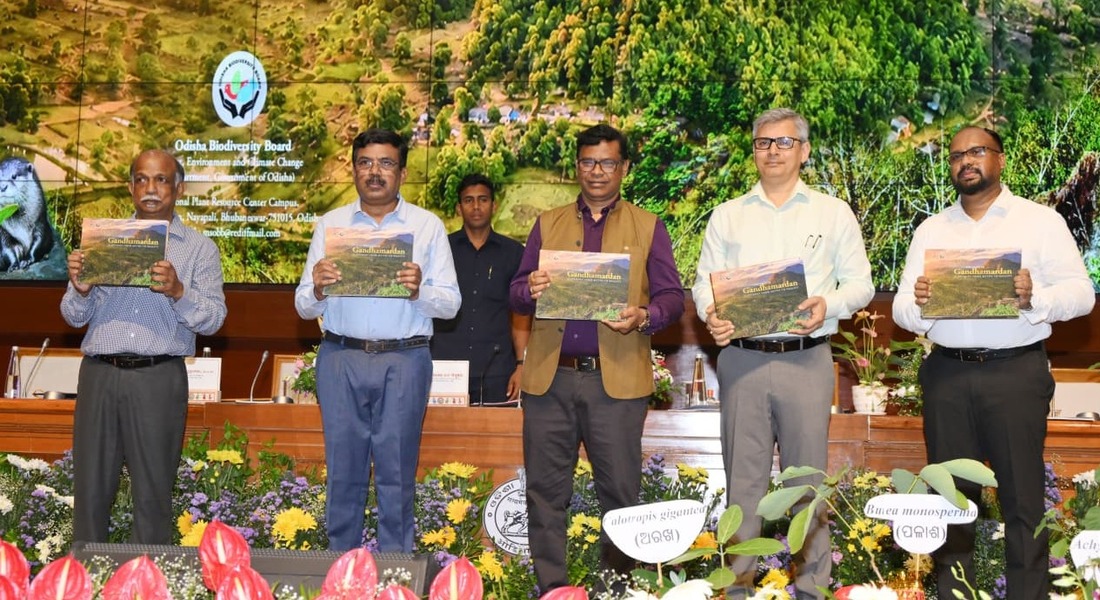
Bhubaneswar: Odisha on Friday observed the state-level International Day for Biological Diversity in the capital, with the government highlighting its conservation initiatives and stressing community participation in protecting ecosystems.

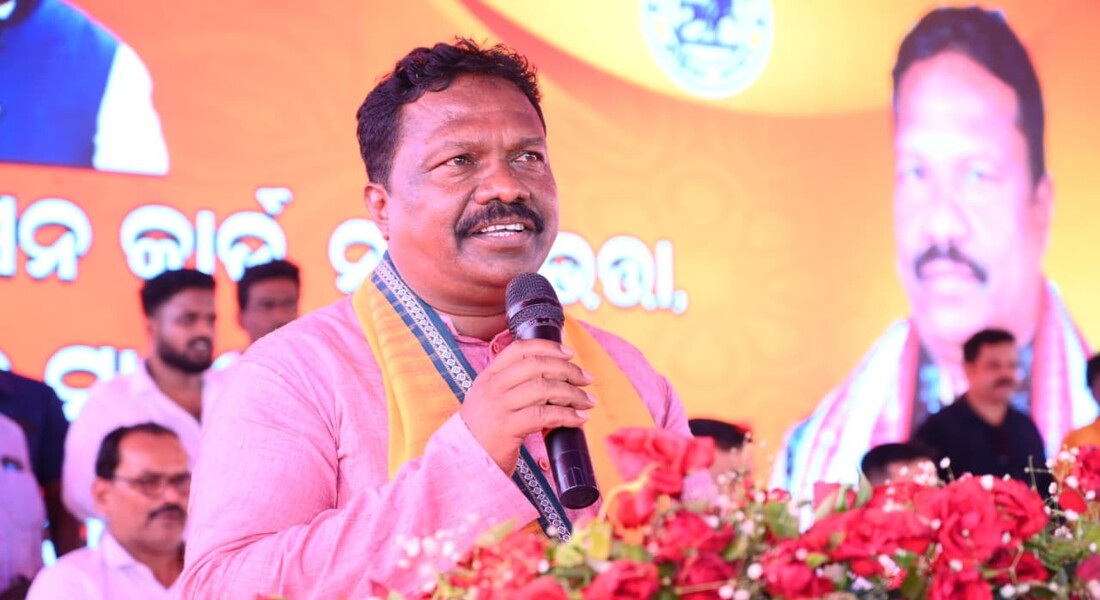
The programme was held at the State Convention Centre in Lok Seva Bhawan under this year’s theme, “Acting Locally for Global Impact.” Forest, Environment & Climate Change and Labour & Employees’ State Insurance Minister Ganesh Ram Singkhuntia attended the event as chief guest.

Addressing the gathering, the minister said Odisha has emerged as one of the country’s leading states in biodiversity conservation. He highlighted key initiatives including tiger conservation, protection of elephant corridors, crocodile breeding programmes, Olive Ridley turtle conservation, mangrove restoration, community-led forest protection and forest fire early warning systems.

Singkhuntia, according to an official release, said these efforts have helped Odisha develop a “people-centric conservation model” by involving communities in environmental protection.

During the programme, winners of debate and painting competitions were felicitated, while eight individuals received the “Guardians of Biodiversity” award and two others were honoured as “Champions of Biodiversity” for their contributions to conservation.

The event also saw the release of four publications, including reports on invasive alien fauna in Odisha wetlands, biodiversity conservation and the Odisha Biodiversity Board’s annual activity report for 2025–26.

A technical session later discussed the future plans of Biodiversity Management Committees across districts. The government also released a ‘PBR Manual’ and a booklet on Local Biodiversity Fund Management Rules.

Senior officials, scientists, researchers, students, biodiversity committee members and environmental stakeholders participated in the programme.
Governor Kambhampati highlights logistics sector’s role at FFFAI meet

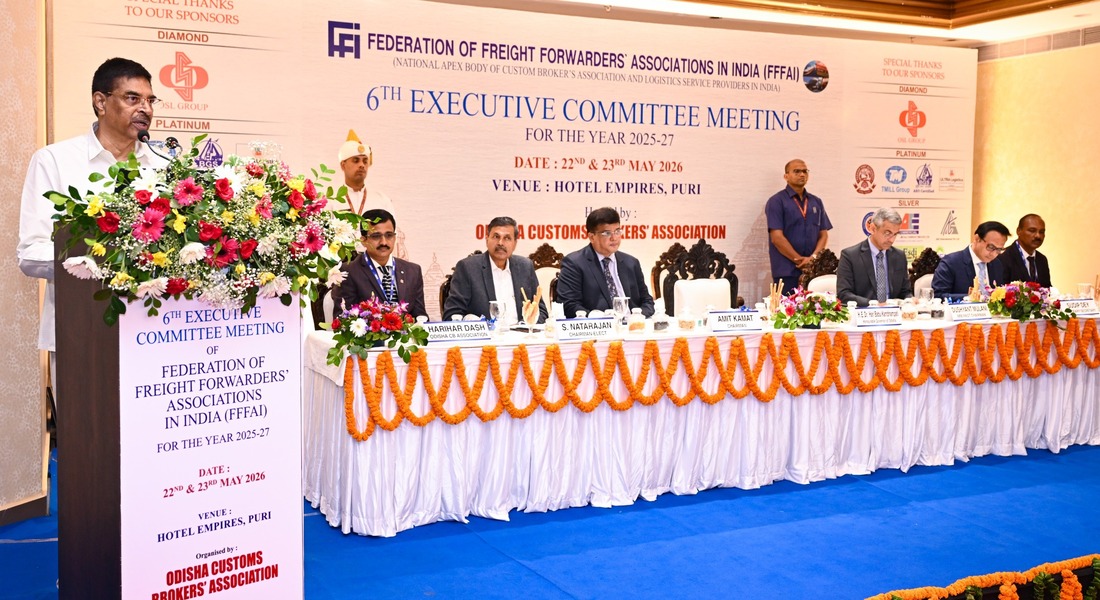
Bhubaneswar: Odisha Governor Dr Hari Babu Kambhampati on Friday underscored the growing importance of the logistics sector in India’s economic transformation while addressing the sixth Executive Committee meeting of the Federation of Freight Forwarders’ Associations in India (FFFAI) in Puri.

The meeting was organised by the Odisha Customs Brokers Association (OCBA), where the Governor attended as chief guest and spoke on the evolving role of logistics in strengthening trade, employment and economic growth.

Highlighting global economic shifts, the Governor said countries that can successfully combine efficient infrastructure, trusted technology and sustainable growth are best positioned to shape the future. He stressed that India’s logistics sector is no longer limited to transporting goods but plays a much wider role in connecting aspirations, empowering businesses, generating employment and strengthening national prosperity.

Kambhampati congratulated FFFAI for its contribution to India’s trade and logistics ecosystem, describing it as a key representative body for customs brokers and freight forwarders across the country. He said the organisation continues to support thousands of professionals and enterprises involved in facilitating international trade.

The Governor also acknowledged the often unseen contribution of freight forwarders and customs brokers, calling them the “silent enablers” of commerce and nation-building. He said their expertise in customs compliance, logistics management, multimodal transportation and trade facilitation helps keep the wheels of the economy moving efficiently.

“At a time when India aspires to become a five-trillion-dollar economy and a global manufacturing hub, organisations like FFFAI have an important role to play,” he said.

Referring to challenges confronting global trade, the Governor pointed to geopolitical tensions, supply chain disruptions, rising freight costs and uncertainties in shipping routes. He emphasised the need for coordinated action, innovation and resilience from both governments and industry stakeholders to address emerging disruptions.

Kambhampati also highlighted several initiatives undertaken by the Government of India to improve logistics efficiency and reduce costs, including the National Logistics Policy, PM Gati Shakti, digital customs processes and the development of alternative trade corridors.

Speaking about Odisha’s strategic position, the Governor said the state is emerging as a major logistics and maritime hub in eastern India. He noted that Odisha’s long coastline and ports such as Paradip, Dhamra and Gopalpur are accelerating industrial growth and connectivity.

The Governor also urged stakeholders to support Prime Minister Narendra Modi’s vision of strengthening India’s economic security. Encouraging greener transport alternatives, he called for wider adoption of electric vehicles, including heavy electric transport systems, citing incentive-based EV charging arrangements at Lok Seva Bhawan as an example of sustainable transition.

FFFAI Chairman Amit Kamath delivered the welcome address at the event, while Odisha Customs Brokers Association president Harihar Das proposed the vote of thanks.

Govt holds high-level meeting for smooth conduct of Rath Yatra

Bhubaneswar: The Odisha government on Friday held a high-level meeting to review preparations for the smooth and disciplined conduct of this year’s Rath Yatra and associated rituals of Lord Jagannath in Puri, with Law Minister Prithviraj Harichandan emphasising coordinated efforts among all stakeholders.

Chairing the meeting at the State Guest House in Bhubaneswar, Harichandan said the annual festivals and rituals associated with Lord Jagannath are deeply connected with the emotions and faith of devotees in Odisha and across the world. He stressed the need for seamless coordination among government departments, district and police administrations, servitors and temple bodies to ensure orderly celebrations.

The minister said special focus is being placed on the smooth organisation of all major events beginning from Snana Yatra and extending up to Niladri Bije, including Rath Yatra, Adapa Mandap Bije, Bahuda Yatra, Suna Besha and Adharapana.

During the meeting, discussions were held with representatives of the Shree Jagannath Temple Administration (SJTA), Puri district administration, district police, Daitapati Nijog and other concerned agencies regarding measures for the disciplined conduct of rituals and public arrangements.

Officials reviewed plans to ensure timely conduct of key rituals and events such as Pahandi, chariot pulling and Adapa Mandap rituals. The meeting also focused on crowd management, security arrangements, orderly darshan, advance dissemination of ritual schedules and improved facilities for devotees.

The state government also discussed deploying special barricading arrangements at critical locations to manage crowds and creating greater awareness among servitors, temple functionaries and police personnel regarding their responsibilities during the festival period.

Shree Jagannath Temple Administration Chief Administrator Dr Aravind Kumar Padhee briefed the meeting on preparatory arrangements already underway, including procurement and availability of essential materials required for Rath Yatra and temple rituals. These include wood for chariot construction, ropes, chariot fabric and ritual items such as incense and sandalwood.

Senior officials present at the meeting included Law Department Principal Secretary Dr Pavitra Mohan Samal, Puri Collector Divyajyoti Parida, Superintendent of Police Prateek Singh, Daitapati Nijog president Ganesh Das Mahapatra and general secretary Ramakrishna Das Mahapatra, along with senior officers from the Law Department, Puri administration and temple bodies

RBI board approves record Rs 2.86 lakh crore surplus transfer to Centre for FY26

New Delhi: The Central Board of the Reserve Bank of India (RBI) on Friday approved a surplus transfer of Rs 2,86,588.46 crore to the Central government for the financial year 2025-26, marking one of the highest payouts by the country’s central bank.

The decision was taken during the 623rd meeting of the Central Board held in Mumbai under the chairmanship of RBI Governor Sanjay Malhotra. The meeting reviewed the global and domestic economic environment, including risks affecting the broader outlook, while also examining the central bank’s annual accounts for FY26, the RBI said in a press release.

According to the RBI, the bank’s gross income for FY26 registered a rise of 26.42% compared to the previous financial year. Expenditure before risk provisions also increased by 27.60% during the same period.

The central bank reported net income of Rs 3,95,972.10 crore before risk provisioning and statutory transfers for FY26, compared with Rs 3,13,455.77 crore recorded in FY25. The RBI’s balance sheet size expanded by 20.61% year-on-year to Rs 91,97,121.08 crore as of March 31, 2026.

The board also reviewed the revised Economic Capital Framework, which allows the Contingent Risk Buffer to remain within a range of 4.5% to 7.5% of the RBI’s balance sheet size. Taking into account prevailing macroeconomic conditions, the RBI’s financial performance, and the need to maintain adequate risk buffers, the Central Board approved a transfer of Rs 1,09,379.64 crore towards the Contingent Risk Buffer for FY26. This is significantly higher than the Rs 44,861.70 crore allocated in the previous financial year.

Following the allocation, the Contingent Risk Buffer has been maintained at 6.5% of the RBI’s balance sheet size.

The higher surplus transfer is expected to provide additional fiscal space to the Central government at a time when policymakers are balancing growth priorities, infrastructure spending, and fiscal consolidation targets.

Six killed, four injured in bus-autorickshaw collision in Odisha’s Ganjam

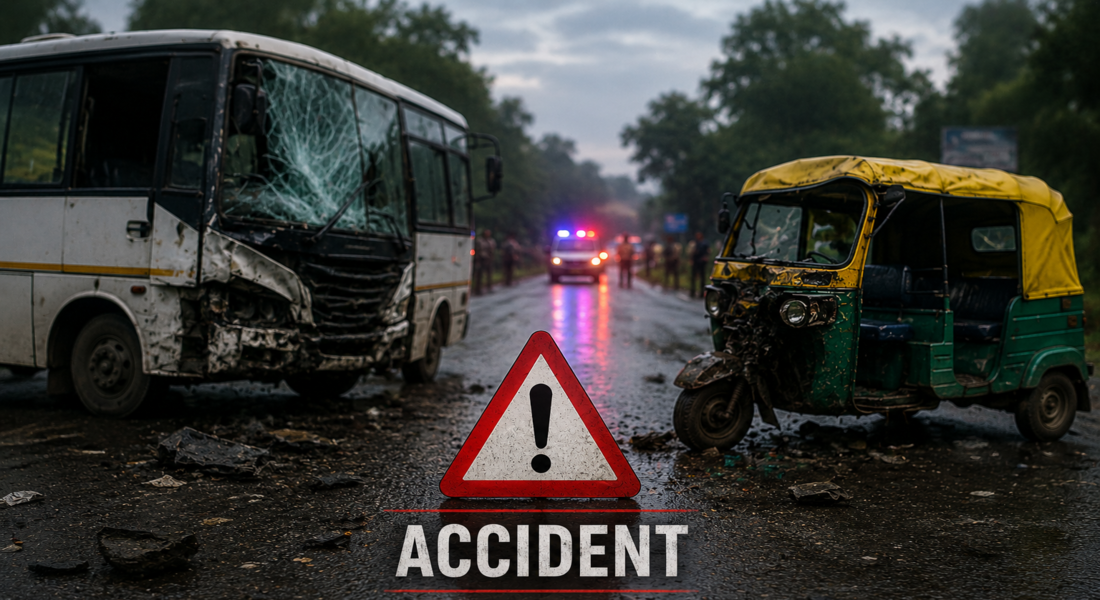
Bhubaneswar: At least six people lost their lives, and four others sustained injuries after a passenger bus collided with an autorickshaw in Ganjam district on Friday, police officials said.

The accident took place near Ladkapalli Square under the jurisdiction of Purushottampur police station when the bus reportedly crashed into the three-wheeler carrying passengers, according to reports.

According to police, three people died at the accident site, while three others later succumbed to injuries during treatment at a hospital. All the deceased were travelling in the autorickshaw at the time of the collision.

Officials said four injured passengers were initially taken to Kodala Community Health Centre for treatment before being shifted to MKCG Medical College and Hospital in Berhampur for advanced medical care.

Preliminary investigation revealed that the bus was travelling towards Berhampur from Purushottampur, while the autorickshaw was heading towards the Maa Singhasini temple when the accident occurred.

Police said the bus driver fled the scene shortly after the crash, and efforts are underway to locate and apprehend him. Both the passenger bus and the damaged autorickshaw have been seized as part of the investigation.

Meanwhile, Chief Minister Mohan Charan Majhi expressed grief over the loss of lives in the accident and conveyed condolences to the bereaved families.

The CM also announced financial assistance of Rs 4 lakh each from the Chief Minister’s Relief Fund for the next of kin of the deceased.

He further directed officials to ensure proper treatment for the injured and wished them a speedy recovery.

Indian Railways steps up AI-based security surveillance across rail network

New Delhi: Indian Railways has intensified its nationwide security preparedness by expanding the use of Artificial Intelligence (AI), drones, CCTV surveillance, and cyber monitoring systems following recent incidents that raised concerns over railway safety and the role of anti-social elements.

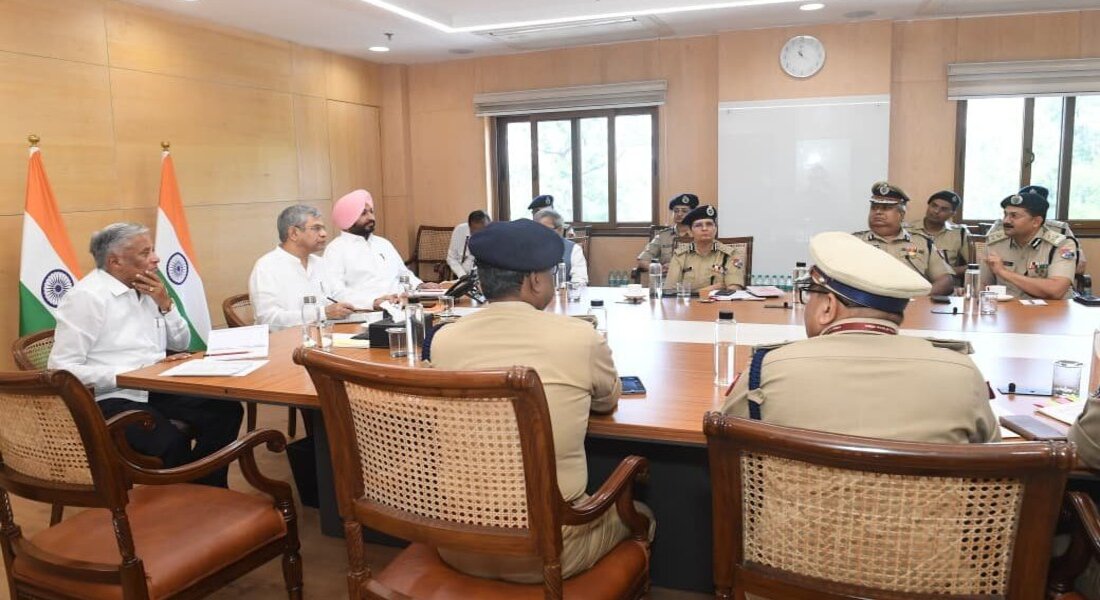
The issue was discussed during a high-level security review meeting chaired by Railway Minister Ashwini Vaishnaw at Rail Bhawan in New Delhi. Ministers of State for Railways V. Somanna and Ravneet Singh Bittu, along with senior Railway Board officials and field officers from across the country, attended the meeting, according to an official statement.

During the review, officials noted that preliminary investigations into several recent railway-related incidents, including some fire cases, have pointed towards the involvement of anti-social elements. Railway authorities said the incidents are being treated seriously and investigations by the Railway Protection Force are currently underway.

The ministry stated that in multiple cases, timely intervention and rapid response by railway personnel helped prevent larger mishaps. Officials stressed the need for stronger intelligence collection at the ground level and faster processing of security inputs through technology-based systems.

As part of the enhanced security strategy, Indian Railways is now focusing on expanding AI-enabled surveillance systems, improving camera quality, increasing CCTV coverage, and strengthening cybersecurity infrastructure across the rail network. The review also highlighted the need for better operational coordination between the Railway Board headquarters and field-level railway zones.

The meeting further discussed improving information-sharing mechanisms between the Railway Protection Force and Government Railway Police to ensure quicker response and more effective security management across stations and railway routes.

Railways have also appealed to passengers to remain alert during journeys and at station premises. Authorities have urged travellers to immediately report any suspicious objects, activities, or persons through the railway helpline number 139.

Officials said the security strengthening exercise is being carried out in mission mode as part of a broader effort to safeguard trains, passengers, stations, and critical railway infrastructure across the country.

Odisha targets piped water access for every village by March 2027

Bhubaneswar: The Odisha government has intensified efforts to strengthen rural drinking water infrastructure and ensure long-term water security across the state, with a target of providing piped water access to every family and village by March 2027.

The details were shared by Panchayati Raj and Drinking Water Minister Rabi Narayan Naik on Thursday, while outlining the government’s ongoing initiatives to address water scarcity and improve safe drinking water supply in rural areas.

The minister said the government has undertaken large-scale measures to make villages water-secure and provide a permanent solution to drinking water shortages.

According to him, 18,552 single village schemes and 6,369 solar-powered piped water supply projects have already been completed to ensure safe drinking water in rural regions. In addition, 37,876 new tube wells have been approved in different parts of the state to tackle local water-related issues.

To deal with seasonal shortages during the ongoing summer, the government has also deployed 629 water tankers in water scarcity-prone areas. Besides this, 8,281 water kiosks have been opened at various locations to provide drinking water support to residents, the minister said in a series of posts on X.

Naik stated that 20,875 villages have so far been brought under piped water supply coverage, while another 7,042 villages are receiving water through stand post systems. He said the government is giving priority to strengthening water infrastructure in rural Odisha through the rapid execution of mega piped water supply projects.

Out of 207 mega water supply projects planned across the state, 33 projects have already been completed and are currently supplying piped drinking water to 2,402 villages. The government expects another 14 mega projects to be completed by the end of this month, which will extend water supply benefits to an additional 1,331 villages.

Naik further said 35 mega projects that are partially operational are presently supplying water to 3,210 villages. He added that all these projects are expected to become fully functional by the end of September this year.

The minister said that until 2024, only three out of the 207 water projects had been completed, and people were not receiving proper benefits from them. He claimed that the current government has completed 33 projects within a record period and is now successfully delivering purified drinking water through piped connections.

The minister said providing clean and safe drinking water to rural residents remains one of the government’s highest priorities. He added that thousands of villages are now receiving safe water through mega piped water supply projects, single village schemes and solar-based initiatives as part of the state’s broader rural development push.

Odisha government announces fuel-saving measures amid West Asia situation

Bhubaneswar: The Odisha government has issued a comprehensive set of measures to reduce petrol and diesel consumption within the state administration, in view of the prevailing situation in West Asia and concerns over fuel expenditure.

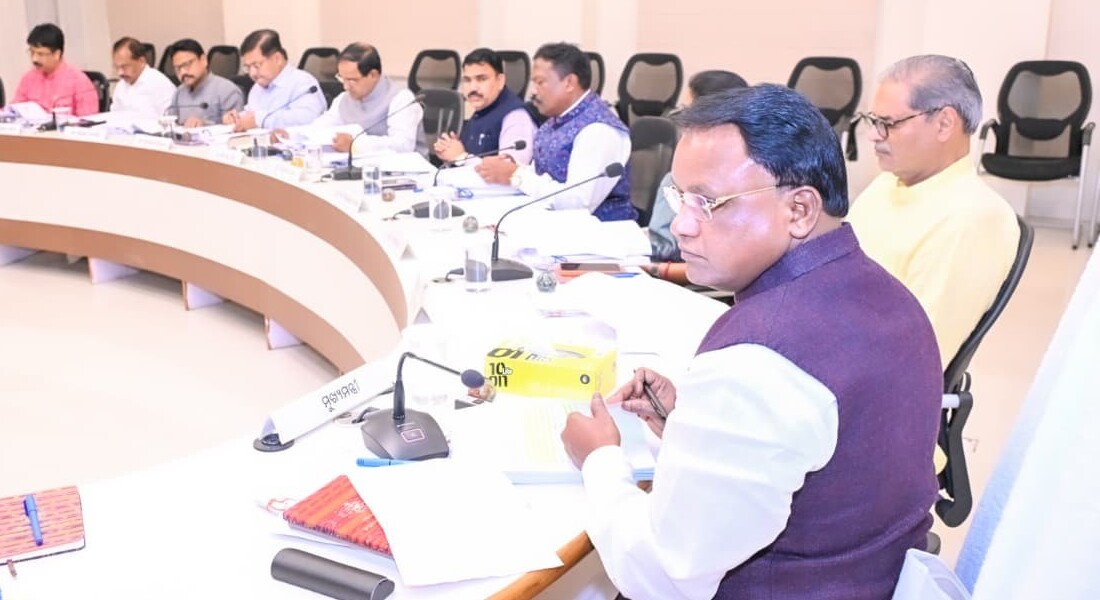
Chief Minister Mohan Charan Majhi has directed all government departments, institutions, and state-run organisations to implement the new guidelines across all administrative levels strictly.

According to the directives issued by the CM, government meetings, review sessions, training programmes, and workshops will largely be shifted to virtual mode unless physical presence is considered necessary. In cases where in-person participation cannot be avoided, only officials and employees whose presence is essential will attend physically, while others will join through virtual platforms.

The state government has also decided to promote the use of electric vehicles across government offices. From June 1, 2026, all newly purchased two-wheelers and four-wheelers for government use will have to be electric vehicles. Petrol and diesel vehicles will only be permitted under special circumstances and subject to approval. The government has further made it mandatory for all four-wheelers hired on rent for official purposes after June 1 to be electric vehicles.

In another significant move, senior officers who have been provided government vehicles for official use will now be encouraged to adopt carpooling arrangements. Under the new system, officers travelling on similar routes will use a single vehicle for commuting. The allocation related to government vehicle usage will also be reduced by half accordingly.

The Finance Department has been tasked with preparing detailed guidelines within 15 days regarding the categories of senior officials who will be eligible to use government vehicles individually. The department has also been asked to frame a policy on how officers owning private electric vehicles can use them for official government work.

The new directives further stress the use of public transport for official travel. Officers and government employees travelling to distant locations on official duty have been instructed to use buses or trains instead of separate official vehicles wherever possible.

To support daily commuting needs, the state government has also proposed the introduction of electric buses and minibuses in areas where large numbers of government employees reside. The initiative is aimed at reducing dependence on fuel-powered vehicles while improving shared transportation facilities for staff.

Majhi has additionally instructed all government offices to take planned and effective steps to ensure that monthly petrol and diesel consumption linked to government vehicle operations is reduced by at least 10%.

The directions will be applicable across the entire state administrative structure, including the State Secretariat, government departments, sub-divisional offices, tehsil and block-level offices, as well as government undertakings, universities, institutions and committees functioning under the state government.