At IndiaVerve, we go beyond the noise to bring you meaningful stories of change, resilience and progress—from India to the world stage. Our mission is to bring readers credible, wide-ranging coverage across politics, business, sports, culture, society and more.
At IndiaVerve, we go beyond the noise to bring you meaningful stories of change, resilience and progress—from India to the world stage. Our mission is to bring readers credible, wide-ranging coverage across politics, business, sports, culture, society and more.
New Delhi: Indian chess legend Viswanathan Anand has taken over as Interim President of the International Chess Federation (FIDE) after President Arkady Dvorkovich voluntarily suspended the exercise of his powers following sanctions imposed by the EU.
In a statement, Dvorkovich announced that he was stepping aside with immediate effect to ensure the smooth functioning of FIDE while he remains subject to sanctions under EU and Swiss laws. Under the FIDE Charter, Anand, the federation’s Deputy President and the 15th World Chess Champion, will discharge the responsibilities of the president during this period.
Dvorkovich described the sanctions as “unlawful and unfair” and said he would challenge the decision through all available legal means. He said he was confident that justice would prevail.
He further said the decision to suspend his powers was voluntary and intended to prevent any disruption to FIDE’s governance, tournaments and social programmes.
The FIDE Council accepted and ratified Dvorkovich’s decision, confirming that he will not exercise any presidential powers, duties or prerogatives while the restrictive measures under EU and Swiss regulations remain in force.
The Council also said Dvorkovich would not act as the owner, holder or controller of FIDE or its assets during the period of the sanctions.
Anand will continue as Interim President until the sanctions against Dvorkovich are lifted or the relevant legal restrictions cease to apply, in accordance with the FIDE Charter.
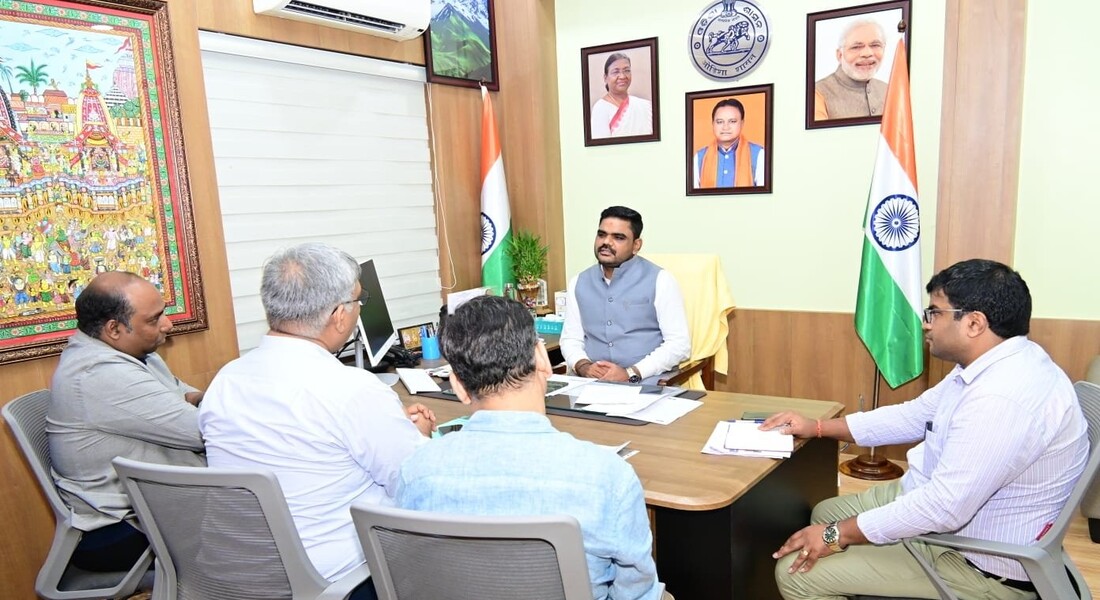
Bhubaneswar: An Odia youth stranded in Saudi Arabia after the expiry of his employment contract will return to India on July 26 following the intervention of Odisha Industries, Skill Development and Technical Education Minister Sampad Chandra Swain.
Pralay Ranjan Mohapatra, a resident of Jagatsinghpur district, had travelled to Saudi Arabia on May 24, 2024, to work as a wheel loader driver with Majd Al-Harbi Co. His contract ended on April 30, 2026, but the company allegedly did not allow him to return to India.
The matter came to the minister’s attention after Pralay’s mother, Pratima Sethi, sought his help in bringing her son back. Swain subsequently wrote to the Ministry of External Affairs and the Indian ambassador in Saudi Arabia, requesting immediate intervention.
Following the minister’s request, the Indian Embassy in Jeddah held discussions with the employer to secure Pralay’s final exit clearance and flight ticket. After continuous follow-up, the company granted the final exit and arranged his travel.
Pralay is scheduled to return to India on July 26.
His prolonged stay in Saudi Arabia had caused distress to his family, especially as his father, Sadhu Charan Sethi, has been unwell. His return has brought relief to the family, which thanked the minister for his efforts in securing his safe return.
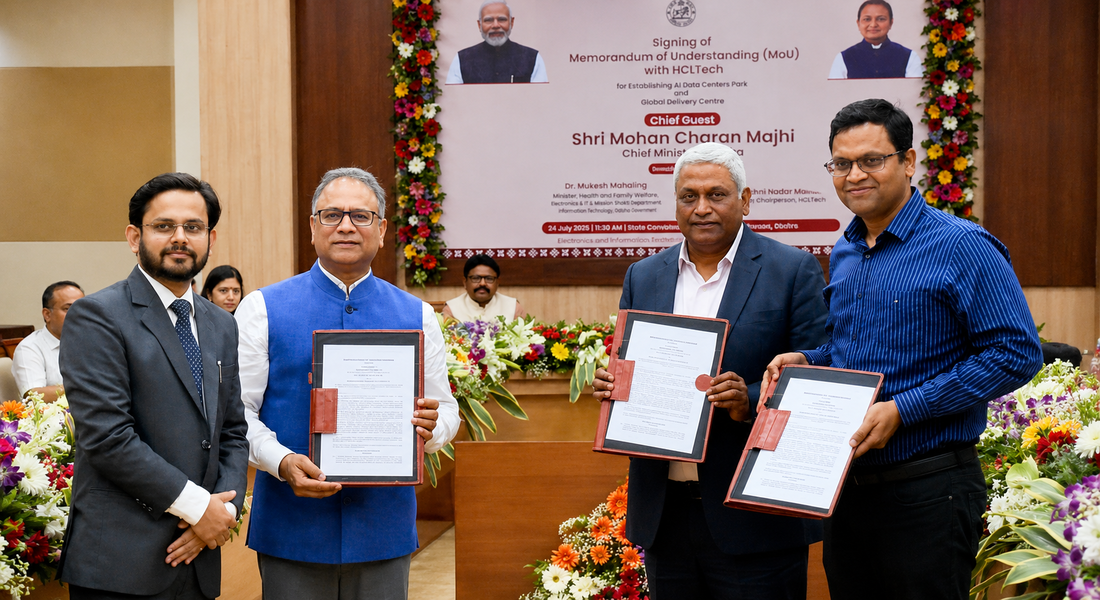
Bhubaneswar: HCLTech on Friday announced plans to invest Rs 14,257 crore to establish its first Artificial Intelligence (AI) Data Center at the upcoming Odisha Sovereign AI Park, in partnership with the government of Odisha and AI startup Sarvam.
The proposed investment, which includes financial assistance from the Odisha government, marks a major step in HCLTech’s entry into the full-stack AI market and aims to strengthen India’s sovereign AI ecosystem.
The AI Data Center will leverage HCLTech’s full-stack AI capabilities and Sarvam’s foundation models to develop sector-specific AI applications for public and private sector enterprises. According to the company, the facility will also address India’s sovereign AI requirements while supporting the delivery of multilingual AI-based services to the last mile.
In a press release, HCLTech said the initiative aligns with Prime Minister Narendra Modi’s vision of making AI accessible for everyone.
A Memorandum of Understanding for the project was signed by HCLTech, the government of Odisha and Sarvam in the presence of Odisha Chief Minister Mohan Charan Majhi, Electronics and IT Minister Mukesh Mahaling, HCLTech Chairperson Roshni Nadar Malhotra, HCLTech CEO and Managing Director C. Vijayakumar and Sarvam Co-Founder Pratyush Kumar.
In a statement, Malhotra said HCLTech has been at the forefront of India’s technology industry and remains committed to supporting the country’s sovereign AI ecosystem through focused investments and strategic partnerships.
She said the company was pleased to begin the initiative in collaboration with the Odisha government and Sarvam.
C. Vijayakumar said the project marked an important milestone in HCLTech’s full-stack AI strategy. He said the investment would help meet the growing demand for sovereign AI solutions while expanding the company’s strategic partnership with Sarvam.
He added that Odisha’s progressive policy environment and strong infrastructure made it an ideal destination for the project.
Sarvam Co-Founder Pratyush Kumar said the Odisha Sovereign AI Park would combine high-performance computing with Indian AI models and real-world applications. He said the partnership with HCLTech would help deliver Sarvam’s full-stack AI capabilities at scale to enterprises and public systems.
HCLTech said India is among the world’s fastest-growing technology markets and continues to witness rapid growth in the data centre sector. It attributed the expansion to increasing demand from the digital economy, data localisation requirements and the need for advanced GPU infrastructure to support AI training and inference workloads.
The proposed AI Data Center is part of HCLTech’s broader strategy to expand its presence in the sovereign AI segment while supporting India’s efforts to build advanced digital infrastructure and indigenous AI capabilities.
Bhubaneswar: A Fast Track Special Court in Angul district on Friday sentenced four persons to 20 years’ rigorous imprisonment each after convicting them in the 2024 sexual assault case involving a 21-year-old woman and a minor girl.
According to an official release, the Additional District and Sessions Judge (Fast Track Special Court), Angul, found all four accused guilty under Section 6 of the Protection of Children from Sexual Offences (POCSO) Act and various provisions of the Bharatiya Nyaya Sanhita (BNS). Besides the prison term, the court also imposed fines under the relevant legal provisions.
According to the police, the incident occurred on August 6, 2024, in Angul district. A case was registered immediately, following which police launched an investigation and arrested four accused — Jitu Sahu, Hrudaya Chandra Pradhan, Asit Kumar Sahu and Dipu alias Dibyaranjan Amanta.
The investigation was conducted by Sub-Inspector Sanghamitra Satpathy under the direct supervision of Angul Superintendent of Police Rahul Jain. The Police said the charge sheet was filed within 59 days of the registration of the case.
According to the official release, the prosecution relied on scientific evidence, witness testimonies and other material collected during the investigation, leading to the conviction of all four accused.
The police said the timely completion of the investigation and prompt filing of the charge sheet helped ensure speedy disposal of the case.
Reiterating its commitment to protecting women and children, the Odisha Police said it continues to follow a zero-tolerance policy towards crimes against women and minors. It added that the verdict reflects its commitment to conducting scientific, victim-centric and evidence-based investigations to ensure offenders are brought to justice and punished in accordance with the law.
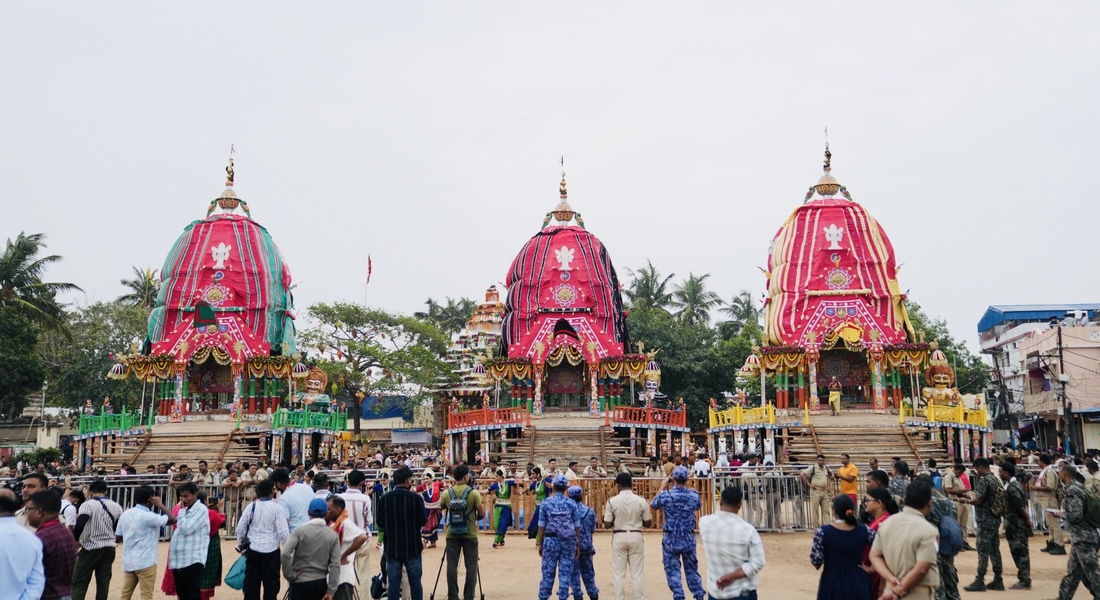
Puri: Lakhs of devotees converged on the holy town of Puri on Friday as the Bahuda Yatra, the return journey of Lord Jagannath, Lord Balabhadra and Devi Subhadra from the Gundicha Temple to the Shree Jagannath Temple, commenced amid elaborate security and administrative arrangements.
The Bahuda Yatra, one of the most significant events of the annual Rath Yatra festival, marks the return of the sibling deities to the 12th-century Srimandir after their week-long stay at the Gundicha Temple. Devotees from across Odisha and different parts of the country began arriving in Puri from the early hours of the day, with the Grand Road (Bada Danda) witnessing a massive influx of pilgrims.
The day’s rituals began at the Gundicha Temple with the traditional Pahandi ceremony, during which the deities were ceremonially brought out and placed on their respective chariots. The Gajapati Maharaja of Puri was scheduled to perform the customary Chhera Pahanra ritual before devotees pull the three chariots towards the Srimandir.
The chariot procession is scheduled to take place between 10 am and 6 pm, with the three majestic chariots travelling along the Grand Road to the Lion’s Gate (Singhadwara) of the temple.
Anticipating one of the largest gatherings of the festival, the Puri district administration, Shree Jagannath Temple Administration (SJTA) and Odisha Police have put in place extensive security, traffic regulation and crowd management measures to ensure the smooth conduct of the event.
Security personnel have been deployed at strategic locations across the town, with special emphasis on regulating pilgrim movement and preventing overcrowding along the chariot route. Multi-layered security, medical assistance centres, emergency response teams, drinking water facilities and public assistance booths have also been established to facilitate devotees.
As part of the traffic management plan, authorities have created 31 dedicated parking zones in and around Puri. These facilities can accommodate around 7,330 light motor vehicles and more than 18,000 two-wheelers. Additional traffic diversions and special arrangements have also been made for vehicles entering the town from the Bhubaneswar side to minimise congestion.
Officials have also expressed concern over weather conditions, with the India Meteorological Department (IMD) forecasting light to moderate rainfall across several parts of Odisha till July 28 under the influence of an active southwest monsoon and a trough line. Authorities have urged devotees to remain cautious and cooperate with officials in case of rain during the procession.
The administration has appealed to pilgrims to follow traffic advisories and security instructions to ensure the safe and orderly conduct of the festival.
One of the most poignant moments of the Bahuda Yatra is the traditional halt of Lord Jagannath’s Nandighosha chariot near the Samadhi Pitha of the 17th-century saint-poet Salabega on the Grand Road.
Salabega, regarded as one of the greatest devotees of Lord Jagannath, was the son of Mughal Subedar Lalbeg and a Hindu mother. According to popular belief, Salabega was unable to reach Puri in time during one Rath Yatra and fervently prayed for a glimpse of the Lord. Moved by his devotion, Lord Jagannath’s chariot is believed to have halted on its own until the poet arrived to offer his prayers.
Centuries later, the tradition continues during every Bahuda Yatra, symbolising the inclusive philosophy of Jagannath culture that transcends barriers of caste, creed and religion. As the Nandighosha chariot pauses briefly before the Salabega shrine, devotees chant hymns and offer prayers, recalling the saint-poet’s timeless devotion to Lord Jagannath.
Members of the Salabega Cultural Council have reportedly made special arrangements at the shrine for the occasion. As per tradition, offerings of flattened rice, fruits and other traditional bhog are made to the deity before being distributed among devotees as prasad. The organisation has also organised voluntary services for pilgrims during the festival.
Following the Bahuda Yatra, the annual Rath Yatra celebrations will continue with the rituals of Suna Besha, Adhara Pana and finally Niladri Bije, when the sibling deities ceremonially re-enter the sanctum sanctorum of the Shree Jagannath Temple, marking the conclusion of the world-famous festival.
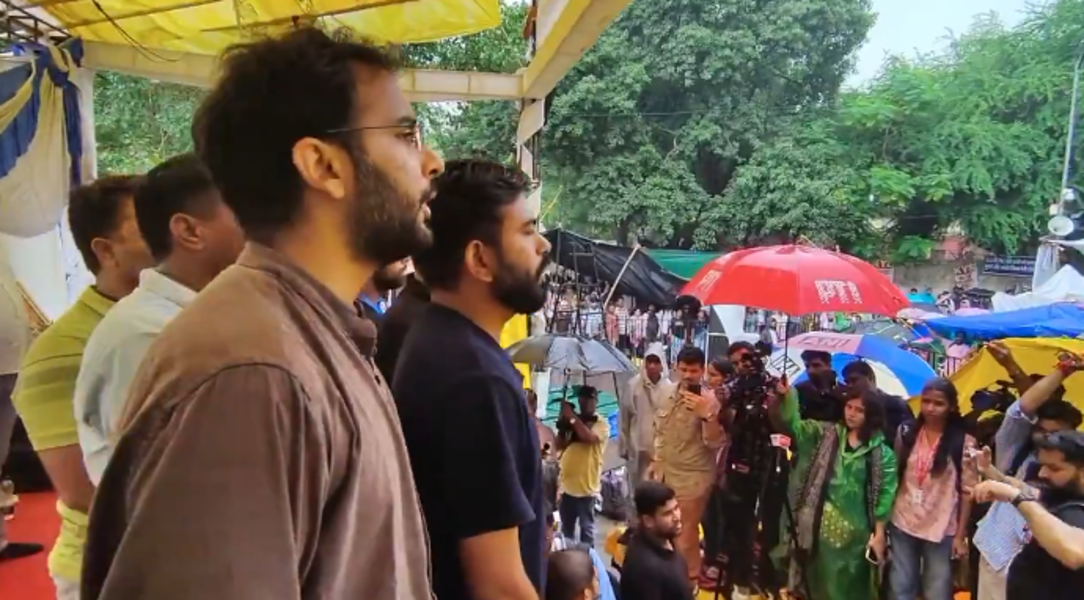
New Delhi: Activist Sonam Wangchuk on Friday ended his 26-day indefinite hunger strike after the Centre gave a series of written assurances, including that no cases would be registered against peaceful protesters and that Parliament would hold a detailed discussion on the alleged NEET paper leak and examination reforms.
Wangchuk broke his fast shortly after midnight at Medanta Hospital in Gurugram in the presence of Union Health Minister J.P. Nadda, Union Minister Jitendra Singh and his wife, bringing to an end a fast that began on June 28 in support of the Cockroach Janta Party’s (CJP) agitation demanding accountability over alleged examination irregularities and the resignation of Union Education Minister Dharmendra Pradhan.
In a video message posted on X, Wangchuk said he ended the fast after “long negotiations” with the government and in view of the possibility of violence if the agitation continued. He said he would later explain the conditions under which he agreed to end the hunger strike.
END OF HUNGER… BEGINNING OF ACCOUNTABILITY…! Sonam Wangchuk ends his fast after 26 days upon getting assurance from the government and members of parliament of all political parties that the issue of accountability in the failing examination system will be discussed on the… pic.twitter.com/0C9YX5VlsL
Sharing the written assurance provided by the government, Wangchuk said the Centre had agreed that no cases would be registered against students and youths who participated peacefully in the protest at Delhi’s Jantar Mantar or in the July 20 march towards Parliament.
“The government also gave assurance that there will be no cases registered against the peacefully protesting students and youths,” Wangchuk said while sharing the document signed by Union ministers.
According to the written assurance, the government has also reiterated its commitment to hold a comprehensive discussion in Parliament on the NEET paper leak and broader examination reforms. It further stated that the Centre is positively considering suitable compensation for the families of students who died by suicide following the controversy over the alleged paper leak.
Wangchuk revealed that securing protection for protesters from legal action had required prolonged negotiations. He had earlier written to the government seeking an unequivocal assurance that no punitive or retaliatory action would be taken against students participating in the movement, a condition he said delayed the end of his fast by two days.
The activist also noted that more than 65 Members of Parliament from different political parties had either met him or appealed to him to end the fast. He thanked the parliamentary representatives as well as Union ministers J.P. Nadda and Jitendra Singh for engaging in discussions.
Wangchuk had lost nearly 11 kg during the 26-day fast. He was shifted from the Jantar Mantar protest site to Safdarjung Hospital by Delhi Police on July 18 before the Delhi High Court directed that he be transferred to a private hospital of his choice after a petition filed by his wife.
Despite Wangchuk ending his fast, the protest at Jantar Mantar continued through the night. Hundreds of supporters remained at the site, with volunteers distributing food, drinking water and hand fans while doctors continued to monitor protesters from a temporary medical camp. Slogans, songs and cultural performances continued as demonstrators reaffirmed their commitment to the movement.
Many protesters were unaware that Wangchuk had ended his fast because mobile internet services remained suspended within a 1.5-km radius of the protest site. Several supporters said they learnt of the development only after leaving the restricted zone and regaining mobile connectivity.
Those who returned to Jantar Mantar after hearing the news said the movement had always been larger than any individual. Protesters maintained that their focus remained on justice for students affected by the alleged examination irregularities and accountability from the government.
CJP founder Abhijeet Dipke welcomed Wangchuk’s decision to end the fast, describing his sacrifice as one that had “awakened the conscience of the nation”. However, he made it clear that the agitation would continue.
“We are relieved and grateful that Sonam sir has ended his hunger strike after 26 days. By putting your own life on the line, you awakened the conscience of an entire nation. The protest at Jantar Mantar will continue till Dharmendra Pradhan resigns,” Dipke said in a post on X.
Hours before Wangchuk ended his fast, Prime Minister Narendra Modi announced what he described as the government’s strongest response yet to the paper leak controversy. In a video message released late Thursday night, the Prime Minister said the Centre was preparing legislation providing for fast-track courts and tougher punishment for those involved in examination paper leaks.
Modi said paper leaks had caused immense distress to lakhs of students and their families and announced that a draft proposal would be placed before the Union Cabinet on Friday before being introduced in Parliament as early as next week.
The Prime Minister also said the government’s immediate priority had been to ensure that students did not lose an academic year. According to him, examinations for around 22 lakh candidates had been conducted within a short period and the results were declared on July 19. He added that several arrests had already been made in connection with the alleged paper leak.
Earlier on Thursday, Modi had also stated in a post on X that nothing was more important than the welfare and future of the country’s youth and announced the decision to establish fast-track courts to deal with paper leak cases.
Leader of Opposition Rahul Gandhi, however, dismissed the Prime Minister’s announcement, arguing that it failed to address the protesters’ principal demand.
“Our students are demanding Dharmendra Pradhan’s resignation. Don’t insult their intelligence with this pathetic midnight video,” Gandhi said in a post on X. He also demanded action against those responsible for the police action on students and an apology from the government.
Meanwhile, the Centre announced a key bureaucratic reshuffle in the education sector. The Appointments Committee of the Cabinet appointed senior IAS officer Naresh Pal Gangwar as Secretary of the Department of Higher Education, replacing Vineet Joshi, who has been transferred as Secretary in the Department of Panchayati Raj.
Although Wangchuk has ended his hunger strike, the CJP has made it clear that the protest at Jantar Mantar will continue until the government accepts its principal demands, including the resignation of Union Education Minister Dharmendra Pradhan and accountability for the alleged examination irregularities.
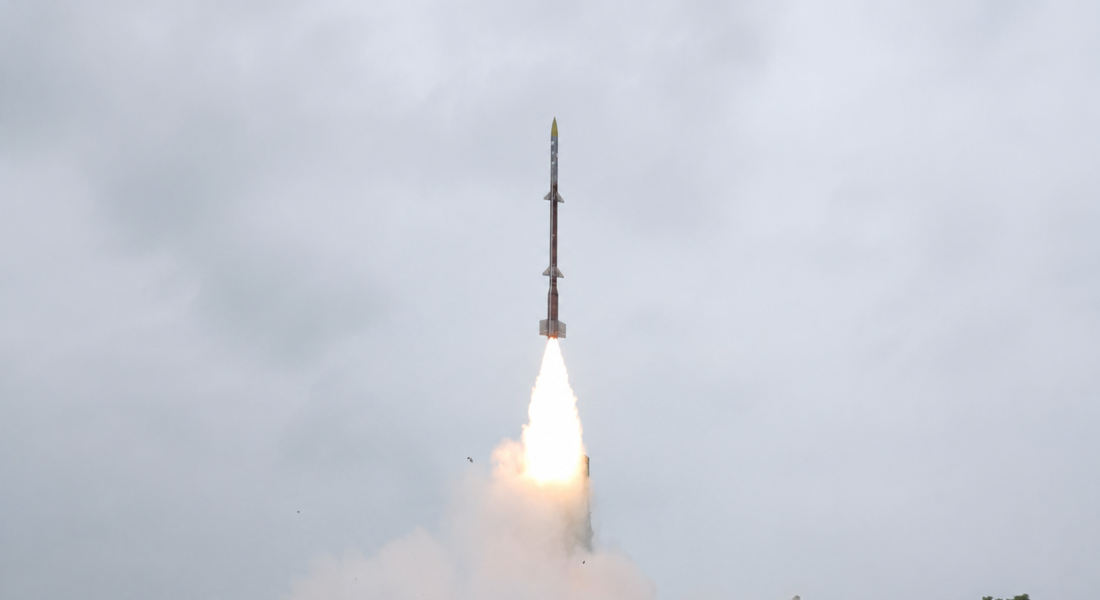
Bhubaneswar: The Defence Research and Development Organisation (DRDO) on Thursday successfully carried out the maiden flight-test of the indigenous ‘Kusha’ Long-Range Surface-to-Air Missile from APJ Abdul Kalam Island off the Odisha coast, marking a major milestone in India’s air defence capability.
The missile was tested against an electronic target simulating a high-speed, high-altitude aerial threat. DRDO said the missile successfully intercepted and destroyed the target during the trial, according to an official statement.
The ‘Kusha’ missile system has been designed to counter a wide range of aerial threats, including fighter aircraft, missiles, unmanned aerial vehicles and large enemy aircraft across a broad range and altitude envelope.
According to DRDO, all major components of the weapon system, including the missile, radar, command and control centre, have been developed indigenously by its laboratories in collaboration with Indian industry partners.
Defence Minister Rajnath Singh described the successful maiden flight-test as a significant achievement for India’s defence research and development programme.
In a post on X, he said the development of the long-range surface-to-air missile system placed India among a select group of countries possessing such advanced technology. He added that the system would reduce dependence on imports and significantly strengthen the country’s air defence capabilities.
“Today’s successful test flight of Kusha marks an important milestone in Indian defence R&D. The capability in developing long range surface-to-air missile system is possessed only by a handful of nations. This will also eliminate the import dependency for such systems and signifies a giant leap in air defence capability of the nation. I congratulate DRDO and other stakeholders for this achievement,” Rajnath said.
Defence Secretary, Secretary of the Department of Defence R&D and DRDO Chairman Rajesh Kumar Singh monitored the launch activities. He congratulated the scientists, engineers and industry partners involved in the successful flight-test.
The successful maiden trial marks a major step towards the induction of the indigenous ‘Kusha’ air defence system, which is expected to enhance India’s capability to defend against advanced aerial threats while reinforcing the country’s push for self-reliance in defence technology.
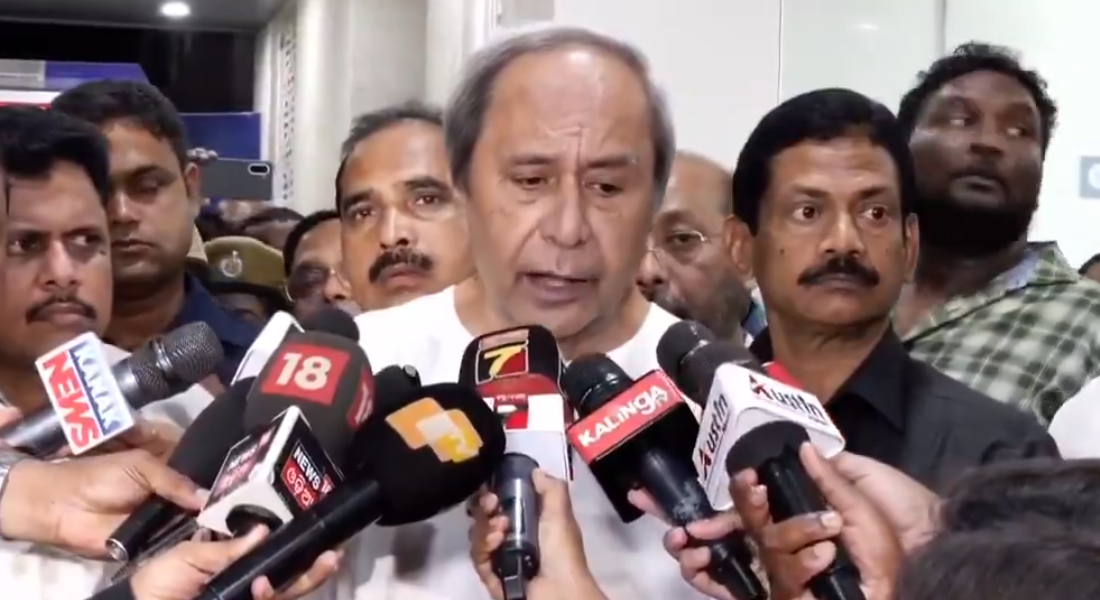
Bhubaneswar: Biju Janata Dal (BJD) President Naveen Patnaik on Thursday claimed that Odisha’s fifth-place ranking in NITI Aayog’s latest Investment Friendliness Index (IFI) reflected the outcome of reforms, fiscal discipline and governance introduced during the BJD government’s tenure.
Referring to the latest IFI report, Patnaik said Odisha had emerged as one of India’s leading investment destinations after transforming from what he described as “bankruptcy” in 2000. He said the achievement was the result of sustained reforms, prudent fiscal management and governance based on the 5T framework.
In a detailed post on X, Patnaik said Odisha secured an overall score of 52.4% in the index, compared with Gujarat’s 56.6%. He described the state’s rise over the past 25 years as a significant milestone in its development journey.
The former CM alleged that the present BJP government was celebrating achievements created during the BJD’s tenure.
He said Odisha’s transformation into an investment destination was driven by consistent policy interventions, financial discipline and governance reforms.
Highlighting the state’s fiscal performance, Patnaik said Odisha had been recognised by NITI Aayog for prudent financial management. He claimed the state’s outstanding liabilities stood at 16% of the Gross State Domestic Product (GSDP), while interest payments accounted for only 1.38% of GSDP, the lowest in the country.
Patnaik also claimed that Odisha accounted for nearly half of India’s mineral output and close to one-fourth of the country’s coal production. He said the state’s performance had outpaced several “double-engine” governments on key parameters.
According to Patnaik, the state’s fiscal discipline enabled his government to launch and sustain several welfare programmes without depending on financial assistance from the Centre. He cited schemes such as Biju Swasthya Kalyan Yojana, KALIA, Mission Shakti, skill development initiatives, Odisha School Transformation, tribal welfare programmes, disaster management measures, infrastructure development, irrigation projects, poverty alleviation initiatives and the state’s own food security scheme.
Patnaik thanked the people of Odisha for supporting what he described as the state’s transformation over the past two and a half decades.
The BJD president also criticised the BJP government over its handling of state finances. While saying he was happy that the BJP was celebrating Odisha’s investment ranking, he alleged that the present government was mismanaging public finances and warned that it could push the state back towards the financial situation it had inherited 25 years ago.
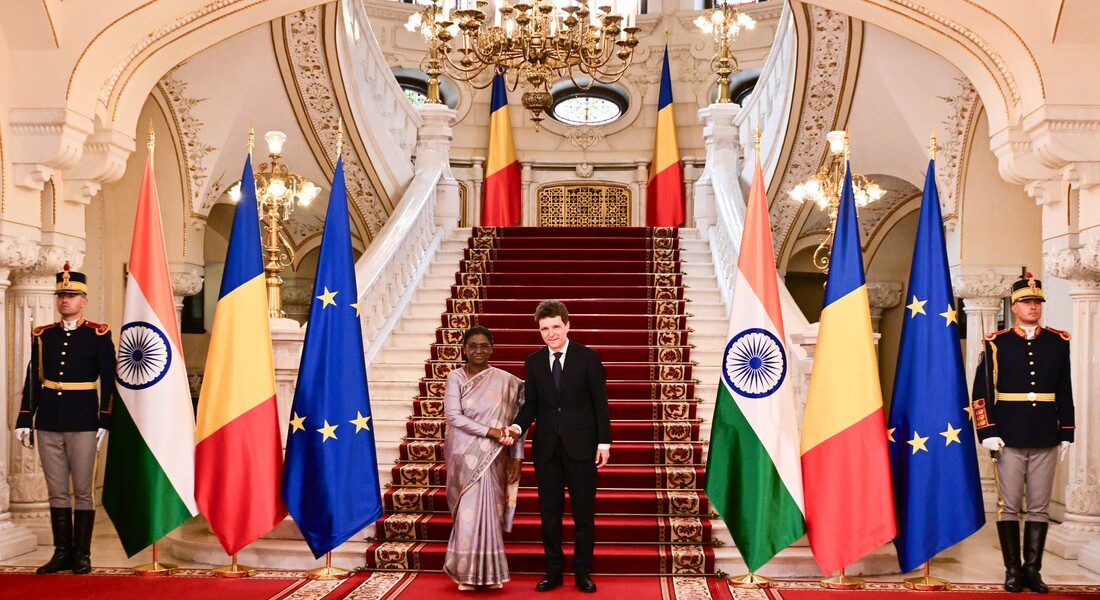
New Delhi: India and Romania have agreed to work towards doubling their bilateral trade over the next three years as the two countries decided to deepen cooperation in trade, defence, technology, education and innovation during President Droupadi Murmu’s State Visit to Bucharest.
The commitment came after Murmu held delegation-level talks with her Romanian counterpart Nicusor Dan at the Cotroceni Palace in Bucharest. The two leaders reviewed the full spectrum of bilateral ties and agreed to strengthen cooperation across priority sectors, according to an official statement.
President Murmu said India and Romania have shared a warm and enduring friendship for more than seven decades, built on mutual trust, respect and strong people-to-people ties. She said the partnership is now entering a new phase with greater ambition, stronger cooperation and a shared vision for the future.
Economic cooperation remained a key focus of the talks. The two sides agreed to promote trade and investment, strengthen resilient supply chains and encourage closer collaboration between their business communities. They also agreed to work towards doubling bilateral trade over the next three years.
The president described Romania as an important partner for India within the EU. She said the India–EU Free Trade Agreement would open new opportunities for industries and skilled professionals in both countries.
India and Romania also agreed to expand cooperation in manufacturing, pharmaceuticals, healthcare, renewable energy, green hydrogen, agricultural products, fertilizers, science and technology, digital public infrastructure and artificial intelligence.
The president will also address the India–Romania Business Forum during her visit to promote stronger business partnerships.
Defence cooperation also featured prominently during the discussions. The two countries agreed to enhance collaboration through regular exchanges, training, capacity building and closer engagement between their defence industries.
Education, culture and people-to-people ties remained the foundation of bilateral relations. Three agreements were signed in these areas during the visit.
The two countries will expand joint research and development under the Programme of Cooperation in Science and Technology. An Indian Studies Chair will be established at the University of Bucharest with the support of the Indian Council for Cultural Relations. A Memorandum of Understanding signed during the visit will also strengthen cooperation in sports.
India announced that it will double the number of training opportunities for Romania under the Indian Technical and Economic Cooperation Programme. The expanded programme will include courses on artificial intelligence.
India’s Foreign Service Institute has also offered training opportunities for Romanian diplomats through its Professional Course for Foreign Diplomats. The programme will include specialised modules on artificial intelligence and cyber diplomacy.
The two countries reaffirmed their cooperation under the International Solar Alliance, of which Romania is a member. President Murmu also welcomed Romania’s intention to join the Coalition for Disaster Resilient Infrastructure and the Global Biofuels Alliance.