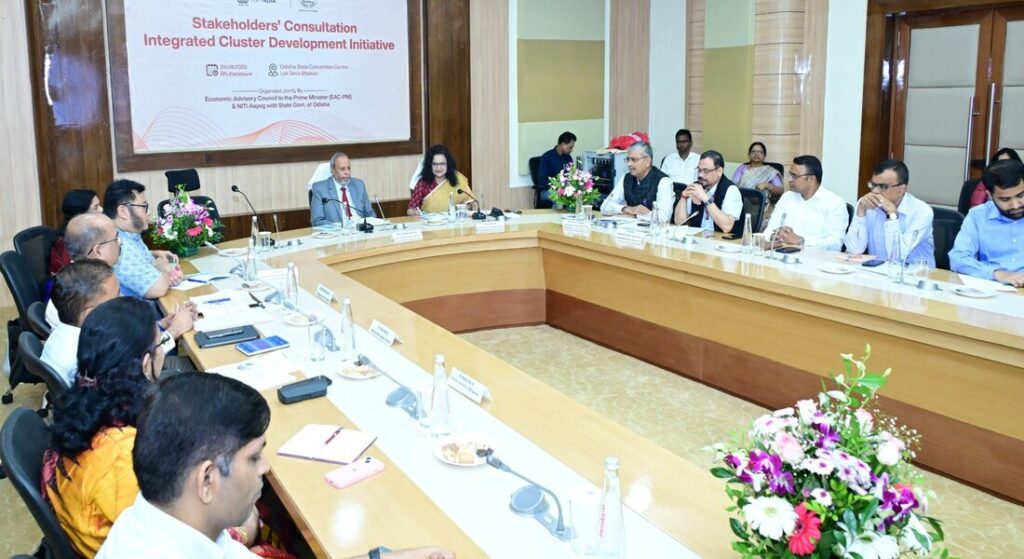
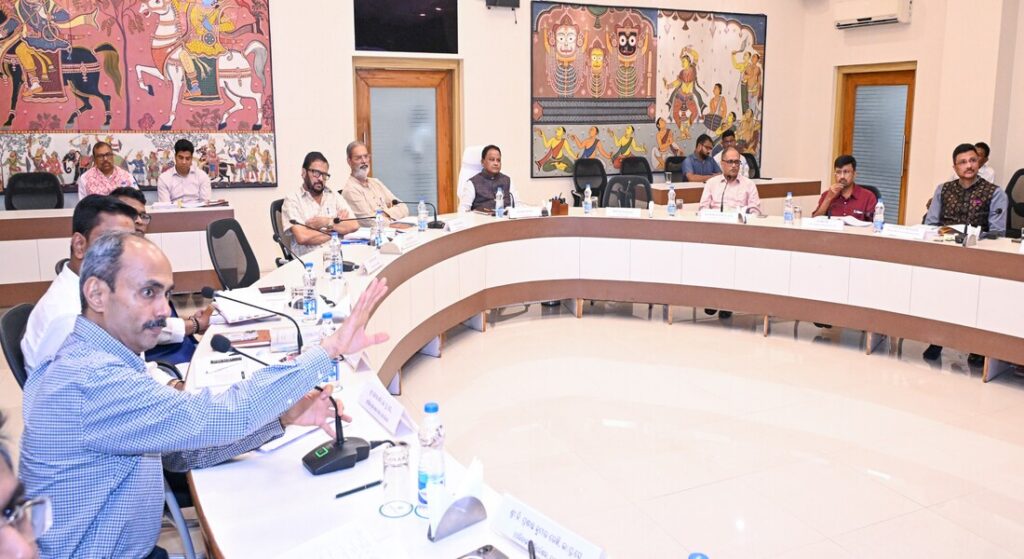
Bhubaneswar: The Odisha Police, in collaboration with UNICEF, organised the JUVENTICA – Digital Rights and Safety of Children Conclave at Police Bhawan in Bhubaneswar on Saturday to address growing concerns over children’s safety in the digital world.
The event brought together policymakers, senior police officials, educators, parents, students, and child rights experts. Participants discussed the rising risks children face online and explored ways institutions, families, and communities can work together to safeguard their rights and well-being in the digital space, according to an Odisha Police press release.
Odisha Director General of Police (DGP) Yogesh Bahadur Khurania highlighted the changing role of law enforcement in dealing with cyber threats involving children.
He said Odisha Police has intensified cyber safety awareness and capacity building within the force. He informed that the state plans to set up 20 more cyber police stations across districts and engage cyber experts at the field level to support investigations.
The DGP also noted that 71 police stations have been upgraded with child-friendly corners. He added that the department aims to make the entire police system more child-friendly in the coming days while stressing the need for cooperation between law enforcement agencies and civil society to protect children online.
DGP, CID-CB, Vinaytosh Mishra pointed to the growing complexity of cyber threats targeting children. He observed that India’s internet user base has expanded sharply from around 125 million in 2011 to over 845 million in 2021.
He said this rapid growth has increased the responsibility of institutions and law enforcement to protect children from cyber risks.
Mishra also outlined the work of the Children and Women Online Abuse Monitoring Unit of the Cyber Wing of CID-CB in removing child sexual abuse material and other harmful content from the internet.
Additional DGP, Crime Against Women and Children Wing, Shyni S., stressed the importance of prevention and awareness. She said authorities must not only respond to cybercrime but also equip children, parents, and teachers with the knowledge and tools to use the internet safely and responsibly.
UNICEF Odisha Chief of Field Office Prasanta Kumar Dash highlighted the need for a rights-based approach to children’s digital engagement. He said technology is transforming childhood and children should be recognised as active learners and creators whose voices must be included in discussions on digital safety.
Three thematic panel discussions were organised during the event. The sessions focused on the role of policing in protecting children online, the influence of digital platforms on young minds, and the importance of privacy, consent, and digital boundaries in safeguarding children’s rights.
Several institutional commitments were announced to strengthen digital safety for children in the State. Odisha Police proposed initiatives such as the Rakshya Saathi volunteer programme, enhanced training for Child Welfare Police Officers, and greater engagement with schools.
The School and Mass Education Department is committed to introducing digital safety education in schools. It also proposed promoting digital hygiene and psychosocial first aid as support mechanisms for children facing online harm.
Both Odisha Police and the School and Mass Education Department also agreed to introduce a mechanism for Child Welfare Police Officers to participate in schools, parent-teacher meetings, and school management committees. UNICEF Odisha will design a training curriculum to support the effective participation of these officers in such engagements.