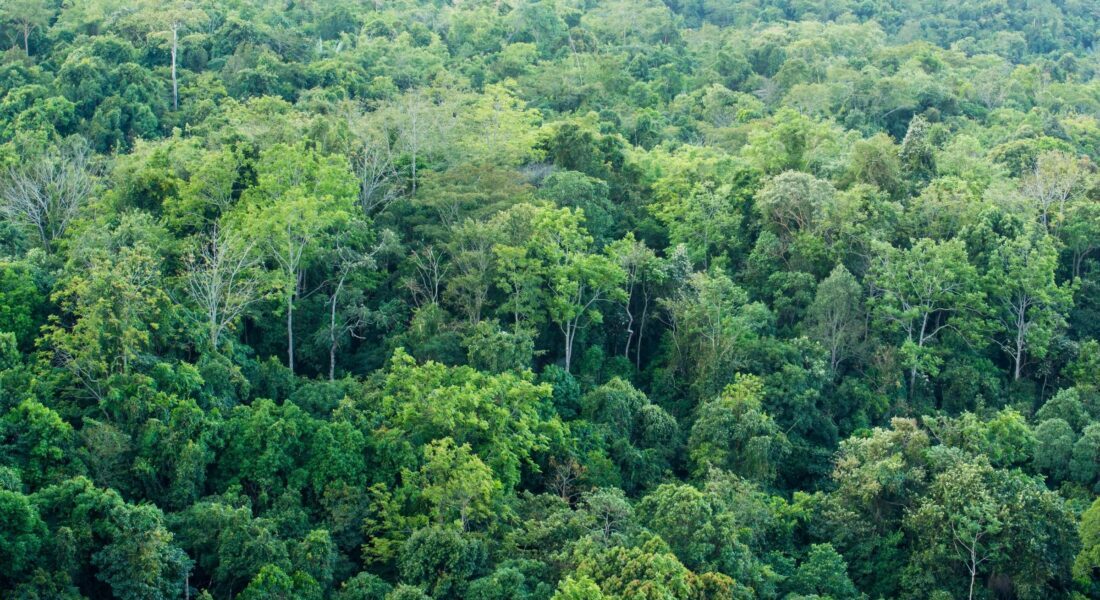

Forests across the world are undergoing a rapid and worrying transformation, with fast-growing tree species increasingly replacing slower-growing trees that play a crucial role in stabilising ecosystems, a major new international study has found. Researchers warn that this shift could leave forests less diverse, less resilient and less effective in tackling climate change.
The findings, published in the journal Nature Plants, are based on an analysis of more than 31,000 tree species worldwide. Scientists examined long-term trends in forest composition, growth patterns and ecosystem stability to understand how forests are likely to evolve in the coming decades.
The study shows that forests are becoming increasingly dominated by fast-growing species that thrive in disturbed environments. In contrast, slow-growing trees — often characterised by dense wood, thick leaves and long lifespans — are declining and face a higher risk of extinction. These slow-growing species are critical for long-term carbon storage, resistance to extreme weather and overall ecosystem balance.
Jens-Christian Svenning, senior author of the study and professor at Aarhus University, said the trend is deeply concerning, particularly for tropical and subtropical forests where biodiversity is highest. He noted that many slow-growing species exist only in small geographic areas, making them especially vulnerable to habitat loss and competition from faster-growing trees, ScienceDaily reported.
According to the researchers, commonly promoted fast-growing species such as acacia, eucalyptus, poplar and pine establish quickly and produce timber rapidly, but are more vulnerable to drought, pests, storms and climate shocks. As a result, forests dominated by these species may be less stable and less capable of storing carbon over the long term.
The study also highlights the growing spread of naturalised tree species — trees introduced from other regions that now grow freely in new environments. Nearly 41 per cent of these species share traits such as rapid growth and small leaves, allowing them to thrive in disturbed landscapes. However, researchers say these trees rarely replace the ecological functions of native species and often intensify competition for water, light and nutrients.
Tropical and subtropical regions are expected to experience the most severe impacts, with a sharp rise in the number of endangered tree species. In colder parts of the Northern Hemisphere, the invasion of fast-growing and naturalised species is likely to be the dominant trend.
Scientists attribute these changes largely to human activity, including climate change, deforestation, intensive forestry practices and global trade in tree species. While fast-growing trees are often favoured for economic reasons, the researchers warn that current forest management strategies may be undermining long-term ecosystem health.
The study calls for urgent changes in forest conservation and restoration policies, urging greater protection and active promotion of slow-growing and rare tree species to ensure forests remain resilient, diverse and capable of supporting life on Earth.