At IndiaVerve, we go beyond the noise to bring you meaningful stories of change, resilience and progress—from India to the world stage. Our mission is to bring readers credible, wide-ranging coverage across politics, business, sports, culture, society and more.

22 Northeast India institutions sign LoI with Japan for academic & research consortium

New Delhi: A historic Letter of Intent (LoI) has been signed by 22 institutions across Northeast India to establish the Northeast India–Japan International Academic and Research Consortium.

The participating institutions include eight National Institutes of Technology, two Indian Institutes of Information Technology, NERIST, AIIMS Guwahati, NERIWALM, Tezpur University, Gauhati University, Cotton University, and Assam Engineering College.

Japan has identified Northeast India as a strategic priority since 2022 under the MEXT Inter-University Exchange Project. The consortium aims to facilitate 5,000 student exchanges in each direction over the next five years, promoting academic and cultural collaboration between the regions, IIT Guwahati said in a post on X.

The initiative will also serve as a gateway for multilateral collaboration in science, technology, and medicine, allowing researchers, engineers, medical professionals, and policymakers to work together on joint projects.

According to Prof. Devendra Jalihal, Director of IIT Guwahati, “This marks a new beginning, as institutions across states unite to form a unique consortium that brings together engineers, medical professionals, scientists, and policymakers.”

IIT Guwahati will act as the nodal institution in India, coordinating activities within the country, while Gifu University will serve as the coordinating partner from Japan. The LoI was signed during the Japan–NER Academia-Industry Cooperation Symposium 2026, jointly organized by IIT Guwahati and Gifu University.

This landmark collaboration is expected to significantly strengthen academic ties, research exchange, and innovation between Northeast India and Japan, creating new opportunities for students and researchers in both regions.

Mayurbhanj whirlwind: Revenue minister reviews relief operations

Bhubaneswar: Revenue & Disaster Management Minister Suresh Pujari held a review meeting on Tuesday regarding the whirlwind that struck Mayurbhanj on March 15.

The meeting was attended by the Minister for Forest, Environment and Climate Change, Additional Chief Secretary Revenue & DM, Special Relief Commissioner, Additional Special Relief Commissioner RDC (CD), and the collector of Mayurbhanj.

The whirlwind affected 3,217 people across nine villages in Karanjia Block. Authorities evacuated 2,200 residents, who are currently staying in six operational relief camps. The disaster damaged 512 houses, including 423 fully kutcha houses and 89 severely damaged kutcha houses. Tragically, two people lost their lives, and 38 others were injured. Around 111 hectares of crop area were affected.

Relief operations are ongoing. Free meals are being served to all 2,200 beneficiaries. Authorities have distributed 1,450 sheets of polythene, and drinking water is being supplied via water tankers and bottled water. Three medical teams and four fire teams have been deployed for rescue and relief operations, according to a government release.

On Monday, the Minister for Forest, Environment, and Climate Change, along with the Additional Special Relief Commissioner, conducted a field visit to assess the situation. A total of Rs. 5,70,31,000 has been released from the SDRF for house building assistance, clothing, utensils, and relief camp operations.

During the review meeting, Pujari instructed the collector of Mayurbhanj to deploy a nodal officer in each affected village to ensure better management of relief operations. He also directed that cooked food and free kitchens must continue to operate at central locations such as schools and Anganwadis in the affected villages.

The minister emphasized that damage and loss assessments, particularly for House Building Assistance and Agriculture Input Subsidy, must be completed as quickly as possible. He instructed that ODRAF and fire teams be deployed to carry out restoration work using all available lighting systems with the rescue teams.

H&UD Department issues heatwave SOP for Urban Local Bodies

Bhubaneswar: The Housing & Urban (H&UD) Department has issued a detailed Standard Operating Procedure (SOP) for Urban Local Bodies (ULBs) in response to rising temperatures this summer.

The department cited unusual rainfall and erratic climatic conditions as contributing to abnormal heat, especially in urban areas where buildings and roads absorb significant solar heat.

The SOP provides strict instructions for all ULBs to manage water supply, sanitation, and environmental safety during the heatwave, according to an official release.

ULBs and PHEOs are required to ensure an uninterrupted drinking water supply across urban areas. Water pipelines must be maintained in proper working condition, and complaints must be addressed within 24 hours.

Water tankers should be deployed to scarcity pockets, with additional tankers hired if needed. All tube wells and hand pumps must be operational, with spare parts available for immediate repair.

Control rooms at Public Health Engineering Organisation (PHEO), Water Corporation of Odisha, and city-level offices must remain open and managed by responsible officials to handle complaints. Heatwave warnings issued by the IMD should be monitored regularly, and relevant authorities, such as the State EOC, may be contacted for updates.

ULBs are instructed to open more drinking water kiosks, or Paniya Jal Bitaran Kendra, at strategic locations like roadsides, bus stands, railway stations, marketplaces, and public offices. These kiosks must provide potable water, maintain proper sanitation, use long-handle dispensers, and replace water daily. Agencies providing these services must ensure continuity and avoid discontinuity after the initial days.

The SOP emphasizes strict enforcement against burning municipal solid waste and garden/tree residues. Households are advised to keep a pot of water for stray birds and animals, changing it every other day. C&D waste from roadsides must be cleared promptly. Construction agencies and households must cover construction areas and sprinkle water to prevent dust. Vehicles transporting materials like sand, bricks, and cement must be fully covered, and speed limits must be enforced.

Earthen layers beside roads must be maintained below road metal levels to prevent spillage. Fly ash from roadside coal or briquette usage in hotels and eateries is banned to reduce dust and temperature rise. All urban water bodies should be rejuvenated, restored, and kept pollution-free. Authorities must comply with all Environmental Acts, NGT guidelines, and ensure coordination with police, forest, and OPCB departments.

The H&UD Department has stressed that all ULBs strictly adhere to these SOPs to safeguard public health and minimize the impact of extreme heat in urban areas.

Israel claims Iran’s security chief, Ali Larijani, killed in strikes

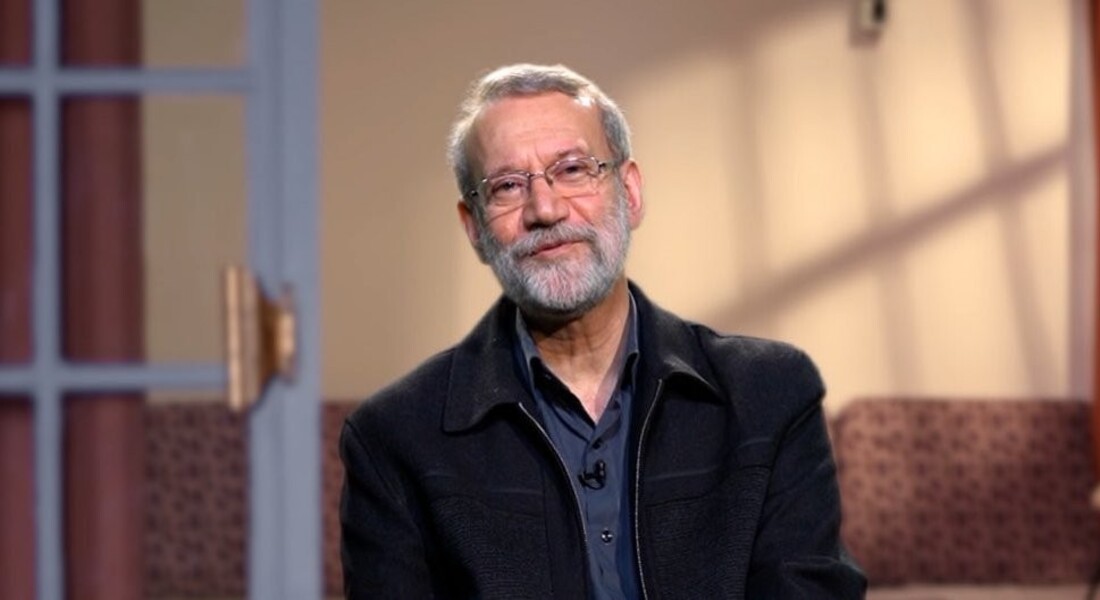
Israel has claimed that a series of overnight strikes in Tehran eliminated some of Iran’s most senior political and security figures, including national security chief Ali Larijani. If confirmed, the development would mark a major escalation in the ongoing conflict between the two nations.

Iran has not officially responded to the claims. The reported killing of Larijani, a central figure in Iran’s strategic and political decision-making, would represent a significant setback for the country’s leadership during a period of heightened tensions.

According to Israeli defence officials, the strikes also targeted Gholamreza Soleimani, the commander of Iran’s Basij paramilitary force, along with other senior members of the group. The Basij is considered a key component of Iran’s internal security apparatus and has played a critical role in maintaining state control during crises.

Israeli authorities stated that these operations were part of a broader strategy aimed at dismantling Iran’s leadership structure. A statement from the Israeli prime minister’s office indicated that senior officials of the Iranian regime had been deliberately targeted.

“Larijani and the Basij commander were eliminated overnight and joined the head of the annihilation program, Khamenei, and all the eliminated members of the axis of evil, in the depths of hell,” Israeli Defence Minister Defense Minister Israel Katz was quoted as saying by the Times of Israel.

Iranian state media recently published a handwritten note attributed to Larijani, paying tribute to sailors killed in a prior US attack. Analysts suggest the note may have been written before the latest Israeli strikes, offering no confirmation of his current status.

Larijani had emerged as a key figure in coordinating Iran’s wartime political strategy. He was appointed secretary of the Supreme National Security Council in August 2025 following earlier hostilities involving the United States and Iran. In recent days, he had publicly appealed to Muslim nations for support and questioned Gulf countries over their continued cooperation with US military operations.

Prior to the escalation, Larijani was also involved in diplomatic outreach efforts alongside Iran’s foreign minister Abbas Araghchi, including engagement with regional stakeholders and mediators in Oman.

The reported strikes suggest that Israel continues to possess deep intelligence capabilities within Iran, enabling it to track and target high-level officials. Observers note that such operations would likely rely on sustained aerial dominance and coordinated intelligence inputs.

Meanwhile, Iran launched a retaliatory ballistic missile attack targeting central Israel. Emergency services reported that cluster munitions caused damage at multiple locations, including a train station. Visuals from the affected areas showed small impact craters consistent with such weapons.

Despite the damage, Israel’s emergency response agency confirmed that no injuries had been reported.

The situation remains fluid, with both sides yet to provide full clarity on the extent of the damage and casualties. Independent verification of key claims is still awaited.

In the United Arab Emirates, Air traffic has now stabilised after authorities briefly shut down the country’s airspace as a precautionary measure earlier on Tuesday. Officials indicated that the suspension was lifted once the situation was brought under control. Prior to this, the defence ministry had confirmed that the country’s air defence systems were activated to counter incoming missiles and drones believed to have been launched from Iran, highlighting the widening regional impact of the ongoing conflict.

Tragedy at SCB Medical College: Naveen Patnaik demands health minister’s resignation

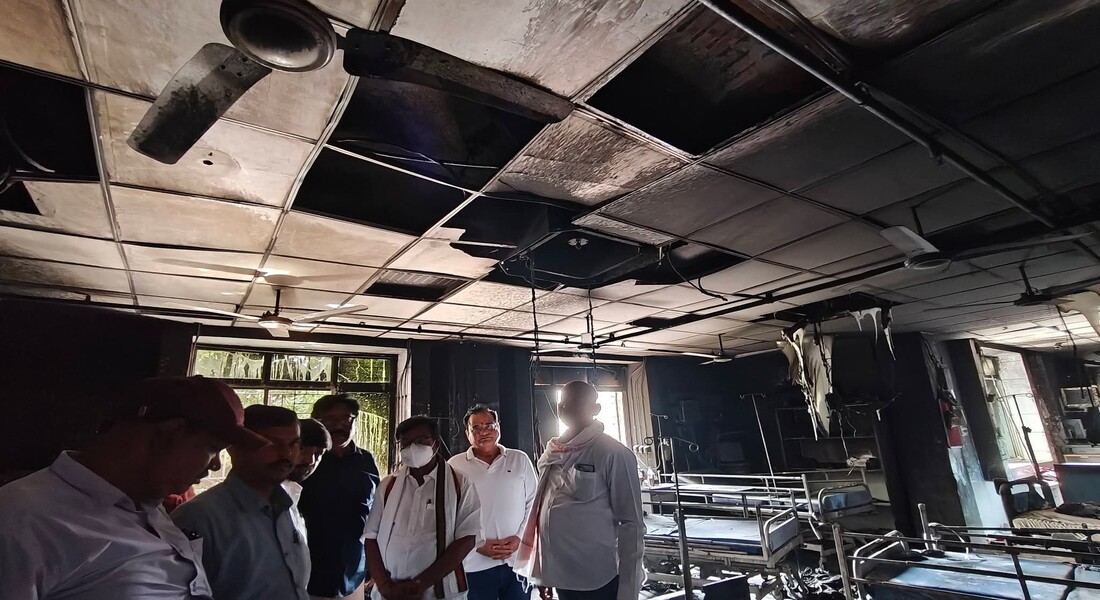
Bhubaneswar: BJD President Naveen Patnaik on Tuesday demanded the immediate resignation of Health Minister Dr. Mukesh Mahaling following the tragic fire at SCB Medical College in Cuttack.

Speaking to reporters, Patnaik, who had visited the college on Monday, said the incident had deeply saddened him.

“What I witnessed there was not just the scene of a tragic accident, but a stark reflection of the collapsed safety systems in one of the state’s premier healthcare institutions,” he said.

He added, “The fire that broke out in the Trauma Care ICU early Monday morning claimed 11 precious lives. Patients had come to the hospital with the hope of recovery, but due to administrative negligence, they were forced to face such a horrific death. I extend my deepest condolences to the bereaved families.”

In a post on X, the BJD supremo noted that a judicial probe is welcome, but it cannot absolve the political leadership of its responsibility.

Patnaik further stated that Mahaling must take moral responsibility for this grave lapse in safety measures. “Additionally, the compensation announced so far is grossly inadequate. I have raised a demand in the Assembly before the Hon’ble Speaker for financial assistance of Rs 50 lakh to each bereaved family,” he concluded.

Meanwhile, Odisha Congress President Bhakta Charan Das visited the ICU area affected by the fire to assess the situation. He also paid tribute to the innocent patients who lost their lives due to negligence.

In a post on X, Das stated that the incident clearly exposed serious lapses in maintenance, lack of supervision, and a complete failure of fire safety measures as well as emergency response.

He urged the government to immediately order a high-level investigation and take strict criminal action against those responsible.

He also called for compensation of Rs 1 crore to the family of each deceased and the implementation of stringent measures to ensure that such incidents do not recur in the future.

Odisha explores industry, skilling ties with Australia

Bhubaneswar: Industries Minister Sampad Swain met Bernard Lynch, Australian Consul General in Kolkata, along with Anagha, Senior Economic Research Officer at the Australian Consulate-General in Kolkata, at his residence office in Bhubaneswar on Monday.

During the meeting, both sides discussed key issues related to the industries, skill development, and technical education departments.

They explored opportunities for collaboration between Odisha and Australia in industrial development, skilling, and technical education, Swain said in a post on X.

The discussions also covered Paradeep Port and its emergence as the largest port in the country in terms of cargo handling.

The visiting delegation appreciated the work carried out by the Odisha government over the past two years, particularly in the areas of industry and skill development.

Both sides expressed interest in strengthening future cooperation between Odisha and Australia in these sectors.

Jaishankar concludes Brussels visit, pushes India-EU FTA and strategic ties

New Delhi: External Affairs Minister Dr. S. Jaishankar concluded his visit to Brussels on Sunday after holding a series of high-level meetings with leaders of the EU and member states.

During the visit, he engaged with the EU Foreign Affairs Council and called on António Costa, President of the European Council, and Ursula von der Leyen, President of the European Commission. He also held discussions with EU High Representative Kaja Kallas and conducted separate bilateral meetings with several European counterparts.

In a lengthy post on X, Jaishankar highlighted that finalising the India-EU Free Trade Agreement (FTA) would mark a turning point in bilateral ties. He said the agreement would unlock economic potential and reflect the strategic depth of the partnership.

He noted that both sides should actively support trade and investment promotion to ensure that the benefits of the agreement are realised on the ground.

He said the Trade and Technology Council could be upgraded to strengthen cooperation in critical and emerging technologies.

Jaishankar emphasised that both India and the EU share the objective of building resilient supply chains. He added that the agreement would deepen business linkages and support this goal.

The external affairs minister underlined the importance of the mobility of skills and talent flows. He said the establishment of the Legal Gateway Office in India was a positive step and noted the shared interest in promoting Global Capability Centres in the country.

He said the India-EU Security and Defence Partnership would be advanced further, with efforts to conclude the Security of Information Agreement at an early stage.

Connectivity remained a key priority, he said, adding that both sides would work together to operationalise initiatives such as the India-Middle East-Europe Economic Corridor.

Jaishankar stressed that India and the EU would continue to support multilateralism at a time when global institutions face increasing pressure.

He said the strategic partnership would be strengthened through regular high-level consultations, supported by sector-specific mechanisms.

He added that in an increasingly uncertain and multipolar world, the India-EU partnership would serve as a source of stability and resilience.

Odia poet Girijakumar Baliyar Singh selected for Sahitya Akademi Award 2025

Bhubaneswar: Noted Odia poet Girijakumar Baliyar Singh has been selected for the Sahitya Akademi Award 2025 for his poetry collection ‘Padapurana’.

The award recognises his contribution to literature and honours the creative depth of his work, which has received wide appreciation.

Meanwhile, Chief Minister Mohan Charan Majhi congratulated Baliyar Singh and extended his best wishes on being selected for the prestigious award.

In a post on X, he said: “Your achievement has given Odia literature a new identity at the national level. I pray to Lord Jagannath for your bright future and continued success.”

The Sahitya Akademi on Monday announced its annual awards in 24 recognised Indian languages. This year, the awards cover a range of literary forms, including eight poetry collections, four novels, six short story collections, two essay works, one literary criticism, one autobiography, and two memoirs.

The Akademi follows a structured selection process each year. For the 2025 awards, the process began in January with the release of an open call for entries on January 30, according to an official statement.

Distinguished jury members recommended the winners across all 24 languages. The competent authority of the Sahitya Akademi later approved the final selections.

Reliance signs USD 3 billion green ammonia deal with Samsung C&T

New Delhi: Reliance Industries Limited (RIL) has signed a binding long-term Supply and Purchase Agreement (SPA) with Samsung C&T Corporation of South Korea for the supply of green ammonia over 15 years, starting in the second half of FY2029.

The agreement, valued at over USD 3 billion, ranks among the largest long-term green ammonia offtake deals globally, the company said in a release.

The SPA is expected to position India as a key exporter of green fuels produced through an end-to-end domestic value chain. The development aligns with the government’s National Green Hydrogen Mission, which aims to promote clean energy and reduce carbon emissions.

RIL is building an integrated new energy platform that covers renewable energy, energy storage, green hydrogen, and downstream green fuels and chemicals. The company is also focusing on domestic manufacturing of critical clean energy technologies.

As part of this strategy, RIL is working to localise the production of solar modules, battery energy storage systems, and electrolyser systems in India. The initiative supports the government’s push for self-reliance and strengthening domestic manufacturing capabilities.

The company said integrating these capabilities within a single ecosystem will help deliver scalable and reliable green energy solutions for global markets while boosting India’s industrial base.

The agreement with Samsung C&T marks the first in a series of long-term partnerships aimed at expanding RIL’s new energy platform.

Anant Ambani, Executive Director of RIL, said the partnership with Samsung C&T would enable the supply of cost-competitive and reliable green ammonia. He added that the collaboration marks a significant step in India’s clean energy transition.

He said RIL’s new energy initiative aims to support the energy transition while building a strong industrial base by integrating renewable resources, manufacturing capabilities, skilled talent, and innovation. He added that the company remains committed to developing critical technologies such as solar, battery storage systems, and electrolysers under the Make in India framework.

He further said such partnerships would help scale the green hydrogen ecosystem and gigafactories, while contributing to India’s goal of becoming a global hub for green hydrogen and its derivatives.

India condemns Pakistan airstrike on Kabul hospital, calls for accountability

New Delhi: India on Tuesday strongly condemned Pakistan’s airstrike on the Omid Addiction Treatment Hospital in Kabul on Monday, describing it as a barbaric act that caused heavy civilian casualties.

In an official statement, the External Affairs Ministry said the attack targeted a facility that could not be justified as a military objective and termed the action a massacre, being portrayed as a military operation.

India said the strike amounted to a serious violation of Afghanistan’s sovereignty and posed a threat to regional peace and stability. It added that the incident reflected a pattern of reckless behaviour and attempts to shift internal challenges through actions beyond its borders.

The statement noted that the attack took place during the holy month of Ramzan, which holds significance as a period of peace and reflection in the Muslim world. It said no justification could be found for targeting a hospital and its patients.

India urged the international community to hold those responsible accountable and called for an immediate end to attacks on civilians in Afghanistan.

It also expressed condolences to the families of those who lost their lives and wished a speedy recovery to the injured. The government said India stands in solidarity with the people of Afghanistan and reaffirmed its support for the country’s sovereignty and territorial integrity.

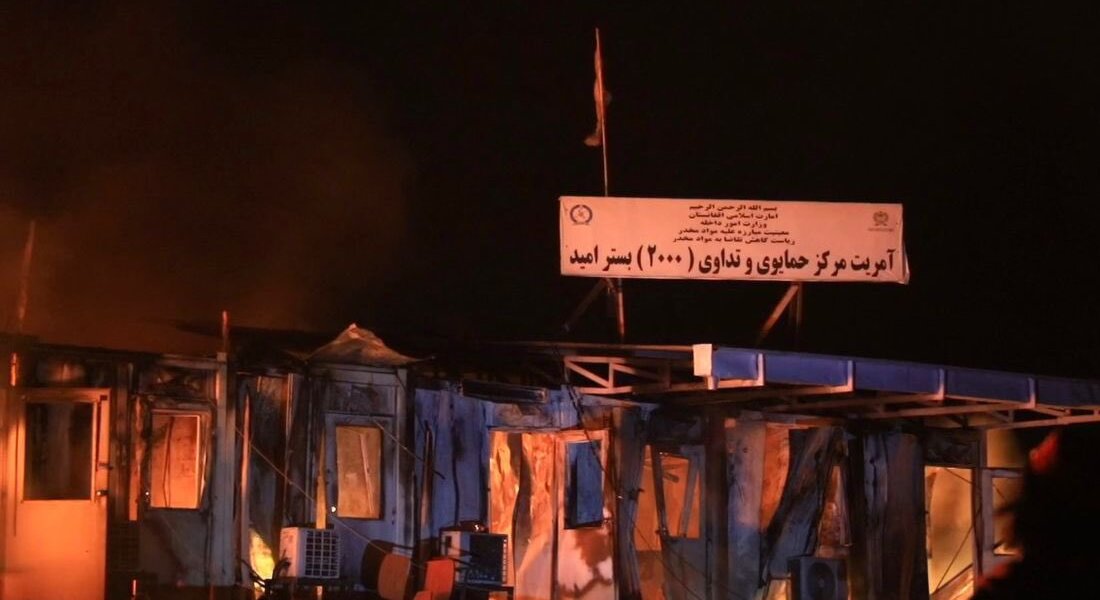
A Taliban spokesperson said on Tuesday that more than 350 people were killed and around 250 were injured in a Pakistani airstrike on the hospital in Kabul, Afghanistan.

Hamdullah Fitrat, Deputy Spokesman of the Islamic Emirate of Afghanistan, said the airstrike hit the Omid Addiction Treatment Hospital, a 2,000-bed facility dedicated to the treatment of drug addiction, at 9 pm local time.

“As a result of the attack, large sections of the hospital have been destroyed, and there are serious concerns about a high number of casualties. Unfortunately, the death toll has so far reached 400, while around 250 others have been reported injured. Rescue teams are currently at the scene working to control the fire and recover the remaining bodies of the victims,” he said in a post on X.

He added: “We strongly condemn this crime and consider such an act to be against all accepted principles and a crime against humanity.”

Zabihullah Mujahid, Afghan government spokesperson, also condemned the incident.

“The Pakistani military regime has once again violated Afghanistan’s airspace and targeted a drug rehabilitation hospital in Kabul, resulting in the death and injury of addicts who were undergoing treatment. We strongly condemn this crime and consider such an act to be against all accepted principles and a crime against humanity,” he said in a post on X.

Meanwhile, Pakistani Prime Minister Shehbaz Sharif’s spokesperson Mosharraf Zaidi rejected allegations that Pakistan targeted a hospital in Kabul, calling the claims baseless, CNN reported.

In a statement posted on X before Afghan authorities released casualty figures, the Pakistan Ministry of Information said the strikes targeted military installations and infrastructure linked to militant activity. It said sites in Kabul and Nangarhar, allegedly used by Afghan Taliban elements and Pakistan-based militants, were hit, including facilities used for storing technical equipment and ammunition.

The ministry stated that the operation was precise and carefully executed to avoid civilian casualties. It also rejected statements by Zabihullah Mujahid as false and misleading, alleging they were intended to provoke sentiment and deflect from what it described as support for cross-border militancy.

The strikes came hours after the UN Security Council urged Afghanistan’s Taliban authorities to step up efforts to combat terrorism. Pakistan has repeatedly accused Kabul of harbouring militant groups, particularly the Pakistani Taliban, which it says are responsible for attacks inside its territory.