At IndiaVerve, we go beyond the noise to bring you meaningful stories of change, resilience and progress—from India to the world stage. Our mission is to bring readers credible, wide-ranging coverage across politics, business, sports, culture, society and more.

Trump threatens to ‘obliterate’ Iran’s energy sources as conflict escalates

US signals both military escalation and diplomatic outreach as Iran denies talks, regional strikes intensify, and humanitarian concerns grow amid widening Middle East conflict

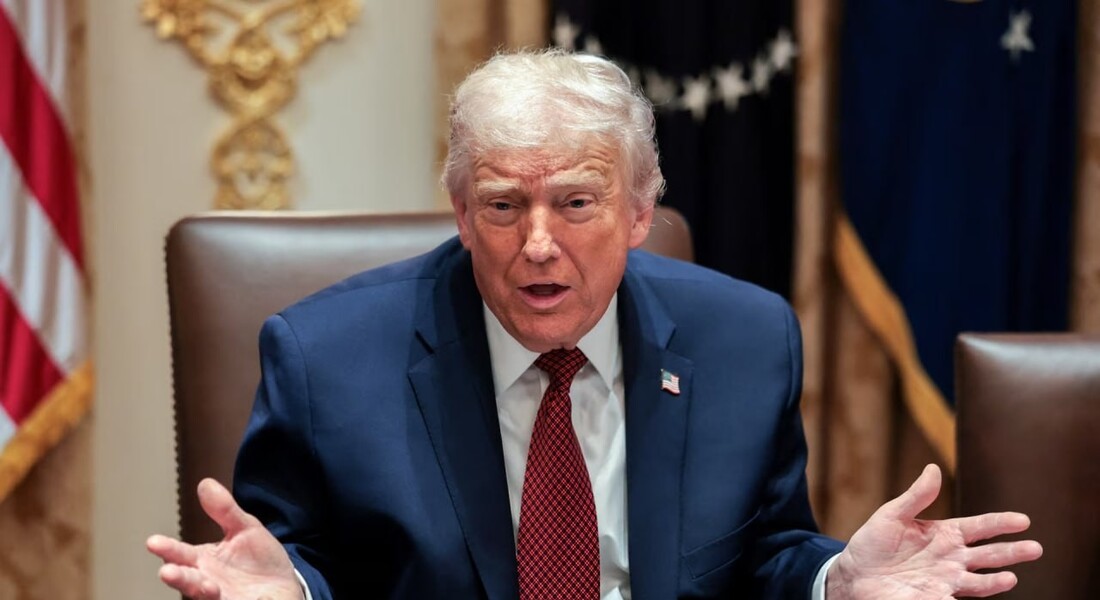
Tensions in the Middle East intensified on Monday as US President Donald Trump issued a sharp warning to Iran, threatening major strikes on critical infrastructure if a diplomatic breakthrough is not achieved soon.

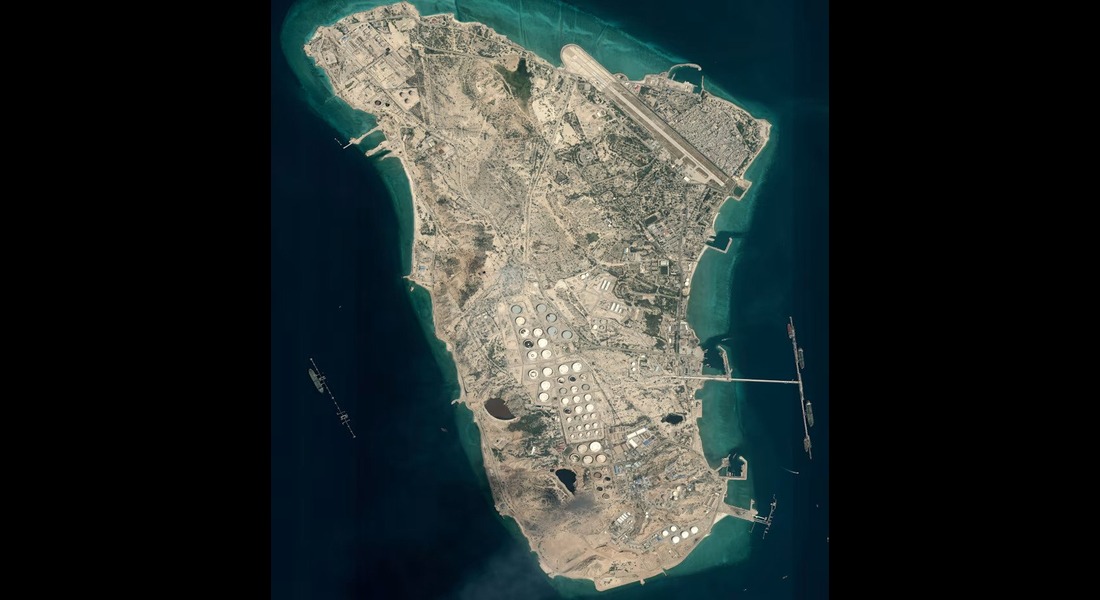
In a statement posted on his social media platform, Trump said the United States could target Iran’s key energy assets, including electric power facilities, oil wells, and Kharg Island, the country’s primary oil export hub, if Tehran does not agree to terms and ensure the reopening of the strategically vital Strait of Hormuz.

“The United States of America is in serious discussions with A NEW, AND MORE REASONABLE, REGIME to end our Military Operations in Iran,” Trump said in a post on Truth Social.

He added that “great progress” has been made in the talks. “But, if for any reason a deal is not shortly reached, which it probably will be, and if the Hormuz Strait is not immediately ‘Open for Business,’ we will conclude our lovely ‘stay’ in Iran by blowing up and completely obliterating all of their Electric Generating Plants, Oil Wells and Kharg Island (and possibly all desalinization plants!), which we have purposefully not yet ‘touched’,” Trump said.

The warning comes amid ongoing military hostilities involving the United States and Israel on one side and Iran and its regional allies on the other. While Washington has indicated that negotiations are underway through intermediaries, Iran has firmly denied the existence of any direct talks or participation in external mediation efforts.

Iranian officials, according to media reports, reiterated that they have not engaged in Pakistan-led diplomatic initiatives and accused the US of making inconsistent and excessive demands. At the same time, US Secretary of State Marco Rubio stated in an interview to Al Jazeera that Washington continues to pursue a diplomatic resolution and direct talks with Tehran are ongoing through intermediaries.

On the ground, the conflict has continued to escalate across multiple fronts. Reports indicate that missile strikes hit an oil refinery in Haifa, northern Israel, triggering a fire but causing no reported casualties. The attack is believed to be part of a broader campaign involving Iran and allied groups targeting US and Israeli interests in the region.

The humanitarian situation in neighbouring Lebanon has also worsened significantly. According to official figures, more than 1,200 people have been killed and thousands injured since early March amid ongoing Israeli military operations. The conflict has displaced over a million civilians, raising serious concerns among human rights organisations about forced displacement and inadequate shelter facilities.

Meanwhile, US military preparations appear to be intensifying. Reports suggest that thousands of additional troops could be deployed to the region as part of contingency plans for a prolonged conflict, signalling the possibility of further escalation.

Despite the aggressive rhetoric, diplomatic channels remain active, with global stakeholders urging restraint and a negotiated settlement to prevent a wider regional crisis. However, with both sides maintaining hardline positions, the path to de-escalation remains uncertain
Govt takes measures to secure Aahaar Kendra operations

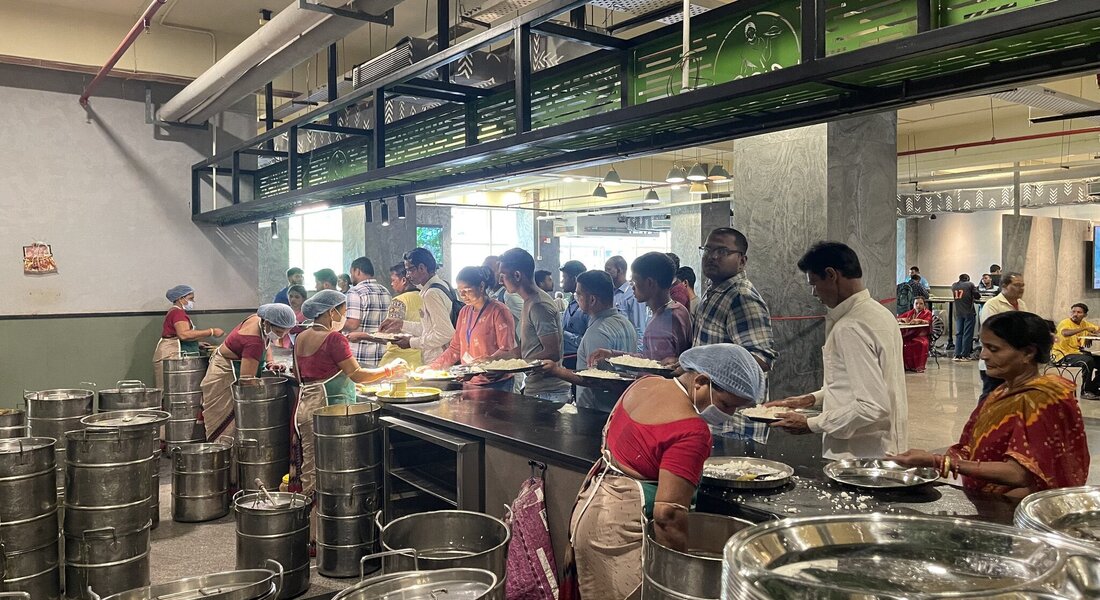
Bhubaneswar: The Odisha government has initiated measures to strengthen logistical support for the smooth functioning of its flagship Aahaar programme, with a focus on ensuring uninterrupted supply of cooking gas across the state.

The Housing and Urban Development Department has issued directives to streamline supply chains and reinforce coordination mechanisms essential for the operation of Aahaar kitchens. The move is aimed at preventing disruptions in meal preparation and maintaining consistent service delivery for beneficiaries.

Director of Municipal Administration Arindam Dakua has written to district Collectors, Municipal Commissioners, and heads of Aahaar societies, urging them to assess cooking gas availability in their respective areas and ensure close coordination with suppliers and distributors. Officials have been asked to take timely and proactive steps to address potential shortages.

Currently, around 170 Aahaar Kendras, supported by nearly 90 centralised kitchens, provide affordable and nutritious meals to thousands of people daily across Odisha, making the programme a key component of the state’s urban welfare framework.

The latest directive underscores the government’s emphasis on strengthening last-mile logistics and inter-agency coordination to enhance operational resilience. Authorities expect the measures to further stabilise service delivery and uphold the programme’s objective of ensuring food security and dignified access to meals for urban populations

Odisha hosts Bamboo Forward Summit on growth push

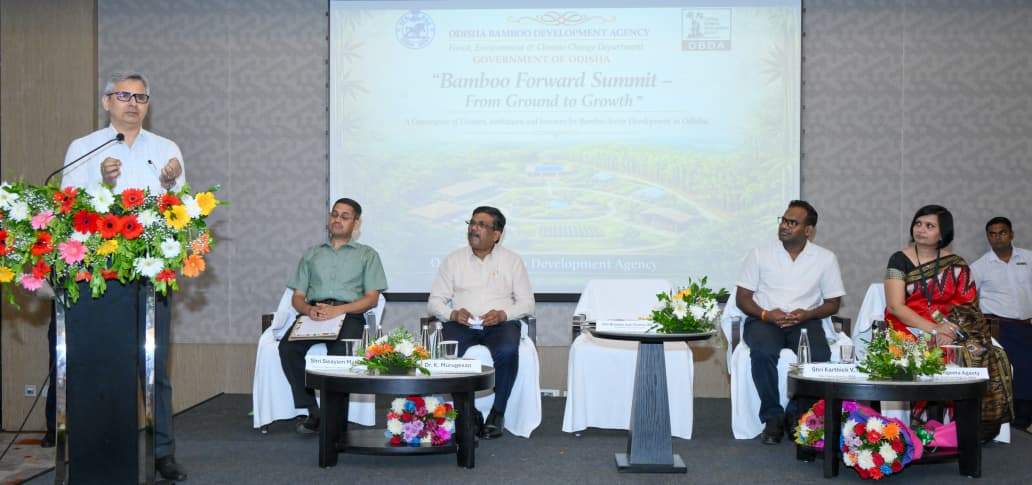
Bhubaneswar: The Bamboo Forward Summit 2026, themed From Ground to Growth, was held in Bhubaneswar on Monday, bringing together farmers, artisans, entrepreneurs, industry stakeholders, and policymakers to chart a roadmap for strengthening Odisha’s bamboo sector.

Organised as a multi-stakeholder platform, the summit focused on transforming the state’s abundant bamboo resources into a structured, enterprise-driven ecosystem with strong market linkages and industrial applications.

Addressing the inaugural session, Chief Guest Bhaskar Jyoti Sarma, Principal Secretary of Forest, Environment and Climate Change, Government of Odisha, highlighted bamboo’s potential as a driver of sustainable livelihoods and economic growth. He stressed the need for an integrated and industry-oriented approach, with emphasis on value addition, engineered products, and improved access to markets.

The summit featured a series of technical sessions covering themes such as bamboo utilisation in Community Forest Rights areas, field-level experiences from Koraput, industrial applications including biochar, and certification systems for quality assurance. Discussions also explored convergence with key government programmes such as OFSDP, CAMPA, OFDC, Mission Shakti, and other livelihood initiatives to enable coordinated sectoral development.

Post-lunch sessions shifted focus to market dynamics, with trader interactions and a roundtable discussion offering insights into scaling bamboo-based enterprises. Participants underscored the importance of cluster development, design-led product innovation, stronger market linkages, and improved access to finance.

The event saw participation from senior officials and sector experts, including K. Murugesan, PCCF and Head of Forest Force, Odisha; Swayam Mallik, Director (Operations), OFDC Ltd.; Karthick V., Managing Director of the Odisha Bamboo Development Agency; and Sangeeta Agasty, Director of INBAR South East Asia Region.

The summit concluded with a broad consensus on developing a strategic roadmap to position Odisha as a leading hub for bamboo-based industries, while advancing sustainable economic growth and livelihood opportunities.

Justice Satrughana Pujahari Takes Charge as OHRC Chief

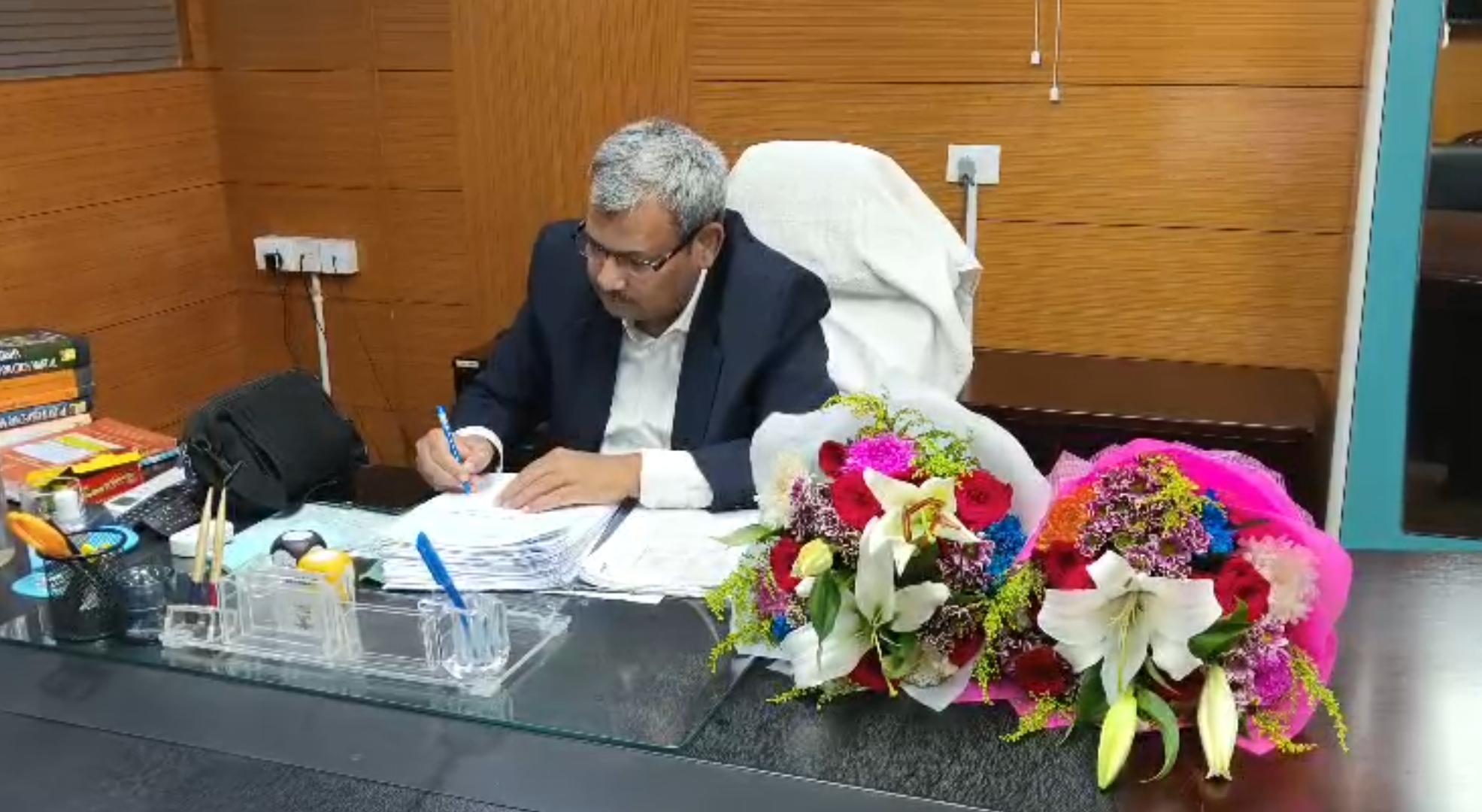
Bhubaneswar: Justice Satrughana Pujahari on Monday assumed charge as the Chairperson of the Odisha Human Rights Commission (OHRC), beginning his second term in the role and signalling continuity in the state’s human rights oversight framework.

A former judge of the Orissa High Court, Justice Pujahari brings extensive experience from both the judiciary and public administration. His reappointment reflects institutional confidence in his leadership, particularly following his earlier tenure that commenced in February 2023.

During his previous term, the Commission focused on strengthening access to justice and improving responsiveness in addressing human rights violations. It also undertook initiatives aimed at raising awareness and ensuring timely intervention in cases involving vulnerable and marginalised communities.

Speaking after assuming office, Justice Pujahari said the Commission is “committed to the protection of human dignity and rights” and would continue to prioritise accessibility and accountability in its functioning.

“Special emphasis will be placed on ensuring timely redressal of grievances, promoting awareness, and safeguarding the interests of the most vulnerable sections through a fair and transparent approach,” he added.

The Odisha Human Rights Commission, a statutory body, plays a critical role in monitoring, protecting, and promoting human rights across the state. With Justice Pujahari at the helm again, the Commission is expected to build on its existing initiatives and deepen its engagement with stakeholders to strengthen institutional effectiveness.

Amit Shah targets Congress over naxalism in Bastar, cities governance failures

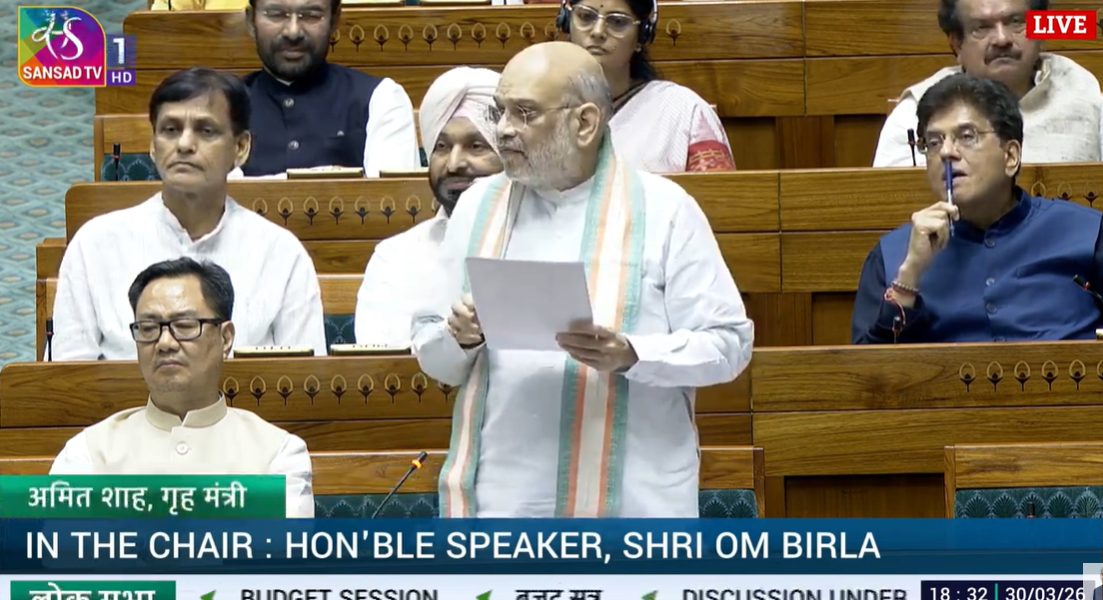
New Delhi: Union Home Minister Amit Shah on Monday criticised the Congress over alleged governance failures in Chhattisgarh’s Bastar region, saying tribal communities were pushed towards Maoist ideology due to a lack of state outreach.

Speaking in the Lok Sabha, Shah said the roots of Naxalism go back several decades, and the problem deepened during earlier regimes. Referring to former Prime Minister Indira Gandhi, he said early warning signs were not addressed, which allowed the movement to expand over time.

“The root cause of Naxalism is not the demand for development. It is an ideology that Indira Gandhi embraced in 1970 to win the presidential election. Naxalism spread because of this Leftist ideology,” the minister said in a post on X.

He said the core of Naxalism was ideological rather than developmental and linked its spread to political decisions taken in the past.

Highlighting the scale of the insurgency, Shah said nearly a dozen states, including Chhattisgarh, Jharkhand, Odisha, and Maharashtra, were once affected, forming the so-called “Red Corridor”.

“Twelve states- Chhattisgarh, Telangana, Andhra Pradesh, Odisha, Maharashtra, Madhya Pradesh, Jharkhand, Bihar, Bengal, Kerala, parts of Karnataka, and three districts of Uttar Pradesh were affected. A complete ‘Red Corridor’ was formed, and the rule of law ended there. Twelve crore people lived in poverty for years, and no one showed any concern. Thousands of young lives were lost. Many were left permanently disabled or crippled for the rest of their lives. Who is responsible for this?” Shah said in the House.

He further said the rule of law had weakened in these areas, with widespread poverty and significant loss of young lives during the peak of the insurgency. He added that around 20,000 youths lost their lives over the years due to the conflict.

Shah also accused the Congress of neglecting development in affected regions. He said basic facilities such as housing, clean water, schools, mobile connectivity, and banking services did not reach these areas for decades. He added that development gained pace after 2014 under the leadership of Narendra Modi.

The home minister added that the intensity of the insurgency was reflected in the sourcing of weapons by Naxal groups. He said nearly 92% of the arms used by them were looted from police forces.

He said the situation has improved in recent years due to stronger governance, development initiatives, and security operations, which have reduced the influence of Naxal groups in affected regions.

Sheetal Devi named ‘Para Archer of the Year 2025’

New Delhi: India’s Sheetal Devi has been named ‘Para Archer of the Year 2025’ by World Archery, adding to her growing list of achievements that includes a historic world championship title.

The 19-year-old from Jammu and Kashmir became the first female armless archer to win gold at the World Para Archery Championships after securing the top spot in the women’s compound individual event in Gwangju, South Korea, last year.

Born without arms, Sheetal uses her feet, legs, and shoulder to draw the bow and release arrows. She also completed a full medal set at the World Championships, winning silver in the women’s team event and bronze in the mixed team event, according to media reports.

In a post on X, Sheetal said: “Nominated alongside the best para archers in the world and now named the best para archer by
@worldarchery – this one feels deeply personal. A heart filled with gratitude, with emotion, with everything this journey has held. Thank you.”

Along with her world title, she has won a bronze medal in the mixed team event at the Paris Paralympics. She also secured individual silver medals at the 2022 Asian Para Games and the 2023 Asian Championships in Bangkok.

Union Youth Affairs and Sports Minister Dr. Mansukh Mandaviya shared the news on X, calling it a moment of immense pride for the country.

“Heartiest congratulations to Sheetal Devi on being named ‘Para Archer of the Year 2025.,’ he said.

Meanwhile, Emircan Haney of Turkey was named Archer of the Year after winning the Hyundai Archery World Cup Final in Nanjing.

French recurve archer Baptiste Addis received the Young Star of the Year (under-21) award.

The 2025 World Archery Awards recognise outstanding athletes and officials for excellence, fair play and commitment to the sport. The winners were announced during a livestream hosted by Bernardo Oliveira, with panellists Lizzy Rees, Audrey Adiceom and Willem Bakker.

Odisha to celebarte ‘Odia Pakhya’ with statewide cultural events from April 1

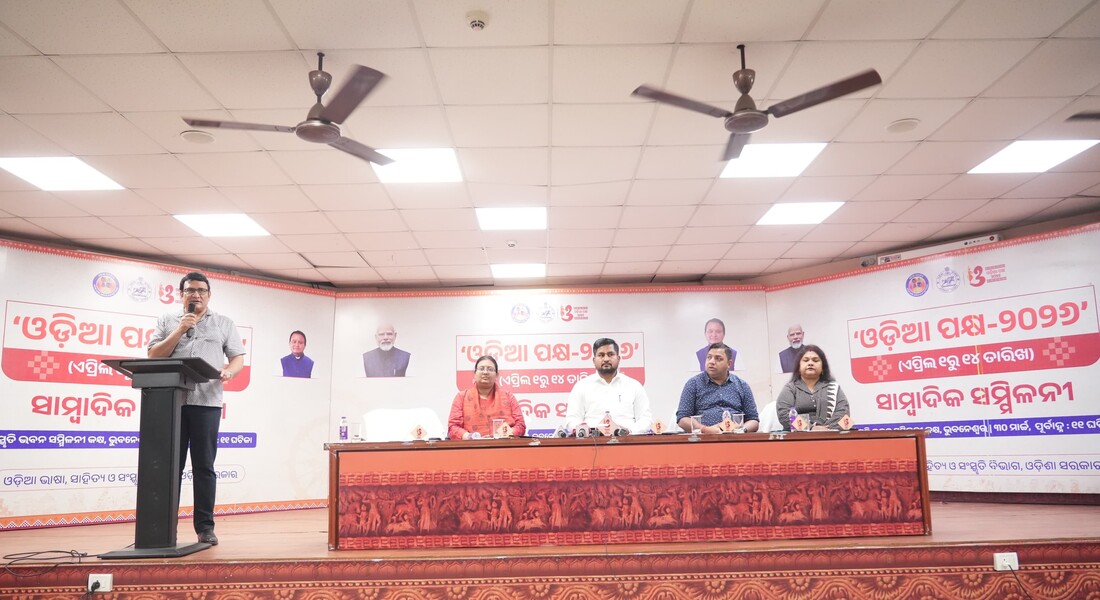
Bhubaneswar: The government of Odisha will celebrate ‘Odia Pakhya’, a 14-day cultural festival, from April 1 to April 14 across the State, marking the period from Odisha Day to the Odia New Year.

The announcement was made by Culture Minister Suryabanshi Suraj during a press conference in Bhubaneswar. He said the festival, introduced in 2025, will be observed on a greater scale and with more participation this year.

The minister said Odia Pakhya aims to reconnect people with Odisha’s cultural heritage and traditions. He added that the initiative seeks to promote the Odia language, literature, food, attire, and lifestyle through collective participation.

The celebrations will begin on April 1 with Odisha Divas, organised by the Information and Public Relations Department.

On April 2, Khadi Chuan Day will be observed for children enrolling in pre-primary and Class I. April 3 will mark Ama Poshak Ama Parichaya Day to promote traditional attire.

A padayatra under the Odia Nameplate Campaign will be organised on April 4 to encourage the use of the Odia language in signboards.

A Heritage Run will take place on April 5 near historical sites to promote heritage awareness and the Fit India–Fit Odisha initiative.

A statewide cleanliness drive will be conducted on April 6 across temples and public places.

Shishu Katha Divas will be observed on April 7 to promote storytelling and folk traditions among children, followed by a blood donation drive on April 8.

On April 9, the Aasa Bahitie Kiniba Abhiyan will encourage reading habits among youth. Lokakala Paain Dinatie will be held on April 10 to promote folk arts and honour artists.

An Amrutapidhi Samaroh will be organised on April 11 to foster creativity among children and youth. The Bandaneeya Baraputra programme will be conducted on April 12 to highlight the lives of eminent personalities of Odisha.

Ama Ruchi, Ama Khadya Divas will be celebrated on April 13 to promote traditional cuisine.

The festival will conclude on April 14 with the celebration of the Odia New Year across the State.

Naveen Patnaik slams BJP MP over remarks on Biju Patnaik

Bhubaneswar: Naveen Patnaik, president of the Biju Janata Dal and Leader of Opposition in the Odisha Assembly, on Monday strongly criticised BJP MP Nishikant Dubey over his remarks linking former State Chief Minister Biju Patnaik with the CIA.

Talking to reporters, Patnaik described the allegation as outrageous and historically unfounded.

In a post on X, Naveen said he was 13 years old at the time and clearly remembered the circumstances, adding that such statements were completely baseless.

He also criticised Dubey for making such claims against a leader of Biju Patnaik’s stature.

Referring to historical context, Patnaik highlighted his father’s role during the Sino-Indian War. He said then Prime Minister Jawaharlal Nehru had entrusted Biju Patnaik with key responsibilities and had arranged for him to operate close to the Prime Minister’s office to assist in critical operations.

The controversy began after Dubey alleged that Biju Patnaik acted as a link between the US government, the CIA, and Nehru during the 1962 war. The remarks triggered strong reactions across Odisha.

The BJD rejected the allegations as baseless, calling them an insult to the legacy of a respected leader.

Amid the row, Rajya Sabha MP Sasmit Patra resigned from a parliamentary committee chaired by Dubey. Patra said he could not continue under someone who had made disrespectful remarks about Biju Patnaik.

Patra also raised the issue in the Rajya Sabha and termed the comments an insult to Odisha’s pride and identity. BJD members demanded an apology from Dubey and staged a walkout from the House.

The party said Biju Patnaik’s contributions to India’s freedom struggle and nation-building are well documented and cannot be distorted by irresponsible remarks.

Trump signals Iran oil seizure as Middle East conflict escaltes

New Delhi: US President Donald Trump has indicated that the US could take control of Iran’s oil resources, including the strategic Kharg Island, as the Middle East conflict entered its fifth week.

In an interview with the Financial Times, Trump said his preference would be to take Iran’s oil. He suggested that the US could seize Kharg Island, which serves as Tehran’s main oil export hub, and maintain a presence there if required.

He dismissed concerns raised by critics in the US and indicated that Iran lacked strong defence capabilities, adding that the US could take control of the island easily.

The remarks came as tensions spread across Gulf nations, raising fears of attacks on energy infrastructure and pushing global oil prices higher.

Trump also said indirect negotiations between the US and Iran were ongoing through intermediaries from Pakistan and were making progress. However, he did not provide details on a possible agreement related to the Strait of Hormuz. He set an April 6 deadline for Tehran to agree to terms or face potential US strikes on its energy infrastructure.

He indicated that the US had already targeted thousands of sites and that more targets remained, while adding that a deal could still be reached quickly.

Meanwhile, Iranian Parliament Speaker Mohammad Bagher Ghalibaf said Iranian forces were prepared to respond to any US ground deployment.

The conflict intensified with the involvement of Yemen’s Houthi forces. Israeli forces intercepted drones launched from Yemen and carried out strikes on Iranian infrastructure in Tehran in response to missile attacks, theguardian.com reported.

The escalating conflict has impacted global markets. Brent crude prices crossed USD 116 per barrel, while Asian stock markets declined amid concerns about a prolonged war.

Separately, the International Atomic Energy Agency confirmed that Iran’s heavy-water production facility at Khondab sustained severe damage following recent strikes and is no longer operational.

Qatar on Monday strongly criticised Iran over attacks targeting critical infrastructure in Kuwait, CNN reported.

In an official statement, Qatar’s Ministry of Foreign Affairs said it strongly condemned the Iranian strikes, which hit a military camp, a power facility, and a water desalination plant in Kuwait. The ministry described the attacks as a serious escalation and a threat to regional stability.

India eases kerosene norms, assures adequate fuel supply amid West Asia crisis

New Delhi: The Centre has eased norms to expand kerosene distribution while asserting that petrol, diesel and LPG supplies remain adequate across the country, as India steps up measures to manage energy security amid the ongoing West Asia conflict.

According to the Ministry of Petroleum and Natural Gas, the government is maintaining continuous oversight of the evolving situation and has implemented a series of steps to ensure uninterrupted availability of essential fuels and stability across key sectors.

As part of these measures, the government has relaxed petroleum safety and licensing rules to allow sale of kerosene through select petrol pumps across 21 states and Union Territories for a limited period. Designated outlets will be permitted to store and dispense up to 5,000 litres of kerosene to households for cooking and lighting needs.

The ministry has also allocated an additional 48,000 kilolitres of kerosene over and above regular supplies, with states and Union Territories asked to identify distribution points to strengthen last-mile access.

At the same time, the government has emphasised that there is no shortage of conventional fuels. All refineries are operating at high capacity with sufficient crude inventories, while petrol and diesel are available at all retail outlets across the country, the ministry stated.

To prioritise domestic availability, excise duty on petrol and diesel has been reduced by ₹10 per litre, while export levies have been imposed on diesel and aviation turbine fuel.

The ministry also addressed reports of panic buying in some regions, advising citizens not to believe rumours and assuring that fuel stocks remain sufficient to meet demand.

On the gas front, supply to priority segments such as domestic PNG and CNG transport continues at full capacity, while industrial supply is being maintained at about 80% of average consumption. Additional LNG cargoes are being sourced to sustain supplies, particularly for fertiliser plants.

LPG distribution is also continuing without disruption, with over 55 lakh domestic cylinders delivered in a single day recently. The government has increased commercial LPG allocation to up to 70% of pre-crisis levels, prioritising key sectors such as hospitality, food processing and essential services.

The ministry further noted that alternative fuel options such as kerosene and PNG are being promoted to ease pressure on LPG demand, alongside efforts to accelerate expansion of city gas distribution networks.

On the logistics front, maritime operations remain stable, with two LPG carriers carrying around 94,000 metric tonnes of cargo safely transiting the region and heading towards Indian ports. Port operations across the country continue without congestion.

The government has urged citizens to avoid panic purchases, conserve energy, and rely on official communication channels for accurate information as it continues to monitor the situation closely.