
New Delhi: The Centre has eased norms to expand kerosene distribution while asserting that petrol, diesel and LPG supplies remain adequate across the country, as India steps up measures to manage energy security amid the ongoing West Asia conflict.
According to the Ministry of Petroleum and Natural Gas, the government is maintaining continuous oversight of the evolving situation and has implemented a series of steps to ensure uninterrupted availability of essential fuels and stability across key sectors.
As part of these measures, the government has relaxed petroleum safety and licensing rules to allow sale of kerosene through select petrol pumps across 21 states and Union Territories for a limited period. Designated outlets will be permitted to store and dispense up to 5,000 litres of kerosene to households for cooking and lighting needs.
The ministry has also allocated an additional 48,000 kilolitres of kerosene over and above regular supplies, with states and Union Territories asked to identify distribution points to strengthen last-mile access.
At the same time, the government has emphasised that there is no shortage of conventional fuels. All refineries are operating at high capacity with sufficient crude inventories, while petrol and diesel are available at all retail outlets across the country, the ministry stated.
To prioritise domestic availability, excise duty on petrol and diesel has been reduced by ₹10 per litre, while export levies have been imposed on diesel and aviation turbine fuel.
The ministry also addressed reports of panic buying in some regions, advising citizens not to believe rumours and assuring that fuel stocks remain sufficient to meet demand.
On the gas front, supply to priority segments such as domestic PNG and CNG transport continues at full capacity, while industrial supply is being maintained at about 80% of average consumption. Additional LNG cargoes are being sourced to sustain supplies, particularly for fertiliser plants.
LPG distribution is also continuing without disruption, with over 55 lakh domestic cylinders delivered in a single day recently. The government has increased commercial LPG allocation to up to 70% of pre-crisis levels, prioritising key sectors such as hospitality, food processing and essential services.
The ministry further noted that alternative fuel options such as kerosene and PNG are being promoted to ease pressure on LPG demand, alongside efforts to accelerate expansion of city gas distribution networks.
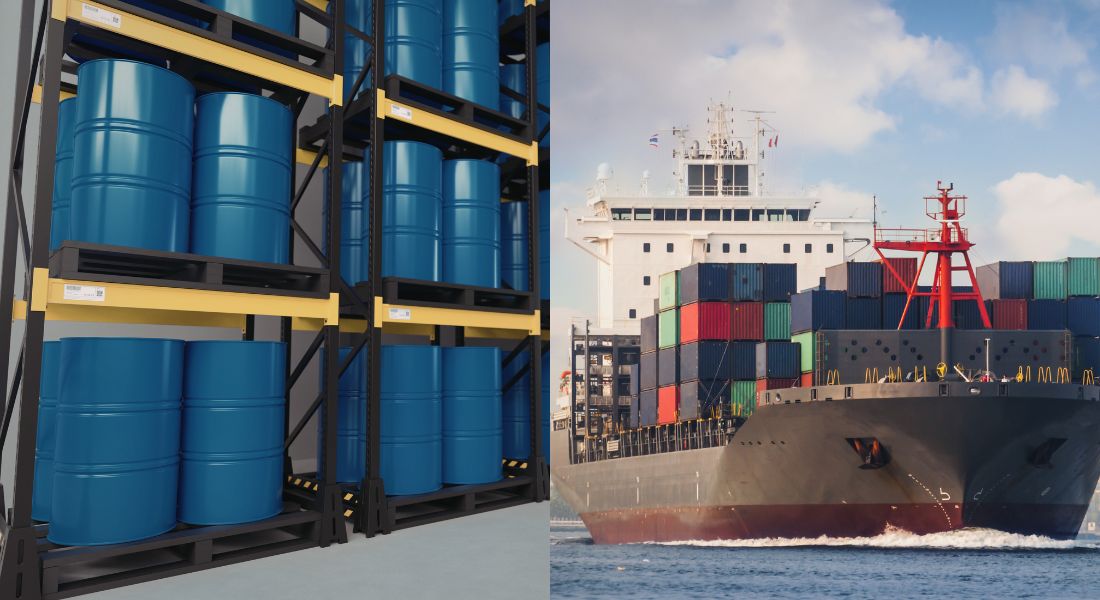
On the logistics front, maritime operations remain stable, with two LPG carriers carrying around 94,000 metric tonnes of cargo safely transiting the region and heading towards Indian ports. Port operations across the country continue without congestion.
The government has urged citizens to avoid panic purchases, conserve energy, and rely on official communication channels for accurate information as it continues to monitor the situation closely.