At IndiaVerve, we go beyond the noise to bring you meaningful stories of change, resilience and progress—from India to the world stage. Our mission is to bring readers credible, wide-ranging coverage across politics, business, sports, culture, society and more.

NMDC crosses 50 MT output, records highest iron ore production in FY25-26

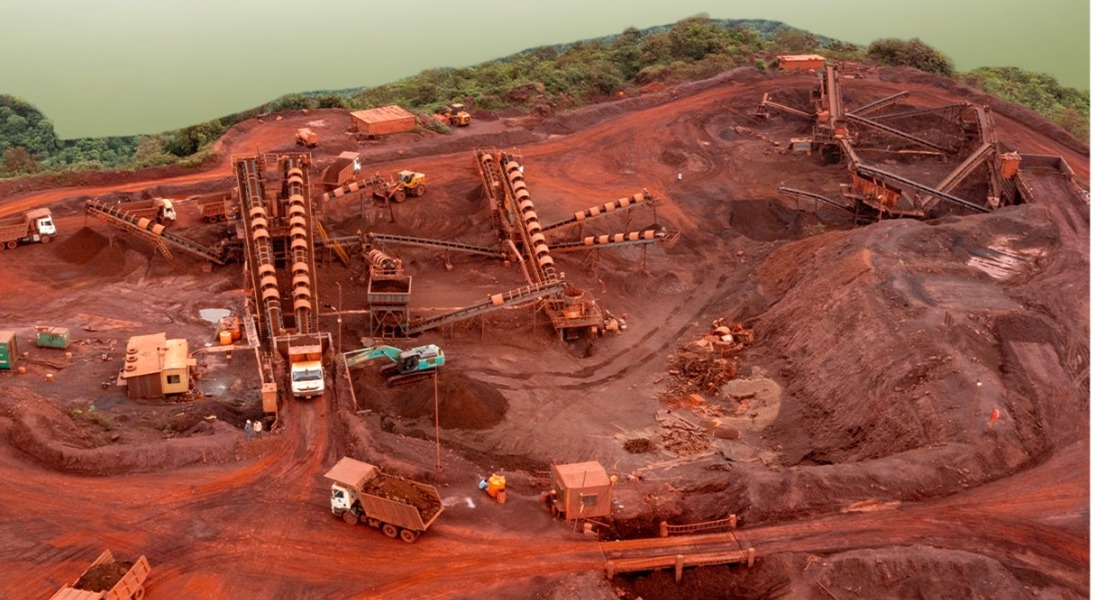
New Delhi: NMDC has achieved a historic milestone by producing over 53 Million Tonnes (MT) of iron ore in the financial year 2025-26, becoming the first company in India to cross the 50 MT annual production mark.

The company reported total production of 53.15 MT and sales of 50.23 MT during FY25-26, registering growth of 21% and 13% respectively over the previous year. Officials said the performance marks the highest output since the company’s inception.

In March 2026 alone, NMDC produced 5.35 MT and sold 5.90 MT of iron ore, recording growth of 51% and 40% respectively compared to the same period last year, according to an official statement.

The company said the record output was driven by strong performance at key mining complexes, including Kirandul and Bacheli in Chhattisgarh and Donimalai in Karnataka, which achieved their best-ever production levels.

The company also expanded its operations during the year. It opened an international office in Dubai, operationalised its first coal mine in Jharkhand, and commissioned Deposit 4 at Bailadila in Chhattisgarh to strengthen production capacity.

Chairman and Managing Director Amitava Mukherjee said crossing the 50 MT mark is a significant milestone for both the company and the mining sector. He noted that rising steel demand driven by infrastructure growth positions NMDC to play a key role in meeting future requirements.

Officials said NMDC’s high-grade iron ore continues to support major steel producers and contributes to infrastructure development and manufacturing growth in the country.

The company has set a long-term target of achieving over 100 MT of iron ore production capacity by 2030 through expansion projects, capacity enhancement, and infrastructure development.

Officials added that NMDC aims to align its growth plans with the national vision of Viksit Bharat while ensuring raw material security and supporting sustained economic growth.
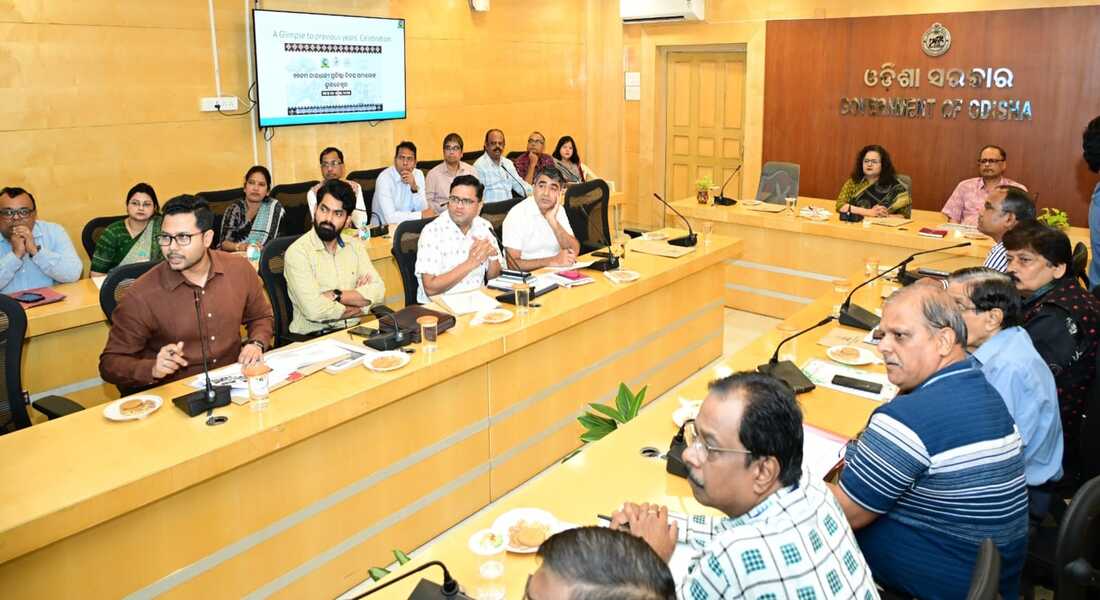
Odisha government reviews LPG supply, pushes PNG shift with stricter safeguards

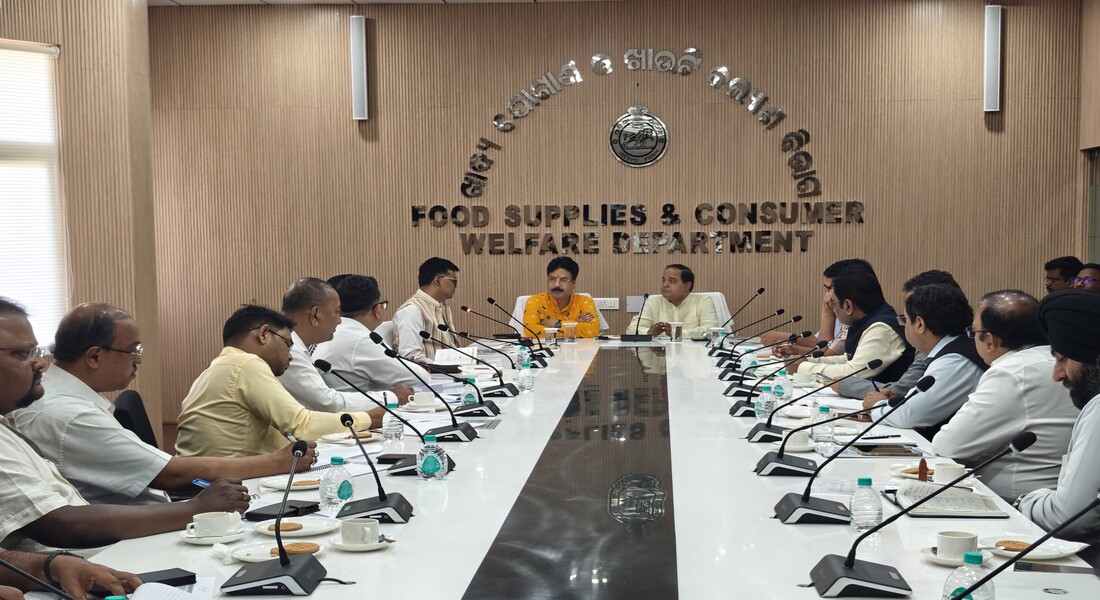
Bhubaneswar: A high-level meeting chaired jointly by Food Supplies and Consumer Welfare Minister Krushna Chandra Patra and Housing and Urban Development Minister Dr. Krushna Chandra Mahapatra reviewed measures on Thursday to streamline the supply of LPG and petroleum products across the state.

The meeting focused on accelerating the transition to Piped Natural Gas (PNG) and strengthening digital safeguards to ensure transparency in distribution.

Officials said gas agencies have been directed to implement biometric authentication, including fingerprint and iris verification, for all deliveries to curb irregularities and prevent black marketing. Minister Patra warned that strict action would be taken against any supply chain violations.

Authorities clarified that households receiving PNG connections will have their LPG connections decommissioned to optimise resource use. District Collectors have been asked to extend full administrative support to gas companies for the timely pipeline infrastructure development.

Minister Mahapatra said urban areas need to reduce dependence on LPG and move towards PNG. He directed government offices and commercial establishments to adopt PNG connections and said the department will provide faster approvals for the transition.

He also instructed officials to prioritise PNG infrastructure development in Puri ahead of the upcoming Rath Yatra to meet increased demand during the festival period.

Principal Secretary of the Food Supplies and Consumer Welfare Department Sanjay Kumar Singh said agencies must ensure full compliance with the Delivery Authentication Code system to prevent false delivery notifications. He added that the government is closely monitoring supply through a 24-hour control room and assured that there is no shortage of gas.

Officials from oil companies informed that a five-day buffer stock is being maintained and real-time inventory data is being shared with the department. They added that priority sectors such as schools, anganwadis, Aahar centres, and hospitals will receive uninterrupted gas supply.

Chief Secretary reviews Bhubaneswar’s 78th foundation day preparations

Bhubaneswar: A preparatory meeting for the 78th foundation day celebrations of Odisha’s capital city was held on Thursday at Lok Seva Bhavan under the chairpersonship of Chief Secretary Anu Garg.

The meeting reviewed arrangements for organising the celebrations in a coordinated manner, with instructions issued to concerned departments and institutions for smooth conduct of the events.

It was decided that the foundation day will be observed over two days on April 13 and 14. The second day’s programme will be held in coordination with the state government’s ‘Odia Pakhya’.

Details of the proposed events were presented by Bhubaneswar Municipal Corporation Commissioner Chanchal Rana. The meeting discussed organising programmes to highlight the city’s heritage, culture and development.

On April 13 morning, floral tributes will be offered at the foundation plaque at PMG Square, followed by hoisting of the foundation day flag by the chief guest. A civil parade will be organised from Rabindra Mandap to Jayadev Bhavan.

An exhibition on the capital’s heritage and achievements will be organised at Jayadev Bhavan by the Information and Public Relations Department.

Keeping in view the summer conditions, the Chief Secretary directed that morning programmes, including the parade, be completed within the scheduled time. Necessary arrangements such as drinking water, ORS and other facilities for students were advised.

In the evening, ‘Rajdhani Gaurav Samman’ will be conferred at Utkal Mandap. Winners of various competitions will also be awarded, and cultural programmes will be organised by the Odia Language, Literature and Culture Department.

On April 14, cultural programmes will be held at Utkal Mandap in coordination with ‘Odia Pakhya’. Guests will participate in the two-day celebrations.

The meeting also reviewed arrangements involving the district administration, police, fire services, health services, government and private institutions, banks and public participation.

The Bhubaneswar Development Authority will undertake cleaning, floral decoration and beautification of the foundation plaque area. Restoration of the fountain, preparation of the flag मंच, installation of welcome gates, parade management and decorative lighting from AG Square to Rabindra Mandap were also discussed.

Government buildings and major institutions across the city will be illuminated during the celebrations.

Directions were issued for media outreach, transportation arrangements for students, and coordination among police, transport, health, fire and emergency services for security and traffic management.

Several senior officials, including Development Commissioner and Additional Chief Secretary Deoranjan Kumar Singh, senior departmental officers, district officials and members of the foundation day celebration committee, attended the meeting and shared their views.

1,889 Anganwadi centres inaugurated to boost grassroots childcare in Odisha

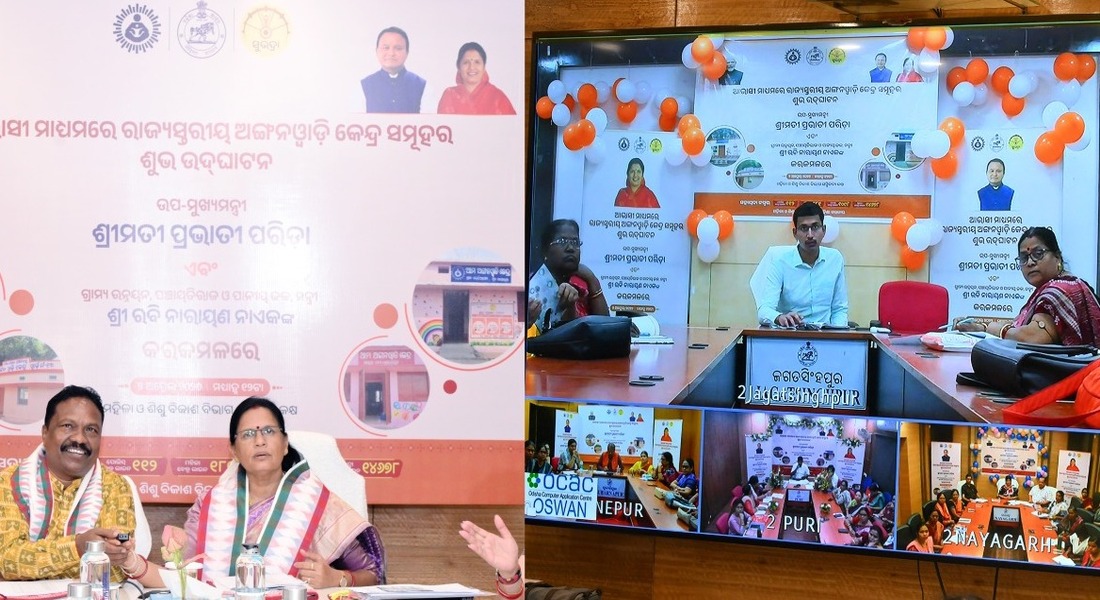
Bhubaneswar: In a major push to strengthen early childhood care infrastructure, the Odisha government on Thursday inaugurated 1,889 newly built Anganwadi Centres (AWCs) across all 30 districts.

The inauguration was carried out virtually by Deputy Chief Minister Pravati Parida, who also holds the Women and Child Development, Mission Shakti and Tourism portfolios. The event was attended by Rural Development, Panchayati Raj and Drinking Water Minister Rabi Narayan Naik at the state’s Women and Child Development conference hall.

Emphasising the government’s commitment to improving service delivery at the grassroots, Parida reiterated the vision of building “Sundar, Sakhyam, Sudrudha Anganwadi” — focusing on centres that are aesthetically developed, capable and structurally strong. She also interacted with officials from multiple districts, including Balasore, Ganjam, Cuttack, Angul and Deogarh, to review construction progress and ensure timely completion of remaining projects.

Naik highlighted the importance of sustained investment in early childhood infrastructure, noting that children enrolled in these centres would contribute significantly to Odisha’s long-term development goals, including the state’s vision for 2036.

The large-scale rollout of Anganwadi centres, according to an official release, was made possible through coordinated efforts between the Women and Child Development Department and the Panchayati Raj and Drinking Water Department, ensuring better implementation at the district level.

Senior officials, including Commissioner-cum-Secretary of the Women and Child Development Department, Dr Mrinalini Darswal, were present at the programme. District collectors, chief development officers and field-level functionaries from all 30 districts joined the event virtually.

India’s defence exports hit record Rs 38,424 crore in FY25-26

New Delhi: India’s defence exports reached an all-time high of Rs 38,424 crore in the financial year 2025-26, registering a growth of Rs 14,802 crore or 62.66% over the previous year.

The figures show a sharp rise from Rs 23,622 crore recorded in FY 2024-25, reflecting strong momentum in the country’s defence manufacturing sector, according to an official statement.

Officials said Defence Public Sector Undertakings (DPSUs) contributed 54.84% of the total exports, while the private sector accounted for 45.16%.

Defence Minister Rajnath Singh praised the performance of the Department of Defence Production and defence exporters, and said the country is steadily moving towards becoming a global hub for defence manufacturing. He said the growth reflects the vision of Prime Minister Narendra Modi to position India among leading defence exporters.

Officials said exports by DPSUs grew by 151% compared to the previous year, while private companies recorded a 14% increase. In value terms, the private sector contributed Rs 17,353 crore, while DPSUs accounted for Rs 21,071 crore. In the previous fiscal, these figures stood at Rs 15,233 crore and Rs 8,389 crore respectively.

The data indicates that defence exports have nearly tripled over the past five years, highlighting growing global demand for Indian-made defence equipment. India is currently exporting to more than 80 countries, with the number of exporters rising to 145 from 128 in the last fiscal.

Officials said the increase reflects wider acceptance of Indian defence products and deeper integration into global supply chains. They added that government efforts to improve the ease of doing business and streamline export procedures have supported this growth.

The Department of Defence Production has also introduced a revamped online portal and simplified procedures for export authorisations to facilitate exporters and enhance efficiency.

Centre waives customs duty on petrochemicals till June 30

New Delhi: The Centre has announced a full customs duty exemption on a range of critical petrochemical products till June 30, 2026, as part of a targeted relief measure to address supply disruptions triggered by the ongoing West Asia conflict.

According to a notification from the Ministry of Finance, the decision aims to ensure uninterrupted availability of key petrochemical inputs for domestic industries, reduce cost pressures on downstream sectors, and maintain supply stability in the country.

The exemption is expected to benefit industries heavily dependent on petrochemical feedstock and intermediates, including plastics, packaging, textiles, pharmaceuticals, chemicals, automotive components, and other manufacturing segments. The move is also likely to ease price pressures for consumers of finished goods.

The list of exempted products includes key chemicals and industrial inputs such as methanol, anhydrous ammonia, toluene, styrene, vinyl chloride monomer, monoethylene glycol, phenol, acetic acid, purified terephthalic acid, and a wide range of polymers and resins including polyethylene, polypropylene, PVC, polystyrene, ABS, and synthetic rubbers like polybutadiene and styrene butadiene.

ALSO READ: PM Modi chairs CCS meet, reviews measures amid West Asia conflict

The decision comes against the backdrop of disruptions in global supply chains due to the ongoing conflict in West Asia, which has affected shipping routes and raised concerns over imports of critical commodities such as crude oil, natural gas, and fertilisers. Global crude prices have surged significantly since the escalation of hostilities in the region, adding to inflationary pressures.

In recent weeks, the government has also taken additional steps to cushion the domestic economy from rising fuel costs, including cuts in excise duty on petrol and diesel, as well as export duties on diesel and aviation turbine fuel.

The latest customs duty exemption is being seen as a short-term but strategic intervention to stabilise industrial supply chains and support economic resilience amid continued global uncertainty.

IIT Bombay Racing Team unveils India’s first driverless formula student car

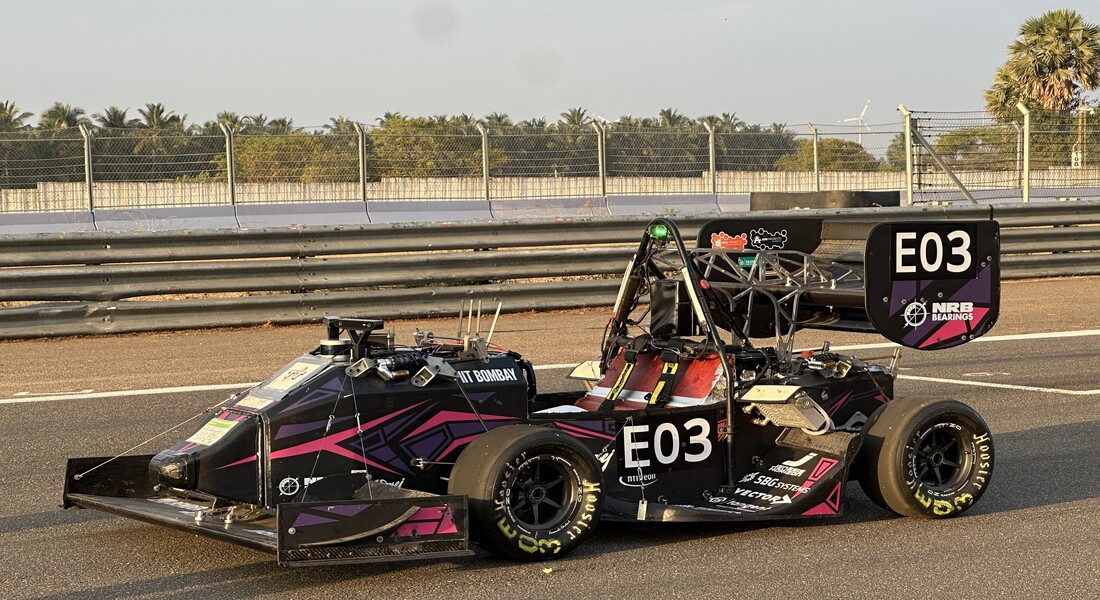
New Delhi: IIT Bombay Racing Team showcased India’s first driverless Formula Student car at Formula Bharat 2026, marking a major milestone in the country’s student-led autonomous vehicle development.

The team also secured third place overall in the competition and finished first in the static events category, reflecting strong performance in engineering design and technical evaluation.

Officials said the unveiling of the driverless car represents a significant step forward for autonomous mobility within India’s student engineering ecosystem. The team presented the vehicle alongside the competition, offering participants, judges, and industry experts an opportunity to observe the technology firsthand, IIT Bombay said in a post on X.

Formula Bharat is India’s premier Formula Student event, where engineering teams design, build, and validate formula-style race cars. While teams typically compete in defined categories, IIT Bombay Racing introduced its autonomous platform as an independent showcase.

The team said the driverless vehicle integrates advanced perception, localisation, and control systems developed entirely by students. It added that the project involved months of interdisciplinary collaboration, testing, and engineering refinement.

Faculty advisor Archak Mittal guided the team through the project, while the institute, IIT Bombay, and industry partners supported the initiative.

Officials said the achievement sets a new benchmark for student innovation in India and contributes to the growing focus on autonomous vehicle research and development. The team added that it will continue to work on advancing motorsport engineering and autonomous mobility technologies.

BCGCL, MCL sign land lease for Lakhanpur coal gasification project

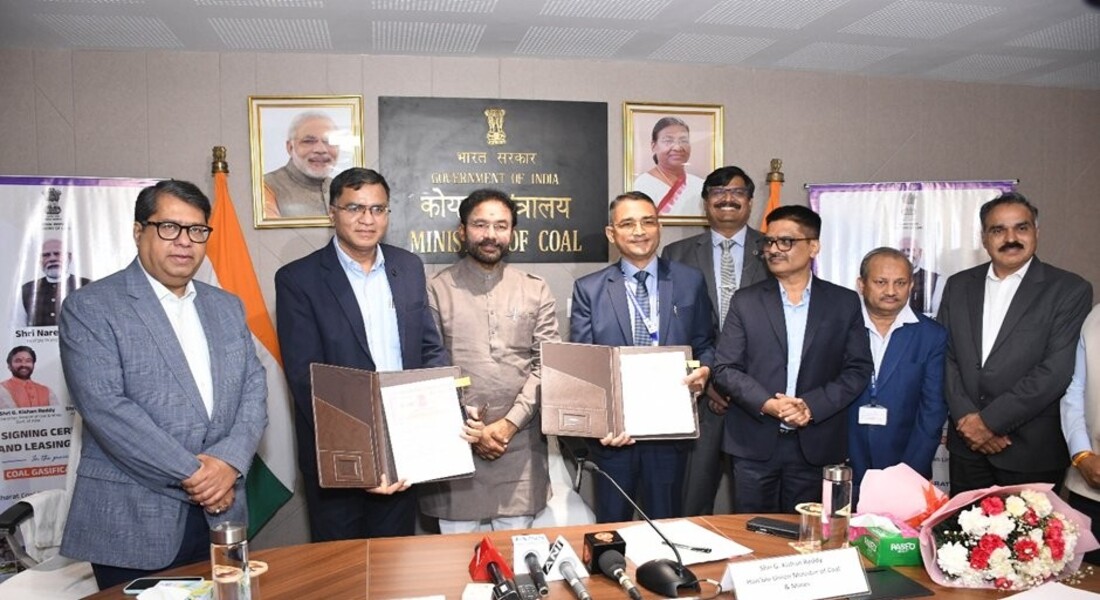
New Delhi: A landmark land leasing agreement was signed between Bharat Coal Gasification and Chemicals Limited (BCGCL) and Mahanadi Coalfields Limited (MCL) on Wednesday for a coal-to-ammonium nitrate project at Lakhanpur in Odisha, marking a key step in advancing India’s coal gasification roadmap.

The agreement was signed in the presence of Union Minister for Coal and Mines G. Kishan Reddy, who said the project aligns with the government’s push towards self-reliance and technological advancement in the energy and chemical sectors.

Officials said the project will have a capacity of 2,000 tonnes per day of ammonium nitrate and will be India’s first coal gasification initiative to deploy indigenous technology developed by Bharat Heavy Electricals Limited.

Spread over around 350 acres under MCL, the project has been enabled by recent policy reforms that allow the use of coal-bearing area land for gasification projects. Authorities said these reforms aim to promote value-added utilisation of domestic coal resources and diversify the sector, the Ministry of Coal said in a release.

The Ministry of Coal has extended financial support of Rs 1,350 crore under its incentive scheme to promote coal gasification. Officials said major turnkey packages have been awarded to BHEL and Larsen & Toubro, while site development works are progressing.

Addressing the event, Minister Reddy said the government is taking focused steps to transform the coal sector in line with the vision of Atmanirbhar Bharat. He noted that India has abundant coal reserves and stressed the need to utilise them beyond conventional use through large-scale gasification.

He said the Cabinet has approved an outlay of Rs 8,500 crore to promote coal gasification and added that several projects have already been finalised. He described the Lakhanpur project, with an estimated investment of Rs 25,000 crore, as a significant step and the first indigenous project of BCGCL.

The minister further said coal gasification has the potential to reduce import dependence and conserve foreign exchange. He added that the government will support the adoption of advanced technologies while strengthening domestic capabilities and called for the timely implementation of the project.

Coal Secretary Vikram Dev Dutt said the agreement marks a major milestone and stressed the need to accelerate efforts towards self-reliance in the current global scenario. He noted that key clearances and processes are at advanced stages and urged stakeholders to ensure coordination for timely execution.

On the occasion, the minister also launched the official website of BCGCL to improve transparency and provide updates on project progress and tenders.

Officials said the project is expected to accelerate industrial growth and strengthen domestic capabilities amid global supply uncertainties. They added that the initiative supports India’s broader goal of reducing import dependence and building a resilient and future-ready economy.

PM Modi chairs CCS meet, reviews measures amid West Asia conflict

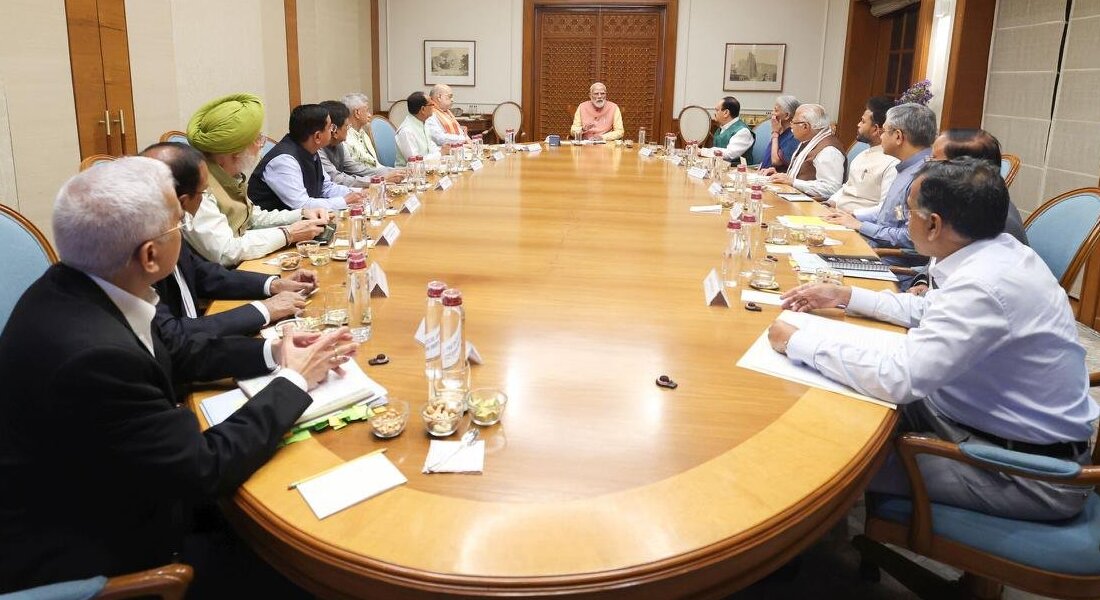
New Delhi: Prime Minister Narendra Modi on Wednesday chaired a special meeting of the Cabinet Committee on Security (CCS) to review steps taken by various ministries in response to the ongoing conflict in West Asia.

The meeting, held at 7 Lok Kalyan Marg, marked the second such high-level review on the evolving situation.

Officials briefed the prime minister on measures to ensure an uninterrupted supply of key energy resources, including LPG and LNG. The cabinet secretary said efforts are underway to diversify sourcing by securing supplies from multiple countries. He added that domestic LPG prices have remained unchanged, while enforcement actions are underway to curb hoarding and black marketing.

The government has also taken steps to expand Piped Natural Gas connections and ensure power availability during peak summer months, according to an official statement.

Officials said gas-based power plants with a capacity of 7–8 GW have been exempted from the gas pooling mechanism, while coal supply to thermal plants is being strengthened.

The CCS reviewed preparedness in other sectors, including agriculture, civil aviation, shipping, and logistics, in view of emerging challenges linked to the global situation.

Officials said efforts are ongoing to maintain urea production and coordinate international supplies of fertilisers such as DAP and NPK. States have been asked to intensify monitoring and take strict action against hoarding, diversion, and black marketing.

The government noted that retail prices of essential food commodities have remained stable over the past month. Control rooms have been set up to monitor prices and coordinate with states and Union Territories under the Essential Commodities Act. Prices of vegetables, fruits, and other agricultural products are also under watch.

The prime minister was informed that India is working to diversify global supply chains for energy and fertilisers, while also supporting international efforts to ensure the safe passage of vessels through the Strait of Hormuz.

Officials said coordination across central, state, and district administrations has been strengthened, with real-time communication and public awareness measures in place to address the evolving situation.

Modi also reviewed the availability of essential commodities and fertilisers for the upcoming Kharif and Rabi seasons. He said all necessary steps must be taken to protect citizens from the impact of the conflict and stressed the need to ensure the flow of accurate information to prevent misinformation and rumours.

He directed all departments to take proactive measures to address challenges faced by citizens and key sectors amid the ongoing global situation.

Artemis II lifts off with crew, begins historic lunar test mission

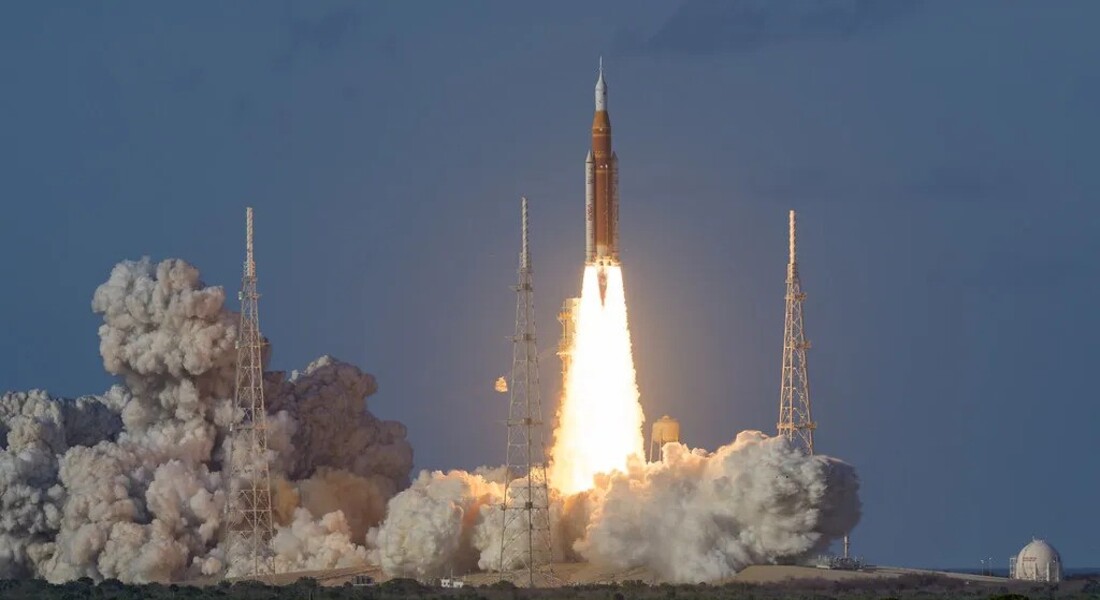
New Delhi: NASA on Wednesday successfully launched its Space Launch System (SLS) rocket carrying four astronauts aboard the Orion spacecraft, marking the start of the Artemis II mission – the first crewed journey towards the Moon in over five decades.

The rocket lifted off from Launch Pad 39B at the Kennedy Space Center at 6:35 p.m. EDT, beginning an approximately 10-day test flight around the Moon and back to Earth, NASA said in a release.

NASA Administrator Jared Isaacman said the launch marked a defining moment for space exploration and noted that the mission builds on earlier efforts to return humans to the Moon after more than 50 years. He added that Artemis II represents the beginning of a broader plan to establish a sustained human presence beyond Earth.

The mission carries NASA astronauts Reid Wiseman, Victor Glover, Christina Koch, and Jeremy Hansen of the Canadian Space Agency. It is the first crewed flight under the Artemis programme and aims to test key systems required for future deep space missions.

Officials said the mission will demonstrate life support systems with astronauts onboard and help lay the foundation for future missions to the Moon and eventually Mars.

After reaching space, the Orion spacecraft deployed its solar array wings to generate power, and teams began transitioning the vehicle into flight operations while conducting initial system checks.

NASA Associate Administrator Amit Kshatriya said the mission is a critical test phase and noted that the crew will assess the spacecraft’s performance to ensure readiness for future lunar surface missions.

Around 49 minutes after liftoff, the SLS upper stage placed Orion into an elliptical orbit around Earth. A subsequent manoeuvre is expected to send the spacecraft into a high Earth orbit before it separates from the rocket stage and continues its journey independently.

The upper stage is also set to deploy four CubeSats from international space agencies, including Argentina, Germany, South Korea, and Saudi Arabia, to carry out scientific studies and technology demonstrations.

The Artemis II mission marks a major step in NASA’s long-term plan to return humans to the Moon and expand deep space exploration.