At IndiaVerve, we go beyond the noise to bring you meaningful stories of change, resilience and progress—from India to the world stage. Our mission is to bring readers credible, wide-ranging coverage across politics, business, sports, culture, society and more.

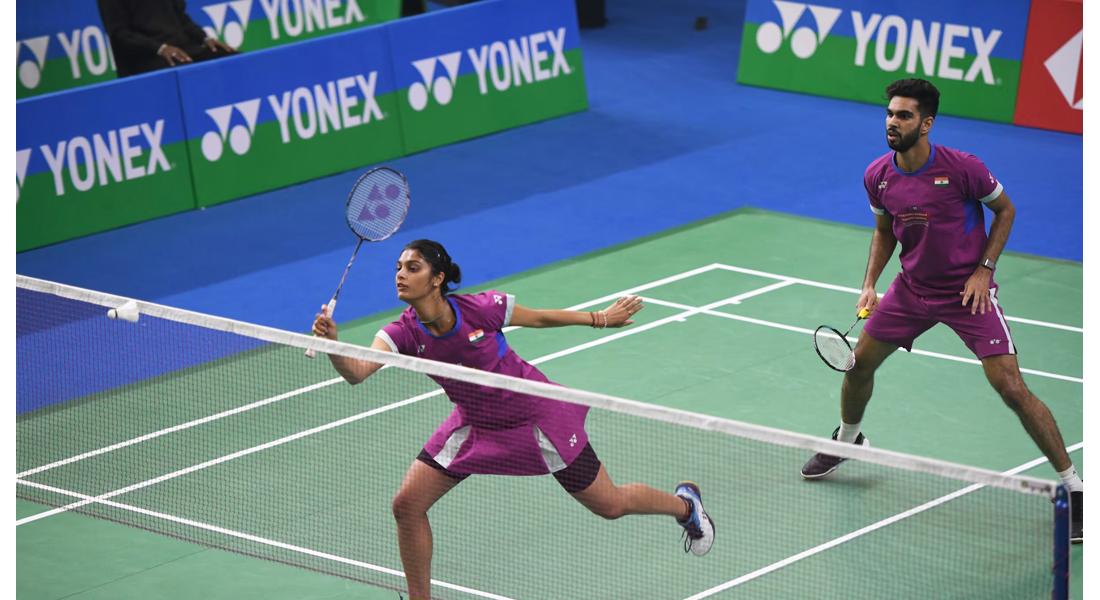
Crasto and Kapila advance to mixed doubles pre-quarterfinals at Badminton Asia Championships 2026

New Delhi: Olympian Tanisha Crasto and Dhruv Kapila advanced to the mixed doubles pre-quarterfinals of the Badminton Asia Championships 2026 in Ningbo on Tuesday. The Indian pair, ranked 20th in the world, beat Thailand’s Phuwana Horbanluekit and Benyapa Aimsaard – ranked 41st – 21-14, 11-21, 21-15 in 51 minutes. It was the first meeting between the two pairs.

Crasto and Kapila took the opening game with authority. They then lost their way in the second, allowing the Thais to level the match. The deciding game was tight up to the interval, with India holding a slender 11-10 lead at the changeover.

From that point, the Indian pair took control and did not look back, sealing their place in the next round, olympics.com reported.

Kapila and Crasto were the only Indian mixed doubles pair to make it past the first round. The duo had reached the quarterfinals at the continental championships last year, falling just one win short of a medal.

Earlier in the day, Ashith Surya and Amrutha Pramuthesh lost to Malaysia’s Wong Tien Ci and Lim Chiew Sien 21-16, 21-15 in 31 minutes. The opening game stayed close until 13-all before the Malaysians moved clear with a four-point burst.

In the second game, India led 7-3 early, but a mid-game run from the Malaysian pair proved decisive.

In the day’s other mixed doubles match, eighth seeds Goh Soon Huat and Lai Shevon Jemie of Malaysia – ranked 11th in the world – defeated Rohan Kapoor and Ruthvika Gadde 21-13, 21-19 in 34 minutes. Malaysia dominated the first game from the start. India responded strongly in the second, recovering from 2-9 down to narrow the gap to 12-13 and later push the Malaysians to 19-20. Goh and Lai, however, held firm in the closing stages to clinch the match.

India strikes gold with world record in 10m Air Pistol Mixed Team at ISSF World Cup

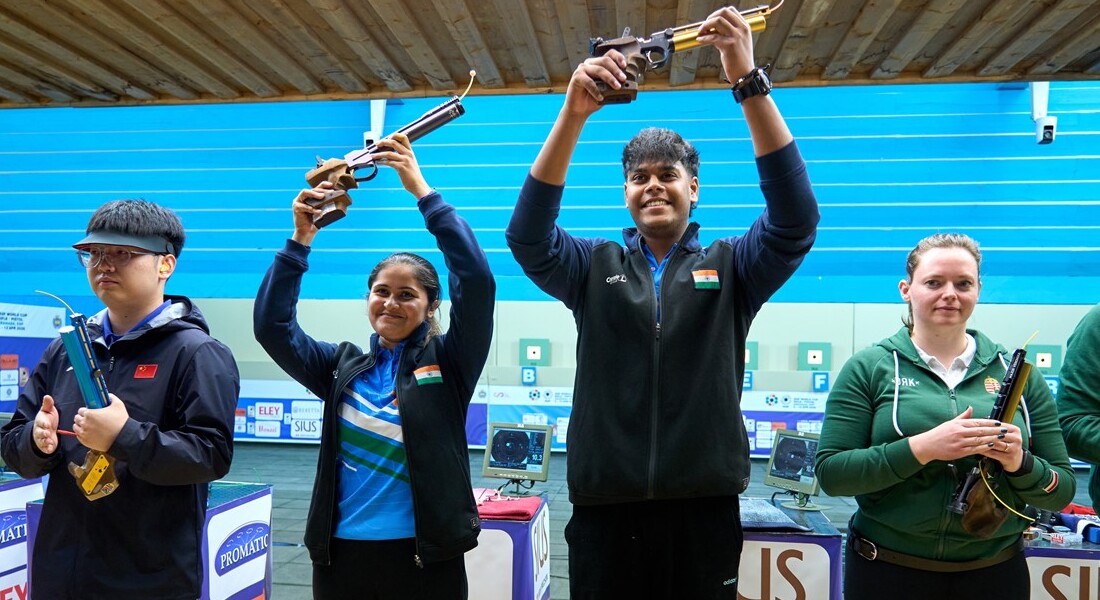
New Delhi: The Indian shooting team on Tuesday delivered a standout performance on the opening day of the finals programme at the ISSF World Cup Rifle / Pistol Granada 2026, claiming gold in the 10m Air Pistol Mixed Team event with a combined score of 487.7 points.

The performance was good enough to set both a World Record and a World Record Junior in the same breath.

The final got underway at 13:00 local time at the Las Gabias Shooting Range, Spain, with four teams competing for medals. From the early stages, it was clear that India intended to dominate. Palak Palak and Nelavalli Mukesh maintained their lead consistently throughout the contest, never allowing rivals to mount a serious challenge at the top of the standings, according to issf-sports.org.

China’s Yao Qianxun and Hu Kai were India’s closest rivals throughout the bout, eventually securing the silver medal with 484.8 points – a strong display in its own right but not enough to topple the record-breaking Indian pair. The bronze medal went to Hungary’s Veronika Major and Akos Karoly Nagy, who finished with 414.9 points. The US duo of Nathalia Tobar Prado and Nickolaus Mowrer rounded out the field in fourth place with 349.1 points.

The performance from India was not merely a points victory – it was a statement of intent. Setting both a World Record and a World Record Junior in the same final underlines just how dominant Palak Palak and Nelavalli Mukesh were on the day. The previous records are now consigned to history, and the Indian shooting community will have every reason to celebrate this landmark achievement on the international stage.

The ISSF World Cup Rifle / Pistol Granada 2026 continues with further finals events at the Las Gabias Shooting Range, with India having already ensured this edition will be remembered for one of its most compelling opening sessions in recent memory.

Gajapati police seize over 2.8 tonnes of cannabis in major anti-drug operation

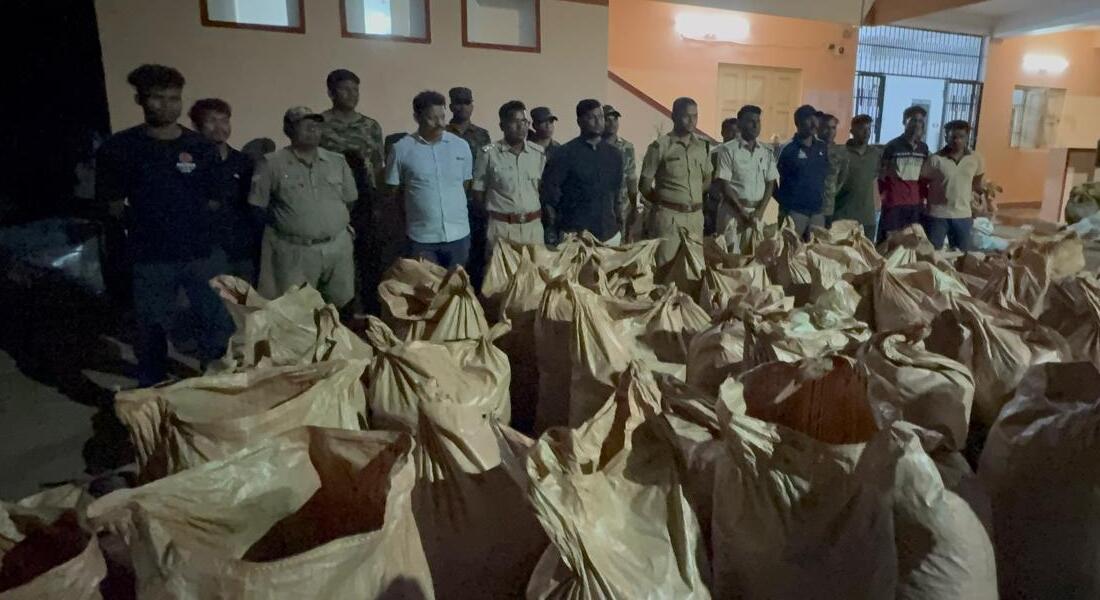
New Delhi: In a breakthrough under an ongoing anti-cannabis drive, Gajapati district police have seized approximately 2,811 kg (2.8 tonnes) of illegal cannabis during a raid in Karigeju village under Adava police station limits. The operation marks one of the significant recoveries in the district’s intensified crackdown on narcotics.

According to official information, the seizure was made during a search operation carried out in the forested and hilly areas near Karigeju village. The operation was conducted early in the morning by a special police team led by R. Udayagiri, SDPO Rakesh Sahu.

During the search, police recovered a total of 113 plastic bags in which the contraband had been concealed. The seized material was found hidden in the remote terrain, indicating organised illegal activity in the region. However, the accused managed to flee from the spot. Police have launched efforts to identify and apprehend those involved at the earliest.

In connection with the seizure, Adava Police Station has registered Case No. 70. The case has been filed under Section 20(b)(ii)(C) of the NDPS Act, which deals with offences related to commercial quantities of narcotic substances.

The latest operation is part of a broader crackdown by the district police against illegal cannabis cultivation and trafficking. Officials said that between November 18, 2025, and April 6, 2026, significant progress has been made in curbing drug-related activities across the Adava and R. Udayagiri police station areas.

During this period, a total of 11 cases were registered in the Adava police station limits, leading to the seizure of 9,676 kg of cannabis. In the R. Udayagiri police station area, four cases resulted in the seizure of more than 2,825 kg of cannabis.

Overall, in 15 cases registered so far, Gajapati district police have seized more than 12,501 kg (approximately 12.5 tonnes) of illegal cannabis. Among the major recoveries, 4,040 kg was seized from the Kesariguda area, 1,830 kg from Buripada, and 2,811 kg from the Karigeju forest region. Authorities have stated that strict action has been taken against those involved in the illegal trade.

Police sources further highlighted that a coordinated statewide drive is underway to eliminate illegal cannabis cultivation and trafficking. Acting on directives issued by Director General of Police Yogesh Bahadur Khurania, stringent enforcement measures are being implemented at the grassroots level to dismantle the network of drug trafficking across the state.

Odisha plans expanded industrilaition push, focusses on job creation, mineral utilisation

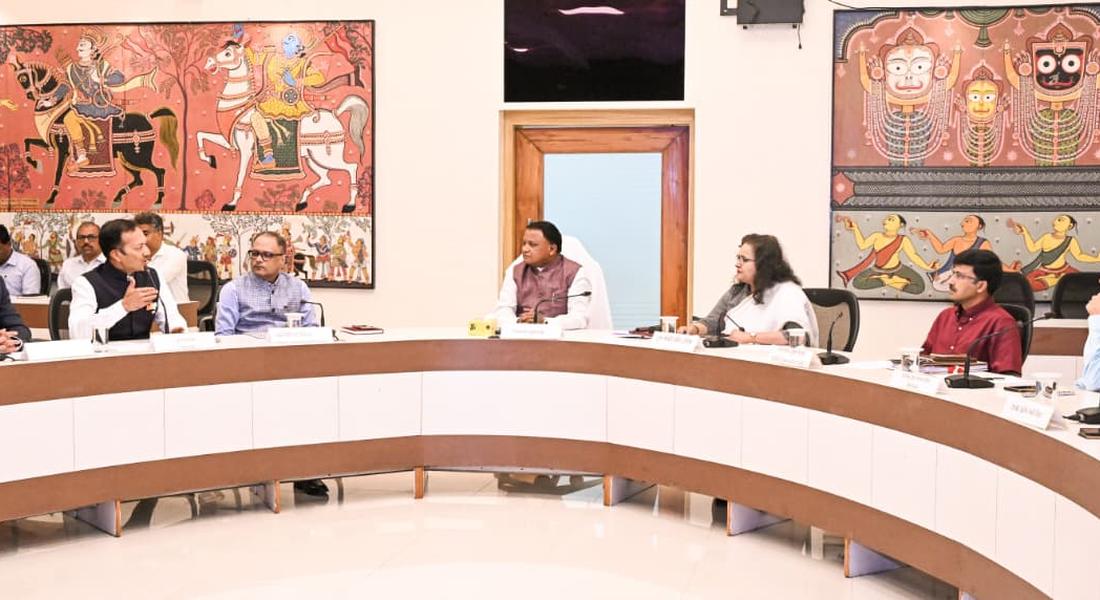
BHUBANESWAR: Under the chairmanship of Chief Minister Mohan Charan Majhi, a high-level meeting on Tuesday outlined a comprehensive roadmap aimed at expanding Odisha’s industrialisation process and accelerating the state’s economic growth.

The meeting focused on strengthening coordination with industry stakeholders while ensuring optimal utilisation of the state’s vast mineral resources. A strong emphasis was also placed on generating employment opportunities through a more structured and decentralised industrial development approach, the CM said in a post on X.

According to the decisions taken, production and dispatch mechanisms will be prioritised, with discussions held on enhancing the minimum mandatory limits under the Mineral Dispatch and Production Agreement based on evolving requirements. This move is expected to support increasing industrial demand while maintaining regulatory compliance.

In a significant step to streamline industrial project implementation, Odisha is preparing a dedicated database to provide detailed information on authorised land available for compensatory afforestation across various districts. This initiative is aimed at offering greater clarity to investors regarding land availability, thereby improving transparency and facilitating smoother project execution.

Majhi also called upon industry representatives to ensure that industrial expansion is aligned with the welfare of local communities. He stressed the importance of addressing the basic needs of residents and promoting holistic regional development alongside the establishment of industrial units.

To further enhance transparency and predictability in the sector, an annual auction calendar for the coming year has been prepared. The move is expected to bring greater stability to industrial operations and accelerate procedural timelines, making Odisha a more attractive destination for investment.

With industrialisation gaining momentum in the state, the chief minister advised increasing production levels to meet the rising demand for raw materials. This is seen as a crucial step in sustaining growth across key sectors dependent on mineral resources.

The meeting also highlighted the need to promote decentralised industrialisation by increasing the number of industrial units in mining-rich districts. Such a strategy is expected to create widespread employment opportunities and drive balanced regional development.

The state government believes that these forward-looking and strategic measures will play a vital role in positioning Odisha as a leading industrial hub in the country, while ensuring sustainable and inclusive economic progress.

Odisha girls shine in U-17 School Rugby Championship

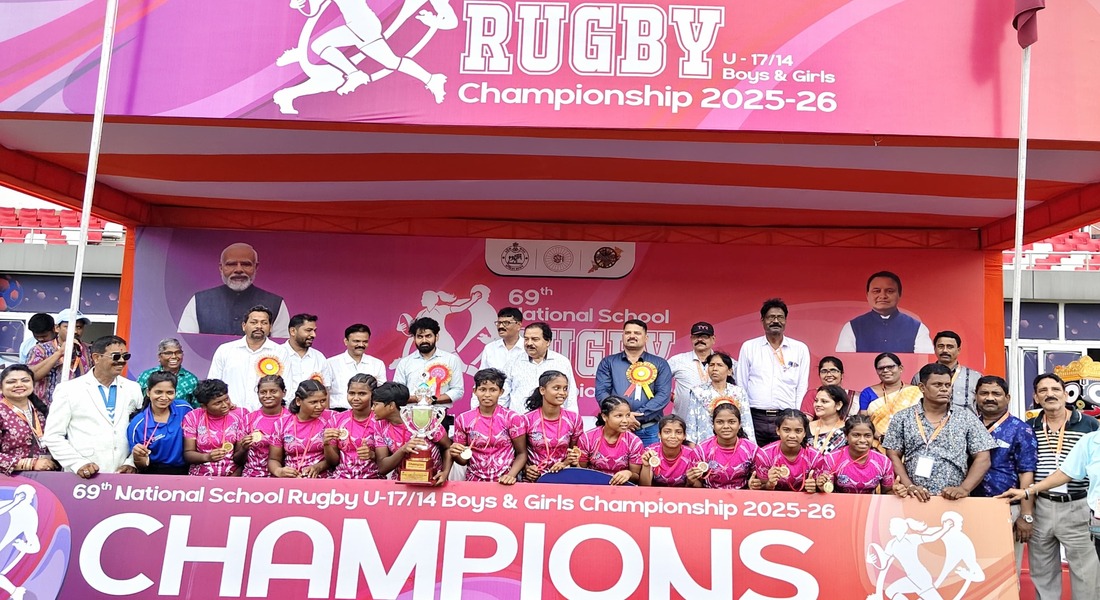
Bhubaneswar: Host Odisha clinched the Under-17 girls’ title, while Bihar emerged champions in the boys’ category at the 69th National School Games Federation of India (SGFI) Rugby Championship 2025–26, held at Kalinga Stadium here.

In the girls’ category, Odisha delivered a strong performance to secure the top position. Bihar finished as runner-up, while Maharashtra and Delhi secured third and fourth places respectively. In the boys’ category, Bihar defeated Odisha in the final to lift the title, with Odisha finishing second. Maharashtra and Rajasthan secured the third and fourth positions respectively.

The valedictory ceremony for the Under-17 competitions was attended by Director of Sports and Youth Services Dr Yeddula Vijay as the chief guest. Other dignitaries present included Director of Secondary Education Birendra Korkora, Assistant Director (PET) Jyoti Prasad Parida, and Tournament Observer Arvind Yadav.

Addressing the gathering, Dr Vijay praised the young athletes for their dedication, discipline and sportsmanship. He congratulated the winners and encouraged participants to continue striving for excellence and aim for higher levels of competition.

Birendra Korkora highlighted the importance of school sports in shaping well-rounded individuals and appreciated the efforts of all stakeholders involved in organising the championship.

Tournament Observer Arvind Yadav commended the high level of competition and appreciated Odisha for successfully hosting the event. He said such championships play an important role in promoting rugby at the grassroots level.

The championship will continue with the Under-14 boys’ and girls’ matches scheduled to be held on April 9 and 10 at Kalinga Stadium.

Odisha leads AMRUT 2.0 with strong urban water infra push

Bhubaneswar: Odisha has emerged as the leading state in the country in the implementation of the Atal Mission for Rejuvenation and Urban Transformation (AMRUT) 2.0, marking significant progress in strengthening urban water infrastructure and service delivery across cities.

Launched in October 2021 and extended till March 2027, AMRUT 2.0 focuses on ensuring universal water supply, rejuvenation of water bodies and improving urban infrastructure. In Odisha, according to an official release, the mission is being implemented across 89 Urban Local Bodies (ULBs), with a total of 345 projects approved at an estimated cost of Rs 4,030.18 crore.

Out of these, 99 projects have already been completed, while the remaining are at various stages of implementation. The state has also achieved near-total utilisation of available funds, indicating efficient financial planning and execution.

As part of the mission, Odisha has strengthened its urban water infrastructure through the commissioning of seven Water Treatment Plants with a combined capacity of 43 MLD, benefiting around 2.83 lakh citizens. Additionally, 24×7 water supply systems have been made operational in key urban areas, along with the provision of over 2.7 lakh household water connections. Overall, more than 5 lakh urban residents have directly benefited from these initiatives.

Housing and Urban Development Minister Dr Krushna Chandra Mahapatra said the state’s performance under AMRUT 2.0 reflects a focused approach towards ensuring reliable water access and efficient urban systems.

“Securing the top rank under AMRUT 2.0 reflects Odisha’s focused approach towards ensuring reliable water access and stronger urban infrastructure. Our priority is clear— every household should have access to safe water, every city should have efficient systems and every ULB should be empowered to deliver better services. We will continue to build cities that are resilient, inclusive and future-ready, aligned with the vision of a Viksit Odisha,” he said.

The state has also utilised complementary initiatives of the Ministry of Housing and Urban Affairs to further strengthen outcomes. Under programmes such as Pay Jal Survekshan and Jai Hind AMRUT, Odisha has secured incentives and advanced projects aimed at improving water management and reuse.

Community-led initiatives including AMRUT Mitra and Women for Tree have contributed to environmental sustainability through plantation drives and waterbody rejuvenation, with active participation from women self-help groups.

In addition, Odisha has introduced innovative financing mechanisms under the Credit Enhancement Initiative, enabling smaller ULBs to take up infrastructure projects and expand service delivery.

Workshop on grassroots governance held as part of ‘Sadhana Saptah’

Bhubaneswar: A workshop titled “Reimagining Capacity Building for Grassroots Governance” was organised in the capital today as part of the nationwide ‘Sadhana Saptah’ campaign being observed from April 2 to April 8, 2026.

The workshop held at Krushi Bhavan brought together stakeholders to discuss ways to strengthen governance at the grassroots level through technology, traditional practices and outcome-based approaches. The programme was jointly organised by the Capacity Building Commission (CBC), Department of Personnel and Training, Karmayogi Bharat and the Odisha government.

Addressing the event as chief guest, Rural Development, Panchayati Raj and Drinking Water Minister Rabi Narayan Naik said that strong panchayats are the foundation of inclusive and sustainable development. He emphasised the need for continuous and skill-based training systems to empower Panchayati Raj representatives and expressed commitment to bringing transformative changes at the grassroots level with the support of trained and dedicated officials.

Dr R. Balasubramaniam, Member (HR) of the Capacity Building Commission, highlighted the vision of Mission Karmayogi and the role of CBC in enhancing capacity building across government systems. He stressed the importance of shifting governance from a rule-based to a role-based approach, with a focus on citizen-centric service delivery.

Other dignitaries present at the workshop included Rajesh Kumar Singh, Joint Secretary in the Ministry of Panchayati Raj, Government of India; Girish S.N., Commissioner-cum-Secretary of the Panchayati Raj and Drinking Water Department; and Madhusmita Samal, Director of SIRD, along with other officials.

The workshop also focused on the ‘Vikshit Panchayat Karmayogi’ initiative. On the occasion, an AI-based ‘Vikshit Panchayat’ WhatsApp chatbot and a dedicated e-learning module for Panchayati Raj functionaries were launched. These tools will be available through the iGOT Karmayogi platform and are expected to support grassroots representatives with technical knowledge and quick problem-solving.

As part of the initiative, gram panchayats in Baipariguda block of Koraput district and Thakurmunda block of Mayurbhanj district have been selected as pilot areas in Odisha. The pilot project, being implemented across 60 panchayats in the country, aims to promote digital learning, active participation in Gram Sabhas and the preparation of development plans based on local needs.

Participants at the workshop underscored the importance of strengthening panchayats as a key step towards achieving the vision of a developed Odisha and a developed India.

West Asia conflict enters uncertain phase amid US contradictions and Iran’s defiance

Escalating US-Israel actions, Iran’s calibrated response and shifting global diplomacy shape an uncertain regional trajectory

More than five weeks into the ongoing West Asia conflict, the situation remains volatile, layered and deeply uncertain. What began with coordinated US-Israeli strikes on Iran on February 28 has now evolved into a wider regional confrontation marked by direct military exchanges, economic disruptions and a fragmented diplomatic response.

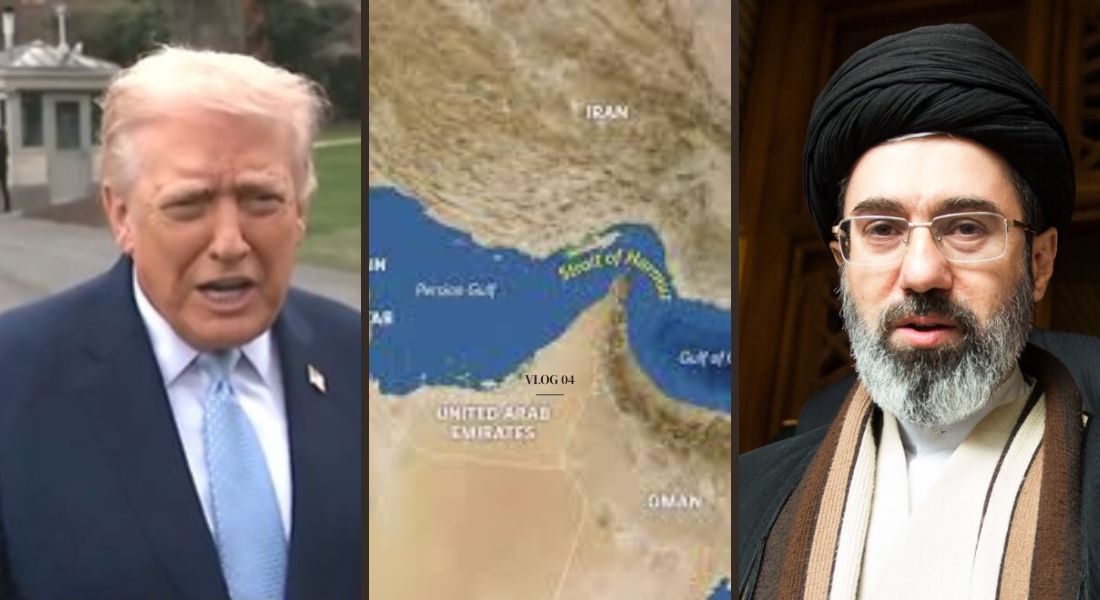
At the centre of the crisis lies the Strait of Hormuz, a critical global energy corridor through which nearly a fifth of the world’s oil supply passes. Iran’s effective control over the passage has disrupted maritime flows, contributing to global price volatility and raising concerns over energy security.

Despite sustained military pressure from the United States and Israel, Iran has not shown signs of strategic collapse. Instead, Tehran has adopted a calibrated approach that combines controlled escalation with selective restraint. While it has restricted access through Hormuz, it has allowed limited movement of essential shipments, signalling an attempt to maximise pressure without triggering a full-scale global backlash.

Military Escalation Outpaces Diplomatic Efforts

Experts suggest that the conflict has entered a phase where military actions are clearly dominating over diplomacy. “Since the onset of the conflict, hostilities have continued to escalate unabated. At present, there are hardly any discernible indications of de-escalation from either side,” says Dr Prashant Kumar Pradhan, Research Fellow and Coordinator, West Asia Centre at Manohar Parrikar Institute for Defence Studies and Analyses, New Delhi.  

“While the intensity of the conflict continues to rise, diplomatic efforts remain inadequate and disproportionate to the scale and urgency of the crisis,” he adds, highlighting the widening gap between battlefield developments and diplomatic efforts.

Echoing this assessment, Animesh Roul, Executive Director of the Society for the Study of Peace and Conflict, a New Delhi–based policy research group, describes the situation as a “military-dominant posturing by the US and Israel,” with Iran relying on “retaliatory and proxy-led actions.” He further points out that “the Strait of Hormuz is largely disrupted” and that Iran “still holds the dominant position here, restricting global oil shipments,” underlining the strategic influence Tehran currently enjoys.

From Strategic Ambiguity to Controlled Resistance

A defining feature of this phase of the conflict has been the inconsistency in messaging from Washington. US President Donald Trump has alternated between issuing severe threats, including warnings of bringing Iran “back to the Stone Age” and even using expletives, and signalling openness to negotiations. Deadlines have been announced and extended, even as military posturing has intensified. This dual approach has created strategic ambiguity, with the US simultaneously projecting coercion and conciliation.

Iran, however, has rejected negotiations under pressure, dismissing US ultimatums while warning of strong retaliation. This reflects what Dr Pradhan characterises as “steadfast and inflexible” positions on both sides, with neither showing willingness to step back.

Roul adds nuance to this contradiction, noting that while public rhetoric seems aggressive, “diplomacy is happening via backchannels,” with mediators attempting to push for talks or temporary slowdown in hostilities.

He suggests that “there could be a peace or truce on the horizon,” although the situation remains fluid and uncertain. Iran’s response has been shaped by its long-standing doctrine of asymmetric warfare and strategic resilience. Instead of matching US military strength, it has relied on measured responses, regional signalling and economic pressure.  Expectations that sustained strikes would weaken Iran internally have not materialised in any visible form. As Roul observes, “a resilient regime like Iran may not bend easily… until its major power centres remain intact.”

From Shadow Conflict to Open Confrontation

To understand the present escalation, it is necessary to situate it within a broader historical context. Hostility between the United States and Iran dates back to the 1979 Islamic Revolution and has since been marked by sanctions, proxy confrontations and periodic crises. At the same time, Israel has consistently viewed Iran’s nuclear and missile capabilities as an existential threat. What distinguishes the current phase is the shift from indirect confrontation to overt military engagement.

While the United States and Israel remain aligned in their actions, their strategic objectives appear to diverge in emphasis. Israel’s priority remains the neutralisation of Iran’s long-term military capabilities, while the United States appears to be balancing deterrence, energy security and negotiation outcomes. This divergence helps explain the inconsistency in US messaging, as Washington navigates between escalation and the need for an eventual exit strategy.

The conflict has also raised concerns about regional expansion. Dr Pradhan warns that “if [Gulf states] choose to initiate offensive operations against Iran, the conflict risks expanding into a wider regional war.” He notes that although these countries have so far refrained from retaliation, the risk of escalation remains significant.

Roul, however, argues that the conflict has already moved beyond its initial boundaries, stating that it “has already regionalized into a multi-theatre war,” with both state and non-state actors involved. He highlights the involvement of proxy groups such as Hezbollah and the Houthis, indicating that the conflict’s footprint is expanding even without formal declarations by additional states.

Hormuz Disruption and Global Economic Impact

The disruption of the Strait of Hormuz continues to be a major global concern. Dr Pradhan emphasises that “approximately 20 per cent of global energy supplies transit through the Strait of Hormuz,” and warns that while current disruptions may be manageable in the short term, they could lead to “severe repercussions over the medium to long term.”

Roul reinforces this concern, stating that prolonged disruption “would worsen global energy shortages” and could lead to “industrial slowdown worldwide.” The economic implications of the conflict are thus no longer regional but global in scope.

This emerging stress on global energy systems is already becoming visible. With transit volumes through the Strait significantly reduced, a substantial portion of global oil supply has been temporarily disrupted, tightening markets and pushing crude prices above the USD 100 per barrel mark. According to maritime data firm Lloyd’s List Intelligence, only around 150 vessels, including tankers and container ships, have passed through the strait since March 1, with most linked to Iran as well as countries like China, India and Pakistan. Analysts and international energy agencies have flagged the situation as a major supply shock, warning that sustained disruption could drive inflation, increase transportation and production costs, and place additional strain on energy-dependent economies, particularly across Asia.

India’s Balancing Act in a Volatile Region

Amid these developments, India has adopted a cautious approach. As Dr Pradhan notes, India “maintains cordial relations with Israel, Iran and the Arab states” and has pursued “a nuanced and balanced approach… while avoiding being perceived of overt alignment.”

Roul similarly observes that India is “playing a cautious and balancing game,” prioritising energy security and strategic autonomy. He adds that India is engaging multiple stakeholders to ensure oil tanker safety and support de-escalation efforts, while also safeguarding its diaspora and strategic assets.

The trajectory of the conflict remains uncertain. While a negotiated pause remains a possibility, both experts suggest that a full de-escalation is unlikely in the immediate term. As Roul puts it, “a full de-escalation is unlikely, and the situation is still fluid.”

At its core, the conflict in West Asia today highlights a complex and ongoing geopolitical shift. The mix of US policy contradictions, Iran’s calculated defiance, and a divided international response has resulted in a fragile and uncertain balance. What makes the situation particularly concerning is not just the intensity of the conflict, but the lack of a clear and credible pathway to resolution.

***
Saroj Pattnaik is a communications practitioner working at the intersection of media, storytelling, and social change. He focuses on shaping narratives around underreported issues and advancing discourse on development and equity. The views expressed are personal.

Rourkela hospital performs region’s first neonatal neurosurgery on 2-day-old infant

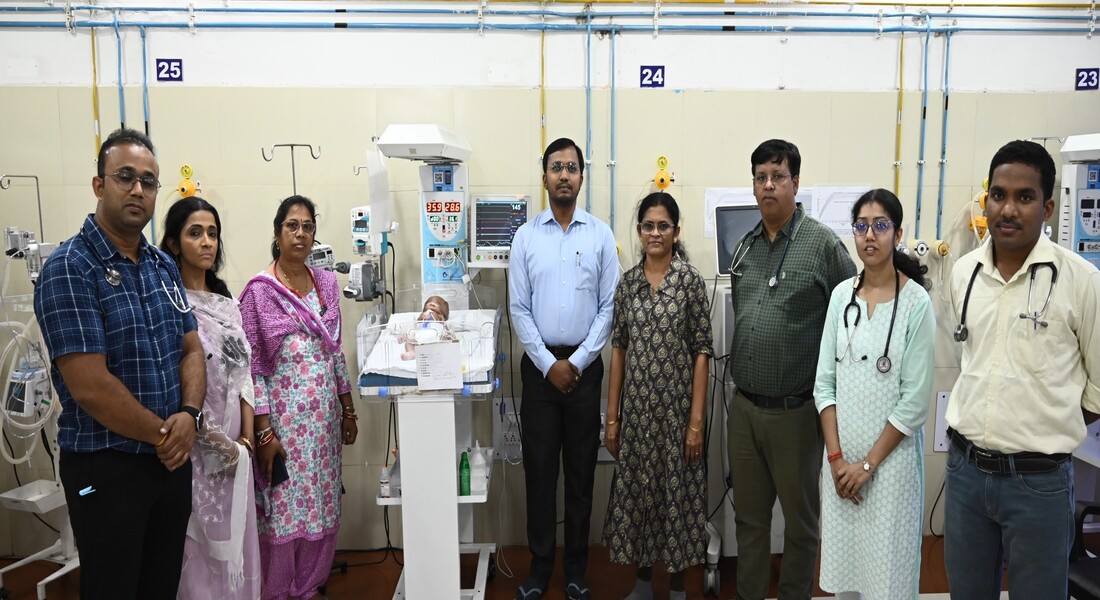
Bhubaneswar: In what doctors are calling a landmark achievement for the Rourkela region, the Neonatal ICU team at Ispat General Hospital (IGH), run by SAIL’s Rourkela Steel Plant, has successfully performed emergency brain surgery on a critically ill newborn – the first such procedure in the hospital’s history.

The complex neonatal neurosurgical procedure was the first of its kind carried out at IGH and in Rourkela.

The baby, born via Caesarean section to Suchitra Sindriya, was diagnosed immediately after birth with two serious congenital conditions: hydrocephalus – an abnormal buildup of cerebrospinal fluid causing dangerous enlargement of the skull – and meningomyelocele, a spinal defect that left an open wound on the newborn’s back and caused weakness in both legs, SAIl said in a release.

The newborn was promptly shifted to the Neonatal ICU and managed under the supervision of Dr. Jayant Acharya, CMO I/C, along with Dr. Archana Behera, Additional CMO (Paediatrics), and their dedicated medical team.

Given the life-threatening nature of the hydrocephalus and the baby’s fragile state, the medical team moved quickly to perform emergency surgery. The procedure was carried out by Senior Consultant Neurosurgeon Dr. Manoj Kumar Deo, with anaesthesia administered by Dr. Sanjukta Panigrahi. The team was supervised by Dr. Jayant Acharya and Dr. Archana Behera of the Paediatrics department.

Following surgery, the baby’s head circumference has begun returning to normal – a key indicator of recovery.

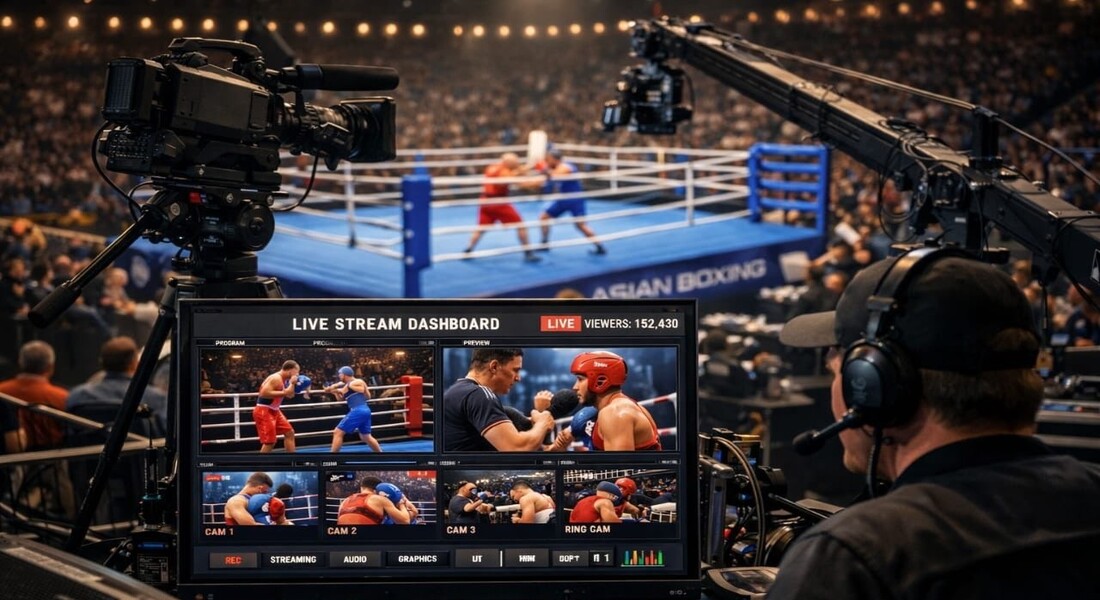
Preeti Pawar reaches women’s 54kg final at Asian Boxing Championships 2026

New Delhi: Indian boxer Preeti Pawar has booked her place in the women’s 54kg final at the Asian Boxing Championships 2026 after defeating Paris 2024 Olympic bronze medallist Aeji Im of the Republic of Korea in Ulaanbaatar, Mongolia.

Pawar dominated all three rounds against Im and secured a 5-0 unanimous decision victory. She will now face Huang Hsiao-wen of Chinese Taipei – a three-time world boxing champion and Tokyo 2020 bronze medallist – in the gold-medal bout, according to olympics.com.

In the women’s 60kg category, Priya defeated Mongolia’s Namuun Monkhor by a 5-0 unanimous decision to reach the final. She will next take on the Democratic People’s Republic of Korea’s Un Gyong Won for the title.

Arundhati Choudhary also impressed in the women’s 70kg semi-final, beating Uzbekistan’s Oysha Toirova 4-1. She will challenge Kazakhstan’s Bakyt Seidish for gold.

However, former world champion Nikhat Zareen fell to Paris 2024 champion Wu Yu of China in the 51kg semi-final. Olympic medallist Lovlina Borgohain lost to Uzbekistan’s Aziza Zokirova in the 75kg bout, while Pooja Rani went down to Kazakhstan’s Nadezhda Ryabets in the 80kg contest. Both Zokirova and Ryabets are world championship medallists. All three Indian boxers lost by identical 5-0 margins and settled for bronze medals.

In the 65kg category, Ankushita Boro lost 3-0 to Chinese Taipei’s Nien-Chin Chen, a Paris 2024 bronze medallist, and also took a bronze.

India still has more boxers to compete in the semi-finals. World champions Minakshi Hooda and Jaismine Lamboria will fight in the women’s 48kg and 57kg categories, respectively. Six Indian men will also compete in the men’s semi-finals, giving the country further chances to add to its medal tally.