At IndiaVerve, we go beyond the noise to bring you meaningful stories of change, resilience and progress—from India to the world stage. Our mission is to bring readers credible, wide-ranging coverage across politics, business, sports, culture, society and more.

Odia Pakhya becomes people’s movement, CM calls for year-round cultural integration

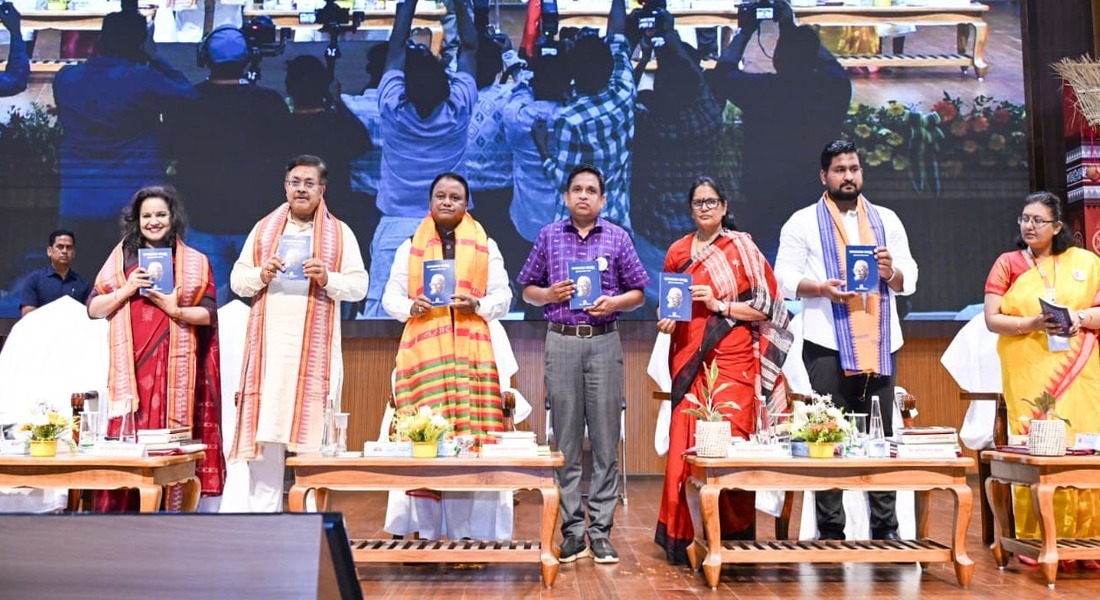
Bhubaneswar: On the concluding day of the 14-day ‘Odia Pakshya’ celebrations which also marked Maha Bishuba Sankranti and the Odia New Year, Chief Minister Mohan Charan Majhi urged people to make Odia language, literature and culture an integral part of everyday life, describing the initiative as the beginning of a broader cultural awakening.

Addressing the closing ceremony of Odia Pakhya 2026 held at OUAT Agricultural Education Hall, the Chief Minister emphasised that the linguistic and cultural identity of Odisha should not be confined to a 14-day observance but it should be embraced as a continuous way of life. He described the initiative as not just a festival but a reaffirmation of identity and the beginning of a broader cultural awakening.

Highlighting the deeper significance of the initiative, Majhi said economic growth alone cannot define progress without a strong cultural foundation. He recalled the historic efforts to preserve the Odia language and noted that contributions from literary figures such as Gangadhar Meher, Radhanath Ray, Madhusudan Rao, and Fakir Mohan Senapati continue to shape the state’s cultural identity.

The 14-day celebration, which began on Utkal Divas, witnessed a series of initiatives aimed at reconnecting people with Odia heritage. Campaigns promoting traditional handloom, school enrolment drives, and the use of Odia signboards in commercial spaces were among the key efforts that gained widespread participation.

Officials said the programme also included distribution of over 18,000 educational books, a record blood donation drive, and cultural events such as a folk art roadshow in Pipili. The growing recognition of traditional food practices like Pakhala and the promotion of folk arts were highlighted as indicators of renewed cultural pride.

In a significant push to institutional support, the state has allocated ₹614 crore in the current budget for the development of Odia language, literature, and culture. Plans are underway to establish a Chhau Academy and develop birthplaces of eminent personalities into cultural tourism centres.

The government also announced measures to strengthen the use of Odia in official work and make its teaching mandatory in schools, aligning with long-term development goals under Vision 2036 and 2047.

Meanwhile, efforts to take Odia culture to global platforms received a boost with the appointment of celebrity chef Ranveer Brar as brand ambassador for Odia cuisine. The initiative aims to promote traditional culinary practices internationally while preserving their cultural roots.

Senior ministers and officials present at the event described the initiative as a turning point in reconnecting people with Odisha’s cultural traditions, noting that the programme has gained recognition as a statewide people’s festival

Dharmendra Pradhan launches Rs 375 crore projects in Kuchinda, Bamra and Jamankira

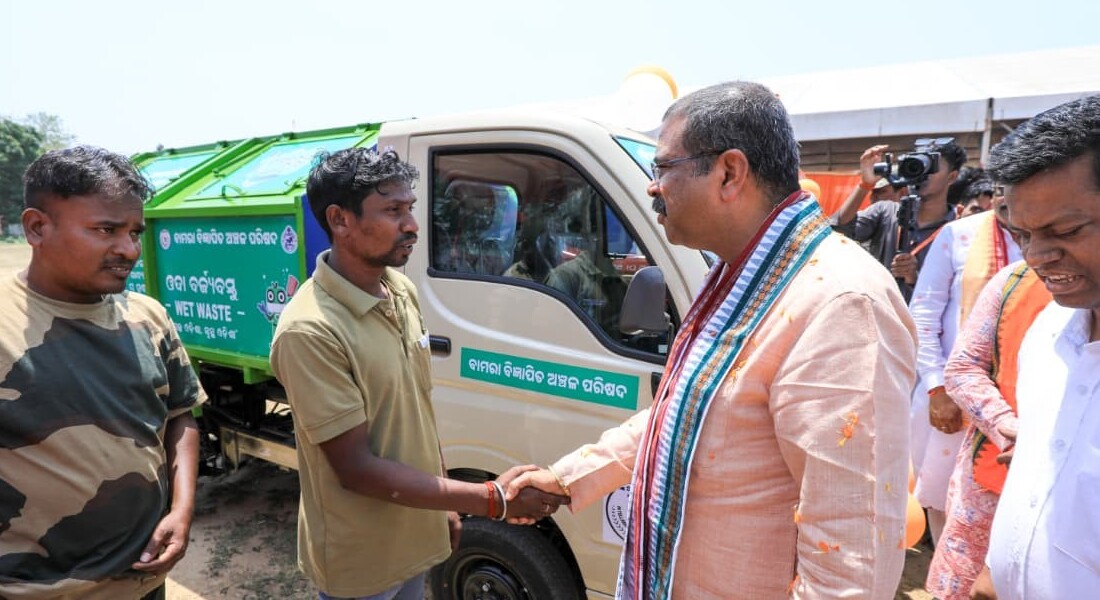
Bhubaneswar: Union Minister of Education Dharmendra Pradhan on Tuesday inaugurated and laid the foundation stone for 78 development projects worth around Rs 375 crore in Kuchinda, Bamra, and Jamankira areas of Odisha.

While addressing a gathering, Pradhan said these projects aim to strengthen connectivity in the Kuchinda sub-division and boost the rural economy while improving civic infrastructure. New sanitation vehicles have also been introduced to enhance cleanliness in Bamra town.

The minister said that the government is working with the vision of “Sabka Saath, Sabka Vikas,” which reflects the ideals of B. R. Ambedkar. In a series of posts on X, he said improving education, healthcare, and infrastructure in tribal-dominated areas like Kuchinda remains a top priority.

He added that the government is working to provide piped drinking water to every household and expand irrigation through the Parbati Giri Irrigation Project. He said efforts are also underway to revive ‘Lanka farming’ in Kuchinda on a commercial scale to strengthen farmers’ livelihoods through collective initiatives.

Highlighting the role of women in development, the minister said that the empowerment of women is essential for building a developed Odisha and India. He said provisions have been made under the Nari Shakti Vandan Adhiniyam to strengthen women’s participation.

He stated that the Act provides for 33% reservation for women in the Legislative Assembly and Parliament, enabling them to take part in key decision-making processes of governance and administration.

Officials said the projects will support economic growth, improve infrastructure, and enhance the quality of life in the region.

Samrat Choudhary set to become Bihar’s new chief minister

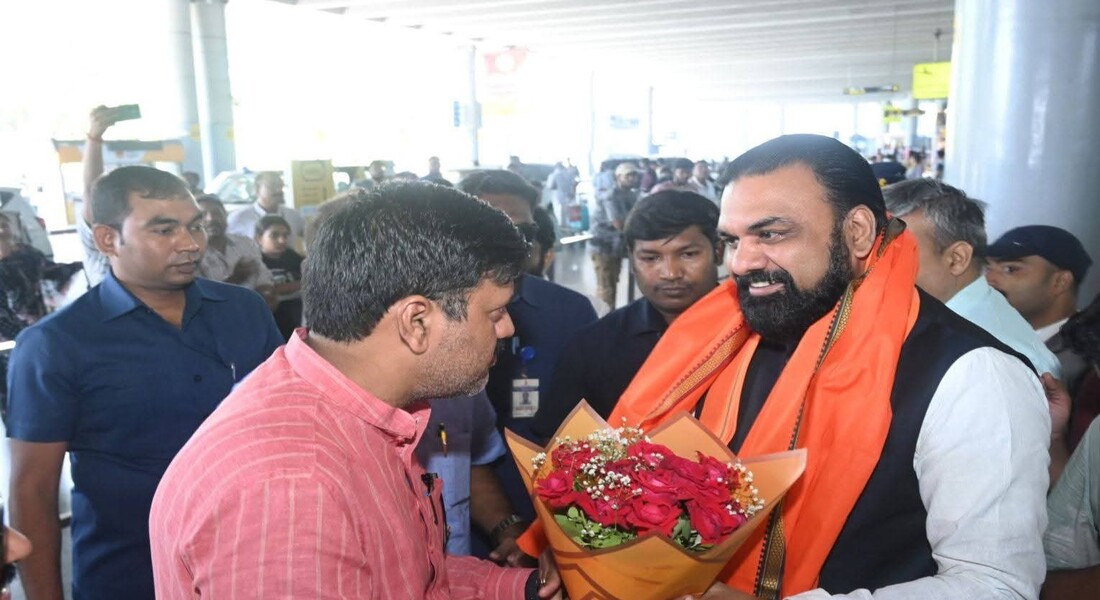
New Delhi: Bihar is set for a leadership change as Nitish Kumar of the Janata Dal (United) resigned on Tuesday, paving the way for Samrat Choudhary to take charge as the next chief minister.

Choudhary was elected as the BJP legislature party leader and is expected to stake his claim to form the government at Lok Bhavan.

According to media reports, he is likely to take the oath as chief minister on April 15.

Union Minister Shivraj Singh Chouhan, who was appointed as the central observer by the BJP parliamentary board, said that Choudhary was unanimously chosen as the legislature party leader.

Earlier in the day, Nitish Kumar, now a member of the Rajya Sabha, stepped down as chief minister. He said that the new government would take forward the work in Bihar and assured his full cooperation and guidance.

“We have done a lot of work for the people of Bihar. For so many days, we have continuously served the people. We had decided that we would now leave the post of Chief Minister, and therefore, after today’s cabinet meeting, we met the honorable Governor and submitted our resignation to him. Now the new government will look after the work here. The new government will have my full cooperation and guidance. Even ahead, a lot of very good work will be done, and Bihar will advance a great deal,” he said in a lengthy post.

Choudhary, 57, is currently serving as deputy chief minister.

After being elected as the BJP legislature party leader, Choudhary expressed his heartfelt gratitude to the central leadership of the BJP for entrusting him with the responsibility of leader of the BJP Bihar Legislative Party.

In a post on X, he said: “This is not merely a position for me, but a sacred opportunity to serve the people of Bihar, to fulfill their trust and dreams. I pledge to live up to the expectations of one and all with complete dedication, commitment, and integrity.”

In the 243-member Bihar Assembly, JD(U) holds 85 seats, while the BJP has a slightly higher tally.

PM Modi inaugurates Delhi-Dehradun Economic Corridor in Dehradun

New Delhi: Prime Minister Narendra Modi on Tuesday inaugurated the Delhi–Dehradun Economic Corridor in Dehradun, marking a major step in infrastructure development in Uttarakhand and the surrounding region.

Addressing the gathering, the prime minister extended greetings on the occasion of Baisakhi, Bohag Bihu, and Puthandu, noting that the inauguration coincided with festive celebrations across the country.

Speaking about the Delhi–Dehradun Economic Corridor, he said the project will reduce travel time and logistics costs while improving connectivity. He added that the corridor has generated employment and will benefit farmers by enabling faster access to markets. He noted that cities such as Ghaziabad, Baghpat, Baraut, Shamli, and Saharanpur will also gain from improved connectivity. He said the corridor will open opportunities in trade, logistics, and industry.

The prime minister said the expressway will enhance tourism in Uttarakhand by improving access to Dehradun, Haridwar, Rishikesh, Mussoorie, and the Char Dham circuit. He added that tourism growth supports local businesses, including hotels, transport, and homestays.

He highlighted that the project includes a nearly 12-kilometre elevated wildlife corridor to ensure minimal disturbance to animals. He urged visitors to maintain cleanliness and avoid plastic waste in ecologically sensitive areas, according to an official statement.

He paid respects to the sacred land of Devbhoomi and noted that the Char Dham Yatra, covering Yamunotri, Gangotri, Kedarnath, and Badrinath, will begin soon. He said that millions of devotees across India eagerly await the pilgrimage every year. He also offered prayers to Panch Badri, Panch Kedar, Panch Prayag, and local deities, including Maa Sankatla and Maa Daat Kali.

Marking the birth anniversary of Dr. B.R. Ambedkar, Modi paid tribute and said that the government has worked to uphold constitutional values and support the poor and marginalised.

He said Uttarakhand continues to witness rapid development and added that the new corridor will accelerate growth in the state. He noted that infrastructure plays a key role in shaping the nation’s future.

Highlighting investment trends, he said annual infrastructure spending has increased significantly over the years and noted that projects worth over Rs 2.25 lakh crore are currently underway in Uttarakhand.

The prime minister also referred to recent developments in the region, including the expansion of the Delhi Metro, metro services in Meerut, the Delhi-Meerut Namo Bharat Rail, and the development of the Noida International Airport.

Referring to upcoming events, he called for coordinated efforts to ensure a successful and clean Kumbh Mela in Haridwar next year. He also spoke about the cultural significance of the Nanda Devi Rajjat Yatra.

On women’s empowerment, the prime minister said the government remains committed to enhancing women’s participation and noted that Parliament has passed legislation to provide reservations for women in legislatures.

He also highlighted welfare measures for ex-servicemen, including pension benefits, healthcare support, and financial assistance schemes.

Concluding his address, he said development must balance progress with nature and culture. He congratulated the people of Delhi, Uttar Pradesh, and Uttarakhand on the inauguration of the corridor and said such projects will contribute to building a developed India.

Odisha marks ‘Pana Sankranti’ as PM Modi extends greetings

Bhubaneswar: Prime Minister Narendra Modi on Tuesday greeted Odisha and its people on the auspicious occasion of Maha Vishuba Sankranti and the Odia New Year (Nababarsha).

In a post on X, he said that “this special occasion reflects the values of devotion, harmony, and seasonal renewal, and highlights the rich traditions of Odisha.”

Modi further said that he prayed for a year filled with unlimited opportunities and success.

In his greetings, the prime minister noted that the day may bring peace, happiness, and prosperity to all, and deepen the spirit of togetherness while strengthening social bonds.

Chief Minister Mohan Charan Majhi also greeted the people of Odisha. He expressed hope that the new year would fill their lives with happiness, peace, and prosperity.

“On this sacred occasion of Odia New Year and Maha Bishuba Sankranti, I extend my heartfelt congratulations and best wishes to all. May this new year fill your lives with happiness, peace, and prosperity, and may it imbue us with renewed strength to further honor our culture and Odia identity on the global stage,” Majhi said in a post on X.

Deputy Chief Minister Pravati Parida also extended her wishes on the occasion.

“Heartfelt greetings and best wishes on the sacred Maha Vishuva Sankranti, Pana Sankranti, and Odia Nababarsha holidays. May this sacred day bring boundless possibilities, success, and prosperity into your lives,” she wrote on her post on X.

Deputy Chief Minister Kanak Vardhan Singh Deo said that he prayed at the feet of Lord Shri Jagannath for happiness, prosperity, good health, and peace to prevail in everyone’s life.

In a post on X, he said: “Heartfelt greetings and best wishes to all my dear Odia brothers and sisters on Odia New Year, Maha Vishuva Sankranti, and Pana Sankranti. This sacred occasion highlights our culture, heritage, and pride. Let us move forward together, shoulder to shoulder with the new government, by taking new resolutions in the new year to take Odisha to new heights of progress.”

Meanwhile, a large number of devotees gathered at the Jagannath Temple in Puri to seek the blessings of the holy Trinity on the occasion of Maha Bishub Sankranti, which marks the beginning of the Odia New Year.

As per Odia tradition, the new year begins on this day, and the new almanac is ceremonially presented before Lord Jagannath at the temple. The almanac, earlier offered to Dola Govinda on Dola Purnima, is placed before the deities as part of the rituals.

In the Odia calendar, Maha Bishub Sankranti or Pana Sankranti is observed as the first day of the year, holding deep cultural and religious significance.

Ethos of environmentalism of Pana Sankranti for climate emergencies

Maha Bishuba Sankranti or Pana Sankranti is the cultural identity and environmental consciousness of Odisha.

Before the World acknowledged, established, and celebrated ‘Earth Day’ in 1970 to raise awareness and protect the Earth’s natural resources, the Maha Bishuba Sankranti or Pana Sankranti, which marks the beginning of the Odia New Year, has been educating, advocating, and practising the ethos of protecting the Earth.

Environmental consciousness is reflected in the rituals and performances associated with this ‘Bishuba Sankranti’ in Odisha, which is celebrated with great devotion and traditional fervour across the state. Does this festival, which is deeply rooted in agrarian traditions and environmentalism, enhance our understanding of tackling increasing climate emergencies?

Celebrated on April 14 every year, it coincides with similar regional new year festivals across India, such as ‘Baisakhi’ in Punjab/ Nepal, ‘Pohela Boishakh’ in West Bengal/ Bangladesh, ‘Vishu’ in Kerala, ‘Bihu’ in Assam, and ‘Tamil Puthandu’ in Tamil Nadu.

Moreover, Bishuba Sankranti shares similar New Year festivals with agrarian societies across Southeast Asia, especially in paddy-cultivating regions such as Choul Chnam Thmey (Moha Sangkranta) in Cambodia, Songkran in Thailand, Thingyan in Myanmar, and Pi Mai in Laos.

How does the Maha Bishuba Sankranti, the name whose etymology can be traced to the Bishuba Rekha, the Equator, reflect the ethos of environmentalism?

There is no doubt that India has a rich tradition of understanding and knowledge of how society interacts with nature throughout the ages. Therefore, it is not surprising that many indigenous epics, religious rituals, and cultural practices, as well as popular stories and practices, are strongly associated with nature and the natural surroundings.

Similarly, Odisha, with its rich, enduring cultural heritage in festivals, arts, folklores, and oral traditions, provides a deep understanding of the importance of nature and natural surroundings to the advancement of present societies. In particular, the Pana Sankranti underscores the sanctity of nature and its interconnectedness with human beings.

It is believed that Pana Sankranti and its associated rituals are an attempt to minimise the impact of scorching heat on humans and other living beings on the earth. The use of a traditional ritual drink called ‘pana’ and the idea of the ‘Basundhara Theki’ have uniquely positioned this festival at the beginning of summer as a rich source of heatwave mitigation measures.

At the same time, water, being an integral part of the festival and its direct link to the epic Mahabharat, is also called ‘Jala (water) Sankranti’. One of the key rituals of this day is the preparation and sharing of ‘pana’, a traditional sweet and tangy drink made from the pulp of the bael (Aegle marmelos) fruit and other indigenous ingredients such as jaggery, yoghurt, coconut gratings, cottage cheese, and so on.

The refreshing traditional drink provides respite from the intense summer heat and dehydration during the first month of summer (Baisakh).

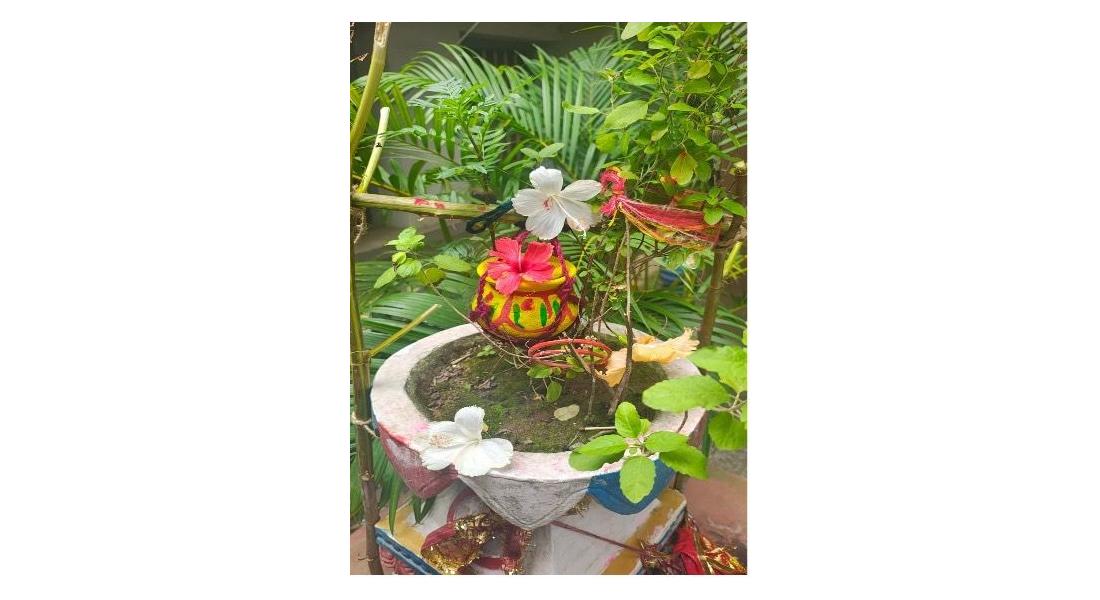
A unique and symbolic ritual performed on this day is Basundhara Theki (small earthen pot). An earthen pot filled with water (sometimes Pana) is hung usually over a Tulsi (holy Basil) plant, placed in a pot or elevated on a platform at the entrance (or balcony) of every Hindu household in Odisha.

A tiny hole at the base of the earthen pot with Duba Ghasa (commonly Bermuda grass) in the hole that allows water to drip slowly and continuously onto the plant as an offering to Mother Earth (Basundhara).

This auspicious act symbolises the flow of life and prosperity on the Earth. Offering water is not limited to the Tulsi plant. Besides temples, the Basundhara Thekis are placed above or near the Banyan and Peeple (sacred fig) trees to ensure their survival and growth during the summer season. The primary purpose of the water offering is to protect living beings during the driest time of the year.

Water scarcity in the summer is a reality. Furthermore, climate change exacerbates the availability of water for all living beings. Similarly, heatwaves are increasing in their frequency, intensity, and duration in India, particularly in Odisha. In fact, the India Meteorological Department has issued a yellow warning for extreme heat in 11 districts of Odisha from April 12 to 15. India’s climate will be warmer in the coming years.

Hence, the Pana Sankranti, as a festival, guides us toward various heatwave-mitigating measures. An example of judicious water usage and provision of water to all can help us address climate change-induced water insecurity. Sustaining the diversity of indigenous plant varieties during the summer with Basundhara Theki’s dripping water technology can scale up to larger areas to maintain biodiversity and increase tree cover.

In June 2024, 27 peacocks died in Delhi due to heatstroke. Many birds in urban areas die unnoticed during heatwaves from heatstroke. Ironically, there is no data available on the states or Union governments of such tragic incidents in the urban areas. Like the Basundhara Theki, people can keep water and grains in parks, rooftop or terrace gardens, balconies, and so on during the summer months and beyond to protect small avifauna and wildlife in the vicinity from heatwaves.

Can the local or district climate change or heatwave action plans include such distinct indigenous local mitigating measures of the festival and popularise them through various programs?

While several Jala Chatra (drinking water kiosks) and other hydrating drink stalls have been opened to minimise the heat impacts as the core compassionate symbol of the Maha Bishuba Sankranti across Odisha, the plastic waste scattered and piled up after the service near the stalls needs to be addressed.

Neither the service of providing drinking water stops at the end of the festival day. Also, if we can add gratitude for caring by providing innovative drinking water facilities, maybe on a small scale, for urban or peri-urban wildlife or stray animals throughout the summer seasons, India’s tradition of a symbiotic relationship with nature will continue.

The Pana Sankranti embodies the spirit of resilience, appreciation, and the deep connection between humans, nature, and the divine – a tradition that continues to thrive and enlighten across generations.

**
Dr Avilash Roul is a Senior Fellow at the Society for the Study of Peace and Conflict (SSPC), New Delhi. The views expressed are personal and do not necessarily reflect those of IndiaVerve.

VLCC MT JAYA arrives at Paradip Port with over 2.7 lakh MT crude oil

Bhubaneswar: Paradip Port Authority has received MT JAYA, a Very Large Crude Carrier (VLCC), reinforcing its position as a key gateway for India’s energy imports.

The vessel arrived from Kharg Island, Iran, carrying 277,321 Metric Tonnes of crude oil. It berthed at the port at 3:18 PM on Monday.

The crude cargo is destined for the Indian Oil Corporation Limited Paradip Refinery, one of the country’s major refining hubs.

The arrival of MT JAYA underlines Paradip Port’s capability to handle large-scale energy shipments efficiently and its growing importance in supporting India’s energy requirements, the Port said in a post on X.

Officials said the port continues to play a crucial role in ensuring smooth handling of high-volume crude carriers, contributing to the country’s energy security.

Meanwhile, Vijay Kumar, Secretary, Ministry of Ports, Shipping and Waterways (MoPSW), chaired a comprehensive review meeting with major ports, focusing on key maritime priorities.

Participants discussed the West Asia situation, six-month targets, a review of FY 2025–26 performance, and the action plan for FY 2026–27, the MoPSW said in a post on X.

Deliberations also covered cargo handling, efficiency, port-led industrialisation, and shipbuilding, reinforcing a coordinated approach towards a resilient maritime sector.

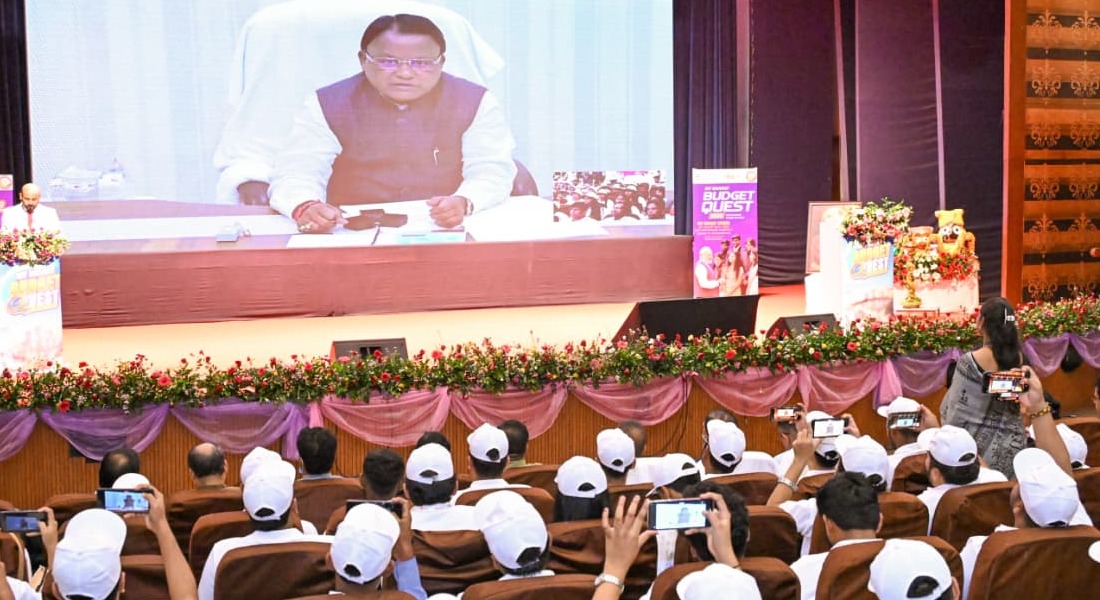
Budget Quest Grand Finale concludes, CM Majhi calls youth to build Viksit Bharat by 2047

Bhubaneswar: The two-day Budget Quest Grand Finale concluded successfully on Monday with Chief Minister Mohan Charan Majhi appealing to the winners and the youth of Odisha to join hands in realizing the vision of Viksit Bharat by 2047, envisioned by Prime Minister Narendra Modi.

During a virtual interaction with the participants, along with Union Minister for Youth Affairs & Sports Dr. Mansukh Mandaviya, the chief minister expressed confidence in the talent and capabilities of India’s youth, stating that they will play a key role in driving the nation’s progress.

The grand finale was organised by MY Bharat, Ministry of Youth Affairs & Sports, government of India, under the theme “Narishakti Viksit Bharat Ki Awaz: Strengthening Inclusive Democracy,” according to an official statement.

The programme was formally inaugurated on April 12 by Odisha Legislative Assembly Speaker Surama Padhy at the SOA University auditorium. Addressing around 500 youth delegates from Odisha and the Andaman & Nicobar Islands, she said that young people, with their energy and creativity, can contribute significantly to nation-building and help India achieve the goal of Viksit Bharat by 2047.

Regional Director of NSS, Sarita Patel, and SOA University Pro-Vice Chancellor Prof. (Dr.) Neeta Mohanty also addressed the gathering.

The Budget Quest initiative was launched on February 2, 2026 by Mandaviya to encourage youth participation in the country’s economic and budgetary processes, particularly the youth-centric Union Budget 2026.

In the initial phase, an online budget quiz conducted through the MY Bharat digital platform saw participation from around 12 lakh youth aged between 15 and 29. Nearly 50,000 participants took part in an essay competition, while 12,000 youth were shortlisted for the national-level stage of the programme.

These finalists are participating in the grand finale across 17 cluster locations in the country, with 500 youth delegates attending the Bhubaneswar cluster representing Odisha and the Andaman & Nicobar Islands.

As part of the programme, a women’s mock parliament was held on the first day, followed by panel discussions where women delegates engaged in parliamentary-style debates on issues such as women’s empowerment and agriculture, including discussions on the Women’s Reservation Bill.

During a virtual interaction with 12,000 Budget Quest winners across the 17 clusters, Mandaviya highlighted the role of MY Bharat as a single-window platform for youth engagement and outlined its roadmap towards building a developed India by 2047.

Odisha State Universities Reservation Act comes into force after governor’s assent

Bhubaneswar: The Odisha State Public Universities (Reservation in Teachers’ Cadre) Act, 2026, has come into force across the state after receiving assent from Governor Dr. Hari Babu Kambhampati.

The legislation was enacted after the Odisha State Public Universities (Reservation in Teachers’ Cadre) Bill, 2026, was passed in the Assembly on March 31, following detailed discussions that continued late into the night.

With the governor’s approval, the Act has now been implemented statewide, marking a key step in higher education reform in Odisha.

Higher Education Minister Suryabanshi Suraj welcomed the development and described the Act as a landmark initiative aimed at ensuring adequate representation of Scheduled Tribes, Scheduled Castes, and Socially and Educationally Backward Classes in the higher education system.

He said the Act introduces a major shift in the reservation framework by treating each university as a single unit for faculty recruitment, replacing the earlier department-wise system.

Under the new system, reservations will apply to direct recruitment of Professors, Associate Professors, and Assistant Professors, ensuring fair representation of reserved categories across universities.

The minister also informed that several long-pending vice-chancellor posts in state public universities have been filled, with appointments made in 14 universities. He said academicians from Odisha have been given leadership responsibilities to strengthen the academic ecosystem.

Suraj expressed confidence that the newly appointed vice-chancellors will focus on improving quality and research-oriented higher education.

He further said that with the implementation of the Odisha Universities (Amendment) Act, 2024, and the new reservation Act, the process of filling vacant teaching posts in state public universities will be expedited.

Odisha bans power disconnection for unpaid bills in summer 2026

Bhubaneswar: The Odisha government has directed that domestic household consumers will not face electricity disconnection due to unpaid bills during the summer of 2026 until the onset of the monsoon.

Deputy Chief Minister Kanak Vardhan Singh Deo, who also holds the Agriculture & Farmers’ Empowerment and Energy portfolios, issued the directive to ensure relief for consumers during the peak summer season.

He also stated that no distribution company will be allowed to impose unscheduled power cuts for non-payment of electricity bills by domestic users. He clarified that any power interruptions will only be permitted for essential repair or maintenance work.

The deputy chief minister further instructed that all scheduled outages must be properly publicised in advance via SMS alerts and public address systems so that consumers are informed.

He urged all departments, agencies, and DISCOMs to sensitise their staff about the directive and ensure strict compliance. He also called for a strong monitoring mechanism to guarantee the effective implementation of the decision.

The additional chief secretary of the energy department has been tasked with supervising the rollout of these measures and submitting a compliance report for review.