At IndiaVerve, we go beyond the noise to bring you meaningful stories of change, resilience and progress—from India to the world stage. Our mission is to bring readers credible, wide-ranging coverage across politics, business, sports, culture, society and more.

‘Nari Shakti Vandan Adhiniyam’ act biggest step for women empowerment, says CM Mohan Majhi

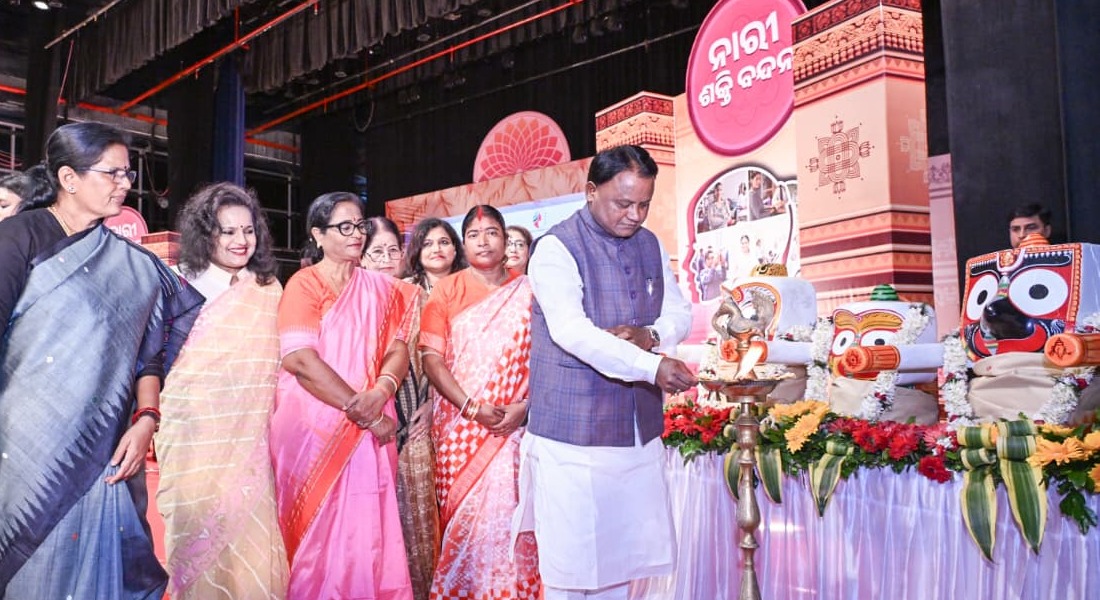
Bhubaneswar: Chief Minister Mohan Charan Majhi on Wednesday described the Nari Shakti Vandan Act, 2023, as a landmark reform and the most significant step towards women’s empowerment in post-independence India. He said the initiative reflects the commitment of Prime Minister Narendra Modi towards strengthening the role of women in governance and nation-building.

Addressing the Nari Shakti Vandan meeting at Town Hall in Bhubaneswar, the chief minister said the Act is not merely a legal provision but a transformative move that carries the aspirations of millions of women across the country.

Highlighting the key provision of the legislation, Majhi noted that the Act ensures one-third reservation for women in the Lok Sabha and state legislative assemblies. He said that empowering women in leadership roles leads to broader social and economic progress. “When women lead, they uplift not just themselves but the entire society and nation,” he stated.

He further pointed out that women in India are no longer limited to being voters but have emerged as active participants in democracy. In Odisha, nearly 14.5 lakh women are already serving as elected representatives in Panchayati Raj institutions, demonstrating their leadership and administrative capabilities at the grassroots level.

Calling the Act a historic initiative, the chief minister said it will significantly enhance women’s participation in policy-making and governance. He added that the move will ensure broader representation of women in decision-making bodies in the coming years.

Emphasising the state’s development vision, Majhi said that a prosperous Odisha is essential for achieving the goal of a developed India. He highlighted key state initiatives aimed at women’s empowerment, including the Subhadra Yojana and the Lakhpati Didi programme, which focus on making women economically self-reliant and independent. He said these initiatives are designed to bring financial stability and growth to households across the state.

Speaking at the same venue, Assembly Speaker Surama Padhy stressed the need for equal representation of women in Parliament and state legislatures. She said empowering women in policy-making is essential for inclusive governance and called for collective support for the Act.

Deputy Chief Minister and Minister for Women and Child Development Pravati Parida highlighted that ensuring dignity, equality, and leadership opportunities for women requires their active presence in legislative bodies. She said the Act will create a clear pathway for women to rise from Panchayati Raj institutions to Parliament.

She also referred to various welfare initiatives aimed at supporting women at different stages of life, stating that these programmes collectively contribute to building a strong foundation for women’s empowerment. She noted that as women step forward to lead a transforming India, Odisha is emerging as a strong model for inclusive and participatory development.

The event saw active participation from women representatives, community leaders, and stakeholders, reflecting growing awareness and support for women-led governance. The discussions centred on expanding opportunities, strengthening representation, and ensuring that women play a decisive role in shaping the future of the country.
Odisha implements OSWAS across urban local bodies, boosts digital governance

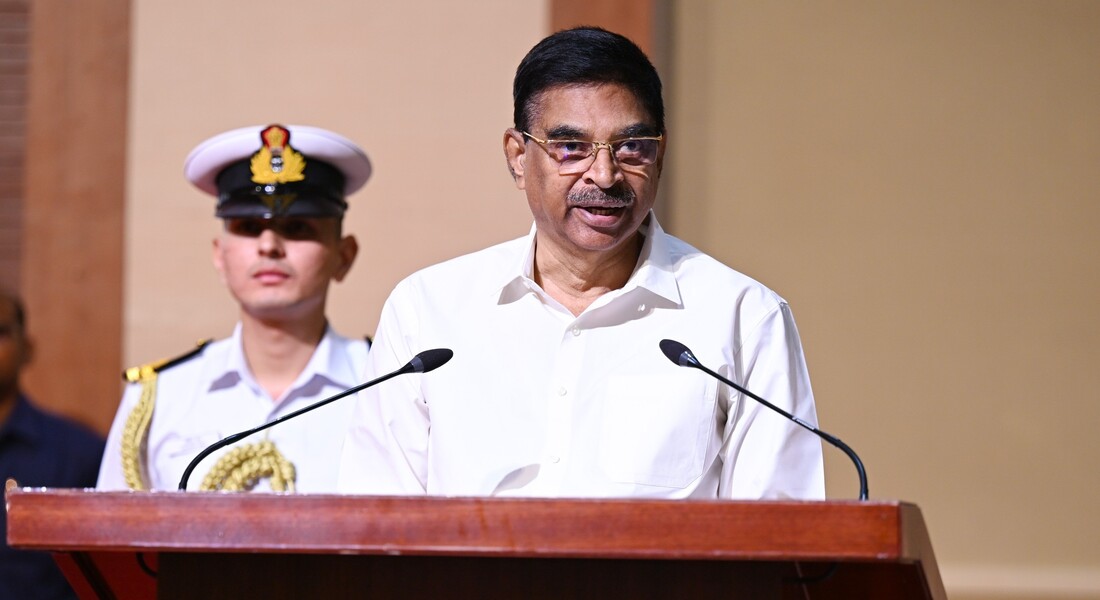
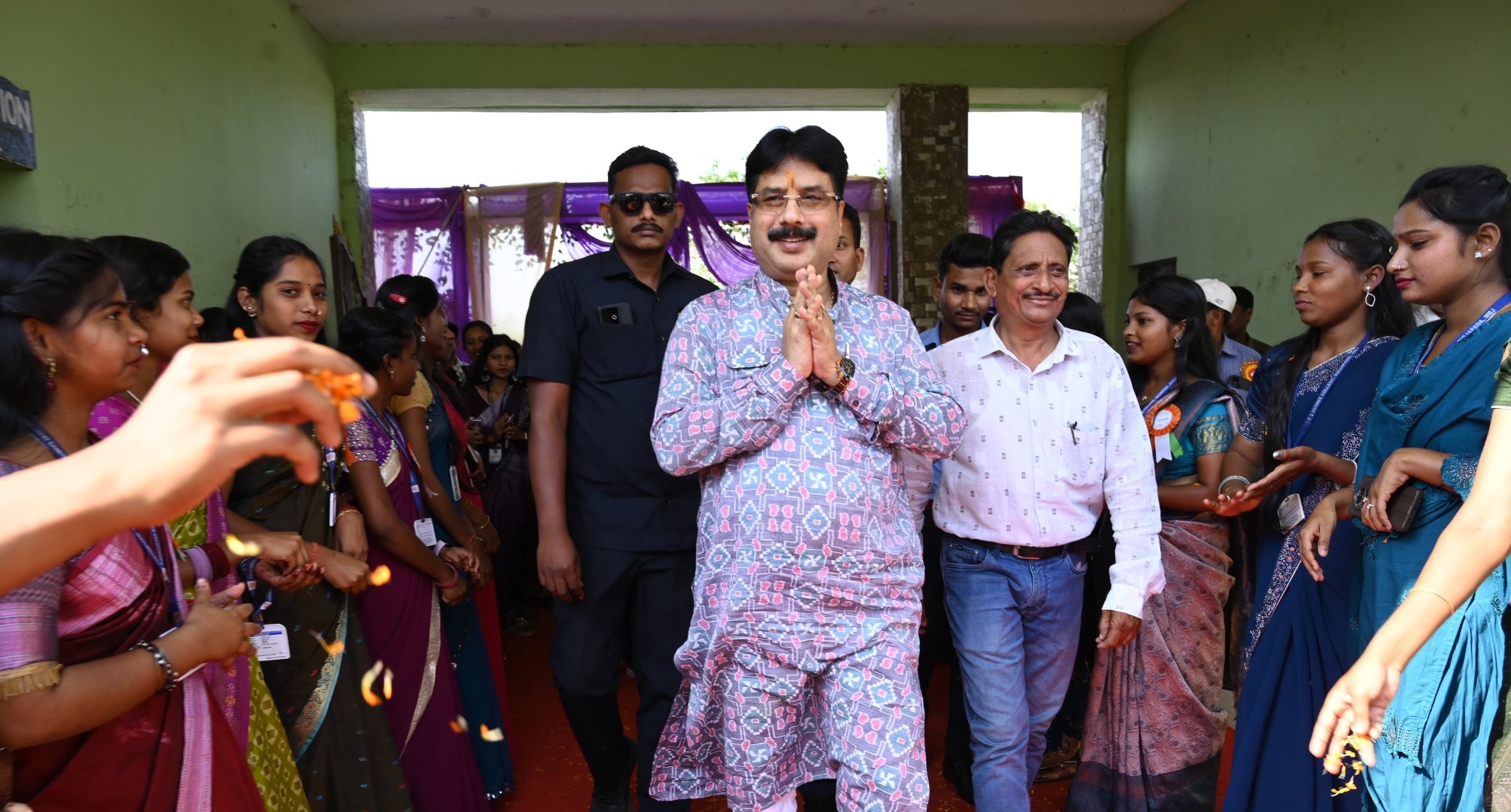
Bhubaneswar: The Housing and Urban Development Department completed the statewide rollout of the Odisha Secretariat Workflow Automation System (OSWAS), marking a major push towards digital governance.

The platform is now operational across 115 urban local bodies, replacing the traditional paper-based system with a streamlined and transparent digital workflow.

The system has been implemented in five Municipal Corporations, 48 Municipalities, and 62 Notified Area Councils. Developed with technical support from Odisha Computer Application Centre and backed by Tata Consultancy Services (TCS), OSWAS has fully digitised file management in urban administration. It enables real-time tracking of file movement, faster approvals, and timely delivery of citizen services.

Housing and Urban Development Minister Dr. Krushna Chandra Mahapatra said the initiative will modernise governance and improve efficiency. “OSWAS will enhance transparency, speed, and accountability in urban administration while improving service delivery,” he said.

Earlier, municipal bodies faced delays due to manual file handling and a lack of coordination. The new system introduces standardised processes, automated workflows, and digital audit trails, ensuring greater efficiency and accountability.

The project was executed in phases, including process study, system design, training, and pilot testing, before being expanded statewide. Additional Chief Secretary Usha Padhee said the platform is a comprehensive administrative reform that supports real-time monitoring and data-driven decisions.

With features like a real-time dashboard, OSWAS allows continuous monitoring of file status, reducing delays and improving coordination among departments. The reform has led to faster file disposal, better document access, and a stronger digital governance framework.

Except for a few newly formed urban bodies, OSWAS is now fully functional across the state, setting a new benchmark in digital governance. The initiative is expected to play a key role in achieving the vision of a developed Odisha.

Samrat Choudhary takes oath as Bihar chief minister, BJP forms government

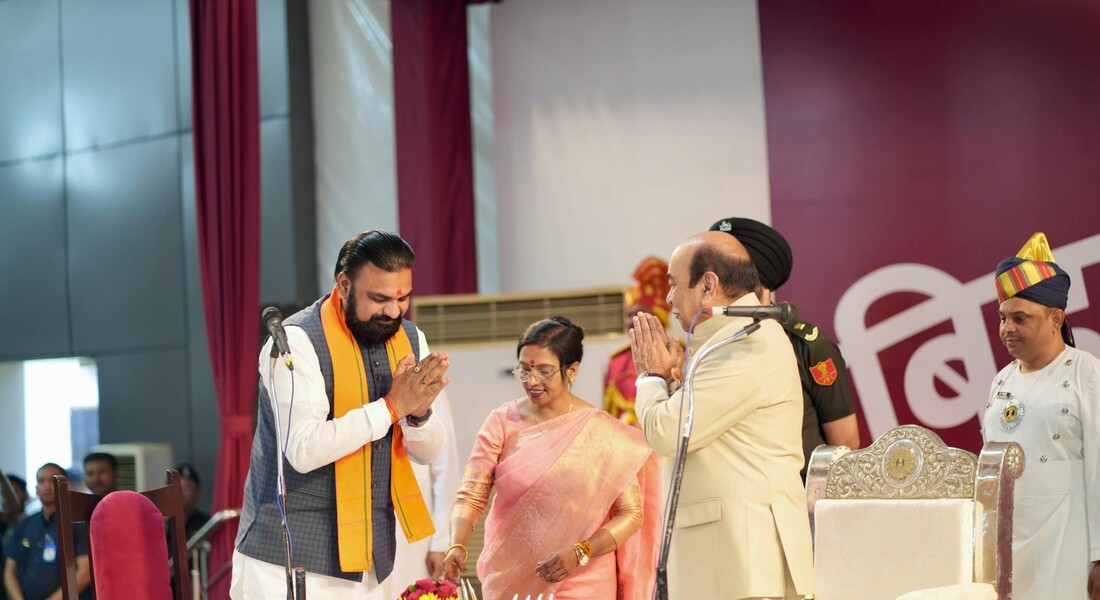
New Delhi: Samrat Choudhary was sworn in as the Chief Minister of Bihar on Wednesday after being elected leader of the BJP legislature party, marking a significant political shift in the state.

With his appointment, Choudhary becomes the first leader from the BJP to hold the chief minister’s post in Bihar.

The leadership change follows the resignation of Nitish Kumar, who stepped down after securing a seat in the Rajya Sabha. Before taking charge as chief minister, Choudhary served as deputy CM and also handled the Home portfolio in the previous cabinet.

Alongside him, Bijendra Prasad Yadav and Vijay Kumar Chaudhary took oath as deputy chief ministers, according to reports.

Choudhary’s elevation came after he was chosen as the BJP legislative party leader in the Bihar Assembly. The BJP, which contested the elections as part of the National Democratic Alliance, emerged as the single largest party following a decisive victory.

After his selection, Choudhary met Governor Syed Ata Hasnain and staked a claim to form the government.

Expressing gratitude after being elected leader, Choudhary described the responsibility as a “sacred opportunity” to serve the people of Bihar.

“With the trust of Bihar’s divine-like people held paramount, every step will be dedicated towards development and prosperity. For this new responsibility, I express my heartfelt gratitude and thanks to the country’s popular Prime Minister Shri @narendramodi ji, our esteemed leader Shri
@NitishKumar ji, the honorable National President Shri @NitinNabin ji, the honorable Union Home Minister Shri @AmitShah ji, and the entire NDA leadership, and I am committed to building a strong Bihar under their guidance,” Choudhary said in a post on X.

US claims Iran blockade fully effective as diplomacy signals cautious progress

Washington reports zero breaches in Iran blockade as intercepted ships turn back, while fresh diplomatic efforts signal potential negotiations ahead

The United States has claimed that its naval blockade of Iranian ports has been fully effective, asserting that no ships have breached the operation since its launch, even as diplomatic signals point to a possible de-escalation in the conflict.

US Central Command (CENTCOM) said the blockade has been “fully implemented,” with forces halting maritime trade into and out of Iran within 36 hours. “In less than 36 hours since the blockade was implemented, US forces have completely halted economic trade going into and out of Iran by sea,” CENTCOM commander Adm. Brad Cooper said.

In one of the early enforcement actions, a US destroyer intercepted two oil tankers in the Strait of Hormuz and directed them to turn back, according to a US official cited by CBS News. The official added that the vessels were among several merchant ships warned against proceeding toward Iranian ports during the initial phase of the blockade. At the same time, more than 20 other ships not linked to Iran were able to pass safely through the strait.

China has criticised the US blockade of Iranian ports, calling it a “dangerous and irresponsible” move that could further escalate tensions in the region. Speaking at a press briefing, Chinese Foreign Ministry spokesperson Guo Jiakun warned that increased US military deployment alongside the blockade risks undermining an already fragile ceasefire.

Beijing’s concerns came even as a sanctioned Chinese vessel reportedly transited the Strait of Hormuz on Tuesday. The spokesperson also rejected allegations of China supplying weapons to Iran as “completely fabricated.” In a broader diplomatic signal, President Xi Jinping, during meetings with global leaders, cautioned that the international order was at risk of “falling into disarray” and reiterated that China would play a constructive role in promoting stability in the Middle East.

Despite the escalation, US President Donald Trump indicated that the conflict may be nearing an end. In an interview with Fox Business, he said the war was “very close to over” and suggested that Iran was keen to reach an agreement.

Vice President JD Vance also expressed optimism about diplomatic efforts, stating at a public event that negotiations had made “a ton of progress” despite failing to produce a deal. He said the US is pursuing a broader agreement aimed at preventing Iran from developing nuclear weapons and curbing its support for militant groups, while opening pathways for economic recovery.

Pakistan, which hosted the recent round of talks, signalled that diplomatic engagement is far from over. Finance Minister Muhammad Aurangzeb reportedly informed that Islamabad’s leadership remains committed to continuing dialogue between the two sides. He noted that the recent engagement marked the first direct talks between the US and Iran in decades and said efforts are underway to facilitate further discussions. Trump also indicated that a second round of talks could take place within days.

Meanwhile, the regional dimension of the conflict continues to evolve. Following direct talks, Israeli and Lebanese officials signalled a convergence of positions, particularly on limiting the influence of Hezbollah. Israeli Ambassador to the US Yechiel Leiter said both sides were aligned on reducing Hezbollah’s role, while Lebanese Ambassador Nada Hamadeh Moawad emphasised the need for a ceasefire, humanitarian relief, and respect for sovereignty.

The developments highlight a complex phase in the conflict, where military pressure and diplomatic engagement are unfolding simultaneously. While the US projects operational success in enforcing the blockade, the absence of a formal agreement and continuing regional tensions suggest that the situation remains fluid.

Javokhir Sindarov clinches FIDE Candidates 2026 title

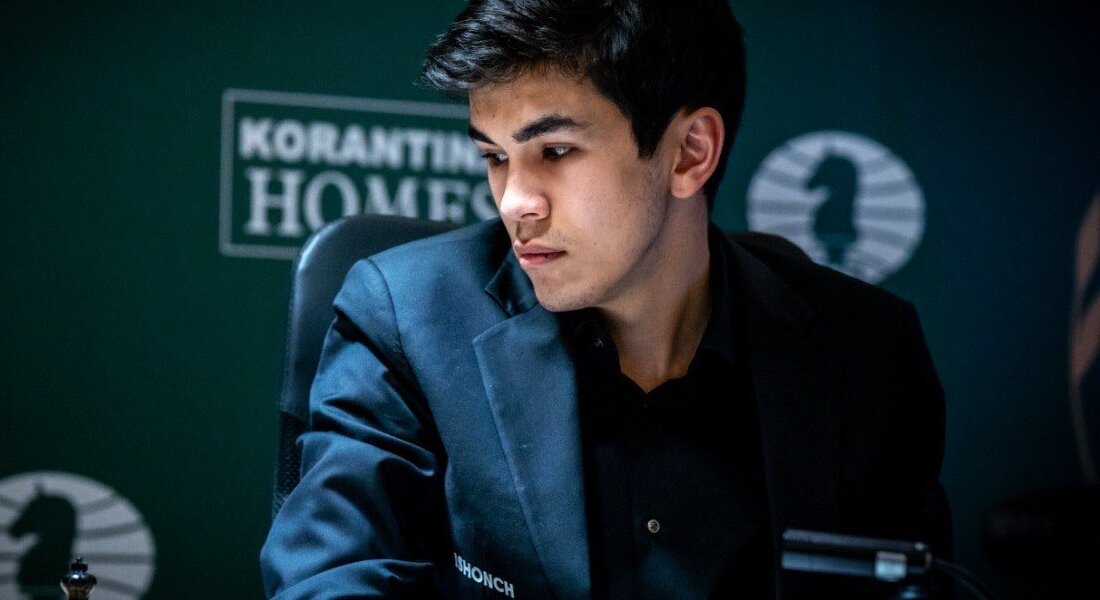
New Delhi: Javokhir Sindarov has sealed a remarkable campaign at the FIDE Candidates Tournament 2026 by securing a draw against Anish Giri in Round 13, confirming his place as the tournament winner with one round still to play.

The Uzbek grandmaster remained unbeaten throughout the event and established an unassailable lead at the top of the standings. Entering the penultimate round with a two-point advantage, he needed only a steady result to secure the title – a task he accomplished with a composed performance, according to fide.com.

Giri, who required a win to keep his chances alive, opened aggressively with 1.e4. However, Sindarov opted for a solid and controlled approach, steering the game into a simplified position. Early exchanges led to a queenless middlegame, reducing tactical risks and favouring consolidation.

As the game progressed, Giri attempted to create pressure along open lines, but Sindarov’s precise defensive setup neutralised any serious threats. The contest eventually moved into a balanced endgame featuring rooks and bishops, where neither player could gain a decisive edge. The game concluded in a draw by repetition.

With this result, Sindarov secured the Candidates title and earned the right to challenge reigning world champion D. Gukesh later this year.

In other games in the open section, Hikaru Nakamura played out a draw with Matthias Bluebaum, while Wei Yi registered a win over Andrey Esipenko. R Praggnanandhaa also shared the points with Fabiano Caruana.

Sindarov’s unbeaten run and consistent performances underline his emergence as a serious contender on the world stage, setting up a highly anticipated World Championship showdown.

Chidambaram flags federal concerns over proposed delimitation-linked Constitution amendment

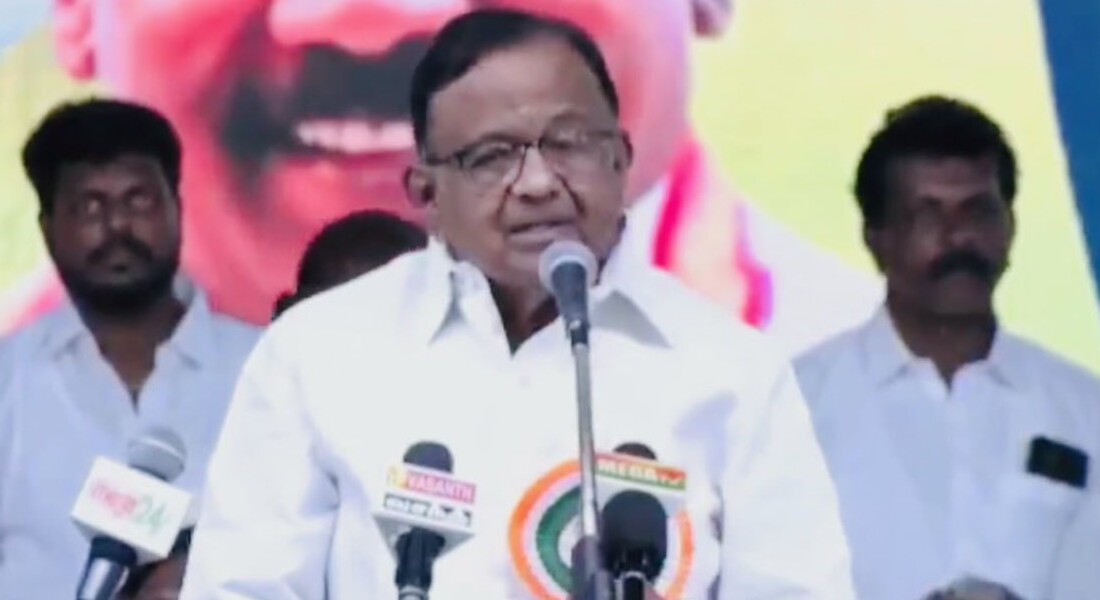
New Delhi: Senior Congress leader P. Chidambaram on Wednesday raised strong objections to the proposed Constitution (131st Amendment) Bill, 2026, warning that it could alter the balance of representation in the Lok Sabha to the disadvantage of southern states.

The proposed amendment, expected to be taken up during a special sitting of Parliament, is linked to the upcoming delimitation exercise and a planned expansion of the Lok Sabha’s strength. According to media reports, the House could be increased to around 850 seats, including allocations for states and Union Territories.

Chidambaram argued that an increase in the total number of seats would not necessarily ensure proportional representation for all regions. He pointed out that seat allocation after delimitation is determined by population distribution across constituencies, which could lead to uneven outcomes among states.

Citing indicative projections, he suggested that while some states may initially appear to gain seats, the final numbers after delimitation could differ significantly. He expressed concern that states in southern India may see a decline in their overall share of representation in Parliament.

“The apprehensions I had voiced in the last week have proved right. When the strength of the Lok Sabha is increased by 50%, from 543 to 815, TN’s strength will seemingly increase from 39 to 58. But this is an illusion. When delimitation takes place, it will be reduced to 46. Uttar Pradesh’s strength will first increase from 80 to 120 and, after delimitation, it will further increase to roughly 140. All the Southern States that have currently a representation of 24.3% will find their representation reduced to 20.7%. This is a mischievous, diabolical move to radically alter the federal balance. This must be OPPOSED,” Chidambaram said in a post on X.

Describing the move as a serious shift in the federal structure, the Congress leader said it could weaken the existing balance among states. He called for wider debate and urged that such changes should not proceed without careful consideration.

The issue comes at a time when discussions around delimitation have gained momentum ahead of future electoral cycles. The proposed amendment is also linked to the implementation of women’s reservation in the Lok Sabha under the Nari Shakti Vandan Adhiniyam, expected to take effect from the 2029 general elections.

Opposition parties have voiced concerns over the timing and implications of the proposed exercise, particularly in the absence of updated Census data. The government has yet to formally respond to the specific concerns raised, but the matter is likely to be debated extensively in the coming parliamentary session.

Inter-state festival celebrations at Lok Bhavan highlight unity in diversity

Bhubaneswar: In a strong message of cultural unity, Odisha has celebrated multiple regional festivals from across India under one roof at Lok Bhavan, turning the occasion into a symbol of “unity in diversity” in action.

Governor Hari Babu Kambhampati said that celebrating festivals of different states in one place strengthens national integration and reflects the true spirit of India. He was addressing a gathering at the New Abhishek Hall during a combined celebration of Himachal Pradesh Statehood Day and the Odia New Year, along with festivals like Bihu, Vishu, Puthandu, Poila Boishakh, and Baisakhi.

The event, held under the spirit of Ek Bharat Shreshtha Bharat, brought together traditions from Odisha, Himachal Pradesh, Assam, Kerala, Tamil Nadu, West Bengal, and Punjab, showcasing how cultural exchange can deepen mutual understanding among states.

The governor underlined that such shared celebrations go beyond symbolic gestures. “India’s cultural diversity is truly our greatest strength. When we share and celebrate each other’s traditions, we strengthen the bonds of unity, harmony, and national integration,” Kambhampati said in a post on X.

Highlighting the significance of the Odia New Year, he said Pana Sankranti reflects the state’s rich cultural heritage. The tradition of sharing ‘pana’ stands for compassion, generosity, and social harmony. He also referred to the inclusive values of Jagannath culture, which promote equality, devotion, and universal brotherhood.

On Himachal Pradesh Statehood Day, the governor described the state as a symbol of unity and resilience, with a deep-rooted cultural legacy.

The programme also featured participation from First Lady Jayashree Kambhampati. Cultural performances representing various states added vibrancy to the event, turning it into a celebration of India’s shared identity.

India creates history with first-ever gold at EGMO 2026, finishes 6th globally

New Delhi: India has delivered a landmark performance at the European Girls’ Mathematical Olympiad (EGMO) 2026 in Bordeaux, France, securing its best-ever finish by ranking sixth among 67 participating countries.

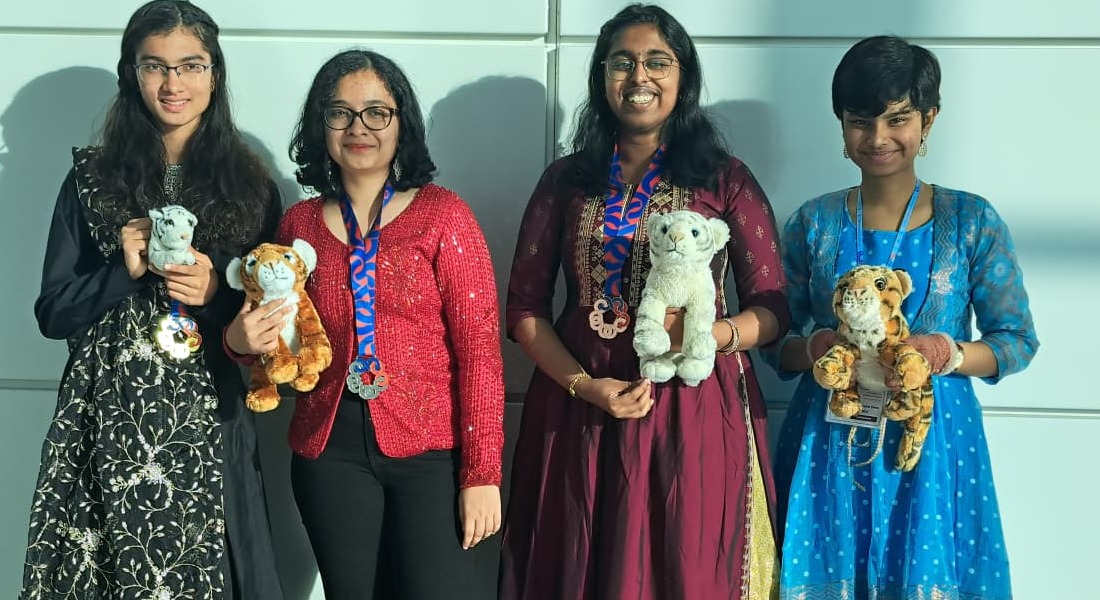
The highlight of the campaign came from Shreya Shantanu Mundhada, who clinched India’s first-ever gold medal at the prestigious competition. She also achieved a joint world rank of three, marking a historic milestone for the country at the Olympiad, Homi Bhabha Centre For Science Education said in a series of posts on X.

India’s medal tally further included a silver won by Sanjana Chacko and a bronze secured by Shivani Barath Kumar. Shrimoyee Bera also delivered a commendable performance, contributing to the team’s overall success.

The team was guided by experienced mentors, including Dr. Vaidehee Thatte as leader and Dr. Mrudul Thatte as deputy leader, along with observer Aditi Muthkhod.

Organised in Bordeaux, EGMO 2026 brought together 260 participants from 67 countries. India has been participating in the competition as a guest nation since 2015 and has shown consistent improvement over the years.

In another notable achievement, a problem proposed by India was featured at the Olympiad. The problem was authored by former International Mathematical Olympiad medalists Rushil Mathur and Archit Manas.

The accomplishment reflects the sustained efforts of institutions such as the Homi Bhabha Centre for Science Education, National Board for Higher Mathematics, Department of Atomic Energy, Ministry of Education, and Mathematics Teachers’ Association, along with structured training programmes like IMOTC and EGMOTC.

India’s breakthrough at EGMO 2026 underlines the growing strength of its Mathematical Olympiad Programme, driven by dedicated mentorship, rigorous training, and a strong culture of alumni support.