At IndiaVerve, we go beyond the noise to bring you meaningful stories of change, resilience and progress—from India to the world stage. Our mission is to bring readers credible, wide-ranging coverage across politics, business, sports, culture, society and more.

Women’s reservation bill fails to clear Lok Sabha as centre falls short of special majority

New Delhi: The proposed Constitutional amendment aimed at implementing women’s reservation failed to clear the Lok Sabha on Friday after the Centre could not secure the required two-thirds majority, bringing an abrupt halt to a high-stakes legislative push.

The Constitution (131st Amendment) Bill, 2026, which sought to provide 33% reservation for women in the Lok Sabha and state assemblies, saw 298 members voting in favour and 230 against. Despite securing a simple majority, the government fell short of the special majority mandated under Article 368, which requires two-thirds of members present and voting.

Following the setback, the Centre chose not to move two related legislations – the Delimitation Bill and the Union Territories laws proposal – stating that both were intrinsically linked to the women’s reservation framework.

The debate, which stretched late into Thursday night and resumed on Friday, saw sharp exchanges between the treasury benches and the Opposition. The government strongly defended the Bill as a long-pending reform to enhance women’s political representation, according to media reports.

Prime Minister Narendra Modi urged members to support the legislation, stating that it should be viewed as a matter of national interest rather than through a political lens. He also sought to address concerns raised by Opposition parties, assuring that no injustice would be done to southern states in any future increase in Lok Sabha seats.

Union Home Minister Amit Shah also maintained that the representation of southern states would be protected or may even see a marginal increase if the number of Lok Sabha seats is expanded beyond the current 543.

However, the Opposition mounted a strong resistance, particularly over the linking of women’s reservation with a fresh delimitation exercise. Leader of the Opposition Rahul Gandhi argued that the Bill was being used as a cover to alter the country’s electoral map. He alleged that the move could undermine representation and bypass demands such as a caste census.

The Opposition bloc maintained that while it supports women’s reservation in principle, the current formulation raised serious concerns about its broader implications.

After the Bill failed to pass, Parliamentary Affairs Minister Kiren Rijiju expressed regret over the outcome and accused the Opposition of not backing what the government described as a historic reform. He indicated that the government would continue its efforts to advance women’s representation.

The developments also triggered protests by BJP members within the Parliament complex, reflecting the political intensity surrounding the issue.
World Hemophilia Day observed in Bhubaneswar

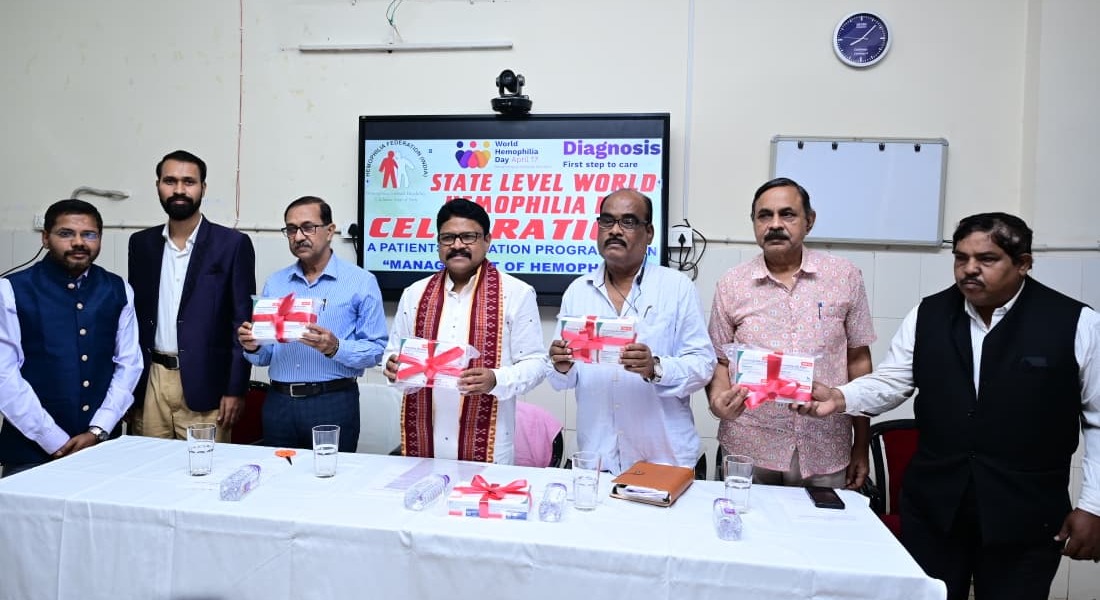
Bhubaneswar: ‘World Hemophilia Day’ was observed at the Hemophilia Day Care Centre in Capital Hospital and PGIMER, Bhubaneswar, on Friday, with a focus on improving care and treatment for patients suffering from the rare disorder.

On this occasion, the Odisha government introduced enhanced medical facilities and launched new medicines aimed at strengthening treatment support for hemophilia patients in the state.

State Health and Family Welfare Minister Dr. Mukesh Mahaling attended the programme as the chief guest. He stated that the government has consistently supported hemophilia patients through free treatment services, ensuring the availability of clotting factors, and promoting awareness initiatives across Odisha.

Observed every year on April 17, World Hemophilia Day aims to raise awareness about the condition. This year’s theme, “Diagnosis: First Step to Care,” highlights the importance of early detection in managing the disease effectively.

Hemophilia, a hereditary disorder, affects the blood’s ability to clot due to the deficiency or absence of clotting factors. This can lead to prolonged bleeding even from minor injuries and, in severe cases, internal bleeding, significantly impacting patients and their families.

Officials said the state is set to introduce Non-Factor Therapy in the coming days, an advanced treatment approach that reduces the risk of repeated bleeding episodes. For the first time, Odisha has introduced Extended Half-Life Factor VIII and Von Willebrand Factor therapies, which are expected to reduce the frequency of injections and improve patients’ quality of life.

The minister said these modern treatment options would enable patients to lead healthier and more independent lives.

Odisha police deliver speedy justice under new criminal laws

Bhubaneswar: The Odisha Police has reported significant progress in delivering speedy justice under the newly implemented criminal laws, with multiple cases being resolved within a short time frame and resulting in strict convictions.

The new laws, which came into force on July 1, 2024, have strengthened the focus on efficient investigation and timely trial. Acting on this, police across the state have ensured faster disposal of cases, particularly those involving serious offences under the Bharatiya Nyaya Sanhita and the POCSO Act.

According to officials, several sensitive cases across districts such as Bhubaneswar, Cuttack, and Mayurbhanj were concluded within 37 to 154 days. In these cases, courts awarded stringent punishments, including rigorous imprisonment ranging from 10 years to life imprisonment, along with monetary penalties. Authorities said the swift action ensured timely justice for victims.

The police attributed this progress to improved investigation practices, strict monitoring, and better coordination among departments. The use of scientific methods, including DNA evidence collection and digital tools like the e-Sakhya system, has further strengthened the quality of evidence and prosecution.

Highlighting the impact of the new legal framework, officials said Odisha has witnessed a notable rise in conviction rates. Between July 2024 and December 2025, at least 27 sensitive cases involving serious offences – where sentences exceeded seven years—were successfully prosecuted. These included multiple cases under the POCSO Act, as well as cases related to attempted murder and sexual assault.

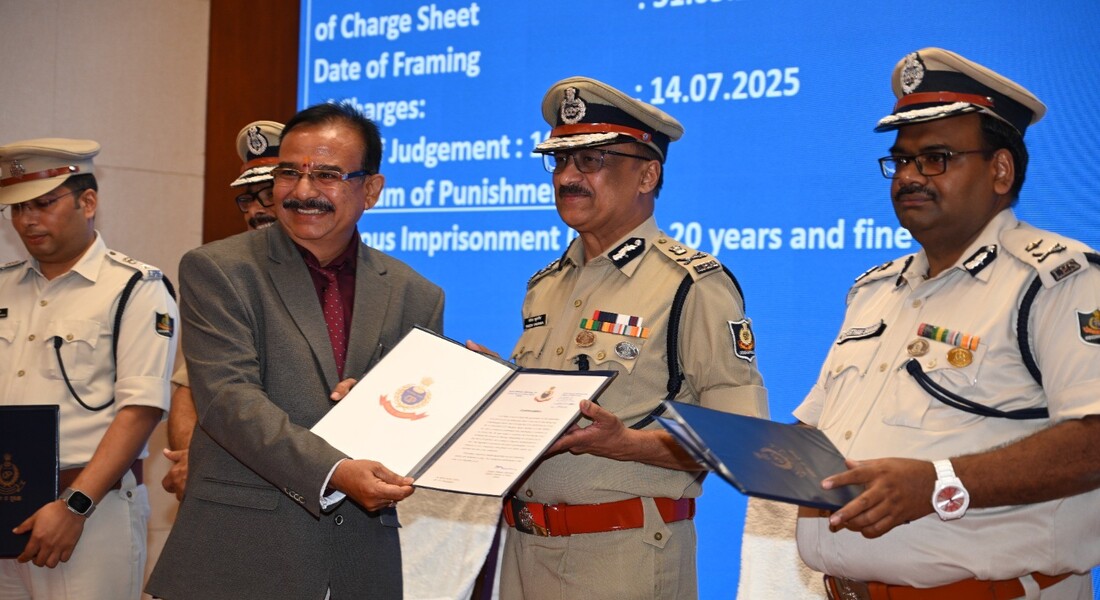
To recognise the efforts of law enforcement personnel, a felicitation ceremony was held at the R.K. Padhi Memorial Hall in Cuttack. Yogesh Bahadur Khurania, Director General of Police, attended as the chief guest and honoured 68 police personnel and government prosecutors for their contribution to effective investigation and prosecution.

The awardees included superintendents of police, supervisory officers, investigating officers, and public prosecutors. Investigating officers were presented with cash rewards and commendation certificates, while other officials were also recognised for their role in ensuring successful convictions.

Senior officers, including Binaytosh Mishra and Sarthak Sadangi, were present at the event.

Officials said the implementation of the new laws has led to significant improvements in professionalism, use of technology, and evidence collection methods within the police force. They added that the focus will remain on strengthening investigation and ensuring timely justice for victims across the state.

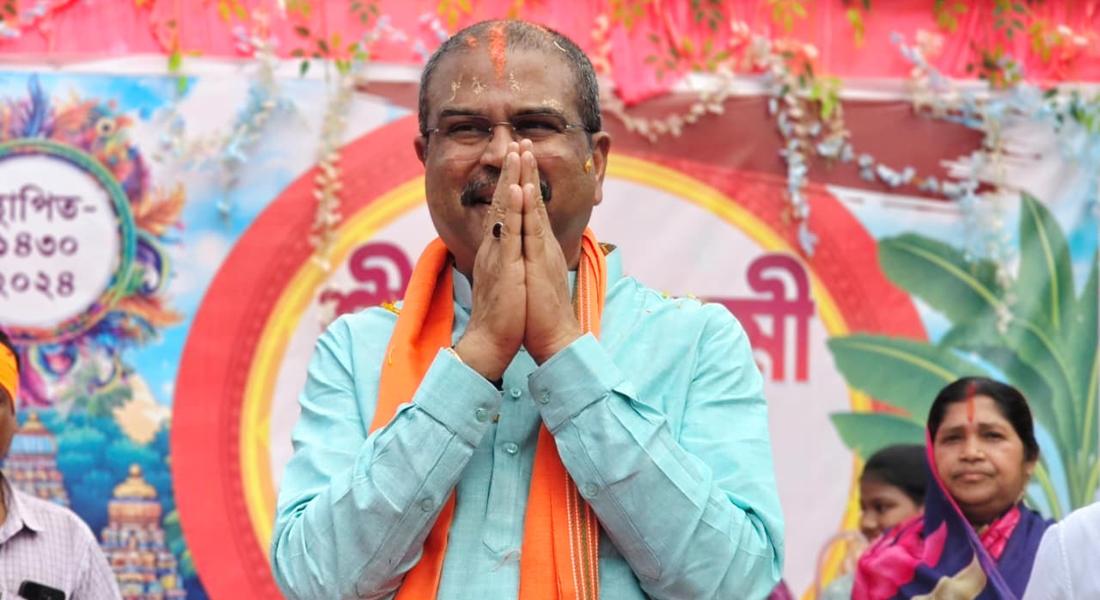
Dharmendra Pradhan counters Naveen Patnaik over delimitation concerns

Bhubaneswar: Union Education Minister Dharmendra Pradhan on Friday strongly responded to concerns raised by BJD President Naveen Patnaik over the proposed 131st Constitutional Amendment Bill, terming them “misleading” and “fear-inducing”.

In a lengthy post on X, Pradhan said the apprehensions expressed by the opposition leader regarding the impact of the bill on Odisha’s political and economic interests were unfounded and did not reflect the stature of an experienced leader.

He rejected claims that the proposed delimitation process would reduce Odisha’s representation in the Lok Sabha, asserting that there was “no question” of any decline. Referring to figures cited by Patnaik, Pradhan said such projections were incorrect and could create unnecessary panic among the public.

The Union minister urged people to place trust in the Constitution and the leadership of Prime Minister Narendra Modi and Home Minister Amit Shah. He noted that the home minister had already assured Parliament that the rights of any state would not be compromised under the proposed changes.

Pradhan also highlighted that Odisha’s representation is expected to increase in the future and said clarity would emerge at the appropriate time. He cautioned against spreading what he described as false and misleading information that could alarm citizens.

Referring to the ‘Nari Shakti Vandan Adhiniyam’, Pradhan said it was encouraging that Patnaik and his party had supported the legislation. He described the amendment bill as a historic step aimed at empowering women across the country.

The Union minister further stressed the need to prioritise national development over political differences, calling for a balanced approach that upholds constitutional values while focusing on the country’s broader interests.

The exchange marks a fresh political face-off in Odisha over the implications of the proposed constitutional changes and the future delimitation process.

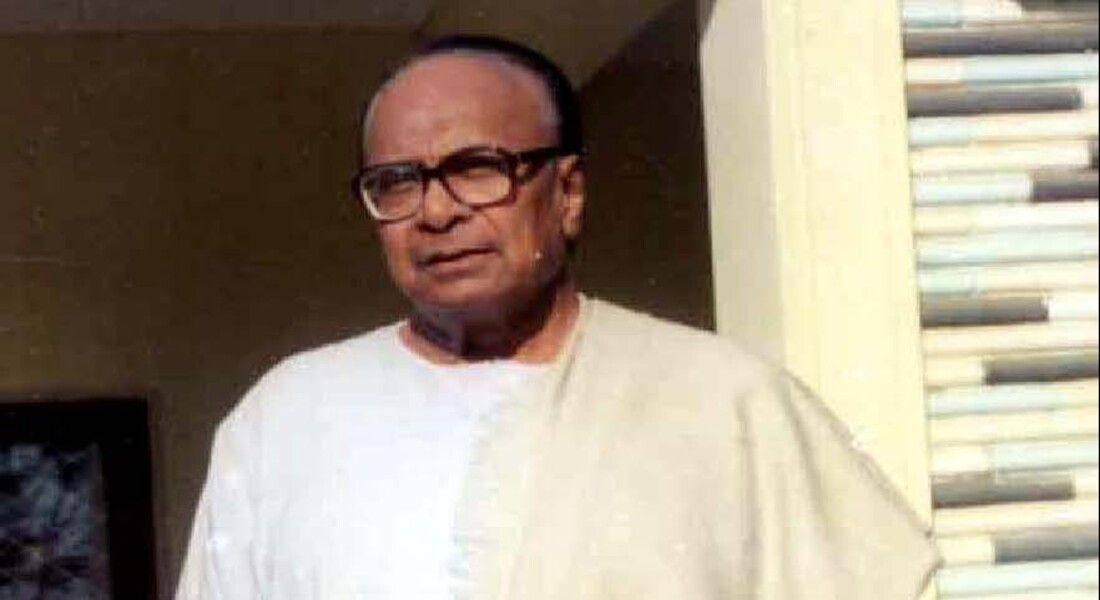
Tributes pour in for Biju Patnaik on his 29th death anniversary

Bhubaneswar: Leaders cutting across party lines paid rich tributes to Biju Patnaik, former Chief Minister and legendary leader, on his 29th death anniversary on Friday, remembering his legacy as a freedom fighter, visionary leader, and architect of modern Odisha.

Political leaders, supporters, and citizens across the state recalled his contributions to Odisha’s development, including his role in industrialisation, infrastructure growth, and the expansion of administrative districts from 13 to 30. Many also highlighted his efforts in strengthening governance and empowering local institutions.

Chief Minister Mohan Charan Majhi paid floral tributes by offering a wreath at Biju Patnaik’s statue in the Assembly premises. He expressed his homage and remembered the late leader’s immense contribution to the state.

Governor Hari Babu Kambhampati also paid homage, stating that Biju Patnaik’s contributions to the state would remain eternally memorable.

In a post on X, Naveen Patnaik, former Chief Minister and president of the Biju Janata Dal, paid a heartfelt tribute to his father, describing him as Odisha’s pride and a people’s hero. He recalled Biju Patnaik’s pivotal role in the freedom struggle and his efforts to strengthen the Panchayati Raj system by empowering grassroots governance.

He also highlighted key initiatives associated with Biju Patnaik, including promoting industrial growth, safeguarding Odia identity, and advancing political representation, particularly through reservations for women.

Rajya Sabha MP Sasmit Patra paid tribute at the BJD Parliamentary Party Office in New Delhi, remembering Biju Patnaik as a valiant freedom fighter and distinguished statesman. He said the late leader remains an enduring symbol of courage, vision, and national pride, inspiring generations to serve the nation with integrity and dedication.

Senior Congress leader Bhakta Charan Das also paid homage, recalling Biju Patnaik’s contributions to both national and state politics. He said the late leader’s role in public life would always be remembered.

Biju Patnaik is widely regarded as one of Odisha’s tallest leaders, whose legacy continues to influence the state’s political and developmental landscape. His contributions to governance, economic growth, and social empowerment remain a guiding force for leaders and citizens alike.

Across Odisha, tributes poured in through public events, social media messages, and commemorative gatherings, reflecting the enduring impact of his life and work.

FSSAI orders crackdown on illegal fruit ripening agents

New Delhi: The Food Safety and Standards Authority of India (FSSAI) has directed all states and Union Territories to step up surveillance and enforcement against the illegal use of artificial fruit ripening agents, including banned substances such as calcium carbide.

In an official communication, the food regulator asked Commissioners of Food Safety, Regional Directors, and Central Licensing Authorities to intensify inspections across fruit markets, mandis, storage facilities, and distribution chains.

The directive reiterates that the use of calcium carbide, commonly referred to as “masala,” is strictly prohibited under the Food Safety and Standards regulations. The substance is widely used for artificial ripening of fruits like mangoes, bananas, and papayas, but poses serious health risks, including difficulty in swallowing, vomiting, and skin ulcers.

The authority also flagged concerns over the use of ethephon solution by some food business operators for ripening fruits. It stated that direct contact of fruits with ethylene in liquid or powder form is not permitted, as per its guidance on safe ripening practices.

FSSAI has instructed enforcement officials to maintain strict vigilance, particularly during the storage of seasonal fruits, where the misuse of non-permitted substances is suspected. It has also advised states to conduct special enforcement drives to curb the use of banned ripening agents, synthetic colours, and wax coatings.

The regulator said that the presence of calcium carbide on premises or near fruit stock could be treated as circumstantial evidence for initiating legal action against violators under relevant provisions of the Food Safety and Standards Act.

Additionally, officials have been asked to use strip paper tests to detect acetylene gas in storage or ripening facilities, which may indicate the use of illegal ripening methods.

The move is aimed at ensuring food safety and protecting consumers from harmful practices in the fruit supply chain.

Middle East conflict raises risks for vulnerable economies, warns IMF

New Delhi: The International Monetary Fund (IMF) has warned that the ongoing conflict in the Middle East is posing significant risks to economic stability across the region, reversing recent growth momentum and increasing pressure on vulnerable economies.

Releasing its April 2026 Regional Economic Outlook, IMF officials said the war, which began on February 28, has delivered a “broad, deep, and still unfolding” economic shock across the Middle East and Central Asia.

Jihad Azour, Director of the Middle East and Central Asia Department, said the conflict has disrupted key pillars of the global economy, including energy markets, trade routes, and business confidence.

He noted that the Strait of Hormuz, a critical global energy corridor, faced severe disruption, affecting nearly one-fifth of global oil supply and over a quarter of LNG transit. Oil production declined sharply, while Brent crude prices crossed USD 100 per barrel before easing following the ceasefire announcement.

The IMF highlighted that the shock has extended beyond energy markets. Disruptions to fertilizer trade and rising costs are expected to feed into higher food prices, particularly affecting vulnerable populations across the Middle East, South Asia, and Africa, the IMF said in a press briefing.

The conflict has also affected services, with air traffic declining, maritime insurance premiums rising, and shipping routes becoming longer. Supply chains have weakened, while financial markets have reacted with wider sovereign spreads, capital outflows, and higher borrowing costs.

According to the IMF, economic growth in the Middle East, North Africa, Afghanistan, and Pakistan region is projected to slow to 1.4% in 2026, marking a downward revision of 2.3 percentage points from earlier forecasts. The IMF described this as one of the largest six-month downgrades since the global financial crisis.

The impact remains uneven across countries. Several conflict-affected oil exporters are expected to contract, while others with alternative access routes have experienced relatively limited disruption.

Oil-importing economies are facing compounded pressures, including higher energy costs, weaker remittances, and tighter financial conditions. Low-income and fragile states remain particularly exposed, with high dependence on food imports and limited fiscal buffers.

INS Sudarshini docks in Casablanca under Lokayan 26

New Delhi: Indian Navy’s sail training ship INS Sudarshini arrived at Casablanca, Morocco, as part of its transoceanic deployment under Lokayan 26, marking a key milestone in the mission.

The port call highlights the Indian Navy’s efforts to expand maritime engagement under the MAHASAGAR vision (Mutual and Holistic Advancement for Security and Growth Across the Region). It also reflects growing naval cooperation and bilateral ties between India and Morocco.

During the visit, the Commanding Officer of INS Sudarshini met Cmde Hassan Akouli, Commander of the Central Maritime Sector of the Moroccan Navy, and Cmde Omar Nasri, Director of the Royal Naval School. The discussions focused on enhancing maritime cooperation and exploring opportunities for training exchanges, according to an official statement.

Over the three-day stay, the ship’s crew will interact with personnel of the Royal Moroccan Navy, host senior officials onboard, and take part in professional and cultural engagements aimed at strengthening cooperation and goodwill.

The visit also provides training exposure to crew members and trainees, while showcasing India’s capabilities in ocean sailing and its expanding international maritime outreach.

Indian naval presence in Casablanca has increased in recent months. Ships including INS Tabar, INS Tarkash, INS Sumedha, and INS Tushil have visited the port over the past year, contributing to stronger operational coordination.

In addition, Rear Admiral Mohamed Tahin of the Royal Moroccan Navy visited the Southern Naval Command of the Indian Navy in November 2025, further strengthening bilateral engagement.

As INS Sudarshini continues its voyage across key maritime routes, the deployment reinforces India’s commitment to global maritime cooperation and the principle of Vasudhaiva Kutumbakam.

Two aircraft damaged after ground contact at Delhi Airport, DGCA orders probe

New Delhi: A ground incident involving two passenger aircraft was reported at Indira Gandhi International Airport, New Delhi, on Thursday, prompting an investigation by the Directorate General of Civil Aviation (DGCA).

The incident occurred near bay No. 106 at Terminal 1. It involved a SpiceJet Boeing 737-700 operating flight SG-124 from Leh to Delhi and an Akasa Air Boeing 737 MAX 8 operating flight QP-1406 from Delhi to Hyderabad, according to an official statement.

According to initial information, the Akasa Air aircraft had pushed back from bay No. 104 and was positioned for engine start. The SpiceJet aircraft, which was holding near bay No. 108, received clearance from air traffic control to taxi towards bay No. 106 after confirming adequate separation.

During taxiing, the right winglet of the SpiceJet aircraft came into contact with the left horizontal stabiliser of the Akasa Air aircraft. Both aircraft sustained damage and have been grounded for detailed inspection and necessary repairs.

Preliminary inputs indicate that the SpiceJet aircraft initiated a turn without wing walker guidance, leading to the contact.

The aviation regulator has launched a detailed inquiry into the incident, including a review of ground handling procedures. Pending the outcome of the investigation, the pilots of the SpiceJet aircraft and the concerned air traffic control officer have been taken off duty.

The Ministry of Civil Aviation said it is monitoring the situation closely and will take necessary steps to ensure adherence to safety protocols and prevent similar occurrences.

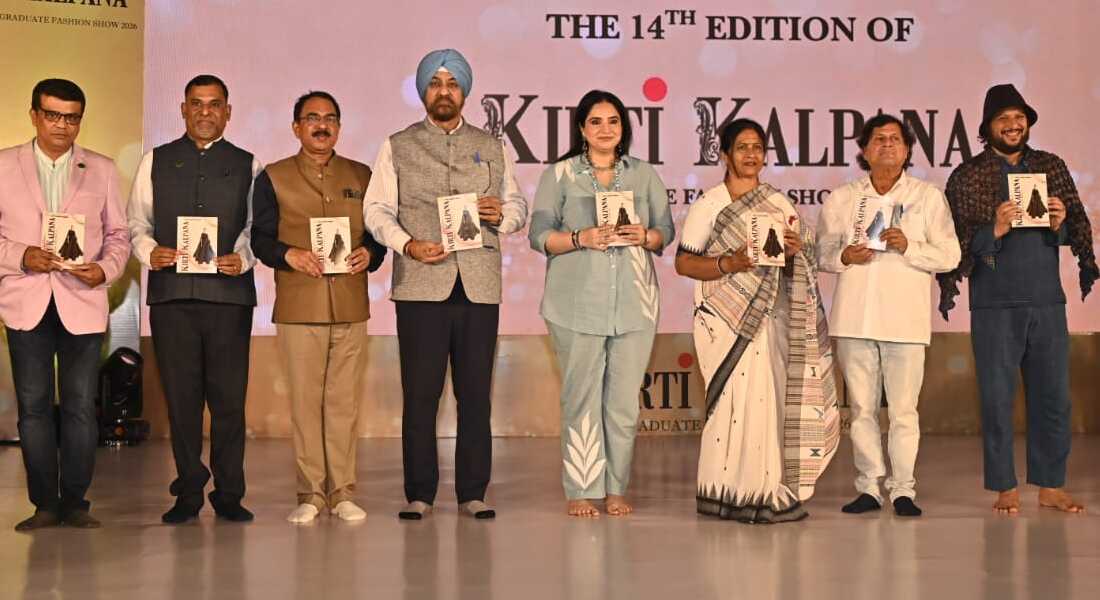
BMC Mayor Sulochana Das highlights Bhubaneswar’s rise as fashion hub

Bhubaneswar: BMC Mayor Sulochana Das on Thursday said Bhubaneswar is rapidly emerging as a major fashion hub in eastern India while inaugurating the 14th edition of “Kirti Kalpana 2026,” the graduate fashion show of the School of Fashion Technology at KIIT University.

She said the city has developed into a national centre for fashion and credited Achyuta Samanta for bringing events like Femina Miss India to Bhubaneswar. The grand finale will be held on April 18 at the KIIT campus.

Natasha Grover, National Director and Brand & Operations Head of the Miss India Organization, said she was pleased to be part of the event. She said the experience of the 30 state winners in Odisha has been meaningful and advised participants to remain honest and work hard.

Fashion designer Anuj Durga Sharma encouraged students to focus on innovation and sustainable design practices, KIIT said in a release.

KIIT Vice Chancellor Prof Saranjit Singh asked students to pursue their goals with sincerity and represent KIIT and KISS responsibly.

The programme included felicitation of guests, jury members, and student achievers, along with the launch of the event brochure.

Graduating students showcased their collections reflecting creativity and contemporary design.