
New Delhi: The International Monetary Fund (IMF) has warned that the ongoing conflict in the Middle East is posing significant risks to economic stability across the region, reversing recent growth momentum and increasing pressure on vulnerable economies.
Releasing its April 2026 Regional Economic Outlook, IMF officials said the war, which began on February 28, has delivered a “broad, deep, and still unfolding” economic shock across the Middle East and Central Asia.
Jihad Azour, Director of the Middle East and Central Asia Department, said the conflict has disrupted key pillars of the global economy, including energy markets, trade routes, and business confidence.
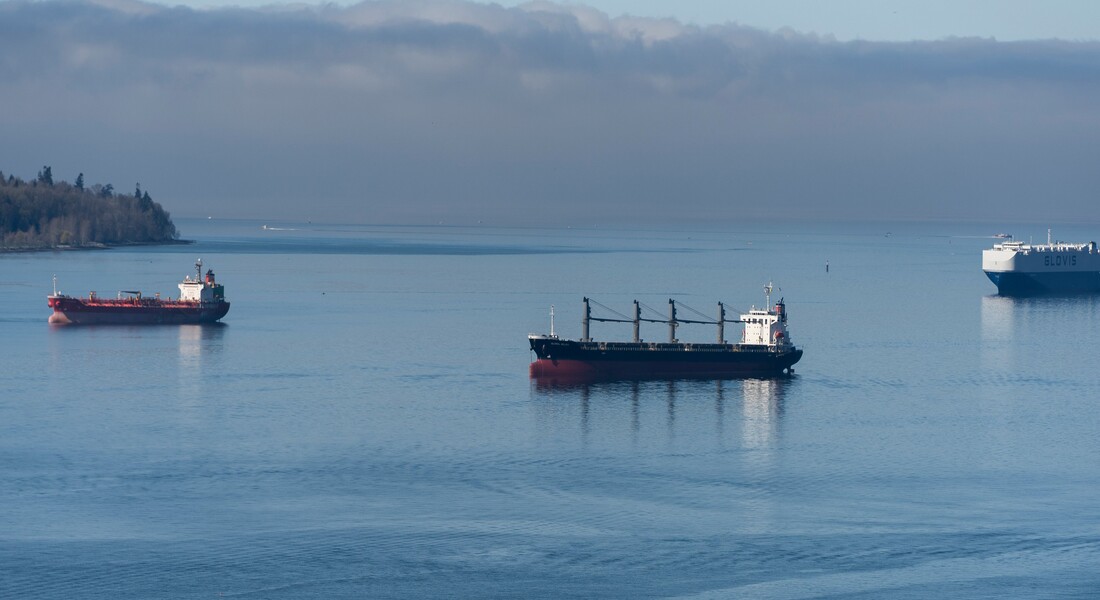
He noted that the Strait of Hormuz, a critical global energy corridor, faced severe disruption, affecting nearly one-fifth of global oil supply and over a quarter of LNG transit. Oil production declined sharply, while Brent crude prices crossed USD 100 per barrel before easing following the ceasefire announcement.
The IMF highlighted that the shock has extended beyond energy markets. Disruptions to fertilizer trade and rising costs are expected to feed into higher food prices, particularly affecting vulnerable populations across the Middle East, South Asia, and Africa, the IMF said in a press briefing.
The conflict has also affected services, with air traffic declining, maritime insurance premiums rising, and shipping routes becoming longer. Supply chains have weakened, while financial markets have reacted with wider sovereign spreads, capital outflows, and higher borrowing costs.
According to the IMF, economic growth in the Middle East, North Africa, Afghanistan, and Pakistan region is projected to slow to 1.4% in 2026, marking a downward revision of 2.3 percentage points from earlier forecasts. The IMF described this as one of the largest six-month downgrades since the global financial crisis.
The impact remains uneven across countries. Several conflict-affected oil exporters are expected to contract, while others with alternative access routes have experienced relatively limited disruption.
Oil-importing economies are facing compounded pressures, including higher energy costs, weaker remittances, and tighter financial conditions. Low-income and fragile states remain particularly exposed, with high dependence on food imports and limited fiscal buffers.