At IndiaVerve, we go beyond the noise to bring you meaningful stories of change, resilience and progress—from India to the world stage. Our mission is to bring readers credible, wide-ranging coverage across politics, business, sports, culture, society and more.

Govt reviews drinking water projects, plans expansion of 24×7 supply in urban areas

Bhubaneswar: The Government of Odisha has undertaken a comprehensive review of its ongoing SUJALA programme to accelerate the rollout of round-the-clock urban drinking water supply across Urban Local Bodies (ULBs), with a major investment plan lined up for the coming years.

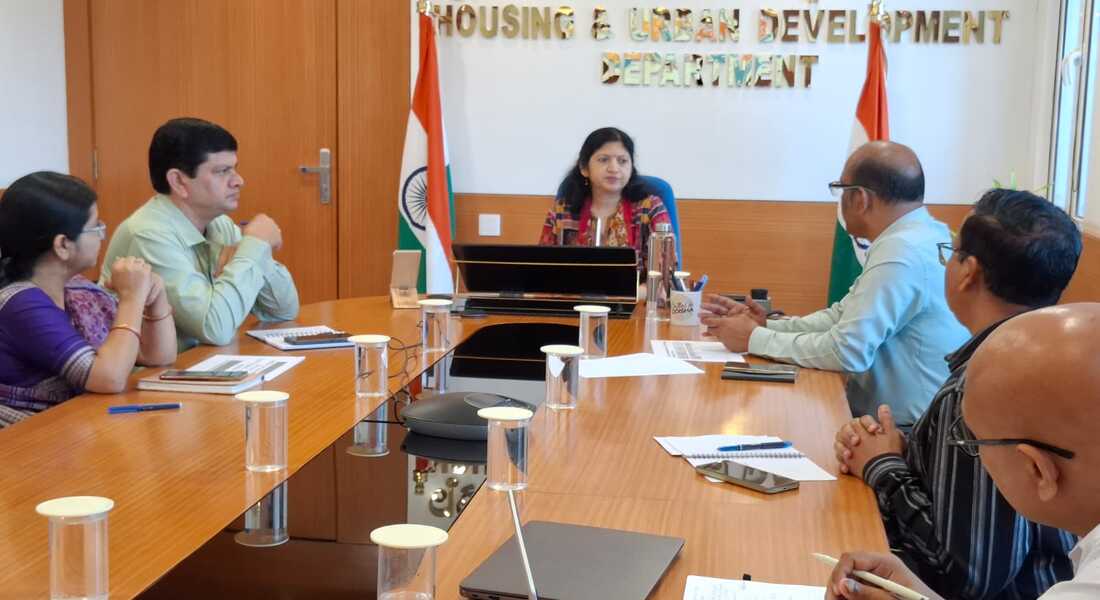
The review meeting, chaired by Additional Chief Secretary of the Housing and Urban Development Department Usha Padhee on Saturday, assessed the Annual Action Plans of the Public Health Engineering Organisation (PHEO) for 2026–27, 2027–28 and 2028–29.

According to official data, noted that the population across 86 ULBs is projected to reach around 31.5 lakh by 2026, with current water supply levels at about 452 million litres per day (MLD). The state is implementing a phased roadmap to transition all urban areas to continuous water supply.

Under this plan, nine ULBs have already been brought under 24×7 supply during 2025–26. The coverage is set to expand significantly, with 38 ULBs each to be taken up in 2026–27 and 2027–28.

The SUJALA programme has so far sanctioned 544 water supply projects, of which 289 have been completed, while the rest are under various stages of execution. As part of the upcoming implementation cycle, 391 projects—including 102 new ones—will be taken up in 2026–27 with an estimated outlay of ₹1500 crore. Additionally, 92 projects are planned for 2027–28 at a projected cost of ₹978 crore.

These projects are aimed at strengthening water supply infrastructure, improving distribution systems, and ensuring uninterrupted service delivery to urban households.

During the review, Padhee directed officials to expedite project execution and ensure timely completion, with a focus on optimal utilisation of allocated funds. She also emphasised the need to identify alternative water sources and discourage the use of treated drinking water for non-essential purposes such as construction, vehicle washing and gardening.

Senior officials, including representatives from PHEO and the Housing and Urban Development Department, attended the meeting and reviewed progress across multiple project components.

Dozens fall ill in Odisha village after consuming dahibara, probe underway

Bhubaneswar: A suspected case of food contamination in Odisha’s Jajpur district led to the hospitalisation of 58 people, including 27 children, after they consumed a popular local snack in a village earlier this week, officials said.

The incident was reported from Patapur village under the Dasarathapur block on Friday. According to police inputs, those affected had eaten dahibara, a well-known regional delicacy, from a roadside vendor before developing symptoms such as vomiting and fever within a short span.

According to reports, all those who fell ill were taken to nearby medical facilities, including the Dasarathapur Community Health Centre and the district headquarters hospital, where they received treatment.

District authorities later confirmed that a section of the patients had responded well to care, with 21 individuals discharged after recovery.

District Collector Ambar Kumar Kar reviewed the situation at the hospital, while Health Minister Dr. Mukesh Mahaling also visited the facility to assess the condition of those undergoing treatment. Officials indicated that preliminary findings pointed towards the consumption of contaminated dahibara as a possible cause, though laboratory confirmation is awaited.

Food and water samples have been collected and sent for detailed testing. The state government has initiated a multi-layered probe into the incident, with three separate teams tasked with examining the circumstances leading to the outbreak. Authorities also indicated that measures are being taken to ensure that all affected patients continue to receive appropriate medical attention as the investigation progresses.

India settle for bronze as depleted side fall to France in Thomas Cup semi-finals

New Delhi: India’s spirited run at the Thomas Cup 2026 came to a halt in the semi-finals on Saturday, as a depleted side went down 3-0 to France in Horsens, Denmark.

The absence of their leading singles star, Lakshya Sen, proved decisive, leaving the team short of firepower at a critical stage.

India, however, did not leave empty-handed. The campaign yielded a bronze medal – only the nation’s second podium finish in the tournament’s history after the landmark gold in 2022 – underlining the team’s growing consistency on the global stage, according to olympics.com.

The tie opened on a difficult note, with rising shuttler Ayush Shetty stepping in for the injured Sen. Up against world No. 4 Christo Popov, the young Indian struggled to find rhythm and went down 21-11, 21-9 in a one-sided 39-minute contest. Shetty, who had impressed in the quarter-finals, could not replicate that sharpness against a seasoned opponent who controlled proceedings from the outset.

Former world No. 1 Kidambi Srikanth offered resistance in the second rubber, taking on the highly-rated Alex Lanier. Srikanth showed glimpses of his experience and touch, but Lanier maintained composure in key moments to seal a 21-16, 21-18 win, pushing India to the brink.

With elimination looming, the responsibility fell on H. S. Prannoy in the third match against Toma Junior Popov. Prannoy battled hard, especially in a closely-contested opening game, but the Frenchman held firm to close out the match 21-19, 21-16 and secure the tie for his side without the need for doubles.

While the result exposed the impact of Sen’s injury-enforced absence, India’s overall performance in the tournament reflected depth and resilience. The bronze medal adds another significant chapter to the country’s recent rise in team badminton.

In contrast, India’s campaign in the parallel Uber Cup 2026 ended earlier than expected, with P. V. Sindhu and the women’s team failing to progress beyond the group stage.

Police bust mobile hashish oil unit in Malkangiri, seize materials worth ₹100 crore

Bhubaneswar: In a major crackdown on narcotics operations, the Odisha Police has busted a mobile hashish oil manufacturing unit in Malkangiri district, seizing precursor materials and contraband with an estimated market value of ₹100 crore.

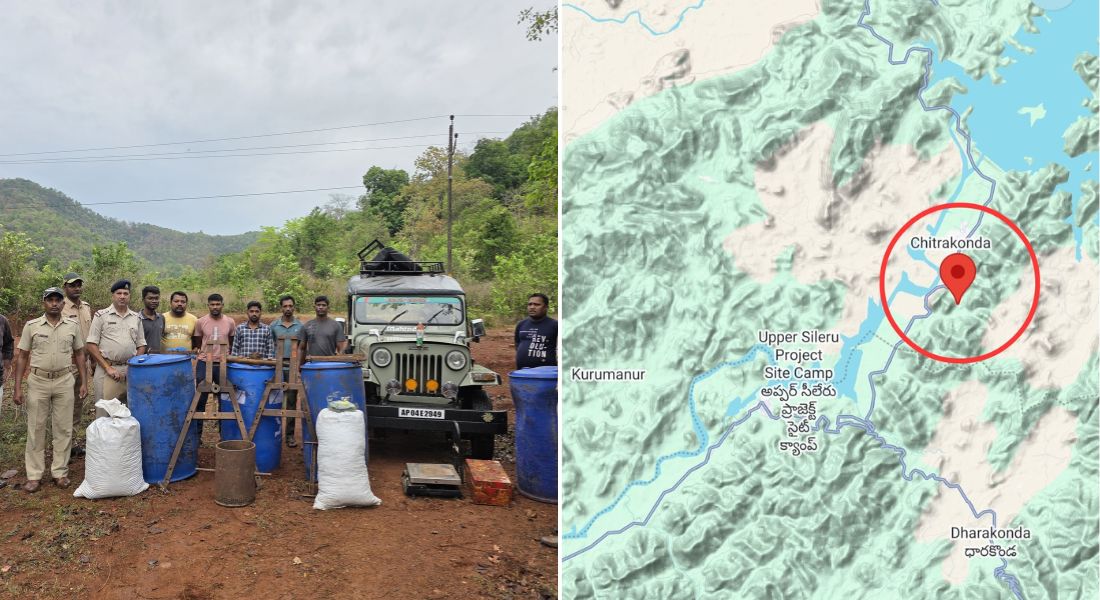
Acting on specific intelligence inputs, a team led by the Sub-Divisional Police Officer (SDPO) of Chitrakonda carried out a targeted operation in the early hours of Sunday near Chitrakonda. The raid resulted in the interception of a vehicle transporting a clandestine, fully equipped mobile processing unit.

Officials said approximately 800 litres of chemical precursors and solvents used in the production of high-potency hashish oil were recovered. In addition, police seized 50 kilograms of ganja and around 2 litres of processed hashish oil from the vehicle. The equipment recovered included specialised extraction machinery, indicating an organised and technically equipped operation.

Based on the volume of seized precursor materials, authorities estimate that the unit had the capacity to produce up to 800 litres of hashish oil, with a potential illicit market value of nearly ₹100 crore.

The operation was carried out under the supervision of the Superintendent of Police, Malkangiri. The intercepted vehicle, bearing an Andhra Pradesh registration number that was later found to be falsified, has also been confiscated.

According to police sources, the illegal unit had been on the radar for several days following intelligence inputs suggesting its presence in the Chitrakonda region. However, sustained enforcement pressure forced the operators to frequently shift locations, effectively turning the setup into a mobile manufacturing unit to evade detection.

During the latest raid, the driver of the vehicle managed to escape into nearby forested terrain, taking advantage of the difficult geography of the region. Police have launched a search operation to track down those involved, with indications that a larger interstate syndicate may be behind the operation.

Investigations are currently underway to identify the network, trace supply chains, and determine the intended distribution channels of the seized narcotics.

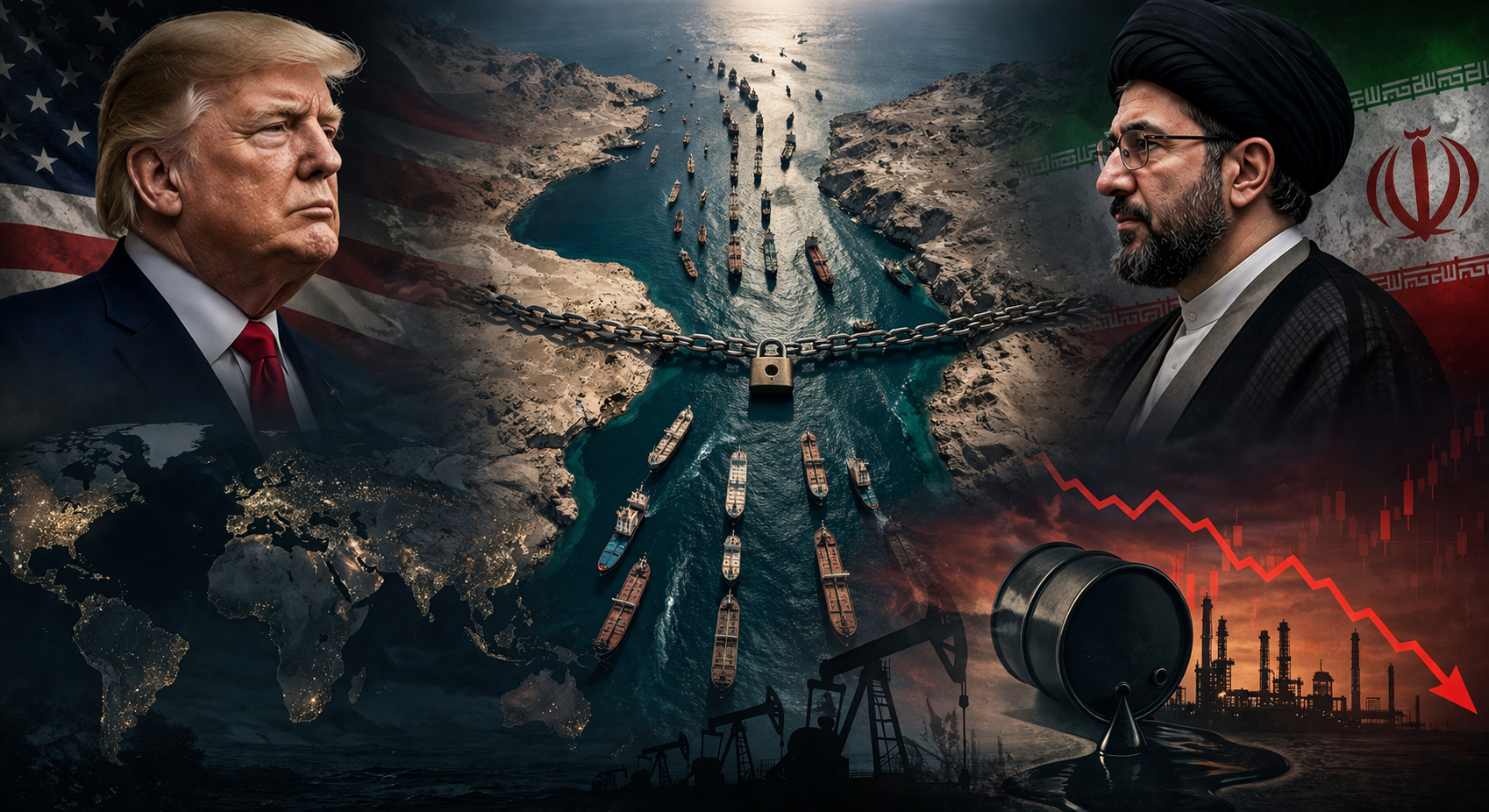
Trump reviews Iran peace plan as Israeli strikes continue in Lebanon despite ceasefire

US signals possible renewed strikes, Iran remains on alert, and Israel intensifies Lebanon operations, highlighting widening regional instability despite ongoing ceasefire and diplomatic efforts.

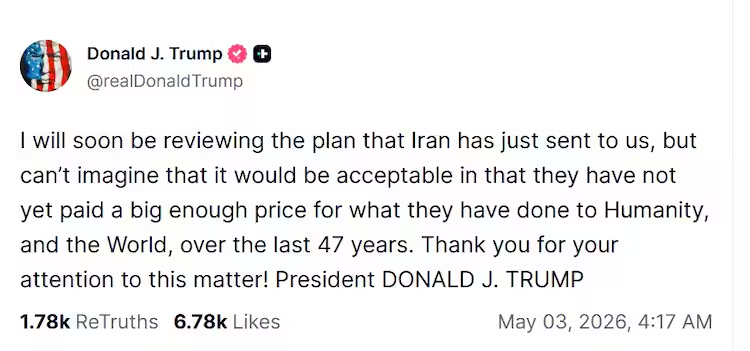
United States President Donald Trump has reiterated his doubt on Iran’s proposed peace roadmap even as Israeli airstrikes continue in southern Lebanon under a declared ceasefire, underscoring the fragile and increasingly volatile security situation across the Middle East.

Speaking in Florida on Saturday before boarding Air Force One, Trump said he was reviewing Tehran’s 14-point peace proposal but indicated it may fall short of Washington’s expectations. He warned that military action could resume if Iran deviates from acceptable terms.

The proposed framework from Iran, according to Al Jazeera, includes demands such as lifting the US naval blockade, releasing frozen assets, and providing war reparations. It also seeks a 30-day timeline to finalise a settlement, which contrasts with the longer transition period preferred by United States officials.

Despite the diplomatic overture, Trump maintained a hardline stance, suggesting Iran had not yet faced sufficient consequences for its actions over decades. He also claimed that sustained military and economic pressure had significantly weakened Tehran’s position.

The developments come during a tentative ceasefire in the conflict involving the US, Israel and Iran, which began in late February. While active hostilities have paused, military readiness remains high. Iran’s Islamic Revolutionary Guard Corps has stated it is on full alert, citing concerns over Washington’s reliability in past agreements.

Tensions have further intensified following Trump’s remarks describing US naval operations enforcing the blockade in the Strait of Hormuz as “a very profitable business.” He likened the operations to piracy, stating that US forces had seized ships and cargo during enforcement actions.

Iran strongly condemned the comments, with its foreign ministry calling them an admission of unlawful conduct at sea and urging international intervention against what it described as violations of maritime law.

The Strait of Hormuz remains a critical flashpoint, carrying nearly 20 percent of global oil and gas supplies. Iran’s earlier move to block the route has compounded global energy concerns, while reports of sea mines continue to pose operational challenges.

Meanwhile, Washington has approved $8.6 billion in emergency arms sales to regional allies, including Israel, Qatar, Kuwait and the United Arab Emirates, citing urgent security needs amid ongoing missile and drone threats. The decision to fast-track these deals without congressional review has drawn attention to the scale of the unfolding crisis.

Complicating matters further, the US has announced plans to withdraw approximately 5,000 troops from Germany, prompting concern within NATO. The move reflects growing friction between Washington and European allies over burden-sharing and strategy in the Iran conflict.

Beyond Iran, regional instability continues to deepen. In southern Lebanon, Israeli airstrikes and ground operations have reportedly continued despite a ceasefire with Hezbollah, underscoring the broader volatility across multiple fronts.

With diplomatic channels open but trust in short supply, the coming weeks are likely to determine whether negotiations can gain traction or whether the region slides back into active conflict.