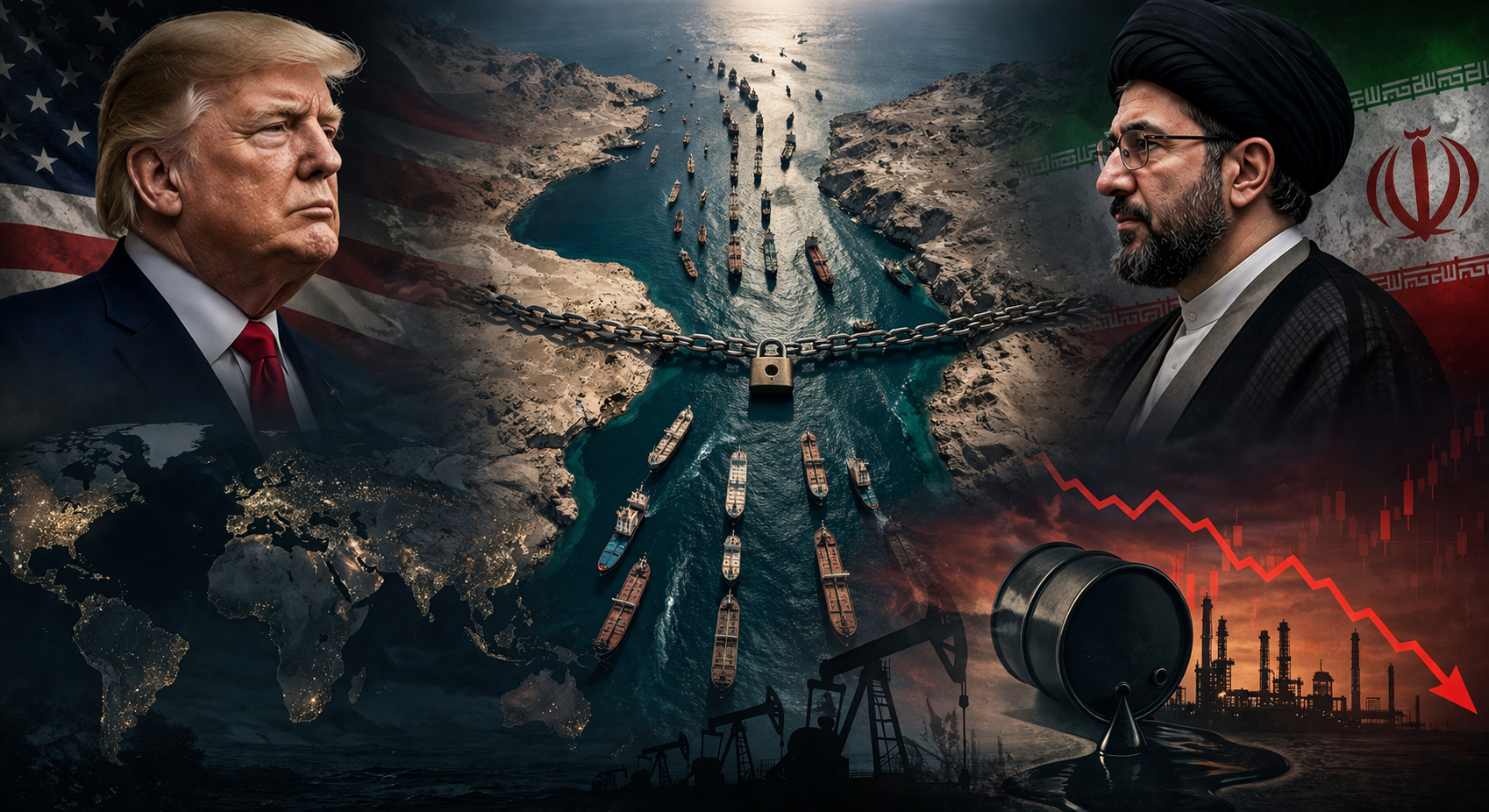

US signals possible renewed strikes, Iran remains on alert, and Israel intensifies Lebanon operations, highlighting widening regional instability despite ongoing ceasefire and diplomatic efforts.
United States President Donald Trump has reiterated his doubt on Iran’s proposed peace roadmap even as Israeli airstrikes continue in southern Lebanon under a declared ceasefire, underscoring the fragile and increasingly volatile security situation across the Middle East.
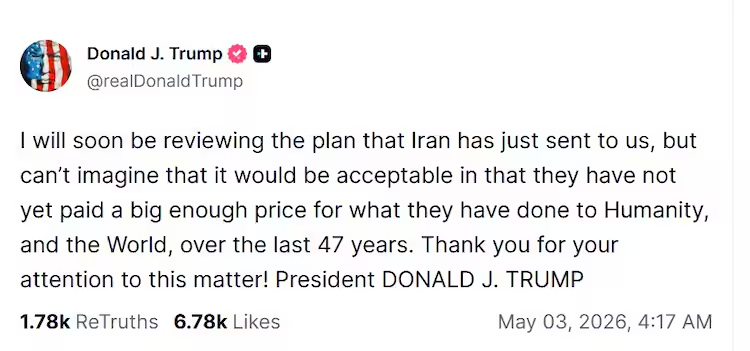
Speaking in Florida on Saturday before boarding Air Force One, Trump said he was reviewing Tehran’s 14-point peace proposal but indicated it may fall short of Washington’s expectations. He warned that military action could resume if Iran deviates from acceptable terms.
The proposed framework from Iran, according to Al Jazeera, includes demands such as lifting the US naval blockade, releasing frozen assets, and providing war reparations. It also seeks a 30-day timeline to finalise a settlement, which contrasts with the longer transition period preferred by United States officials.
Despite the diplomatic overture, Trump maintained a hardline stance, suggesting Iran had not yet faced sufficient consequences for its actions over decades. He also claimed that sustained military and economic pressure had significantly weakened Tehran’s position.
The developments come during a tentative ceasefire in the conflict involving the US, Israel and Iran, which began in late February. While active hostilities have paused, military readiness remains high. Iran’s Islamic Revolutionary Guard Corps has stated it is on full alert, citing concerns over Washington’s reliability in past agreements.
Tensions have further intensified following Trump’s remarks describing US naval operations enforcing the blockade in the Strait of Hormuz as “a very profitable business.” He likened the operations to piracy, stating that US forces had seized ships and cargo during enforcement actions.
Iran strongly condemned the comments, with its foreign ministry calling them an admission of unlawful conduct at sea and urging international intervention against what it described as violations of maritime law.
The Strait of Hormuz remains a critical flashpoint, carrying nearly 20 percent of global oil and gas supplies. Iran’s earlier move to block the route has compounded global energy concerns, while reports of sea mines continue to pose operational challenges.
Meanwhile, Washington has approved $8.6 billion in emergency arms sales to regional allies, including Israel, Qatar, Kuwait and the United Arab Emirates, citing urgent security needs amid ongoing missile and drone threats. The decision to fast-track these deals without congressional review has drawn attention to the scale of the unfolding crisis.
Complicating matters further, the US has announced plans to withdraw approximately 5,000 troops from Germany, prompting concern within NATO. The move reflects growing friction between Washington and European allies over burden-sharing and strategy in the Iran conflict.
Beyond Iran, regional instability continues to deepen. In southern Lebanon, Israeli airstrikes and ground operations have reportedly continued despite a ceasefire with Hezbollah, underscoring the broader volatility across multiple fronts.
With diplomatic channels open but trust in short supply, the coming weeks are likely to determine whether negotiations can gain traction or whether the region slides back into active conflict.