At IndiaVerve, we go beyond the noise to bring you meaningful stories of change, resilience and progress—from India to the world stage. Our mission is to bring readers credible, wide-ranging coverage across politics, business, sports, culture, society and more.

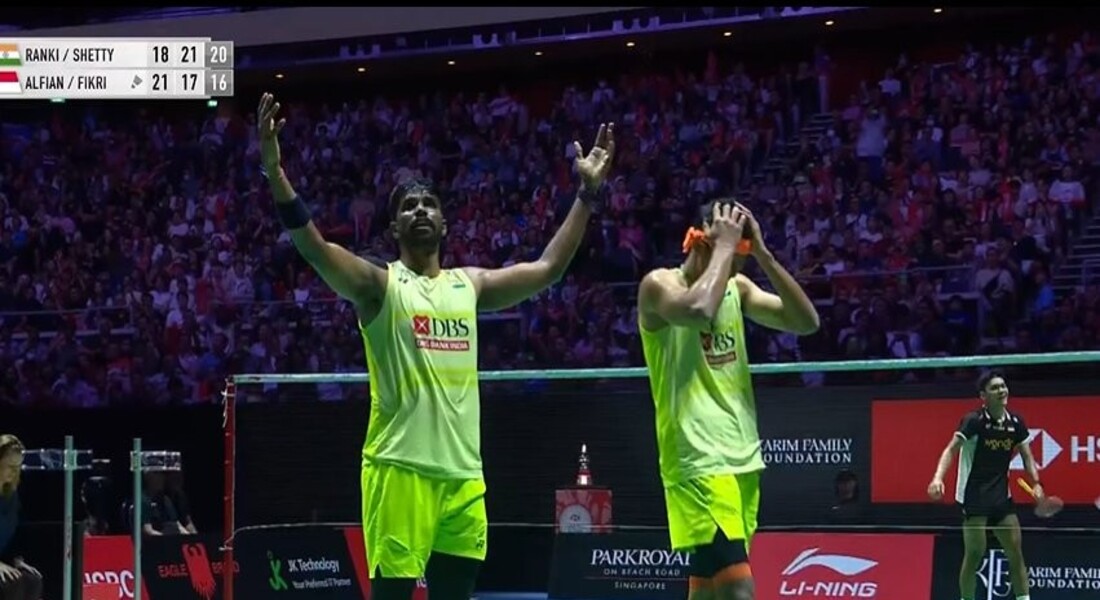
Satwik-Chirag end title drought with historic Singapore Open triumph

New Delhi: India’s Satwiksairaj Rankireddy and Chirag Shetty returned to the winners’ circle in style by capturing the Singapore Open Super 750 men’s doubles title on Sunday, ending a two-year wait for a World Tour crown and creating history in the process.

The Indian duo fought back from a game down to defeat Indonesia’s Fajar Alfian and Muhammed Shohibul Fikri 18-21, 21-17, 21-16 in a gripping final that lasted one hour and 13 minutes, according to reports.

The contest began with the Indonesians dictating the pace. Alfian and Fikri kept the exchanges quick around the net and prevented Satwik from imposing his powerful attacking game from the back court. Their approach paid off as they edged the opening game.

The momentum shifted in the second game as Chirag’s sharp work at the net helped India gain control of longer rallies. The pair built a valuable lead and maintained their advantage to level the match and force a decider.

With the title on the line, Satwik found his rhythm in the third game. The Indians moved ahead early before Alfian and Fikri reduced the deficit with a series of aggressive attacks. However, Satwik and Chirag responded strongly, combining defensive solidity with attacking precision to regain command.

As Chirag consistently forced lifts from the Indonesian pair, Satwik capitalised with a succession of decisive smashes that helped India pull away during the closing stages of the match.

The victory made Satwik and Chirag the first Indian men’s doubles pair to win the Singapore Open title, adding another landmark achievement to their growing list of accomplishments.

The triumph secured the pair’s ninth career BWF World Tour title and their third Super 750 crown. It also marked their first World Tour title since 2024, ending a lengthy wait for silverware despite several strong performances on the international circuit.

For the Asian Games and Commonwealth Games champions, the Singapore Open victory represents a significant boost as they continue their push among the world’s leading men’s doubles combinations and signals a return to the form that once saw them occupy the world No. 1 ranking.
Japan rejects China’s militarism charge amid growing security tensions

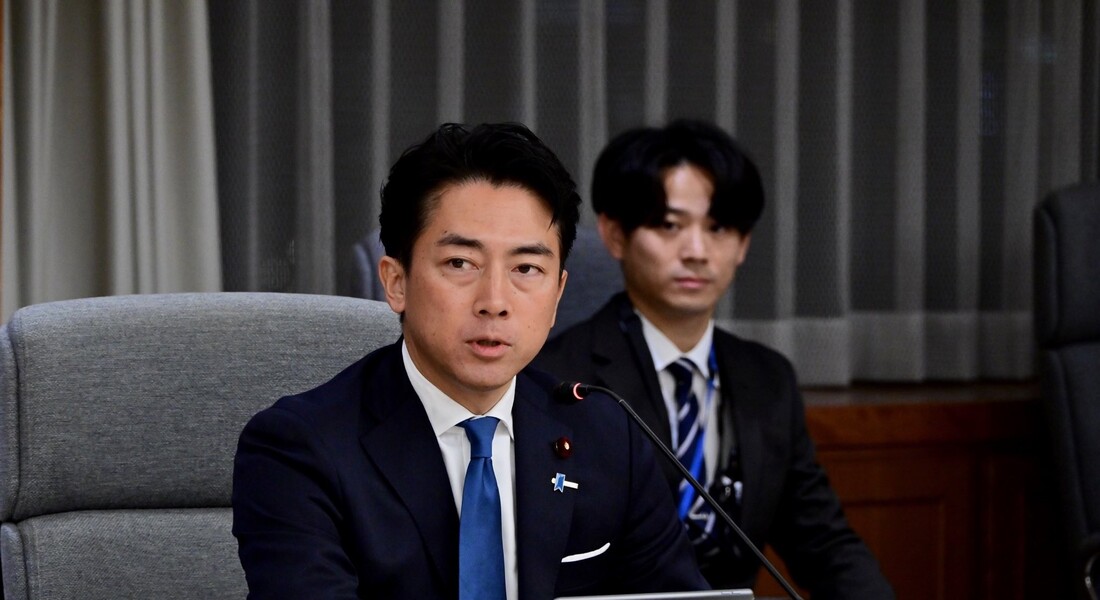
New Delhi: Japan on Sunday pushed back against Chinese criticism of its defence policies, with Defence Minister Shinjiro Koizumi arguing that Tokyo’s military posture remains rooted in its post-war commitment to peace despite growing regional security challenges.

Addressing delegates at the Shangri-La Dialogue in Singapore, Koizumi rejected accusations that Japan is pursuing a path of “new militarism”, saying the country’s actions over the decades since World War II demonstrate its commitment to maintaining peace and stability.

The remarks came amid increasing tensions between Asia’s two largest economies over defence and security issues, according to independent.co.uk.

Koizumi expressed concern over China’s military expansion and activities, saying Beijing’s growing capabilities and strategic posture continue to raise questions for Japan and the wider international community.

Without directly naming China, the Japanese minister contrasted Tokyo’s military capabilities with those of countries possessing nuclear weapons and strategic bombers, arguing that claims portraying Japan as militaristic do not reflect reality.

China has repeatedly criticised Japan’s rising defence expenditure and security reforms. Earlier this month, Beijing called on countries in the Asia-Pacific region to oppose what it described as Japanese “neo-militarism”. Chinese defence officials have also voiced concern over Tokyo’s efforts to strengthen its military capabilities, loosen restrictions on weapons exports, and discuss changes to its post-war pacifist framework.

The exchange highlights the widening strategic divide between the two neighbours as security concerns grow across the Indo-Pacific region.

The annual Shangri-La Dialogue, organised in Singapore by the International Institute for Strategic Studies, brings together defence ministers, military officials, and policymakers from dozens of countries to discuss regional and global security challenges.

Relations between Beijing and Tokyo have faced additional strain in recent months. The issue gained prominence after Japanese Prime Minister Sanae Takaichi said in November that a Chinese attack on Taiwan could pose a direct threat to Japan’s security and potentially warrant a military response under certain circumstances.

Ananya Awasthi becomes first woman ADC to Odisha Governor Dr. Hari Babu Kambhampati

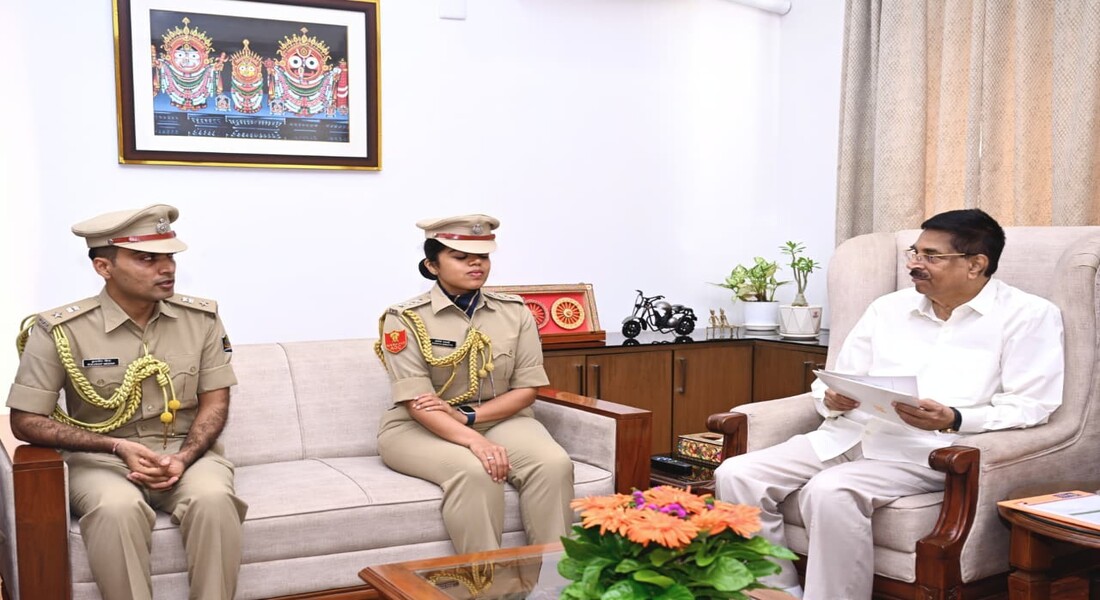
Bhubaneswar: IPS officer Ananya Awasthi has been appointed as the Police Aide-de-Camp (ADC) to Odisha Governor Dr. Hari Babu Kambhampati, becoming the first woman to hold the position in the state.

A formal induction ceremony was held at Lok Bhavan on Sunday, where Governor Dr. Hari Babu welcomed Awasthi to her new assignment as the Police ADC. Senior officials of the Governor’s Secretariat were present on the occasion.

During the meeting, Dr. Hari Babu conveyed his best wishes for her successful tenure.

Before taking up the new role, Awasthi was serving as Assistant Commissioner of Police, UPD, Cuttack.

Her appointment marks a significant milestone in Odisha’s administrative and public service landscape, as she becomes the first woman to serve as ADC to the governor of Odisha.

Awasthi succeeds IPS officer Kuldeep Meena, who previously served as the Police ADC to the governor.

The governor of Odisha is assisted by two ADCs – one from the Indian Navy and the other from the Odisha Police. While Awasthi will serve as the Police ADC, Lieutenant Harshit Deo of the Indian Navy will continue in his role as the Naval ADC to the governor.

The ADC is responsible for assisting the governor during official engagements, ceremonial functions, and other protocol-related duties.

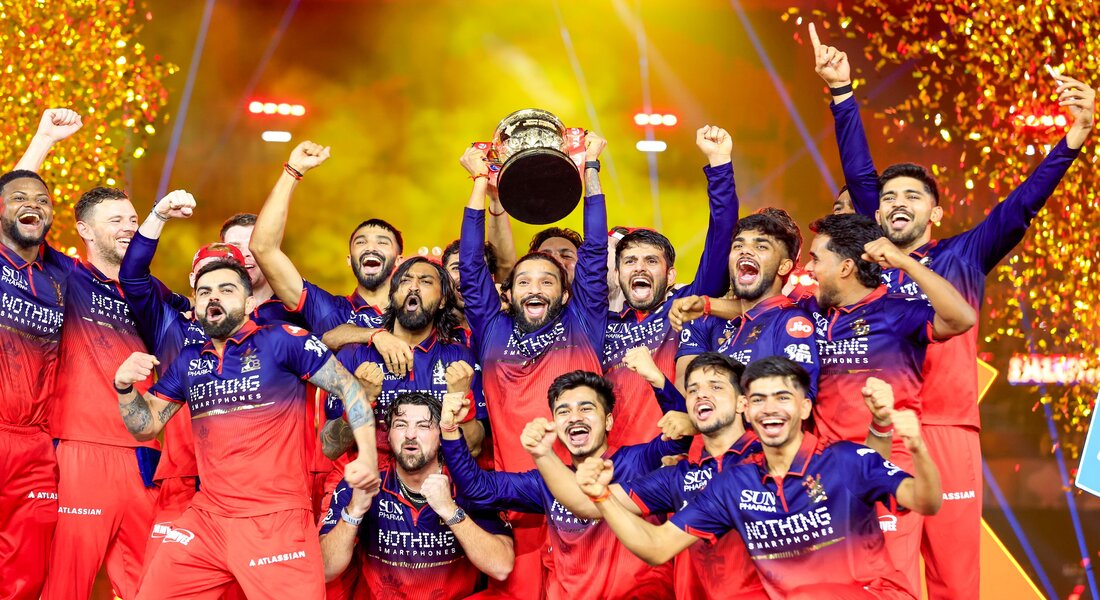
RCB retain IPL crown as Kohli shines; teen sensation Sooryavanshi sweeps top honours

Virat Kohli guided Royal Challengers Bengaluru to a second straight IPL title, while 15-year-old Vaibhav Sooryavanshi dominated the season awards.

Ahmedabad: Royal Challengers Bengaluru (RCB) successfully defended their Indian Premier League title, defeating Gujarat Titans (GT) by five wickets in the IPL 2026 final, powered by a commanding unbeaten knock from Virat Kohli and a disciplined bowling display.

After winning the toss, RCB captain Rajat Patidar opted to bowl first on a surface offering movement and grip. RCB’s pace attack capitalised on the conditions to restrict Gujarat Titans to 155/8, with Josh Hazlewood, Bhuvneshwar Kumar and Rasikh Salam sharing key breakthroughs.

Hazlewood struck early by dismissing GT captain Shubman Gill, while Bhuvneshwar removed Sai Sudharsan during the powerplay to leave Gujarat under pressure. Salam, enjoying his most successful IPL campaign, claimed three wickets, while Krunal Pandya chipped in with a crucial spell, including the dismissal of Jos Buttler.

Despite a fighting unbeaten half-century from Washington Sundar, Gujarat struggled to build momentum as RCB bowlers maintained control through the middle and death overs.

Chasing 156, Bengaluru got off to a brisk start through Venkatesh Iyer, whose aggressive 32 off 16 balls helped ease pressure despite suffering a knee injury early in the innings.

Kohli then anchored the chase with an unbeaten 75, producing his fastest IPL fifty and highest playoff score in the process. The former RCB skipper attacked aggressively, particularly against Kagiso Rabada, helping keep the asking rate firmly under control.

Although Gujarat briefly fought back through Rashid Khan, who picked up two wickets, Kohli ensured there were no late hiccups, finishing the chase in style with a boundary and six as RCB reached 161/5 with two overs remaining.

The victory made RCB only the third franchise in IPL history to successfully defend the title after ending their long wait for a maiden trophy last season.

The 2026 edition of the IPL belonged in many ways to 15-year-old batting sensation Vaibhav Sooryavanshi, who walked away with multiple individual honours after a record-breaking season.

The Rajashtan Royals opener clinched the Orange Cap for scoring the most runs, amassed 776 runs in 16 innings at a staggering strike rate of 237.30, and also won both the Most Valuable Player (MVP) and Emerging Player awards — becoming the first cricketer in IPL history to secure the latter two in the same season.

The teenager also shattered Chris Gayle’s long-standing record for most sixes in a single IPL season, smashing 72 maximums and emerging as one of the biggest talking points of the tournament.

“It feels nice, but there is pressure because I am doing interviews. It is a proud moment and I will try and do well next season too,” Sooryavanshi said after receiving the awards.

Cricket legend Sachin Tendulkar had earlier described the youngster as “truly special”, praising his shot-making ability and exceptional wrist work.

GT pacer Kagiso Rabada finished with the Purple Cap after taking 29 wickets during the season, narrowly edging out RCB’s Bhuvneshwar Kumar, who claimed 28 wickets.

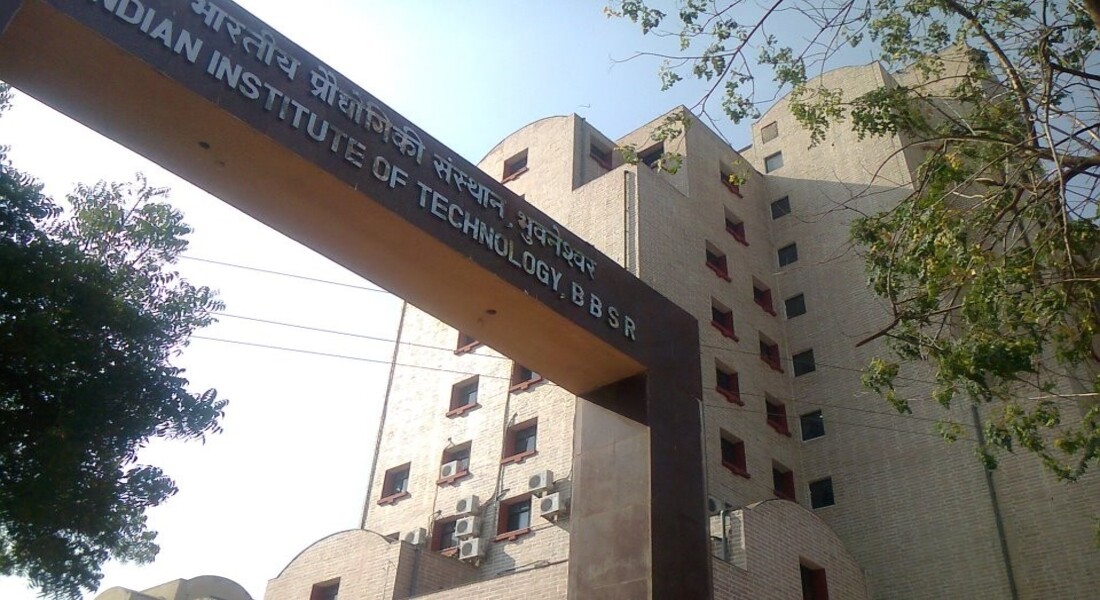
IIT Bhubaneswar launches blended M.Tech programme in EV technology with evACAD

Bhubaneswar: The Indian Institute of Technology (IIT) Bhubaneswar has announced the launch of a Blended-Mode M.Tech Programme in Electric Vehicle (EV) Technology in strategic association with evACAD, a clean energy-focused education and skilling platform.

The programme has been designed to equip working professionals with advanced expertise in EV systems, battery technology, charging infrastructure, and vehicle integration, while enabling them to continue their professional careers, IIT Bhubaneswar said in a press release.

The institute said the initiative comes in response to the rising demand for EV-oriented skilled professionals in the automotive sector. The blended-mode structure integrates online learning with structured on-campus immersion, allowing professionals to pursue higher education without leaving their jobs.

Admission to the programme does not require a GATE qualification, and selection will be based on academic background and professional experience.

The multi-disciplinary curriculum covers key areas including vehicle design, powertrain development, control systems in electric vehicles, battery design, maintenance and diagnostics, and charging technologies and infrastructure.

The programme features several key components. It offers a Blended Mode M.Tech degree from IIT Bhubaneswar and is designed specifically for working professionals.

It includes weekend live online classes along with self-paced learning modules. The course also incorporates hands-on projects and industry case studies, along with campus immersion sessions at IIT Bhubaneswar. Participants will receive learning support from IIT faculty members and EV industry experts.

The institute stated that the programme reflects its focus on combining foundational science with real-world applications while addressing the growing need for a skilled workforce in the electric mobility sector through an industry-oriented learning approach.

The programme is scheduled to commence on July 14, 2026, and applications are currently open for eligible candidates from industry and related sectors who wish to advance their careers in the EV domain through this flexible learning model.

Multilateral exercise ‘PRAGATI 2026’ concludes at Umroi with 72-hour validation drill

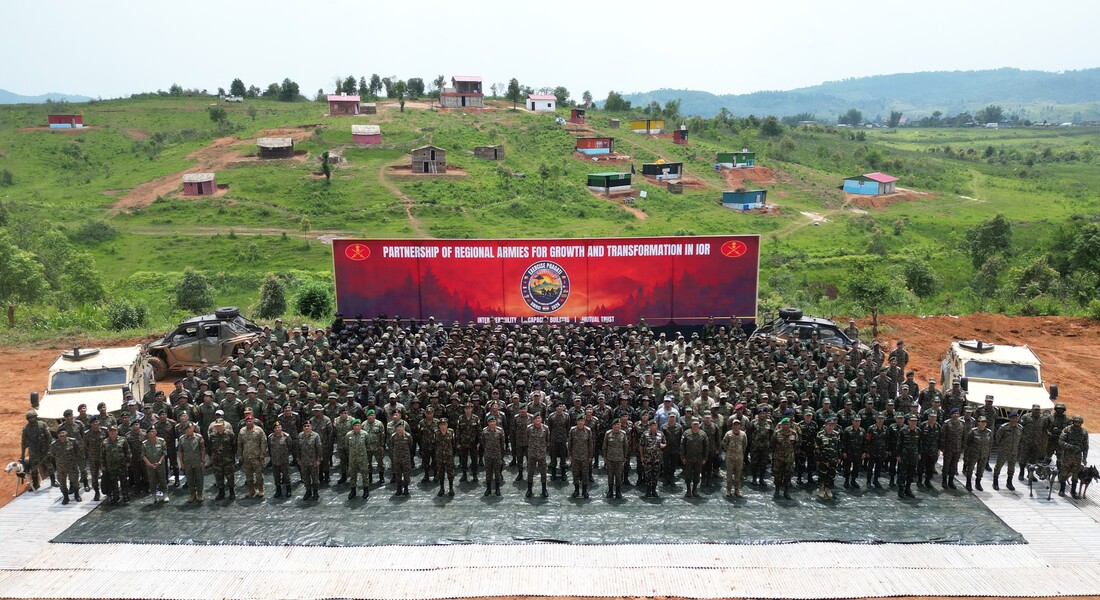
New Delhi: The maiden edition of the multilateral exercise ‘PRAGATI 2026’ concluded at Umroi Military Station in Meghalaya with a 72-hour validation exercise that underscored coordinated operational readiness and interoperability among participating armed forces.

The exercise, hosted by the Indian Army, was attended by six Vice Chiefs and over 40 senior military officials from 13 friendly foreign countries. Lieutenant General Dhiraj Seth, Vice Chief of the Army Staff, received the visiting delegations during the closing phase of the exercise.

Bringing together more than 400 troops from India, Bhutan, Cambodia, Malaysia, Maldives, Myanmar, Nepal, Philippines, Seychelles, Sri Lanka, Vietnam, Indonesia, and Laos, PRAGATI 2026 was designed as a regional platform for joint training and exchange of operational practices under a shared framework of cooperation in the Indian Ocean Region.

The exercise focused on counter-terrorism operations in semi-mountainous and jungle terrain, according to an official statement.

After structured training phases involving classroom instruction, field demonstrations, and tactical rehearsals, multinational teams executed a 72-hour validation exercise aimed at testing coordinated response and mission execution under simulated operational conditions.

Training modules included rock craft, ambush and counter-ambush drills, slithering, jungle lane firing, room and bus intervention, improvised explosive device detection, and casualty evacuation. Mixed contingents from participating nations operated in integrated teams, reinforcing joint planning and tactical interoperability.

A key aspect of the exercise was the integration of troops from different countries into unified operational groups, enabling real-time coordination and shared execution of tasks in challenging terrain. The training environment also facilitated the exchange of field-level practices and operational procedures among partner nations.

On the sidelines of the exercise, the Indian Army, in collaboration with the Federation of Indian Chambers of Commerce and Industry, organised a defence technology display featuring indigenous systems developed under the Atmanirbhar Bharat initiative. The showcase highlighted emerging defence capabilities and provided a platform for engagement between the armed forces and visiting delegations on technology and capability development.

The Vice Chief of the Army Staff also held bilateral interactions with senior representatives of participating countries to discuss avenues for strengthening defence cooperation and future joint training initiatives.

Exercise PRAGATI 2026 marked a significant step in enhancing regional military cooperation, building operational interoperability, and reinforcing collective preparedness among participating nations in the Indian Ocean Region.

Heartbreak for Arsenal as PSG defend UEFA Champions League title

New Delhi: PSG successfully defended their UEFA Champions League title after overcoming Arsenal in a penalty shootout following a 1-1 draw in the 2025-26 final at the Puskás Aréna, Budapest, on Saturday.

Arsenal made a bright start and took the lead early in the contest. Leandro Trossard’s pressing created the opening before Kai Havertz finished from a difficult angle to put the Premier League champions ahead, according to reports.

The London club carried the advantage into the break as PSG dominated possession but struggled to break through a disciplined Arsenal defence led by Gabriel and William Saliba. Havertz nearly doubled the lead before halftime, but a crucial intervention from Marquinhos kept Paris within reach.

The defending champions found a route back into the match during the second half when Khvicha Kvaratskhelia was brought down inside the penalty area. Ousmane Dembélé stepped up and converted the spot kick to level the scores at 1-1.

Paris continued to control possession and came close to taking the lead when Kvaratskhelia’s effort struck the post during a swift counterattack. Vitinha and substitute Gonçalo Ramos also threatened, but neither side could find a winner in regulation time.

Extra time followed a similar pattern, with PSG enjoying most of the ball while Arsenal remained organised defensively. Chances were limited, and the final eventually headed to a penalty shootout.

The shootout proved decisive in determining the destination of Europe’s biggest club prize. Arsenal missed key attempts, while Paris held their nerve to secure victory and become the first club since Real Madrid in 2018 to retain the Champions League title.

The triumph also marked another milestone for Coach Luis Enrique, who lifted the Champions League trophy for the third time in his managerial career. He previously guided Barcelona to European glory in 2015 and led Paris to the title a season ago.

For Arsenal, the defeat ended hopes of completing a memorable campaign with a first Champions League crown, despite reaching the final after winning the Premier League title for the first time in more than two decades.

Odisha reviews regional mobility strategy for BCPPER growth corridor

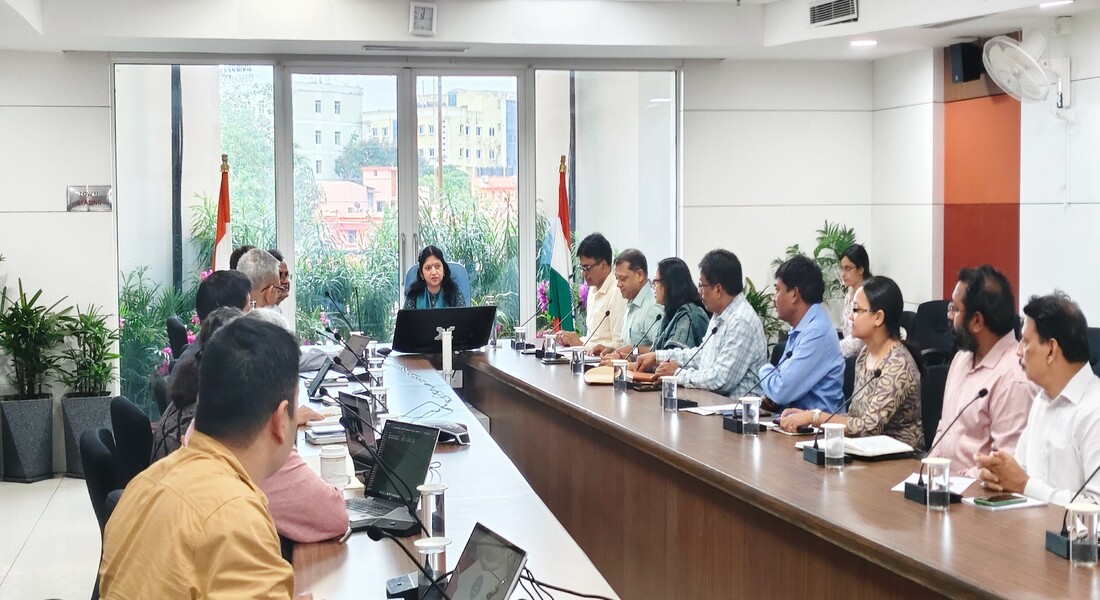
Bhubaneswar: The Odisha government has reviewed the progress of an Asian Development Bank (ADB)-supported Technical Assistance Programme to prepare a Comprehensive Regional Mobility Plan (CRMP) for the Bhubaneswar-Cuttack-Puri-Paradip Economic Region (BCPPER) and a State-wide Bus Service Transformation Roadmap.

The review meeting was chaired by Additional Chief Secretary of the Housing & Urban Development Department, Usha Padhee, and attended by senior government officials, ADB representatives, consultants from SYSTRA and Delhi Integrated Multi-Modal Transit System Ltd, and other stakeholders.

The programme, backed by ADB assistance of USD 1 million and signed in December 2025, seeks to establish an integrated mobility framework linking public transport, land-use planning, logistics, transit-oriented development, digital mobility solutions, and institutional reforms across the emerging economic region.

During the meeting, consultants outlined plans for the Comprehensive Regional Mobility Plan covering nearly 11,900 sq. km of the BCPPER region. The area is home to more than 9.2 million people and a workforce of over 4.1 million, making it one of Odisha’s most important economic corridors.

The proposed CRMP will provide a 20-year vision for mobility and urban growth, focusing on multimodal transport systems, public transit networks, non-motorised transport infrastructure, freight movement, parking management, transit-oriented development, and climate-resilient mobility solutions.

The exercise will be supported by surveys, GIS-based mapping, travel demand modelling, and socio-economic assessments.

The meeting also reviewed progress on the State-wide Bus Service Transformation Roadmap being prepared for Capital Region Urban Transport (CRUT) and the Odisha State Road Transport Corporation.

The roadmap aims to improve public transport services through route rationalisation, schedule optimisation, fleet expansion, electrification, and digital integration.

Officials said the strategy will strengthen CRUT’s urban bus operations in the capital region while helping OSRTC develop a long-term operational and financial roadmap to enhance regional and inter-city connectivity across the state.

Discussions further covered policy frameworks related to Transit-Oriented Development, Land Value Capture, urban redevelopment, and sustainable financing mechanisms for future mobility investments. Participants also deliberated on establishing a Unified Transport Authority (UTA) for the BCPPER region to improve integrated transport planning and multimodal coordination.

ADB representatives briefed the meeting on the proposed City Economic Region initiative, which aims to bring together mobility, urban development, logistics, governance reforms, and digital infrastructure under a common development framework.

Addressing the meeting, Padhee stressed the importance of inter-departmental coordination, timely data sharing, stakeholder participation and evidence-based planning to ensure successful implementation of the programme.

She said the Bhubaneswar-Cuttack-Puri-Paradip corridor has the potential to emerge as a model economic region supported by efficient mobility systems, sustainable urbanisation, and improved connectivity.