At IndiaVerve, we go beyond the noise to bring you meaningful stories of change, resilience and progress—from India to the world stage. Our mission is to bring readers credible, wide-ranging coverage across politics, business, sports, culture, society and more.

PM Modi backs Myanmar stability efforts, seeks deeper security and trade ties

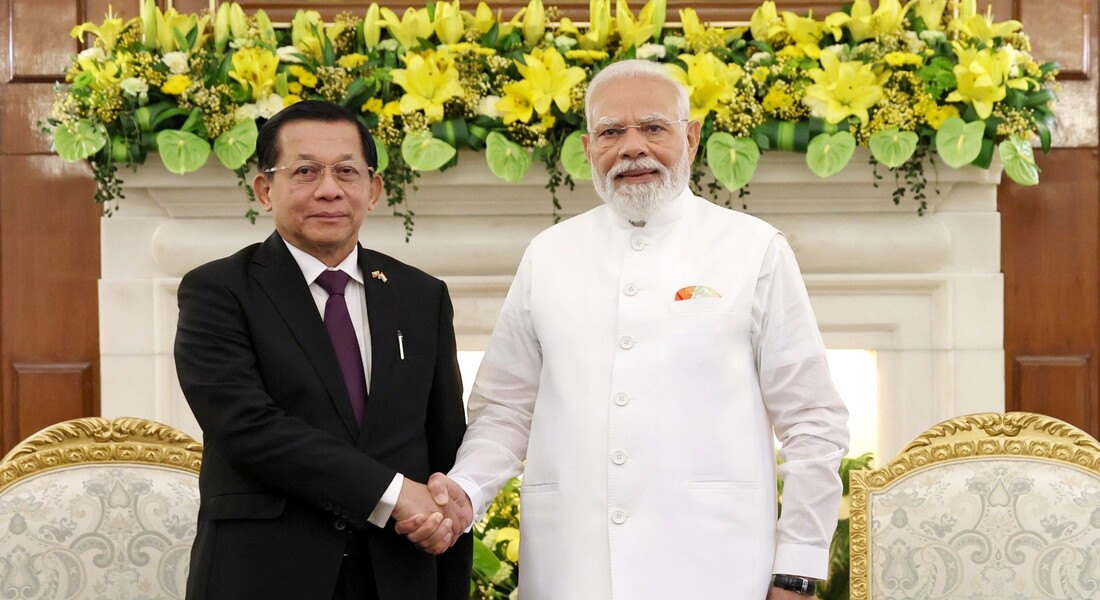
New Delhi: Prime Minister Narendra Modi on Monday reaffirmed India’s support for Myanmar’s sovereignty and territorial integrity while calling for stronger security cooperation, enhanced connectivity, and deeper economic engagement between the two neighbours during talks with Myanmar President Min Aung Hlaing.

The two leaders held wide-ranging discussions in New Delhi during the Myanmar president’s first official visit to India from May 30 to June 3.

During the talks, Modi said Myanmar lies at the confluence of India’s Neighbourhood First, Act East, and MAHASAGAR policies. He stressed the need to strengthen cooperation in trade, defence, security, border management, development partnership, and cultural exchanges.

The PM highlighted the importance of improving regional connectivity. Both sides agreed on the need to work closely towards completing the Kaladan Multi-Modal Transit Transport Project and the India-Myanmar-Thailand Trilateral Highway, according to an official statement.

Modi also announced that Mekong Ganga ICCR scholarships for Myanmar students would be increased from 36 to 100 from 2026 onwards.

On trade, both countries agreed to facilitate greater bilateral commerce through the Rupee-Kyat settlement mechanism. They noted steady growth in transactions since the mechanism became operational in May 2024. The two sides also supported stronger trade and investment cooperation in agro-processing, petroleum, energy, and mining sectors.

Security cooperation figured prominently in the discussions. Modi reaffirmed India’s support for Myanmar’s sovereignty and territorial integrity. Both sides underlined the need to prevent the misuse of their territories for activities harmful to each other’s security interests.

President Aung Hlaing reiterated Myanmar’s assurance that its territory would not be allowed to be used against India’s security interests. Modi, in turn, said India remained committed to deepening security cooperation as a trusted partner of Myanmar.

The PM also conveyed support for Myanmar-led efforts aimed at achieving peace, stability, national reconciliation, and socio-economic development. The Myanmar president appreciated India’s continued support and cooperation.

Earlier on Sunday, Aung Hlaing delivered the keynote address at the India-Myanmar Business Conclave in New Delhi. The event was jointly organised by the Union of Myanmar Federation of Chambers of Commerce and Industry and the Confederation of Indian Industry. Business leaders from both countries discussed opportunities to strengthen trade and investment ties.

The Myanmar president also visited the Mahabodhi Temple, Mahabodhi Meditation Centre, and Sujata Temple in Bodh Gaya, highlighting the deep Buddhist and people-to-people links between the two countries.

During the visit, he toured the NTPC Energy Technology Research Alliance complex in Greater Noida to observe research and development work in clean energy, renewable energy integration, energy efficiency, and grid resilience.

Zee secures FIFA rights till 2034

New Delhi: Zee Entertainment Enterprises Ltd. has strengthened its presence in the sports broadcasting space by securing media rights for several major FIFA tournaments in India through 2034.

It also announced the launch of four dedicated sports channels ahead of the FIFA World Cup 2026.

The company said the partnership with FIFA will bring some of the world’s biggest football events to Indian audiences, including the FIFA World Cup 2026, FIFA World Cup 2030, and the FIFA Women’s World Cup 2027. The agreement also covers a range of FIFA youth and futsal tournaments, along with documentary content linked to the competitions, the company said in a press release.

As part of its expansion plans in sports broadcasting, Zee has launched four new channels – Unite8 Sports 1, Unite8 Sports 1 HD, Unite8 Sports 2, and Unite8 Sports 2 HD. The company said the channels will help deliver football content to viewers across the country, while its digital platform Zee5 will offer live streaming and multilingual coverage of the tournaments.

The broadcaster stated that the FIFA World Cup 2026, scheduled to begin on June 11, will be among the marquee events on its sports network. Zee will also serve as the Indian destination for the centenary edition of the FIFA World Cup in 2030.

Under the agreement, Zee will broadcast several FIFA competitions, including the FIFA Men’s U-17 World Cup from 2026 to 2034, the FIFA Women’s U-17 World Cup from 2026 to 2034, the FIFA U-20 Men’s World Cup in 2027, 2029, 2031 and 2033, the FIFA U-20 Women’s World Cup in 2026, 2028, 2030, 2032 and 2034, the FIFA Futsal Men’s World Cup in 2028 and 2032, the FIFA Futsal Women’s World Cup in 2029 and 2033, the FIFA Women’s World Cup 2027 and the FIFA Intercontinental Cup from 2026 to 2030.

The company said the deal also includes rights to documentary series related to the tournaments, focusing on grassroots football communities, cultural narratives, and the competitive journeys of participating nations.

In a statement, Zee Entertainment Enterprises Chief Executive Officer Punit Goenka said the company was excited to bring one of the world’s biggest sporting spectacles to Indian audiences. He stated that football transcends regions and demographics, adding that the investment in media rights and dedicated sports channels reflected Zee’s belief in the sport’s long-term potential. He further said the partnership with FIFA aligned with the company’s growth strategy and would help unlock greater value from football while enhancing the experience for fans.

FIFA Chief Business Officer Romy Gai said India was a strategically important market for FIFA because of its young and passionate audience. He noted that Zee’s extensive television and digital distribution network, combined with its understanding of local viewers, would help expand the reach of football across the country.

CM Majhi reviews public complaints as grievance redressal rate reaches 96%

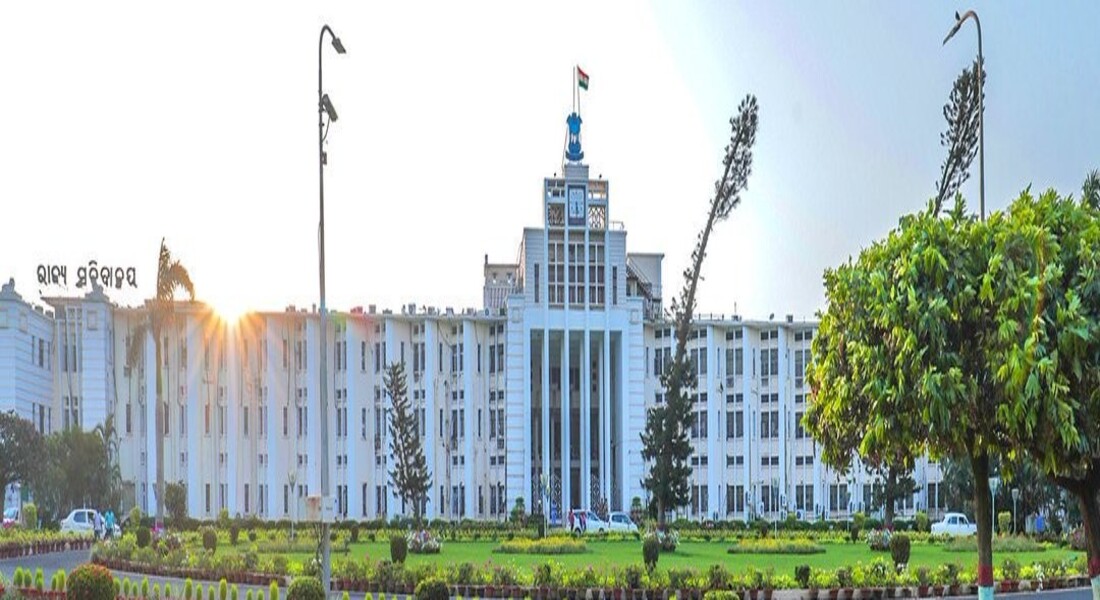
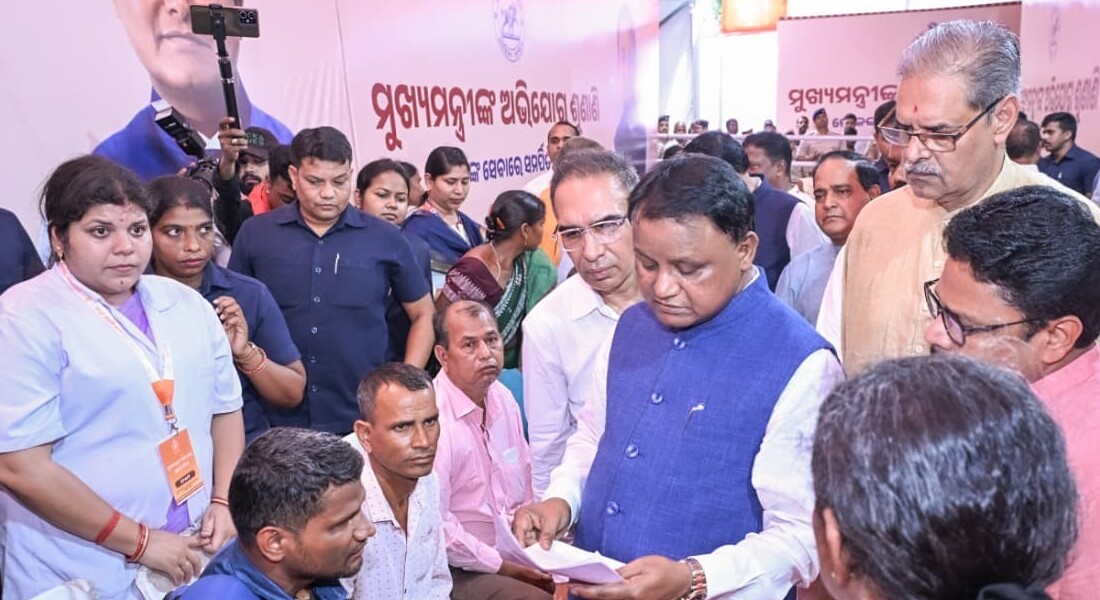
Bhubaneswar: Odisha Chief Minister Mohan Charan Majhi on Monday conducted the 18th edition of the State Government’s Public Grievance Hearing Programme, highlighting the growing role of the grievance redressal mechanism in improving governance and public service delivery across the state.

The CM arrived at the Public Grievance Cell at Unit-II in Bhubaneswar and personally heard complaints from citizens. Thirteen senior ministers of the state cabinet also joined the hearing process and interacted with complainants.

In a detailed post on X, Majhi said the grievance redressal system has, within two years, become an integral part of Odisha’s administrative framework. He noted that the initiative has strengthened public confidence in the government by ensuring that citizens can directly place their concerns before the administration.

He also said the impact of the programme is now visible across various levels of governance. District Collectors and Superintendents of Police are regularly hearing public grievances, while similar mechanisms are functioning at the tehsil and block levels.

According to official data, around 2.40 lakh grievances had been heard at the district level by the end of April, with nearly 92% of them resolved. The government believes the system has reduced the difficulties faced by people in getting their complaints addressed.

Majhi pointed out that the CM’s Public Grievance Cell has become fully operational as the state government approaches the completion of two years in office. Including Monday’s session, he has personally conducted grievance hearings 18 times. During district visits, he also receives complaints directly from the public.

As in previous sessions, the CM first met 30 persons with disabilities and individuals suffering from serious illnesses who were waiting outside the grievance cell. He listened to their problems, received their petitions, and directed officials to take immediate action.

Later, he heard grievances submitted by registered complainants inside the grievance cell.

The CM also approved medical assistance worth Rs 3.60 lakh through the Single Window System for about 13 individuals suffering from various ailments. He also sanctioned compassionate financial assistance of Rs 2 lakh to Kamakshi Sahu of Nayagarh district following the accidental death of her son.

More than 600 grievance petitions were received during the day through both online and offline modes.

Officials said that of the 14,651 grievances submitted in person during the previous 17 grievance hearing sessions, 14,046 cases have been resolved, taking the disposal rate to 96%.

Majhi said the programme enables ordinary citizens to communicate their grievances directly to the government and administration. He added that the initiative is currently being conducted on a limited scale due to the ongoing summer conditions, but will be expanded after the season ends.

The CM also announced plans to hold grievance hearing programmes in districts outside Bhubaneswar. The move is expected to reduce the burden on people from remote areas, who often have to travel long distances to the state capital to seek redressal of their issues.

India, Australia to develop defence cooperation pact, deepen maritime ties

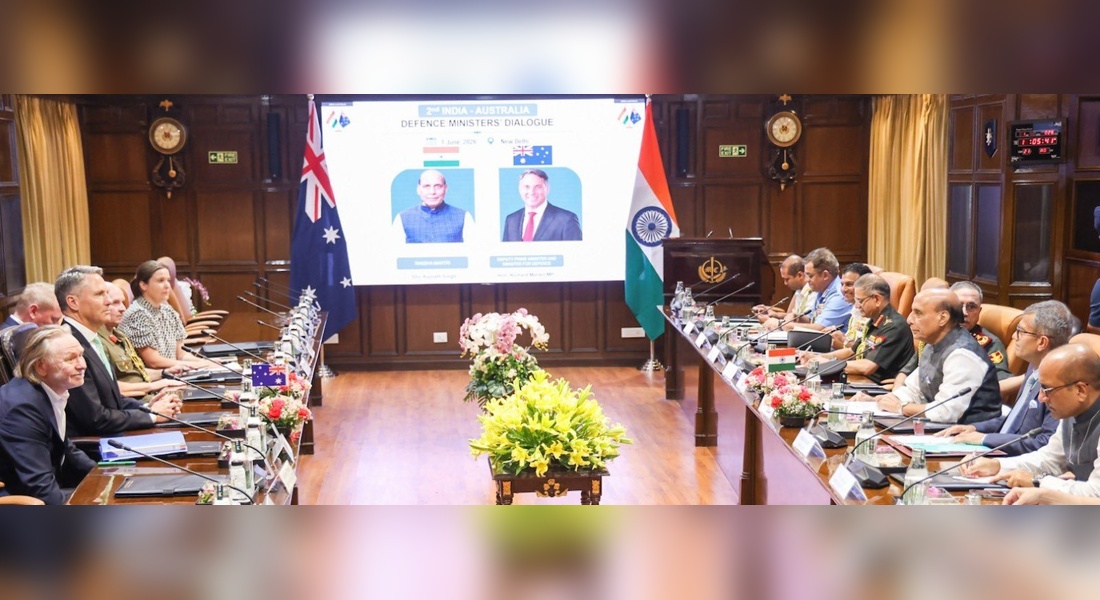
New Delhi: India and Australia have decided to begin work on a new defence cooperation agreement covering the provision of defence articles and services, as the two countries moved to deepen strategic and military ties during the second India-Australia Defence Ministers’ Dialogue in New Delhi on Monday.

Defence Minister Rajnath Singh and Australian Deputy Prime Minister and Defence Minister Richard Marles co-chaired the dialogue, reviewing progress in bilateral defence cooperation since the inaugural meeting held in October 2025, according to an official statement.

The two sides announced that they would start developing a Memorandum of Understanding on the provision of defence articles and defence services, describing it as the next step in expanding defence industrial collaboration.

They also agreed to explore further cooperation through the Joint Working Group on Defence Industry, Research and Materiel.

Maritime security emerged as a major focus of the talks. India and Australia reviewed progress on a Joint Maritime Security Collaboration Roadmap and agreed to advance maritime domain awareness activities, including cooperation involving maritime patrol aircraft.

The two countries will also explore opportunities to strengthen undersea domain awareness and expand engagement between the Indian Coast Guard and Australia’s Maritime Border Command.

The ministers reaffirmed their commitment to a free, open, and stable Indo-Pacific and underscored the importance of freedom of navigation, overflight, and lawful use of the seas in accordance with international law, particularly the UN Convention on the Law of the Sea.

India and Australia, which co-lead the Maritime Safety and Security Working Group of the Indian Ocean Rim Association, will jointly host a Search and Rescue and tabletop exercise at the Maritime Rescue Coordination Centre in Chennai later this month.

The two countries also agreed to continue aircraft deployments from each other’s territories and explore measures to improve operational interoperability under the 2020 Mutual Logistics Support Arrangement.

The dialogue also highlighted growing cooperation in defence science and technology. Both sides expressed interest in future research partnerships in emerging areas such as sensor technologies, while Australia invited India to participate in the 2026 Australian Defence Science, Technology and Research Summit.

The ministers welcomed expanding military engagement between their armed forces. They looked forward to India’s enhanced participation in Exercise Talisman Sabre 2027 and noted recent cooperation through Exercise Milan 2026 and Exercise Kakadu 2026. The two countries also plan to operationalise their bilateral air-to-air refuelling arrangement during Exercise Pitch Black.

ECI announces Odisha Rajya Sabha by-election schedule after Samantaray’s resignation

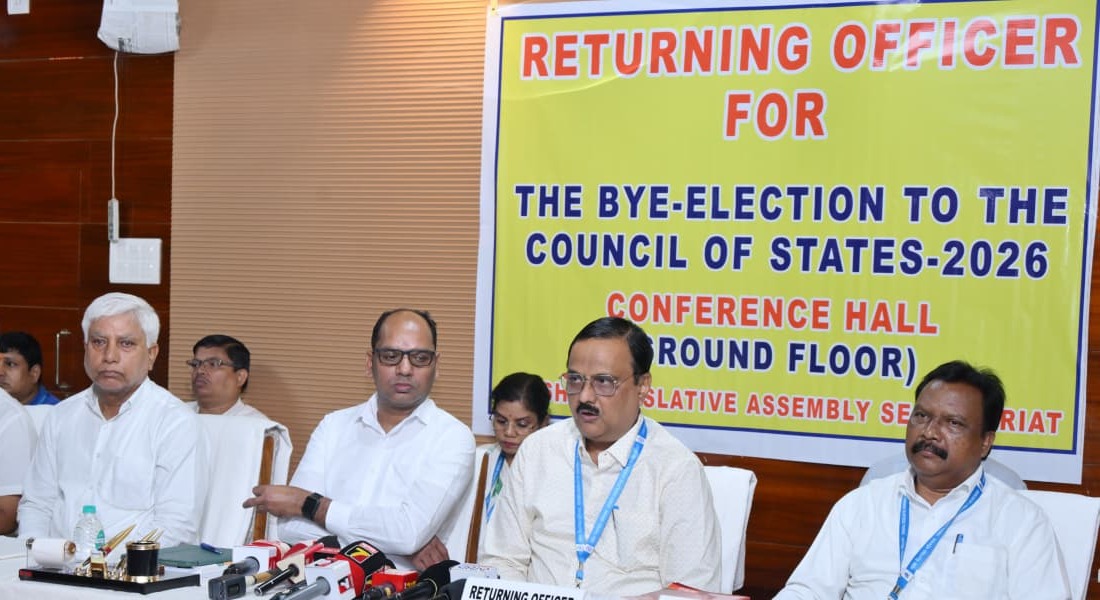
Bhubaneswar: The Election Commission of India (ECI) has announced a Rajya Sabha by-election in Odisha to fill the vacancy created by the resignation of Rajya Sabha member Debashish Samantaray on May 25.

According to the election schedule issued by the Commission, the process for electing a new member to the Upper House has commenced, with all proceedings to be completed by June 20, 2026.

The ECI has appointed Satyabrata Raut, Secretary of the Odisha Legislative Assembly, as the Returning Officer for the by-election. Vidyadhar Majhi, Joint Secretary of the Assembly, has been designated as the Assistant Returning Officer.

Candidates can file their nomination papers between 11 a.m. and 3 p.m. on working days, excluding government holidays. The last date for filing nominations has been fixed as June 8, 2026.

Scrutiny of nomination papers will take place on June 9 at 11:30 a.m. in the Conference Hall on the ground floor of the Odisha Legislative Assembly building. Candidates will be allowed to withdraw their nominations until 3 p.m. on June 11.

If the election becomes necessary due to a contest, polling will be conducted on June 18 from 9 a.m. to 4 p.m. in Committee Room No. 54 of the Odisha Legislative Assembly building. The counting of votes will be carried out on the same day, and the result will be declared thereafter.

According to the ECI, all election procedures will conclude by June 20.

The by-election is being held to fill the seat vacated by Samantaray after he resigned from the Rajya Sabha. The entire electoral process will be conducted under the direct supervision of the Election Commission of India.

BRICS Disaster Risk Reduction meeting to be held in Puri from June 3-5

Bhubaneswar: The Second BRICS Technical Meeting of the Disaster Risk Reduction (DRR) Working Group will be held in Puri from June 3 to 5, marking a significant international engagement in the state.

Revenue and Disaster Management Minister Suresh Pujari shared detailed information regarding the preparations and organisation of the global event.

The government said hosting the meeting in Puri is a matter of pride for Odisha. Chief Minister Mohan Charan Majhi will attend the inaugural session on June 4 as the chief guest. Representatives from BRICS nations, along with delegates and experts from various Indian states, will participate in the three-day deliberations.

Under the chairmanship of India’s National Disaster Management Authority, the first technical meeting of the BRICS DRR Working Group was held virtually on April 29–30, 2026. The upcoming in-person technical meeting under India’s BRICS presidency will take place at the Taj Puri Resort in Puri.

Odisha has been selected as the host state in recognition of its global reputation in disaster preparedness, cyclone management, and early warning systems.

The meeting will bring together policymakers and disaster management experts from BRICS member and partner countries to discuss sustainable DRR financing, resilient infrastructure, forecast-based action, and integration of traditional knowledge.

BRICS is a major grouping of emerging economies comprising Brazil, Russia, India, China, South Africa, Saudi Arabia, Egypt, the UAE, Ethiopia, Iran, and Indonesia. Collectively, the bloc represents nearly half of the world’s population and more than one-third of global GDP.

India seafood exports hit record USD 8.46 billion in FY25-26 led by shrimp surge

New Delhi: India’s seafood exports rose to an all-time high in FY 2025-26, reaching 19,72,018 Metric Tonnes (MT) in volume and Rs 73,890.46 crore in value, according to the Marine Products Export Development Authority.

Frozen shrimp remained the dominant export driver, with shipments at 7,92,647 MT generating Rs 49,037.93 crore. Shrimp accounted for 40.19% of total export volume and 66.52% of total dollar earnings, marking it as the single biggest contributor to India’s seafood export basket. The segment recorded growth of 13.16% in rupee terms and 8.64% in dollar terms, according to an official statement.

The US and China continued as the top destinations for Indian seafood exports. China emerged as the largest importer by volume at 4,90,369 MT, while the US imported 2,79,193 MT worth Rs 20,263.27 crore. The US, however, saw a decline of 10.82% in rupee value, 14.22% in dollar value, and 19.51% in volume compared to the previous year.

The EU remained the third-largest market, importing 2,97,518 MT worth USD 1,592.09 million, followed by South-East Asia at 4,51,756 MT worth USD 1,348.97 million. Japan imported 1,05,228 MT valued at USD 452.91 million, while the Middle East accounted for 76,743 MT worth USD 283 million.

Among other categories, frozen fish earned Rs 5,658.37 crore, while dried seafood posted a sharp increase of 78.05% in value terms, reaching Rs 5,079.09 crore. Frozen squid exports stood at 1,02,060 MT worth Rs 4,493.80 crore, and frozen cuttlefish reached 67,157 MT, valued at USD 331.96 million.

Chilled seafood exports were valued at Rs 622.31 crore, while live seafood exports grew 11.46% in dollar terms to USD 62.43 million.

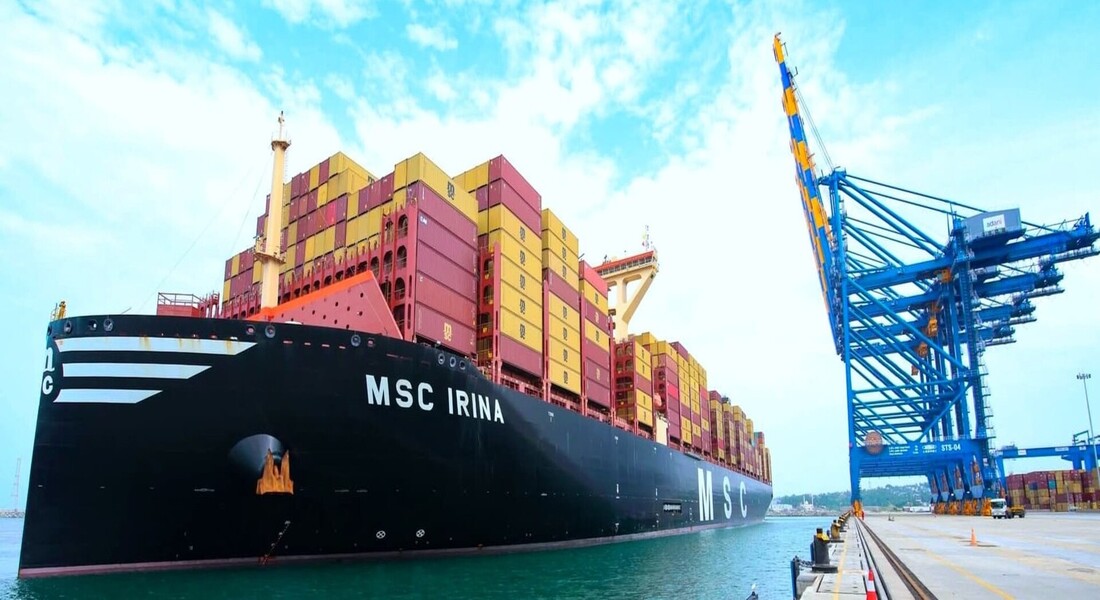
India’s seafood exports were largely routed through Visakhapatnam, Jawaharlal Nehru Port Trust, and Kochi, which remained the top ports handling marine shipments.

The record performance reflects strong global demand, continued dominance of shrimp, and steady expansion across diversified seafood categories, reinforcing India’s position in global marine trade.

Odisha mandates electric vehicles for official use from June 1

Bhubaneswar: The government of Odisha has made the procurement of Electric Vehicles (EVs) mandatory for official use with effect from June 1, 2026, citing prevailing fuel and energy challenges arising from the West Asia crisis and the rising burden of fuel expenditure.

According to an Office Memorandum issued by the Finance Department, all new official vehicle purchases must be electric, subject to prescribed cost ceilings based on the rank of the functionaries.

Under the new guidelines, the maximum permissible price for EVs has been fixed at Rs 30 lakh (excluding taxes and statutory dues) for the governor, chief minister, chief justice, judges of the Orissa High Court, and ministers.

For top bureaucratic posts, including the chief secretary, development commissioner, agriculture production commissioner and equivalent ranks, the ceiling has been set at Rs 25 lakh. For District Judges, Collectors, and Superintendents of Police, the limit has been fixed at Rs 20 lakh.

The policy aims to reduce fuel dependency and curb expenditure while promoting cleaner mobility in official transport systems. It also establishes a structured procurement framework aligned with the administrative hierarchy.

The memorandum directs all departments to ensure strict compliance while procuring vehicles under the new EV-only mandate.

CDS NS Raja Subramani assumes charge, calls for defence modernisation

New Delhi: General NS Raja Subramani assumed charge as the third Chief of Defence Staff (CDS) and Secretary, Department of Military Affairs on Sunday, marking a key transition in India’s higher defence leadership.

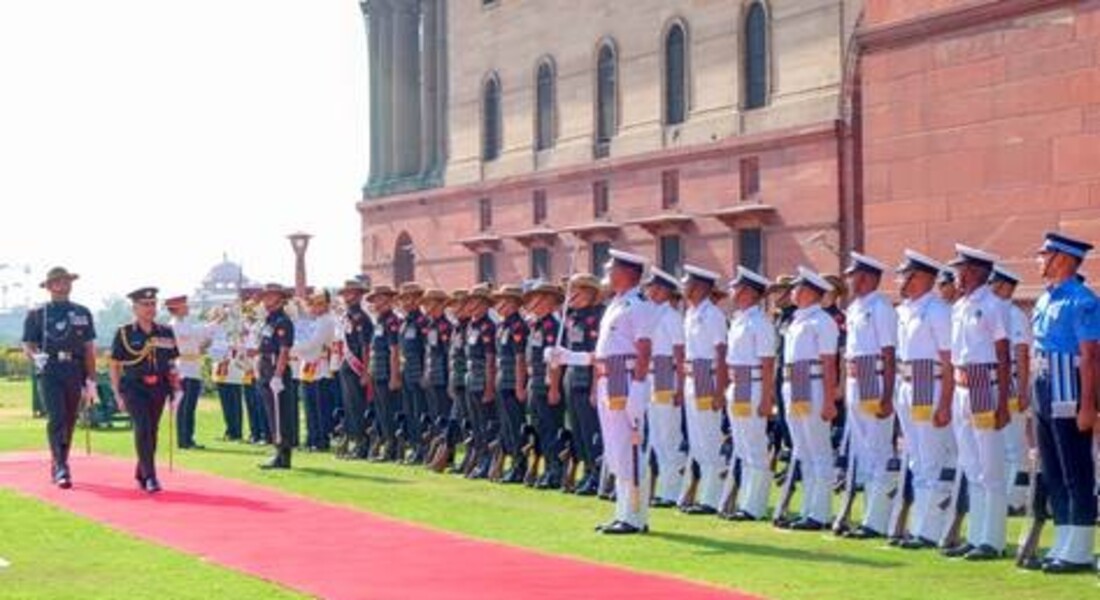
Soon after taking over, he paid homage at the National War Memorial, laying a wreath in tribute to fallen soldiers. He was also accorded a Tri-Service Guard of Honour at the South Block lawns, underscoring the ceremonial significance of the appointment, according to an official statement.

In his first remarks, the CDS acknowledged the contributions of his predecessors and said he would build on their work to further strengthen the armed forces. He stressed a “Whole-of-Nation” approach to national security, calling for deeper coordination among all stakeholders to enhance defence preparedness.

He emphasised strengthening jointness, integration, and operational synergy across the Services, while accelerating the development and induction of indigenous defence systems in line with the government’s push for Aatmanirbharta in defence.

Calling for innovation in both thought and execution, General Subramani highlighted the need for greater collaboration to drive capability development and modernisation. He commended the professionalism and operational readiness of the armed forces and reiterated his commitment to improved training standards, along with sustained focus on the welfare of veterans and Veer Naris.

He also urged all ranks to embrace change while upholding the core military ethos and striving for excellence across all domains of service.

A highly decorated officer with over four decades of service, General Subramani was commissioned into the Garhwal Rifles in December 1985. His career includes key command and staff appointments, including leadership of 2 Corps, the Central Command, and service as Vice Chief of the Army Staff. Before he was appointed CDS, he served as Military Adviser at the National Security Council Secretariat.

CBSE opens Class 12 re-evaluation portal amid row over answer sheet scanning, evaluation process

New Delhi: The Central Board of Secondary Education (CBSE) on Monday opened its Class 12 re-evaluation and verification portal, allowing students to seek reassessment of their board examination results amid continuing controversy over the evaluation process and answer sheet handling.

The facility is available only to candidates who had earlier applied for photocopies of their evaluated answer books. Students can access the portal through the official CBSE website and apply for verification of marks or re-evaluation of specific answers.

According to CBSE guidelines, candidates are required to consult the marking scheme and question paper, both made available online, before seeking re-evaluation. Applications for rechecking must include reasons for contesting the awarded marks.

The board has fixed a fee of ₹500 per answer book for verification and ₹100 per question for re-evaluation. The portal is expected to remain open for at least two days after the final scanned copies of answer books are made available to applicants.

The reopening of the re-evaluation window comes at a time when the board is facing mounting criticism over alleged technical lapses in its On-Screen Marking (OSM) system and concerns surrounding scanned answer sheets.

Leader of Opposition in the Lok Sabha, Rahul Gandhi, on Sunday accused CBSE of compromising the integrity of the Class 12 evaluation process. In a post on X, he alleged that changes made to a tender process for scanning answer sheets resulted in answer books being scanned using mobile phones instead of advanced automated systems.

Gandhi claimed that an initial tender issued in May 2025 required answer sheets to be scanned through robotic systems at higher image quality standards, but those conditions were later relaxed in a revised tender. He alleged that the outcome led to blurred images, missing pages and unscanned answer books, calling the situation “fraud”.

The Congress leader also questioned the Centre’s response to the controversy and criticised Union Education Minister Dharmendra Pradhan over the issue.

The allegations gained traction after posts by Jharkhand-based Class 12 student Sarthak Sidhant, who examined publicly available tender documents and claimed eligibility conditions were gradually modified across multiple rounds in a manner that benefited Hyderabad-based vendor Coempt EduTeck, which eventually secured the contract. Both CBSE and the company have denied any wrongdoing.

Meanwhile, officials familiar with the matter indicated that CBSE is considering action against Coempt EduTeck over problems linked to the online evaluation system. Media reports said penalties under the contract provisions — including financial fines, withholding of security deposits or termination of agreement — may be imposed depending on the findings.

Adding another dimension to the controversy, 19-year-old ethical hacker Nisarga Adhikary claimed to have discovered security flaws in CBSE’s online marking system, alleging he could bypass login safeguards and access evaluation dashboards. CBSE rejected the claims, maintaining that the cited web address was merely a testing site containing sample data and that the operational portal had not been compromised.

However, in a latest post on X, the board without naming anyone said the identified vulnerabilities had been “contained, and other exploitable weaknesses are being ruled out”, and that it was “grateful to all alert citizens and ethical hackers” who had flagged them, some of whom it said it had contacted directly.

The issue first gained public attention after Delhi student Vedant Shrivastava alleged that the answer sheet provided to him during re-evaluation did not match his handwriting. CBSE later said it reviewed the complaint and shared the correct document.

As scrutiny intensifies, the board has maintained that safeguards remain in place and that the evaluation system continues to function securely.