Bhubaneswar: Odisha Chief Minister Mohan Charan Majhi on Thursday urged the Central Inter-Ministerial Team assessing the damage caused by Cyclone Arnab and subsequent floods to recommend permanent solutions to the state’s recurring natural disasters.
The CM also stressed the need for cyclone- and flood-resistant infrastructure alongside immediate relief and reconstruction assistance.
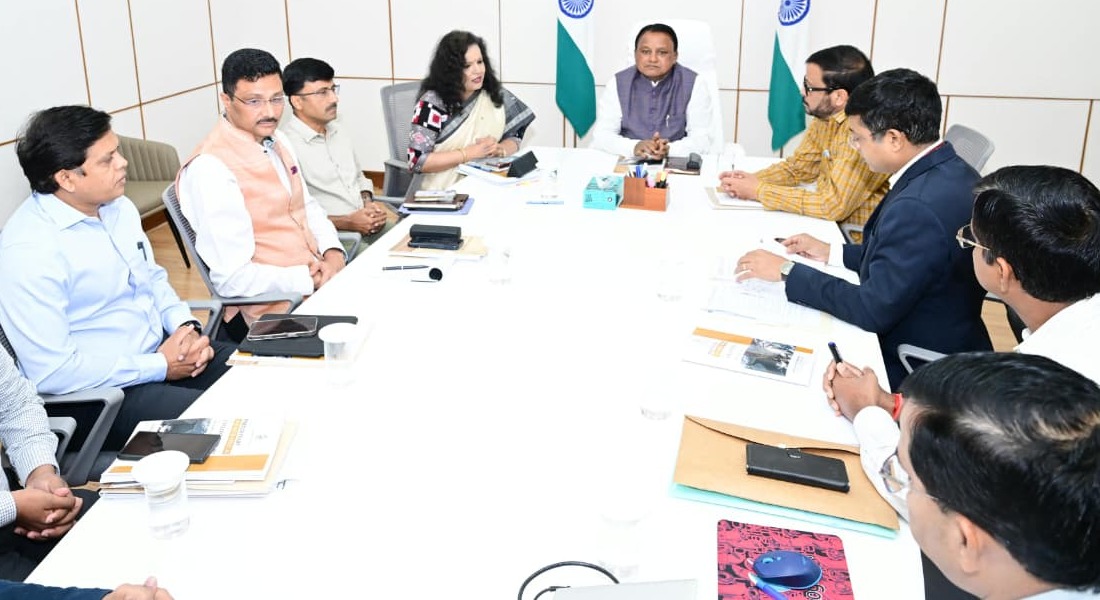
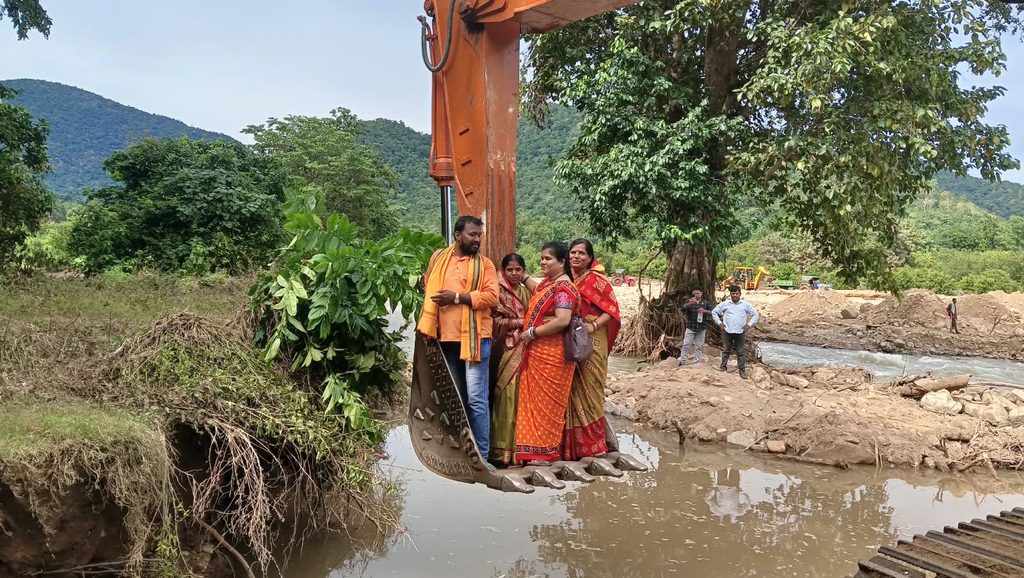
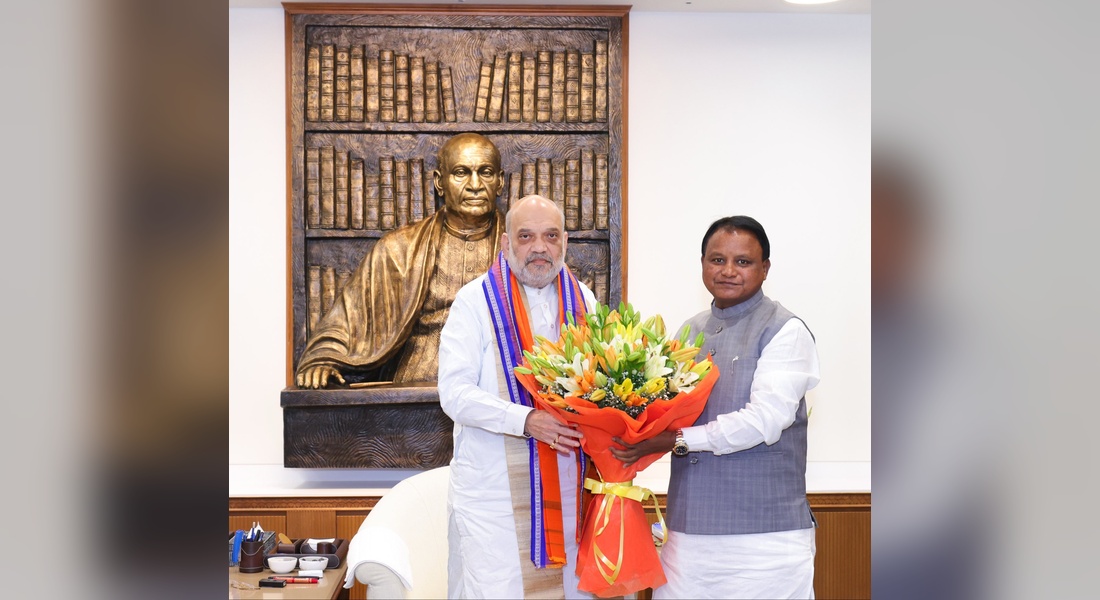
Majhi made the suggestion during a meeting with the central team, led by Ravi Shankar, Joint Secretary in the Union Ministry of Home Affairs, at Lok Seva Bhavan. The eight-member team visited the cyclone- and flood-affected areas of Ganjam and Gajapati districts to assess the extent of the damage.
Majhi said Odisha has been repeatedly affected by natural disasters, including cyclones, floods and heatwaves, disrupting the state’s development activities. He emphasised that the central team’s assessment report should focus not only on immediate relief and restoration but also on long-term measures to prevent recurring damage.
He said there was an urgent need to develop infrastructure capable of withstanding cyclones and floods so that people could have lasting solutions and the state’s development process would not be repeatedly disrupted by natural calamities.
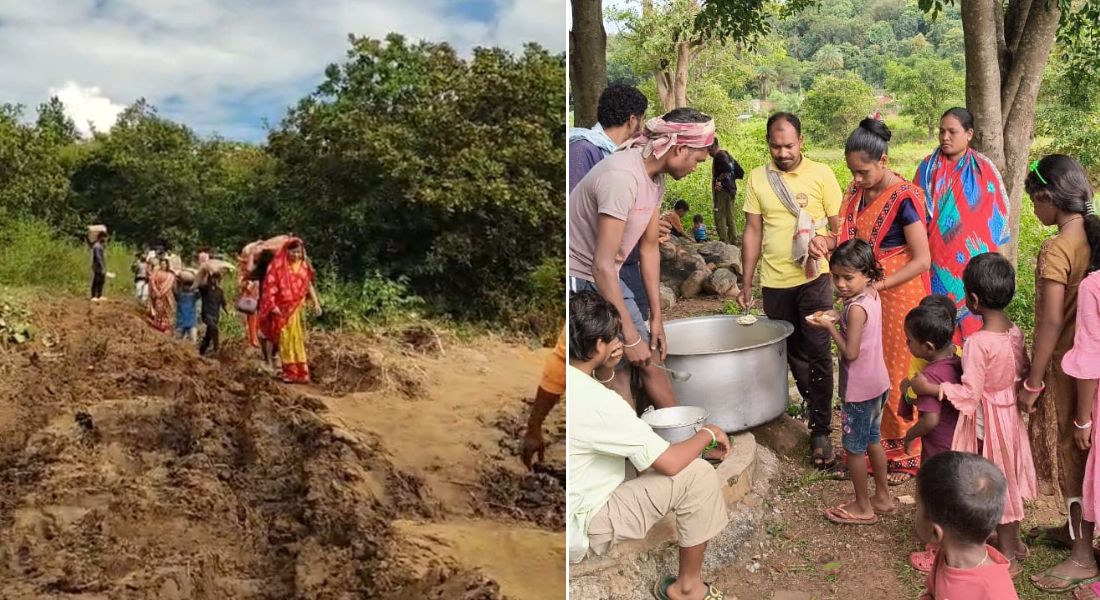
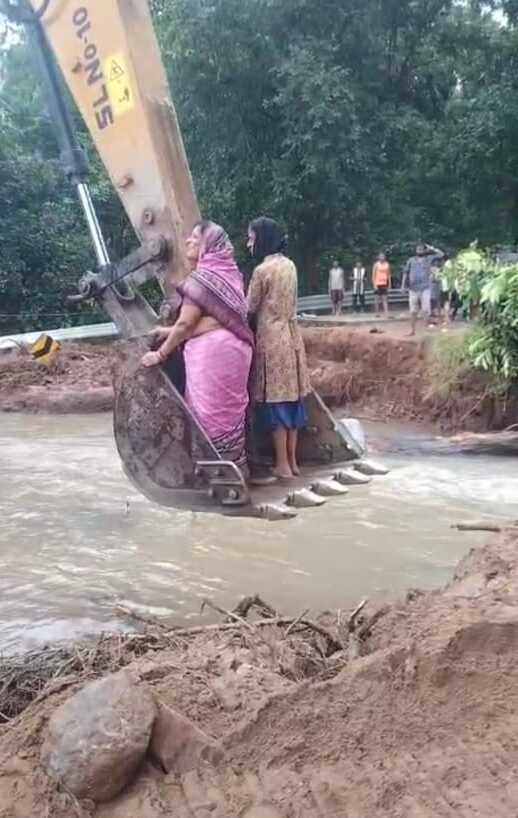
Ravi Shankar informed the Chief Minister about the team’s field visits and the extent of the damage observed in the affected districts. He said the floods had severely affected public life, particularly in Ganjam, where overflowing water from the Rushikulya River had inundated large areas.
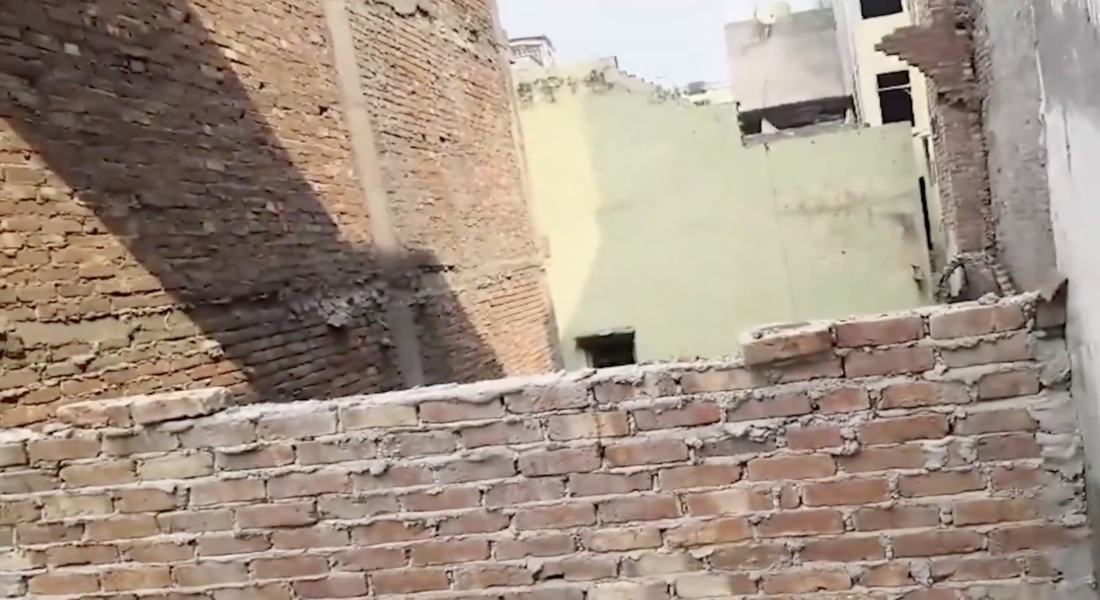
According to him, extensive sand deposits were found across several locations, covering agricultural land, roads, houses and government offices. Even houses that had not collapsed had suffered structural damage and become weakened due to the impact of the floods.
Shankar pointed out that desilting of the Rushikulya river would be necessary as a long-term measure. He also informed the Chief Minister that a comprehensive assessment of the damage caused by the widespread disaster would require another seven to eight days.
The central team leader praised the Odisha government’s prompt response to the cyclone and subsequent floods. He acknowledged that relief and restoration operations had been carried out swiftly, with roads largely restored for vehicular movement and electricity supply brought back.
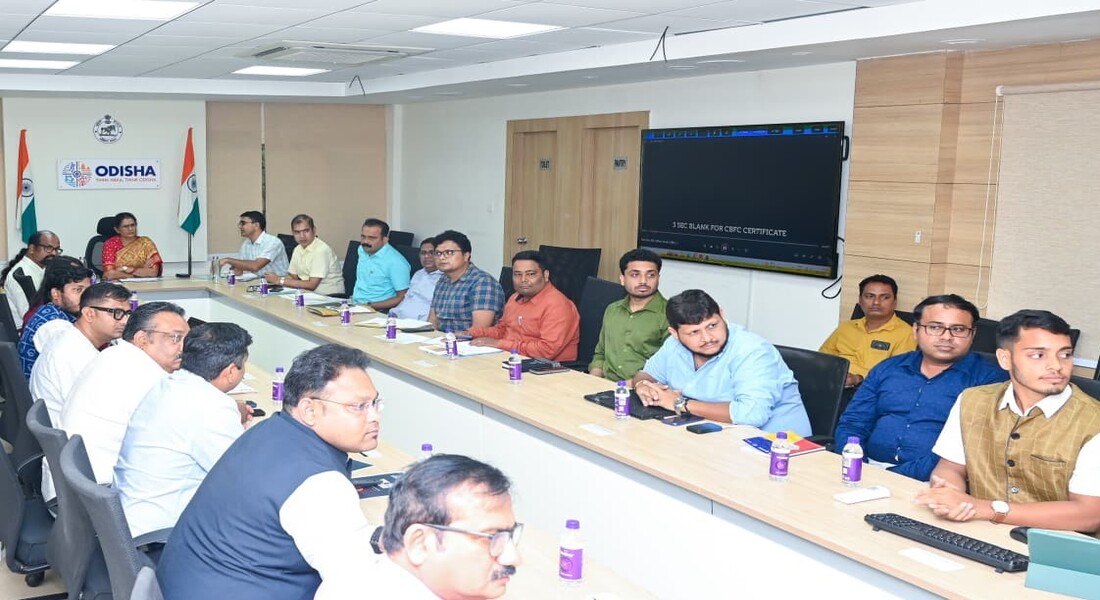
Separately, the eight-member Central Inter-Ministerial Team attended a preliminary damage assessment meeting convened by the Special Relief Commissioner at the conference hall of Lok Seva Bhavan. The meeting was chaired by Chief Secretary Anu Garg.
The team had visited Gajapati district on November 3 and Ganjam district on November 4. During the meeting, the team members presented their field-level observations, findings, and data on the damage caused by Cyclone Arnab and the subsequent floods. They also discussed the condition of the affected areas with the Chief Secretary, departmental secretaries and senior state government officials.
The field assessment revealed extensive crop losses and significant damage to infrastructure, including roads, electricity facilities, embankments and canals under the Water Resources Department.
District Collectors informed the team that the extensive nature of the damage meant that a complete assessment would take a few more days. They also advised the team to undertake a house-to-house survey to establish the actual extent of the losses.
The central team discussed the assistance that the Union government could provide for reconstruction, strengthening of embankments and other restoration works.
A key issue discussed at the meeting was the need to increase the height of embankments and strengthen existing embankments and canals in the affected areas to reduce the impact of future floods.
The floods also affected drinking water infrastructure, national highways, roads, and bridges maintained by the Works, Rural Development, and Panchayati Raj and Drinking Water departments. While temporary repairs have already been undertaken at several locations and restoration work remains underway, the meeting also examined additional infrastructure requirements for long-term resilience.
Apart from damage to public infrastructure and agricultural land, fish ponds and livestock in the affected areas also suffered heavy losses.
A consolidated damage statement prepared by the Special Relief Commissioner on the basis of information received from various departments was handed over to the central team for assessment.
During the meeting, Garg outlined Odisha’s experience in dealing with recurring natural disasters, beginning with the devastating Super Cyclone of 1999.
She said the state faces multiple natural disasters almost every year and, consequently, gives the highest priority to disaster management. The state’s preparedness includes planning, early evacuation, rescue operations and relief measures to minimise casualties and protect people during emergencies.
Garg also highlighted the continuous efforts being made to develop disaster-resilient infrastructure and strengthen institutional capacity. She said these measures were aimed at reducing the impact of future disasters and safeguarding lives and property.
Revenue and Disaster Management Minister Suresh Pujari briefed the meeting on the damage caused by the cyclone and floods and the response measures undertaken by the state government.