
New Delhi: The US has destroyed multiple Iranian oil tankers after Iran attempted to strike a US Navy warship with ballistic missiles, triggering a fresh escalation across the Gulf and pushing oil prices close to USD 100 a barrel.
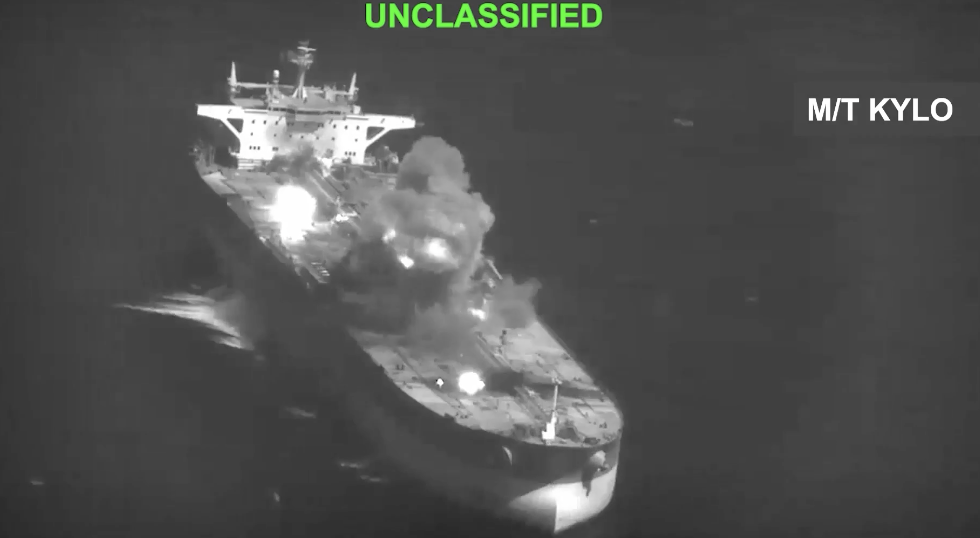
US Central Command said American forces struck the tankers in the Gulf of Oman and near Iran’s Kharg Island. The crews were directed to abandon the vessels before the strikes.
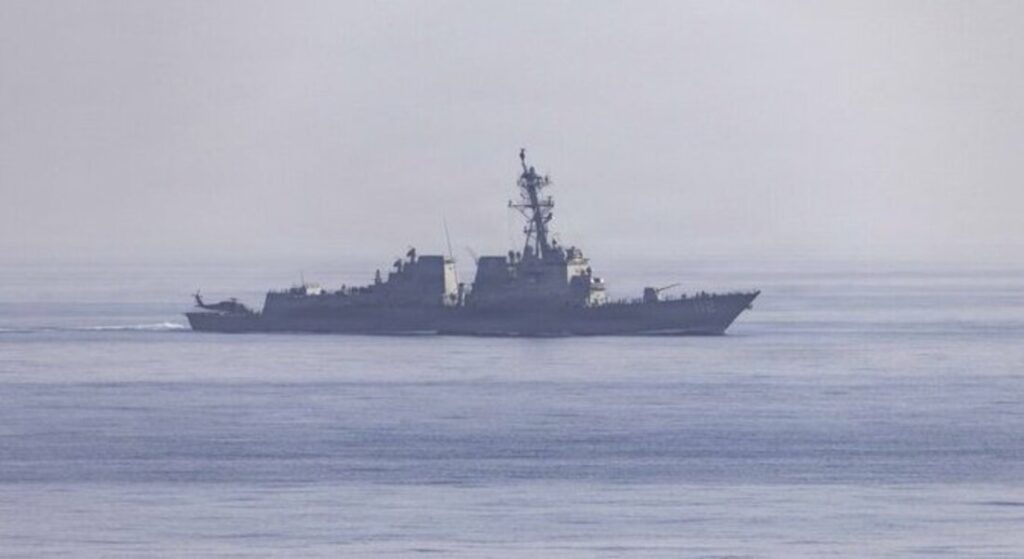
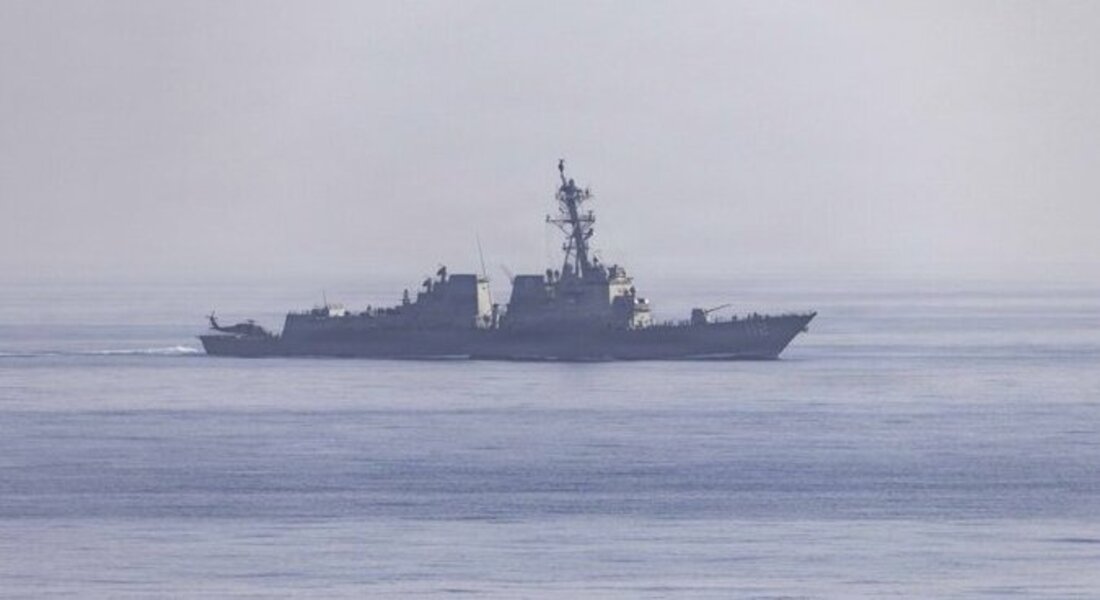
Centcom said the action followed two ballistic missile attacks by Iran’s Islamic Revolutionary Guard Corps (IRGC) against a US Navy warship over the past two days. The warship evaded both attacks and continued its patrol, while no American personnel were injured, according to guardian.com.
Iran responded by targeting a US military base in Jordan. Jordanian authorities said air-defence systems intercepted 18 of 20 ballistic missiles launched from Iranian territory. The remaining two missiles fell in unpopulated areas, with no casualties reported.
The IRGC also said it attacked two US vessels and eight oil tankers in the Gulf. It had earlier warned oil tanker crews near ports in Kuwait and Bahrain to leave their vessels.
The renewed exchanges came after a month of relative calm in August. The escalation has also affected oil markets, with prices moving close to USD 100 a barrel in early Asian trading on Wednesday.
The regional situation widened further after Iran-backed Houthi forces in Yemen attacked four cities in Saudi Arabia on Tuesday. More than 70 people were wounded, and oil facilities were set ablaze, according to the report.
Saudi Arabia said it would retaliate after strikes involving dozens of drones and missiles targeted oil facilities in the country’s south.
US Secretary of State Marco Rubio said Washington would respond to Iranian attacks on US naval vessels. He indicated that further tanker strikes could follow if Iran continued targeting American warships.
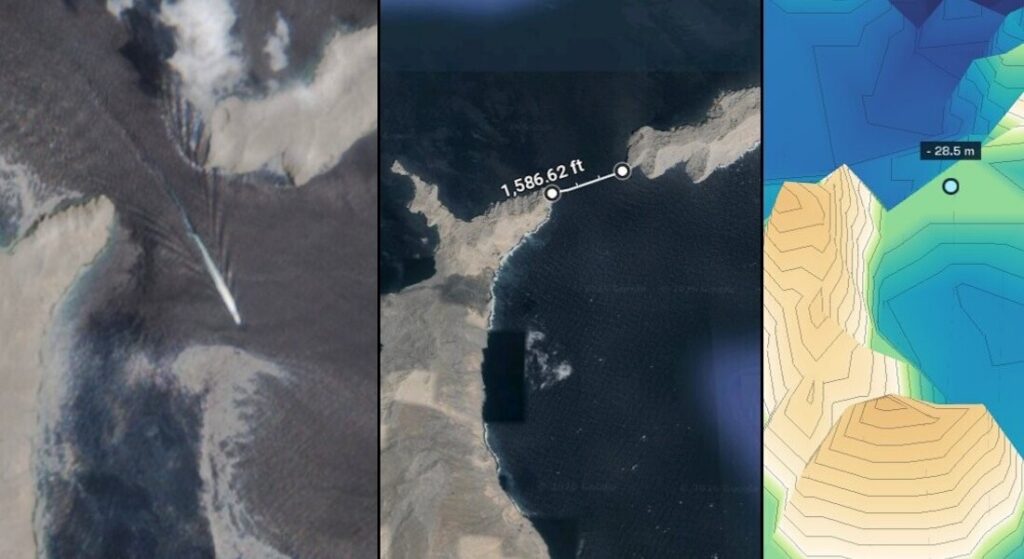
The escalation followed an earlier incident involving a US underwater drone in the Strait of Hormuz. Iran claimed it had seized the drone, while a US Navy spokesperson said the submersible was defective and an older model that carried no sensitive data or classified sonar or radar equipment.
Iran has maintained a blockade of the Strait of Hormuz since the war began more than six months ago. The waterway normally carries about one-fifth of global oil and gas shipments.
The widening conflict has also prompted diplomatic and security discussions among regional and international powers. In Paris, South Korean President Lee Jae Myung and French President Emmanuel Macron discussed cooperation on security and freedom of navigation in the Strait of Hormuz.
South Korea has also sent an inspection team to the UAE to assess the security situation. Seoul said the mission was intended to gather information and did not mean that a decision had been taken to deploy troops.
South Korea also denied reports that the United States had set a deadline for Seoul to send military assets to the Strait of Hormuz.
The latest escalation comes as US President Donald Trump continues to face difficulty in ending the war, which has already claimed the lives of 18 US service members.