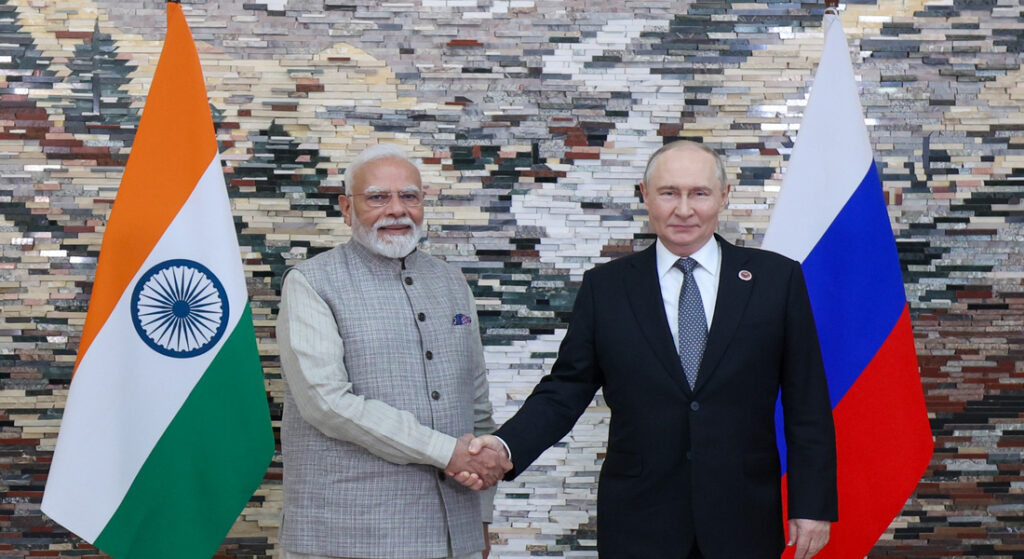

A fragile ceasefire between the United States and Iran came under immediate strain as Iran reportedly closed the Strait of Hormuz following large-scale Israeli strikes on Lebanon.
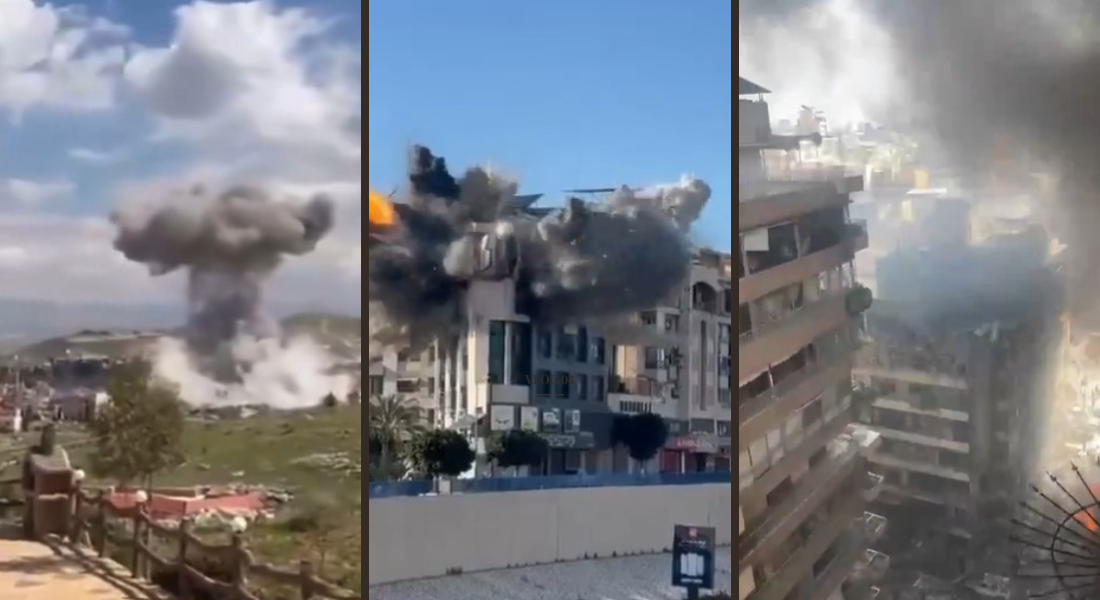
The development comes less than a day after Washington and Tehran agreed to a two-week ceasefire aimed at de-escalating tensions and reopening the strategic waterway critical to global energy supplies. However, the situation escalated after Israel launched more than 100 air strikes in Lebanon within a short span, triggering a sharp response from Iran.
Israeli Prime Minister Benjamin Netanyahu had earlier expressed support for the US-Iran ceasefire but clarified that it did not apply to Lebanon. “Israel supports President Trump’s decision to suspend strikes against Iran for two weeks subject to Iran immediately opening the straits and stopping all attacks on the US, Israel and countries in the region,” he said in a post on X.
In a separate statement, Netanyahu added, “The two-week ceasefire does not include Lebanon,” signalling that Israel’s military operations against Hezbollah would continue.
According to reports, Israeli strikes in Lebanon resulted in heavy casualties, with over 100 people killed and several hundred injured. The Israeli military described the operation as the “largest strike” on the country since the start of the conflict, as reported by The Independent.
Reacting strongly, Iran’s Islamic Revolutionary Guard Corps (IRGC) warned of escalation if attacks on Lebanon persist. “If the aggressions against dear Lebanon are not brought to an immediate end we shall fulfil our duty and deliver a regret-inducing response to the malicious aggressors in the region,” the IRGC said in a statement carried by state broadcaster Islamic Republic of Iran Broadcasting.
An IRGC official was also quoted by the Islamic Republic News Agency as saying, “Any attack on the proud Hezbollah is an attack on Iran.”
The United States, meanwhile, has reiterated its demand that Iran reopen the Strait of Hormuz. White House Press Secretary Karoline Leavitt said the closure of the waterway is “completely unacceptable” and added, “I will reiterate the president’s expectation and demand that the Strait of Hormuz is reopened immediately quickly and safely.”
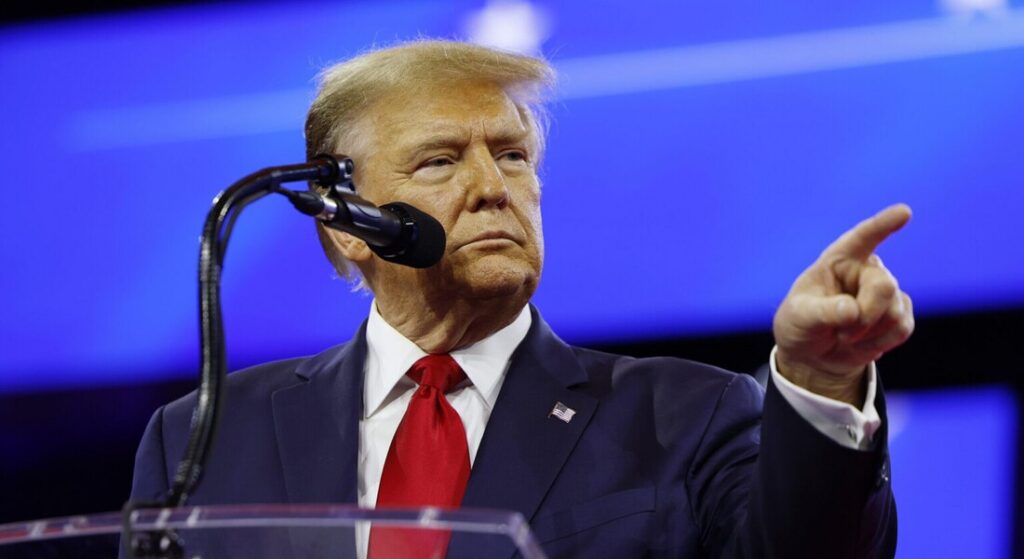
US President Donald Trump also defended Israel’s continued strikes in Lebanon, stating that Hezbollah was not part of the ceasefire agreement. Speaking to PBS News, Trump said, “Yeah, they were not included in the deal,” and added, “It’s part of the deal – everyone knows that. That’s a separate skirmish.”
ALSO READ: US, Iran agree to two-week ceasefire amid escalating war tensions
The differing interpretations of the ceasefire have further complicated the situation. While Pakistan, which has been mediating talks, indicated that the truce could extend to Lebanon, both the United States and Israel have maintained that it applies only to Iran.
According to Al Jazeera, Netanyahu’s office also claimed that “Iran no longer poses a nuclear, missile and terror threat to America, Israel, Iran’s Arab neighbours and the world,” while reiterating that Israel’s operations in Lebanon would continue.
The ceasefire has also drawn criticism within Israel. Opposition leader Yair Lapid described it as one of the greatest “political disasters in all of our history,” arguing that Israel had not been part of the negotiations and that the government had “failed politically, failed strategically, and didn’t meet a single one of the goals that he himself set.”
The latest developments highlight the fragile and fragmented nature of the ceasefire, with continued military actions and conflicting positions raising concerns about further escalation in the region.