
The United States and Iran have agreed to a temporary two-week ceasefire, marking a pause in escalating hostilities that had brought the region to the brink of a wider conflict. The development comes after US President Donald Trump pulled back from imminent military strikes just hours before a self-imposed deadline.
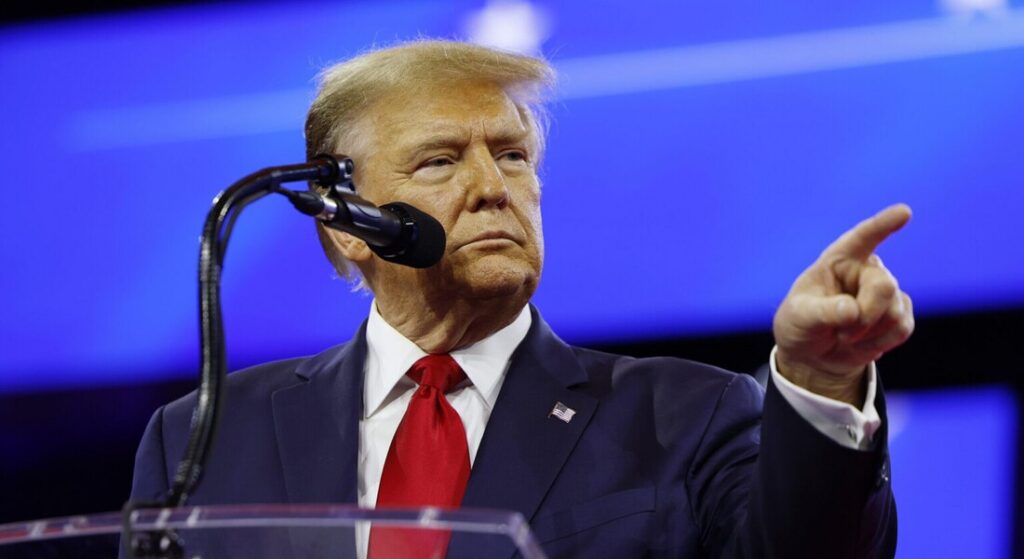
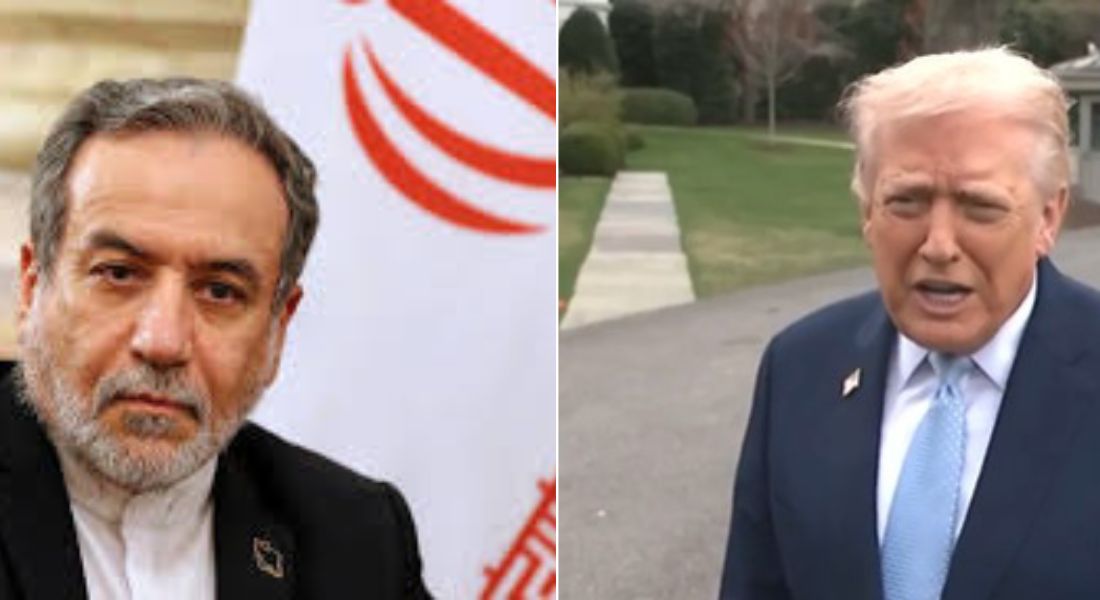
Announcing the decision on his Truth Social platform, Trump said the move followed last-minute diplomatic efforts involving Pakistan’s leadership. “Based on conversations with Prime Minister Shehbaz Sharif and Field Marshal Asim Munir… I agree to suspend the bombing and attack of Iran for a period of two weeks,” he wrote, adding that the decision was conditional on the “COMPLETE, IMMEDIATE, and SAFE OPENING of the Strait of Hormuz.”
Earlier in the day, Trump had issued a stark warning, stating, “A whole civilization will die tonight, never to be brought back again,” if Iran failed to comply with his demands. He had described the deadline as “one of the most important moments in the long and complex history of the World.”
Iran confirmed its acceptance of the ceasefire, with Foreign Minister Abbas Araghchi stating that Tehran would halt its military response if attacks ceased. “If attacks against Iran are halted, our Powerful Armed Forces will cease their defensive operations,” he said in a statement posted on X. Aragachi added that safe passage through the Strait of Hormuz would be allowed for two weeks under coordination with Iranian forces.
🚨 President Donald J. Trump makes a statement on Iran: pic.twitter.com/9mqTayL0Q3
— The White House (@WhiteHouse) April 7, 2026
Trump later claimed that the pause in hostilities reflected progress in negotiations. “This will be a double sided CEASEFIRE,” he wrote, asserting that the United States had already “met and exceeded all Military objectives” and was close to a broader agreement. He added that a “10 point proposal” from Iran could form the basis for long-term peace, stating, “Almost all of the various points of past contention have been agreed to.”
The ceasefire, reportedly mediated with support from Pakistan, is expected to be followed by negotiations in Islamabad. Iran’s Supreme National Security Council indicated that the truce could be extended depending on the progress of talks.
Despite the announcement, violence continued across parts of the region, with strikes reported in Iran, Israel and Gulf countries, underscoring the fragile nature of the agreement.
The conflict, which began with US and Israeli strikes on Iran in late February, has already resulted in significant casualties. Reports indicate that more than 2,000 people have been killed in Iran, while dozens have died across Gulf countries. The United States has lost 13 military personnel, and casualties have also been reported in Israel.
Trump’s shifting positions have drawn sharp criticism from political leaders and international observers. US Senate Democrat Chuck Schumer described the president as an “extremely sick person” following his earlier threats, while Senator Chris Murphy warned that the strategy risked killing civilians and worsening the global crisis.
The United Nations has also raised concerns over the rhetoric and conduct of the war. UN human rights chief Volker Turk warned that deliberate attacks on civilians and infrastructure would constitute a war crime under international law.
ALSO READ: West Asia conflict enters uncertain phase amid US contradictions and Iran’s defiance
Meanwhile, the Strait of Hormuz remains central to the conflict. Iran has indicated that passage through the key energy corridor will be allowed under its supervision during the ceasefire period, with reports suggesting plans to impose transit fees in coordination with Oman.
The temporary truce comes amid rising global concern over energy disruptions and economic fallout, as well as growing pressure on all sides to pursue a diplomatic resolution. However, continued military exchanges even after the ceasefire announcement highlight the uncertainty surrounding the path ahead.