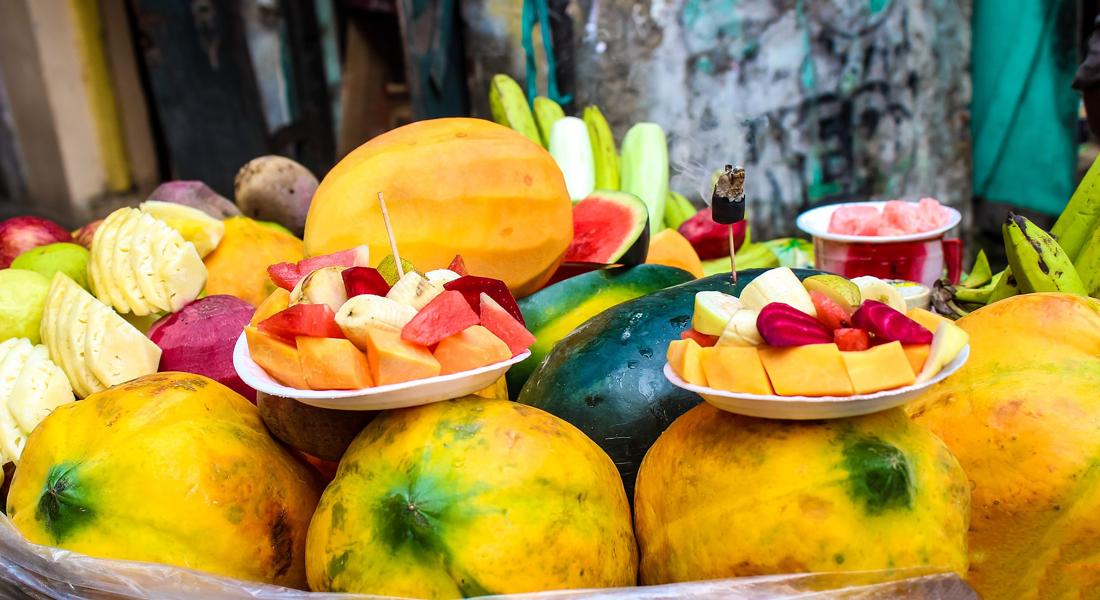

New Delhi: The Food Safety and Standards Authority of India (FSSAI) has directed all states and Union Territories to step up surveillance and enforcement against the illegal use of artificial fruit ripening agents, including banned substances such as calcium carbide.
In an official communication, the food regulator asked Commissioners of Food Safety, Regional Directors, and Central Licensing Authorities to intensify inspections across fruit markets, mandis, storage facilities, and distribution chains.
The directive reiterates that the use of calcium carbide, commonly referred to as “masala,” is strictly prohibited under the Food Safety and Standards regulations. The substance is widely used for artificial ripening of fruits like mangoes, bananas, and papayas, but poses serious health risks, including difficulty in swallowing, vomiting, and skin ulcers.
The authority also flagged concerns over the use of ethephon solution by some food business operators for ripening fruits. It stated that direct contact of fruits with ethylene in liquid or powder form is not permitted, as per its guidance on safe ripening practices.
FSSAI has instructed enforcement officials to maintain strict vigilance, particularly during the storage of seasonal fruits, where the misuse of non-permitted substances is suspected. It has also advised states to conduct special enforcement drives to curb the use of banned ripening agents, synthetic colours, and wax coatings.
The regulator said that the presence of calcium carbide on premises or near fruit stock could be treated as circumstantial evidence for initiating legal action against violators under relevant provisions of the Food Safety and Standards Act.
Additionally, officials have been asked to use strip paper tests to detect acetylene gas in storage or ripening facilities, which may indicate the use of illegal ripening methods.
The move is aimed at ensuring food safety and protecting consumers from harmful practices in the fruit supply chain.