
Bhubaneswar: The Odisha government has reviewed the performance of power distribution companies (DISCOMs) and emphasised reliable, safe and uninterrupted electricity supply across the state.
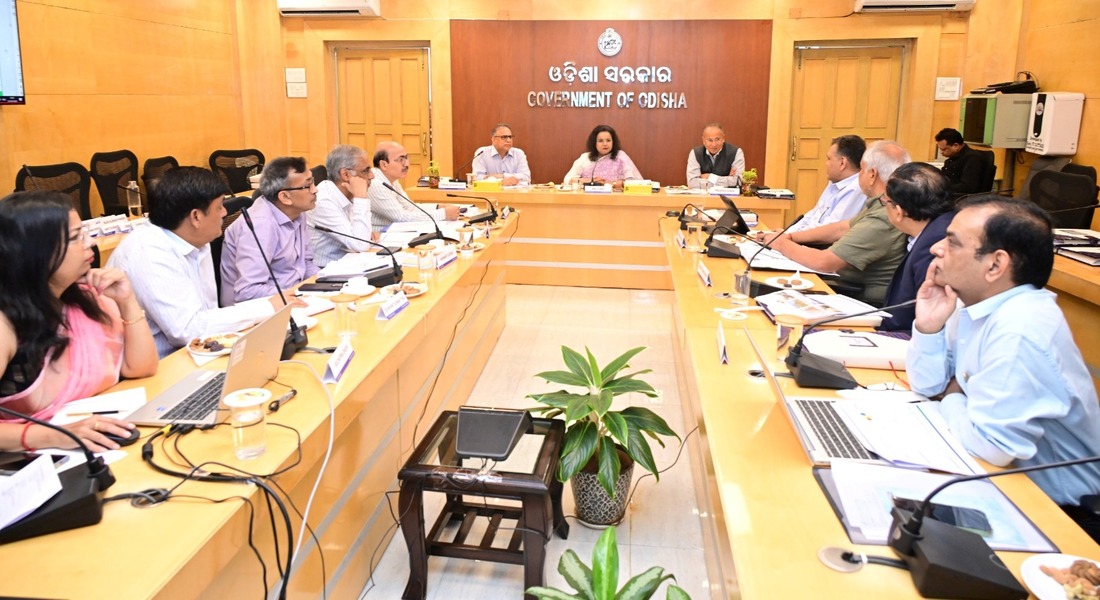
The review, conducted during the 29th board meetings of DISCOMs held at Lok Seva Bhawan on April 22 under the chairpersonship of Chief Secretary Anu Garg, assessed the functioning of TP Northern Odisha Distribution Limited (TPNODL), TP Southern Odisha Distribution Limited (TPSODL), TP Central Odisha Distribution Limited (TPCODL) and TP Western Odisha Distribution Limited (TPWODL), focusing on supply reliability, reduction of transmission losses, customer service delivery and infrastructure development.
According to an official release, the review also focused on the implementation of the PM Surya Ghar: Muft Bijli Yojana and rooftop solar initiatives under the Utility-Led Aggregation (ULA) model to promote clean energy adoption in the state.
As per the release, a total of 84,888 rooftop solar systems have been installed in Odisha so far—55,888 under PM Surya Ghar and 29,000 under the ULA scheme. Odisha has recorded the highest implementation performance in the country under the ULA model. The state has set a target to bring three lakh households under rooftop solar and is working towards installing 25,000 systems every month in the coming phase.
The release further stated that district administrations in Cuttack and Ganjam have supported 280 households across selected villages for rooftop solar installation. Initiated in February 2026, this effort has enabled beneficiary families to avoid monthly electricity bills, reducing financial burden and improving living conditions.
The review also noted improvements in operational efficiency, with aggregate technical and commercial losses declining from 29.5% in 2019–20 to 14.6% in 2025–26. There has been no increase in electricity tariffs over the past five years. Under CSR initiatives, DISCOMs spent ₹17 crore in 2025–26 and plan to increase this to ₹20 crore in 2026–27, focusing on healthcare and livelihood support in remote areas.
The government stressed the need for prompt resolution of consumer grievances and maintaining quality and safety in electricity distribution, while accelerating clean energy initiatives across the state.