
Trump questions Iran’s proposal, keeps military option open as nuclear concerns stall talks, while Hormuz tensions and oil price volatility reflect deepening geopolitical uncertainty.
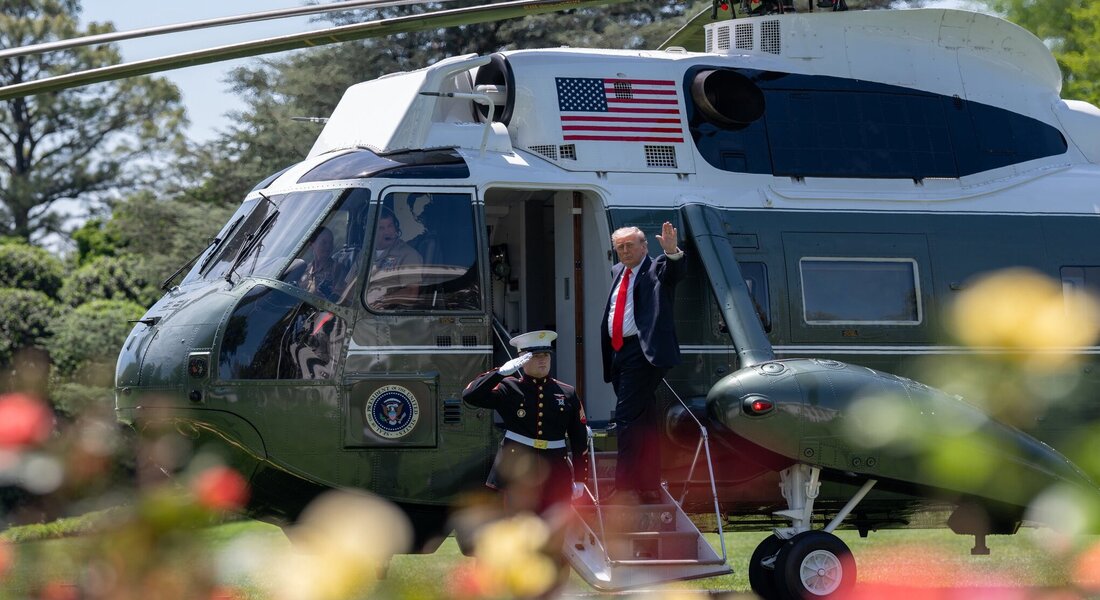
US President Donald Trump has expressed fresh scepticism over the prospects of a deal with Iran, indicating that negotiations remain uncertain while warning that military action remains an option if talks fail.
Speaking to reporters at the White House on Friday, Trump said he was “not happy” with the proposals put forward by Tehran and was unsure whether an agreement could be reached. “We just had a conversation with Iran. Let’s see what happens, but I would say that I’m not happy… They’ve got to come up with the right deal. At this moment, I’m not satisfied with what they’re offering,” he said.
Highlighting the choices before Washington, Trump remarked, “There are options. Do we want to go and just blast the hell out of them and finish them forever, or do we want to try and make a deal?… on a human basis, I’d prefer [a deal].” He also declined to comment on any immediate military plans, saying, “Why would I tell you that?” when asked about possible strikes.
The remarks come as Iran has reportedly submitted a fresh proposal aimed at ending the ongoing conflict, even as the strategically crucial Strait of Hormuz remains disrupted for global oil trade. Details of the latest proposal have not been made public, though earlier suggestions from Tehran included reopening the strait and ending hostilities while deferring discussions on its nuclear programme.
According to reports, the United States has pushed back on any framework that sidelines nuclear concerns. Proposed amendments to negotiation terms include a demand that Iran refrain from moving enriched uranium or resuming activity at its damaged nuclear facilities during the course of talks. White House spokesperson Anna Kelly reiterated Washington’s position, stating that “President Trump has been clear that Iran can never possess a nuclear weapon, and negotiations continue to ensure the short- and long-term national security of the United States,” while declining to comment on specific diplomatic exchanges.
ALSO READ: Iran vows defiance as US blockade escalates Gulf tensions
The geopolitical standoff has had a direct impact on global energy markets, with oil prices rising sharply amid uncertainty over supply routes. Prices recently surged past $114 per barrel before stabilising around the $110 mark, reflecting continued volatility linked to the situation in the Gulf region.
Meanwhile, international concern over the conflict persists. A recent Washington Post-ABC-Ipsos poll found that 61 per cent of respondents in the United States believe the use of military force against Iran was a mistake.
China has also emphasised the importance of maintaining the ceasefire, with its envoy to the United Nations warning that the situation around the Strait of Hormuz remains a critical issue.
Tensions across the broader region continue to remain high, with reports of ongoing violence in parts of West Asia even as diplomatic efforts to stabilise the situation remain inconclusive.