New Delhi: United States President Donald Trump has signed an executive order lifting the additional 25 per cent tariff imposed on Indian goods over New Delhi’s purchases of Russian oil, marking a key step in easing trade tensions between the two countries.
The executive order, signed on Friday evening, removes the tariff penalty with effect from Saturday. The measure had been introduced by the Trump administration as part of a national emergency declaration linked to Russia’s energy exports. Its withdrawal follows what the White House described as fresh commitments made by India under a preliminary trade understanding reached earlier this week.
In the executive order, Trump said India had taken “significant steps” to align with the United States on national security, foreign policy and economic issues. These steps, he noted, include commitments to halt direct or indirect imports of Russian oil, increase purchases of American energy products, and enter into a 10-year framework aimed at expanding defence cooperation between the two countries.

The removal of the Russia-related tariff also clears the way for a broader reduction in duties on Indian exports to the US. As part of the same arrangement, the overall tariff burden on Indian goods is expected to fall from 50 per cent to 18 per cent, following the rollback of both the oil-linked penalty and a separate 25 per cent “reciprocal” tariff imposed earlier.
According to a joint statement issued alongside the executive order, India has agreed to eliminate tariffs on all US industrial goods and on a range of food and agricultural products. These include items such as dried distillers’ grains used for animal feed, red sorghum, tree nuts, soybean oil, wine and spirits, and fresh and processed fruits, among others.
In return, the United States has committed to lowering its reciprocal tariff rates on a wide basket of Indian exports. US authorities have indicated that some products not manufactured domestically could eventually see tariffs removed altogether, subject to further negotiations.
The agreement also covers sector-specific concessions. Washington has agreed to lift tariffs imposed on certain aircraft and aircraft parts under national security provisions. Auto parts currently affected by similar restrictions will be brought under a preferential tariff-rate quota system. On generic pharmaceuticals and active pharmaceutical ingredients, both sides will continue discussions under an ongoing national security investigation framework.
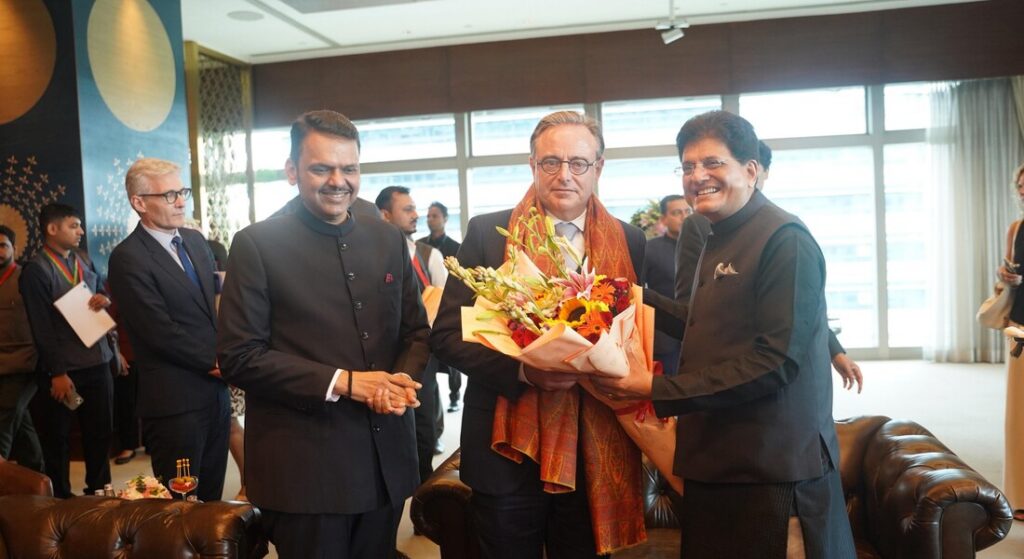
Reacting to the development, Commerce and Industry Minister Piyush Goyal said the framework agreement would significantly expand opportunities for Indian exporters. In a post on X, he said the interim understanding would open access to the US market for sectors such as textiles, apparel, leather, footwear, chemicals, handicrafts and select machinery, with particular benefits for MSMEs, farmers and fishermen.
The tariff rollback marks a notable shift in US–India trade relations after months of strained negotiations. Officials on both sides indicated that talks would continue in the coming weeks to work towards a comprehensive trade agreement.