
Bhubaneswar: The deep depression over north coastal Andhra Pradesh crossed the coast near southwest of Kalingapatnam between 11 PM on September 23 and 1 AM on September 24, with maximum sustained wind speeds of 55–65 kmph and gusts reaching up to 75 kmph.
After crossing the coast, the system moved west-northwest and continued inland. At 8:30 AM on September 24, it was centred over north coastal Andhra Pradesh and adjoining south Odisha, near latitude 18.5°N and longitude 83.5°E.
Revenue and Disaster Management Minister Suresh Pujari said the system moved northwestward at 7 kmph over the previous six hours. At the time, it was about 70 km west-northwest of Kalingapatnam in Andhra Pradesh, 80 km south-southeast of Rayagada, 90 km east-southeast of Koraput and 170 km east-southeast of Jagdalpur in Chhattisgarh.
The deep depression is expected to move north-northwestward and gradually weaken into a depression by the evening of September 24. It is likely to continue moving in the same direction over the following 24 hours while weakening further.
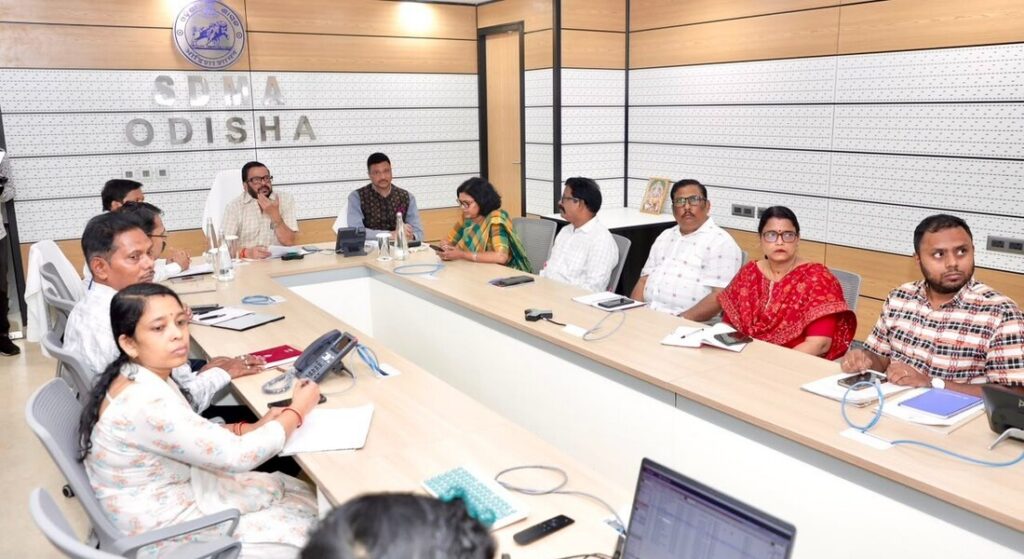
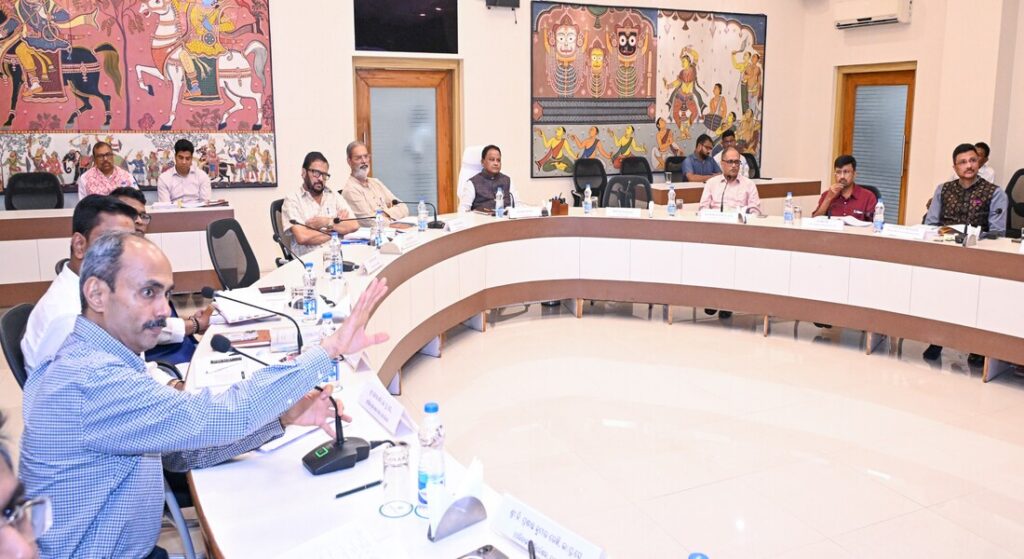
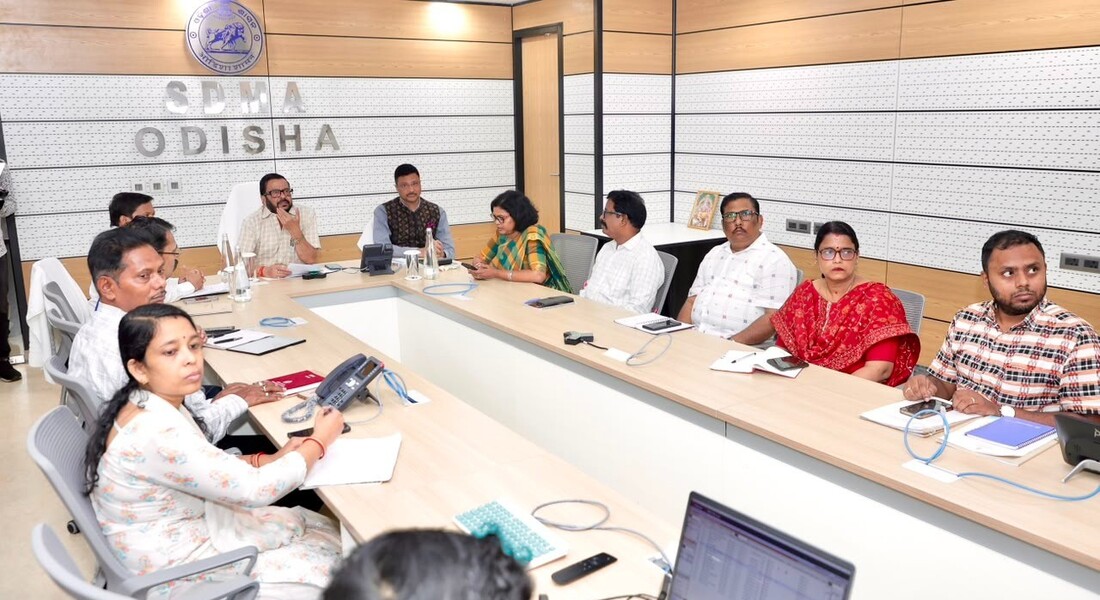
With the system having crossed the coast, the Odisha government is closely monitoring the situation, particularly across the southern and western districts. District administrations and field response teams remain on alert, with night patrolling, traffic management, river and water-level monitoring and rescue arrangements continuing in vulnerable areas.
No major damage has been reported so far, according to reports received from the districts.
In Koraput, light to moderate rainfall was recorded, and the overall situation remained normal. Similiguda received more than 100 mm of rainfall, but no major damage or loss of life was reported.
In Malkangiri, overflowing water at certain points on the national highway led to traffic diversions near the bridges at Kangurkonda, MV-90 and Kanyashram. Alternate routes are being used, with coordination established with Chhattisgarh Police.
Kalahandi reported isolated incidents of uprooted trees, which were cleared promptly, while the overall situation remained normal.
In Nabarangpur, traffic was diverted through an alternate route after water overflowed over a bridge in Tentulikhunti block. Two houses were damaged after trees were uprooted, and the affected residents were safely relocated.
Gajapati recorded moderate rainfall between 5:30 PM on September 23 and 6 AM on September 24, with average rainfall of around 70 mm.
With the water level of the Vamsadhara River rising, the district administration has intensified patrolling along riverbank areas and deployed an ODRAF team.
Ganjam officials are keeping a close watch on the Vamsadhara and Rushikulya rivers. Night patrolling and operation of barrage gates are also being carried out as part of water management measures.
In Rayagada, night patrolling was conducted in areas near the Vamsadhara river, with no major damage reported so far.
The weather system has brought significant rainfall to several parts of Odisha. On September 24, rainfall exceeding 100 mm was recorded in several blocks, including 193.9 mm at Similiguda in Koraput, 168.8 mm at Chitrakonda in Malkangiri, 142 mm at Tangi in Khordha, 134 mm at Baramba in Cuttack, 125.4 mm at G. Udayagiri in Kandhamal, 121.4 mm at Paralakhemundi in Gajapati and 120 mm at Gosani in Gajapati.
Despite the system moving inland, weather warnings remain in force for several districts. Nabarangpur is under a Red Warning on September 24, while an Orange Warning has been issued for Koraput, Malkangiri, Bargarh, Nuapada, Balangir and Kalahandi.
The state administration continues to assess local conditions and has kept field-level response measures in place. These include monitoring rivers and water levels, night patrolling in vulnerable areas, traffic diversions where required, clearing uprooted trees and relocating affected residents to safer locations.
Officials are also maintaining rescue and relief preparedness while monitoring rainfall, river levels, and other vulnerable locations.
According to the current assessment, no major large-scale damage has occurred so far. The overall situation in the affected districts remains largely under control, with district administrations and response teams continuing to monitor developments and respond to local requirements.