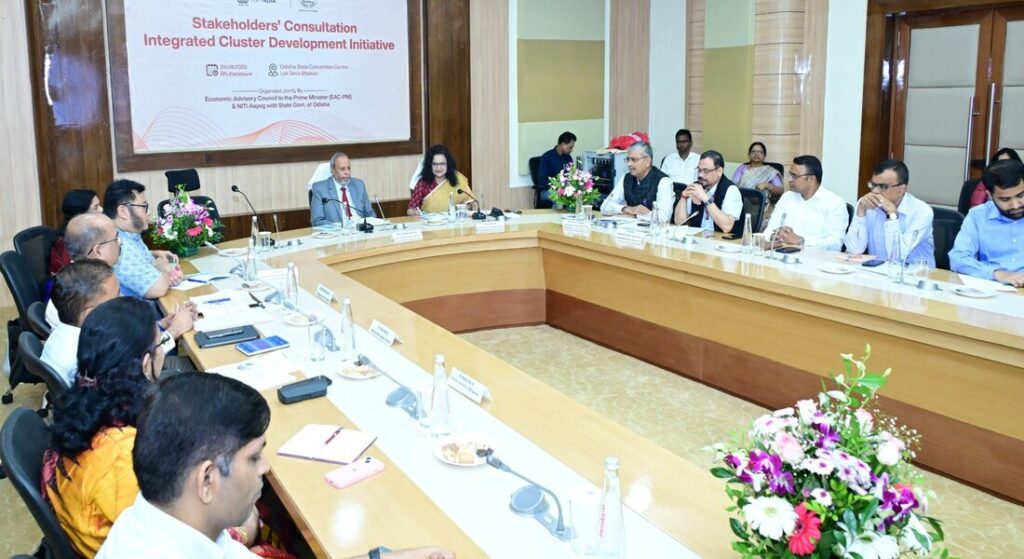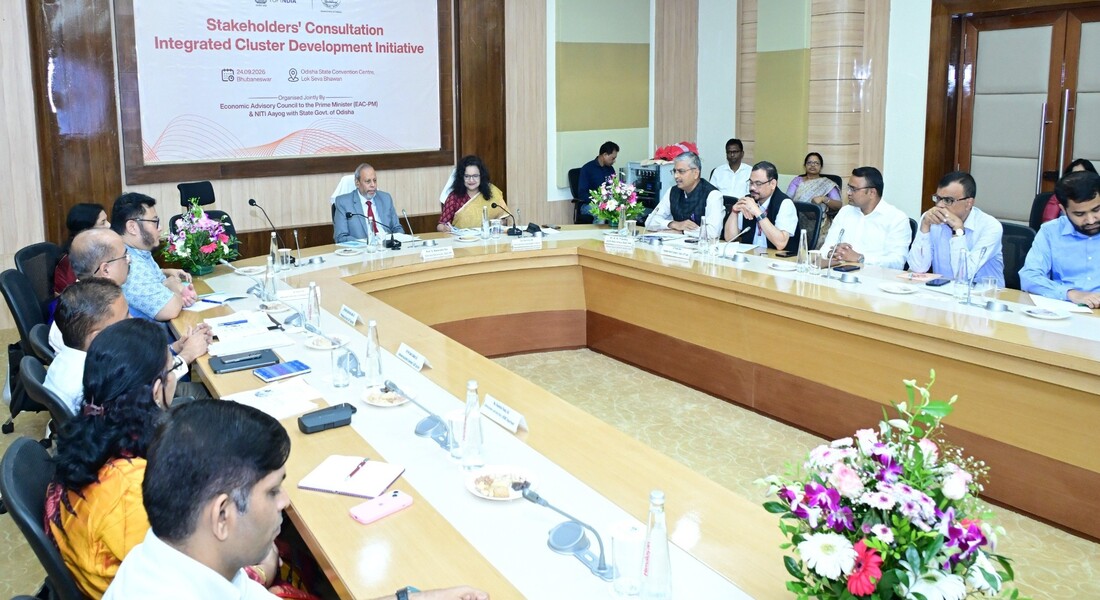

Bhubaneswar: Odisha held its first consultation workshop on the Integrated Cluster Development Initiative (ICDI) on Thursday. The event took place at the State Convention Centre in Lokseva Bhawan. It focused on boosting agriculture, horticulture, fisheries, and dairy production across the state.
The workshop was jointly organised by the Economic Advisory Council to the Prime Minister (EAC-PM), NITI Aayog, and Odisha’s Planning and Coordination Department. Officials discussed cluster-based development potential, gap areas, and institutional coordination. They also laid out a roadmap for future action.
EAC-PM Chairman Professor S. Mahendra Dev attended the inaugural session. He called for a shift from a production-first approach to an income-first approach for farmers. He said the state should focus on raising farmer earnings, not just output volumes.
Professor Dev also pushed for stronger post-harvest processing. He highlighted the role of small farmers, Farmer Producer Groups, and cooperatives in driving growth. He expressed confidence that Odisha could become a model for other eastern states.
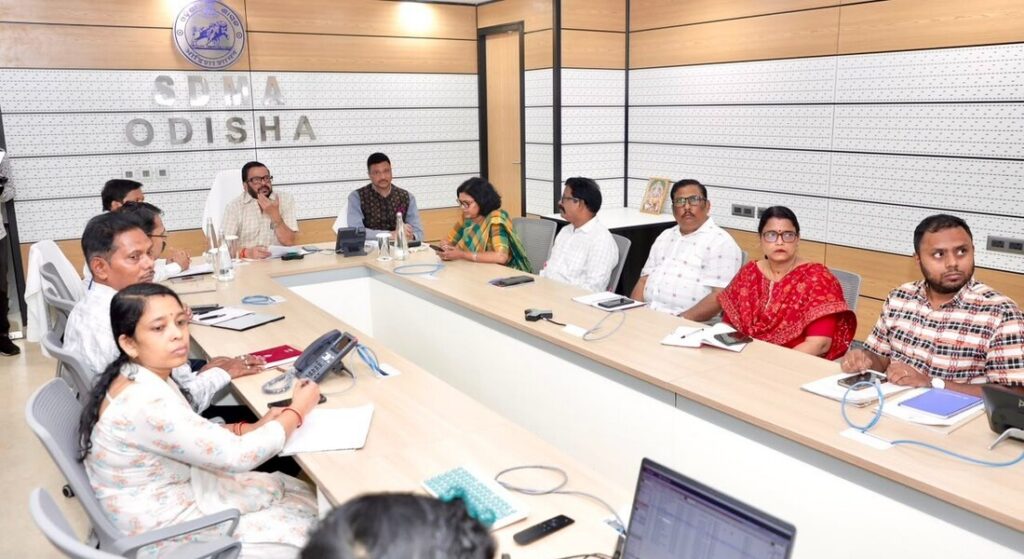
Officials confirmed that Puri and Ganjam districts will serve as pilot clusters. Angul, Dhenkanal, Sambalpur, and Deogarh will follow in the next phase. District Collectors from all these regions attended the workshop.
Odisha Chief Secretary Anu Garg said the state’s growth would directly support India’s broader development goals. She called for balanced development across every region of Odisha. She stressed the need to strengthen the full value chain, from farm production to final markets.
Garg also spoke about linking local produce to bigger markets. She said women’s self-help groups should play a larger role in cluster-based economic activity. She added that coordination between government bodies, research institutions, and private players remains essential for success.
Agriculture Department Commissioner Sachin Ramchandra Jadhav presented data on Odisha’s horticulture sector. He said the state is a major producer of fruits and vegetables nationally. Odisha grows horticultural crops on nearly 16.53 lakh hectares, he said. The state produces around 11.1 million metric tonnes of vegetables every year.
Jadhav noted that 3.83 lakh farmers currently work across 95 horticulture clusters. He said Ganjam and Puri will initially focus on cashew, mango, vegetables, and spices. Plans include better storage, processing, and market access for these crops.
Fisheries Department Secretary Prem Chandra Chaudhary spoke about the blue economy’s role in Odisha’s growth. He detailed plans for deep-sea fishing, a dedicated shrimp mission, and reservoir-based fish farming. He said Ganjam and Puri will also anchor fisheries development under the new initiative.
Chaudhary outlined a separate strategy for the dairy sector. He said the plan covers animal health, fodder supply, milk collection, and cooling infrastructure. The goal, he said, is to raise farmer income through better value addition.
IFPRI Senior Research Fellow Dr Sudha Narayanan delivered the welcome address at the session. She said the initiative would speed up grassroots-level growth for farmers across Odisha.
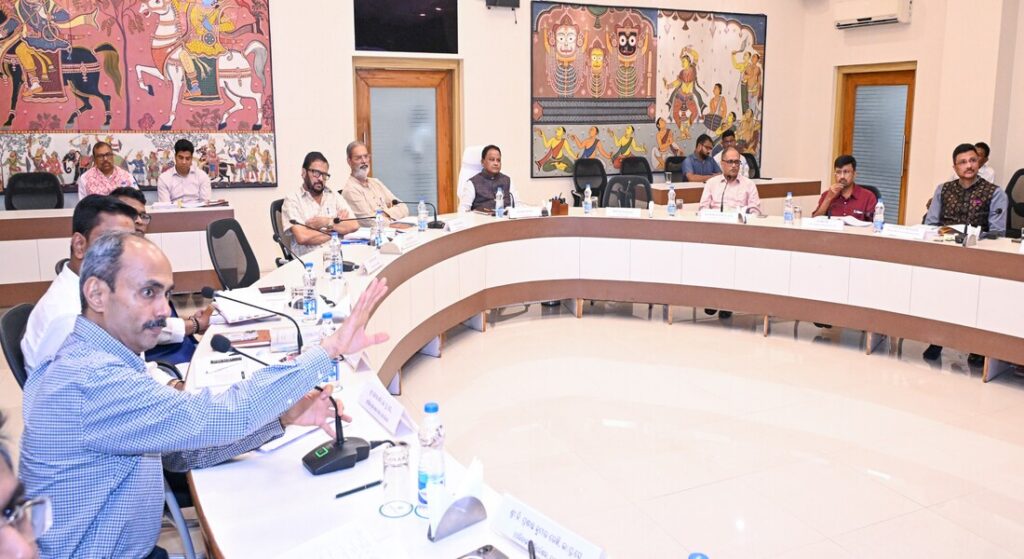
Technical sessions covered field studies, value chain mapping, and cluster identification criteria. Officials weighed factors like market demand, export potential, employment generation, and long-term sustainability. Senior officials from state and district administrations attended alongside experts from research and private institutions.