New Delhi: Iran is not planning to participate in a new round of talks with the US, according to state media reports on Sunday, even as tensions escalated following a maritime incident near the strategic Strait of Hormuz.
State media in Iran reported that Tehran currently has no plans to join upcoming negotiations with the US. The development comes hours after US President Donald Trump said he was dispatching negotiators to Islamabad for fresh discussions.
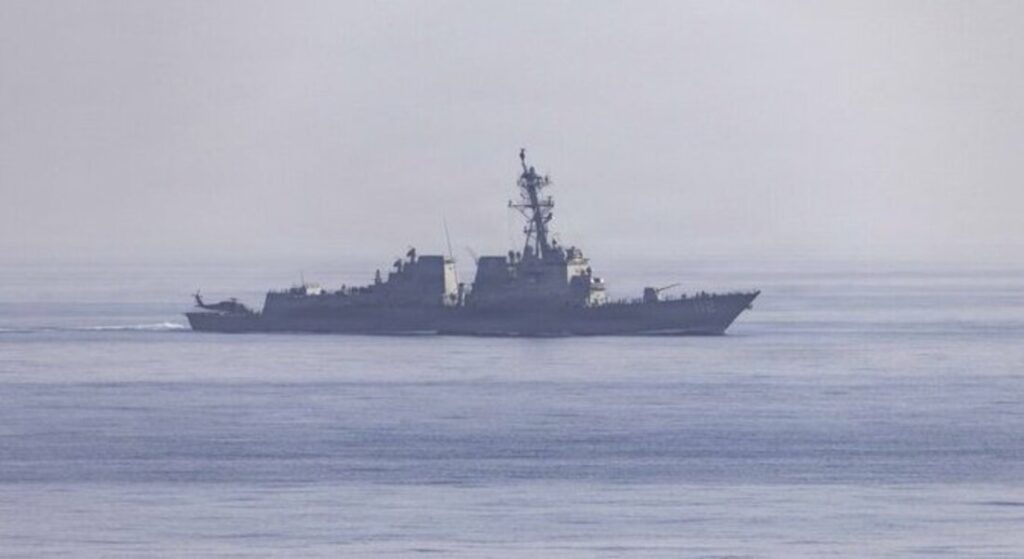
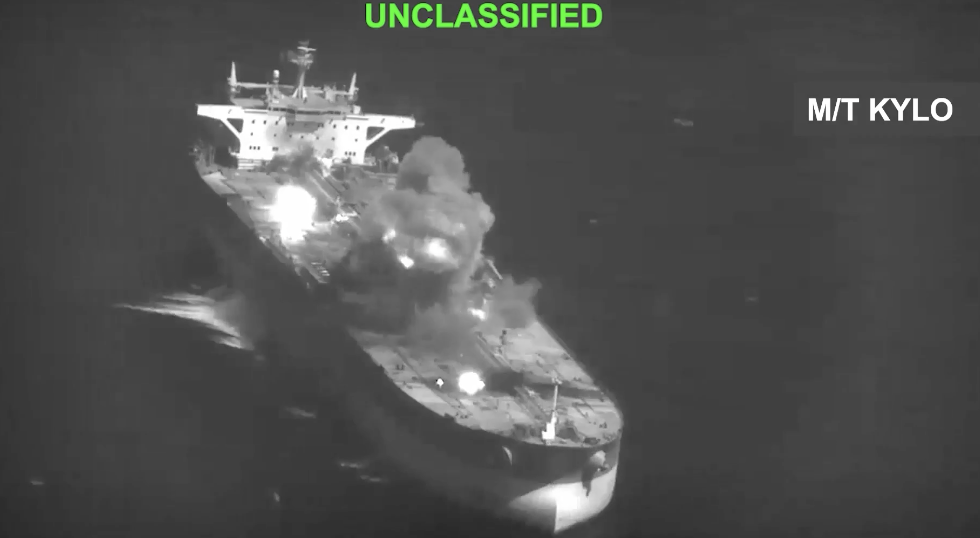
Trump announced that a cargo vessel linked to Iran had been seized after attempting to breach a US-enforced naval blockade near the Strait of Hormuz. He said the ship was now under US custody and authorities were examining its contents.
Iran’s military, however, stated that the vessel had been travelling from China and accused the US of violating a fragile ceasefire. A military spokesperson, quoted by state media, warned that Iran’s armed forces would respond and retaliate against what was described as an act of armed piracy by the US military.
The incident has raised concerns that the already fragile ceasefire could collapse before negotiations resume, guardian.com reported. The US had earlier indicated that a delegation would travel to Islamabad on Monday for a potential new round of talks aimed at ending the ongoing conflict involving US and Israeli forces in Iran. However, Iran’s refusal to participate appears to have cast uncertainty over the planned discussions.
The US delegation to Islamabad is expected to be led by Vice President JD Vance, along with special envoy Steve Witkoff and Jared Kushner. The diplomatic push comes amid rising tensions after Iran reimposed strict controls on commercial shipping through the Strait of Hormuz, reversing an earlier agreement to reopen the crucial waterway. The move followed Washington’s refusal to lift its naval blockade.
Iran, through its official news agency IRNA, indicated that its decision to skip the next round of talks was due to what it described as excessive demands, unrealistic expectations, shifting positions, repeated contradictions by Washington, and the continued naval blockade, which Tehran considers a violation of the ceasefire.
The conflict, now in its eighth week, has resulted in thousands of deaths in Iran and Lebanon and triggered a surge in global oil prices due to disruptions in the Strait of Hormuz.
In a televised interview, Iran’s parliament Speaker Mohammad Bagher Qalibaf said there would be no retreat in diplomacy, while acknowledging that significant differences remain between the two sides.
Trump, meanwhile, described the proposed talks in Islamabad as a final opportunity for Iran to reach an agreement. He warned that failure to sign a deal could lead to severe consequences, including targeted strikes on critical infrastructure such as power plants and bridges. He maintained that the US proposal – centred on reopening the Strait of Hormuz and ensuring Iran does not possess enriched uranium – was fair and reasonable, while reiterating that Washington would take decisive action if Tehran refused to accept the terms.