
Ceasefire deadline nears as ship seizure, blockade tensions and backchannel diplomacy shape uncertain prospects for fresh US-Iran negotiations in Islamabad
Iran is “positively reviewing” participation in a fresh round of talks with the United States, even as uncertainty persists over whether negotiations in Islamabad will proceed amid escalating tensions and ceasefire violations.
A senior Iranian official indicated that Tehran has not taken a final decision on joining the proposed talks, despite earlier statements ruling out a new round of negotiations ahead of the expiry of the current ceasefire on Wednesday. The mixed signals come at a critical juncture as diplomatic efforts intensify to prevent further escalation.
Iranian President Masoud Pezeshkian underscored Tehran’s deep mistrust of the United States, saying meaningful dialogue can only be built on adherence to commitments. In remarks posted on X, he criticised what he described as “unconstructive and contradictory” signals from US officials, suggesting they reflected an expectation of Iran’s surrender. Emphasising Iran’s position, he asserted that the country would not bow to coercion, highlighting the underlying tensions shaping the prospects of renewed negotiations.
Just In : Iran’s Foreign Ministry spokesman Esmail Baghaei stated that Tehran currently has no plans to engage in the next round of negotiations with the United States in Pakistan. A conspiracy is being hatched against us under the guise of peace talks. pic.twitter.com/pVnIIumZ4v
— Baba Banaras™ (@RealBababanaras) April 20, 2026
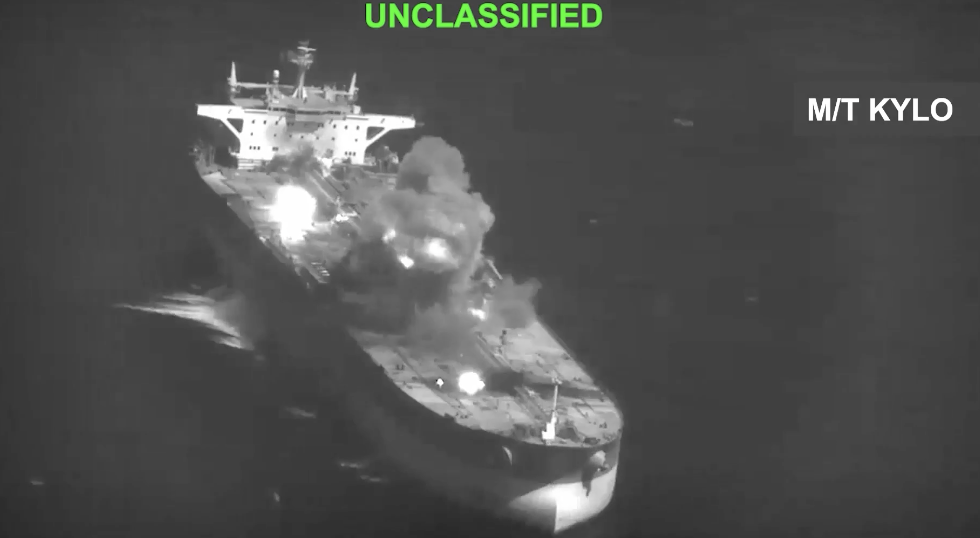
Iran’s foreign ministry spokesperson Esmaeil Baghaei accused the United States of undermining the ceasefire through actions including the naval blockade of Iranian ports, the reported attack on an Iranian cargo vessel, and delays in implementing a truce in Lebanon. Tehran has described the seizure of its container ship in the Gulf of Oman as “piracy,” further complicating the diplomatic environment.
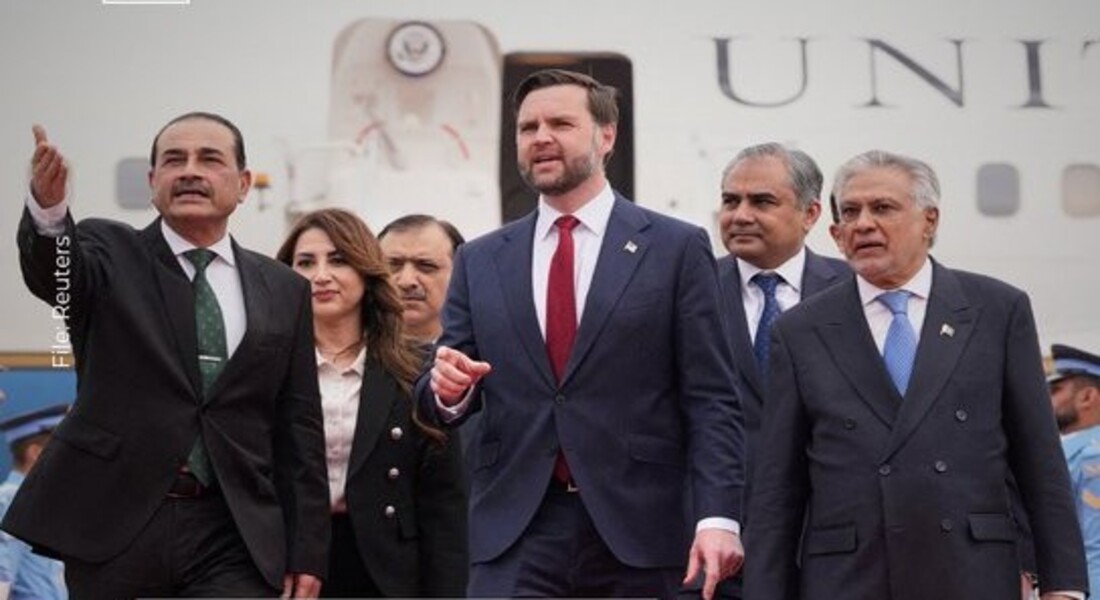
Despite these tensions, the United States is pressing ahead with its diplomatic outreach. Vice President JD Vance, along with envoy Steve Witkoff and senior adviser Jared Kushner, is expected to arrive in Islamabad for a second round of negotiations aimed at extending the fragile ceasefire. President Donald Trump has said the talks are expected to proceed, adding that the US delegation is already en route.
Accordig to Al jazeera, preparations for the high-stakes engagement appear to be underway, with multiple US government aircraft reportedly landing at a Pakistani airbase in Rawalpindi over the past two days to support logistics and security arrangements ahead of the delegation’s arrival.
Pakistan, which is mediating the talks, has expressed cautious optimism about the process. Officials have been in contact with both US and Iranian representatives, while security arrangements are being put in place to facilitate the negotiations. Diplomatic sources indicate that momentum built during earlier discussions has not entirely dissipated, despite the lack of a formal agreement.
At the same time, backchannel engagement continues, with Iran’s Foreign Minister Abbas Araghchi reportedly holding discussions with his Pakistani counterpart Ishaq Dar amid the uncertainty surrounding the talks.
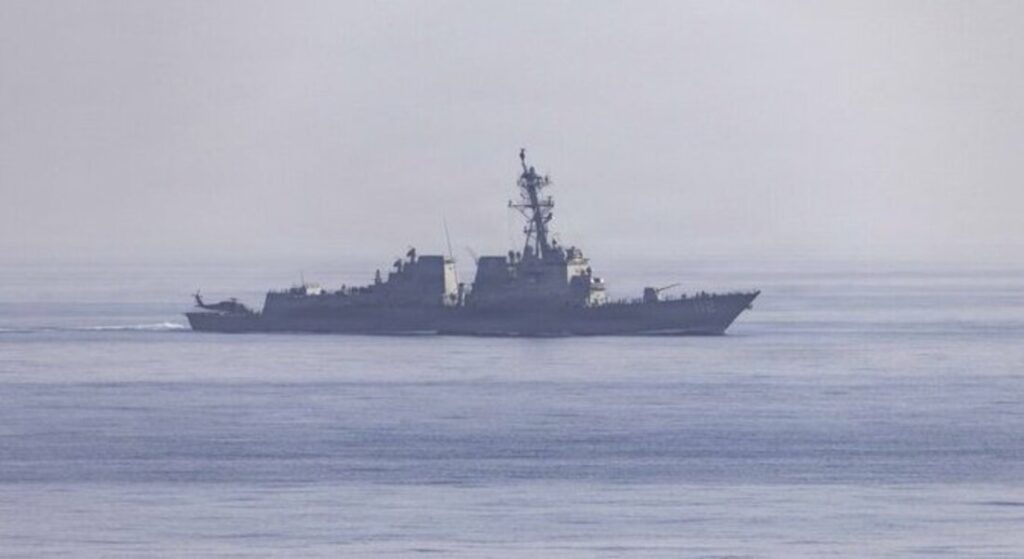
The diplomatic push comes against the backdrop of continued military escalation. The US Navy’s interception of an Iranian-flagged container ship in the Gulf of Oman and ongoing maritime tensions in the Strait of Hormuz have raised concerns that operational developments could derail negotiations.
With the ceasefire deadline approaching, both sides appear to be navigating a delicate balance between pressure and diplomacy. While Washington signals readiness to negotiate and Tehran indicates conditional openness, the outcome of the proposed talks remains uncertain.