
A US envoy has said Washington could launch fresh military strikes against Iran within days, as Israel renews calls for regime change and eight countries urge restraint and a diplomatic solution.
The United States could launch fresh strikes against Iran as early as this weekend, US Ambassador to Türkiye Tom Barrack has said, amid escalating rhetoric from Washington and Israel and growing international concern over a wider regional conflict.
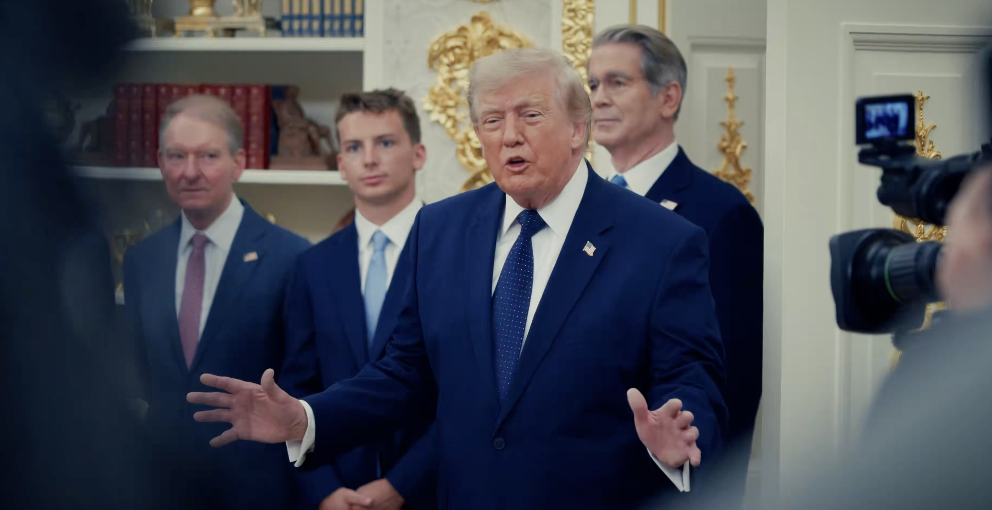
Speaking to podcast host Mario Nawfal during a visit to the Gulf on Friday, Barrack said a military strike remained a possibility but stressed that US President Donald Trump was still open to a negotiated settlement. He said Washington had been engaged in diplomatic efforts for months and that the president remained accessible to a deal.
According to the Arab News, Barrack said the United States could “absolutely” strike Iran over the weekend, while making clear that the objective would not be regime change. He said Trump was not interested in overthrowing Iran’s government and questioned what political arrangement would follow such an outcome, warning that the consequences of regime change needed to be considered.
The remarks come as Israeli Prime Minister Benjamin Netanyahu has repeatedly declared that removing Iran’s leadership is a central objective. Netanyahu, who faces national elections next week, reiterated his position after discussions with Trump and a visit to Israel by US Defence Secretary Pete Hegseth. However, there has been no clear indication that Washington has agreed to support a new Israeli offensive aimed at overthrowing the Iranian government.
While Israeli forces can inflict substantial damage on Iran, experts say air strikes are unlikely to bring down its government without a clear strategy for translating battlefield gains into political change. A ground invasion would require a significantly greater military commitment.
Iran has already endured two major rounds of attacks and retains the capacity to retaliate against Israel and Gulf countries hosting US military assets. Uncertainty over Washington’s willingness to undertake another sustained military campaign has added to concerns about the potential consequences of renewed hostilities.
Meanwhile, foreign ministers from eight countries have urged the United States and other parties to avoid further military escalation. Ministers from the United Kingdom, France, Germany, Türkiye, Saudi Arabia, Pakistan and Egypt met in Istanbul on Friday, alongside Italy, to discuss regional developments, including the Strait of Hormuz.
According to Al Jazeera, Turkish Foreign Minister Hakan Fidan said none of the participating countries supported another military intervention or attack on Iran. He warned that further military action would intensify tensions and widen the conflict, arguing that diplomacy and dialogue offered the way forward.
French Foreign Minister Jean-Noël Barrot warned that a fresh confrontation between Iran and the United States would have serious consequences, particularly for hydrocarbon prices. He said the group would call on both sides to exercise maximum restraint to prevent another escalation.
Italy’s Foreign Minister Antonio Tajani said the discussions aimed to promote de-escalation and safeguard freedom of navigation through the Strait of Hormuz. He argued that the crisis could not be resolved through military means alone and called for dialogue to help restore access to the strategic waterway.
The diplomatic warnings underline growing regional concern that renewed US or Israeli attacks could trigger retaliation, disrupt energy markets and deepen instability across the Middle East. While the possibility of an imminent strike remains open, Washington’s stated willingness to pursue a deal leaves the immediate direction of the crisis uncertain.