At IndiaVerve, we go beyond the noise to bring you meaningful stories of change, resilience and progress—from India to the world stage. Our mission is to bring readers credible, wide-ranging coverage across politics, business, sports, culture, society and more.

MP Sarangi meets Qatar deputy speaker in Doha

Doha: MP Aparajita Sarangi, who represented India at the 298th Session of the Executive Committee Meeting of the Inter-Parliamentary Union (IPU) in Doha, held a one-to-one meeting with Dr. Hamda bint Hassan Al Sulaiti, Deputy Speaker of the Shura Council of the State of Qatar, on Thursday.

According to the Indian Embassy, the discussion covered the historic and strategic relations between India and Qatar, including parliamentary exchanges. Sarangi also congratulated Dr. Al Sulaiti on Qatar successfully hosting the Meeting. The meeting further touched on the historical, cultural, and commercial ties between the two nations, along with issues relating to the Inter-Parliamentary Union, according to an Embassy post on X.

Earlier during the opening Session on Tuesday, Sarangi spoke on matters concerning democracy and human rights.

The MP from Odisha also addressed subjects linked to peace and security on behalf of the Asia-Pacific Geopolitical Group in her capacity as Vice-President of the Committee.

Hosted by the Shura Council, the IPU Executive Committee brings together MPs from around the world and is focused on topics such as global geopolitical tensions, conflict prevention, a new IPU strategy, and reform of the IPU Middle East Committee.

Bhubaneswar airport hits all-time high with 5.15 million passengers in 2025

Bhubaneswar: The Biju Patnaik International Airport (BPIA) has achieved a major milestone by recording its highest-ever annual passenger traffic in 2025, underscoring Odisha’s growing footprint in India’s aviation map.

A total of around 5.15 million passengers travelled through the airport during the year, the highest since the airport became operational, said Bhubaneswar Airport Director Prasanna Pradhan. The sharp rise in footfall has propelled BPIA to the 13th position nationwide in terms of total passenger movement, marking a notable jump from its earlier rankings.

At the national level, Delhi airport continues to dominate with approximately 70 million passengers, retaining its position as the busiest airport in the country.

Officials said Bhubaneswar Airport currently connects to 28 domestic and international destinations, significantly improving air connectivity and convenience for travellers from across Odisha.

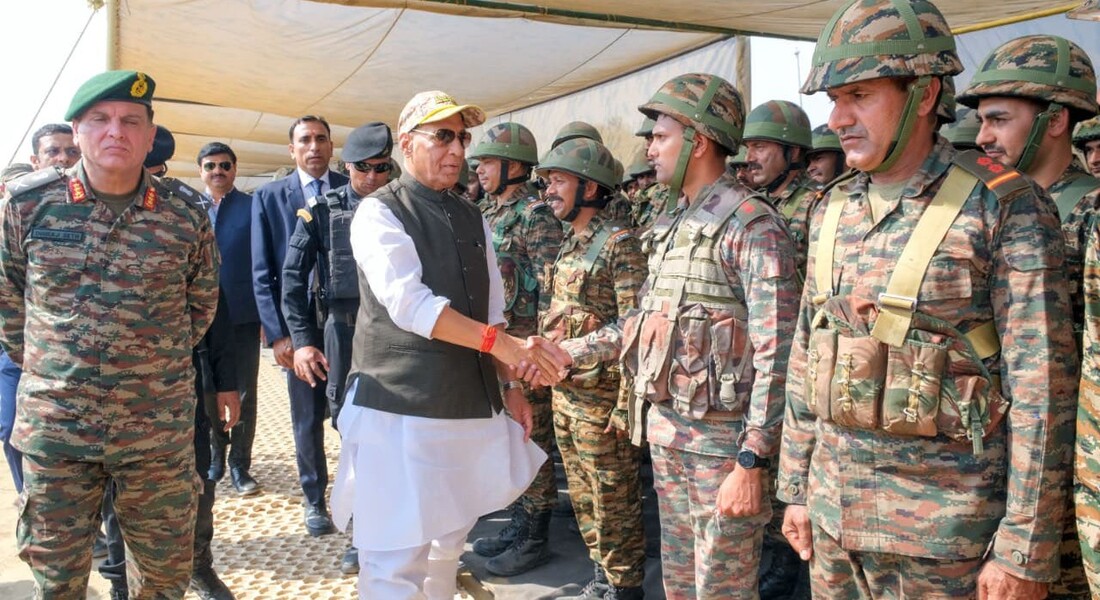
Army Day: Nation salutes courage, sacrifice of soldiers

New Delhi: India marked Army Day on Thursday with tributes pouring in for the men and women in uniform who safeguard the country’s sovereignty, as Defence Minister Rajnath Singh and Prime Minister Narendra Modi honoured the Indian Army’s courage, discipline and selfless service.

In a message on the occasion, Rajnath Singh said the nation salutes the Army’s indomitable courage, supreme sacrifice and unwavering commitment to protecting India’s unity and integrity. He noted that the force, ever vigilant on the borders and steadfast during crises, has earned global respect through its professionalism, discipline and humanitarian role. The Defence Minister reaffirmed the government’s resolve to build a modern, Aatmanirbhar and future-ready Army.

Prime Minister Narendra Modi also extended greetings to soldiers and their families, describing the Army as a symbol of selfless service and steadfast resolve under the most challenging conditions. He said the soldiers’ sense of duty inspires confidence and gratitude across the country and remembered with deep respect those who laid down their lives in the line of duty.

“On Army Day, we salute the courage and resolute commitment of the Indian Army. Our soldiers stand as a symbol of selfless service, safeguarding the nation with steadfast resolve, at times under the most challenging conditions. Their sense of duty inspires confidence and gratitude across the country. We remember with deep respect those who have laid down their lives in the line of duty,” he wrote.

Observed every year on January 15, Army Day commemorates the day in 1949 when General K.M. Cariappa became the first Indian Commander-in-Chief of the Indian Army. The occasion serves as a reminder of the force’s enduring role in defending the nation and responding to crises at home and abroad.

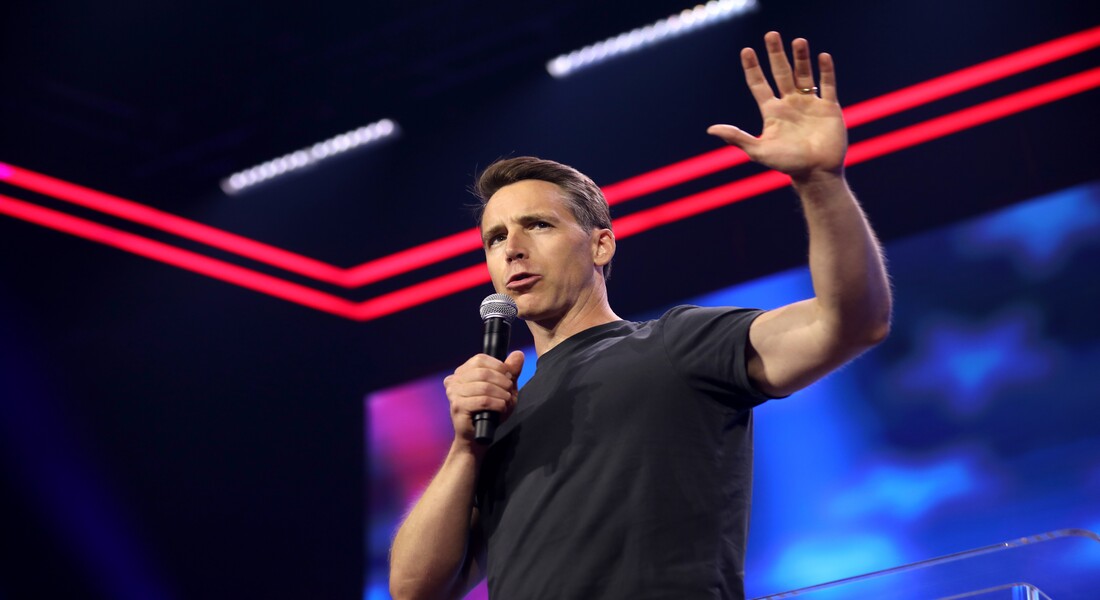
Senator’s ‘can men get pregnant’ query sparks tense exchange at US abortion hearing

Washington: A dramatic moment unfolded on Wednesday during a US Senate hearing on abortion medication when Republican Senator Josh Hawley repeatedly asked an Indian-American doctor whether men can get pregnant, sparking a sharp exchange that captured nationwide attention and highlighted deep divides over gender and reproductive health.

The session, held before the Senate Health, Education, Labor, and Pensions Committee, focused on the safety and regulation of medication abortion drugs such as mifepristone. Doctors, advocates, and lawmakers had gathered to discuss scientific evidence and policy, but the discussion took an unexpected turn when the senator directly questioned the medical expert on gender and pregnancy, according to C-SPAN, an American cable and satellite television network.

Dr Nisha Verma, an obstetrician-gynecologist and senior adviser with extensive experience in reproductive health, was invited to testify by Democratic lawmakers. She spoke to the committee about her clinical experience, emphasizing that abortion medications have been studied for years and are used safely by millions of women in the US.

The exchange began when Senator Hawley insisted that establishing clear biological facts was essential to the conversation. He asked Dr Verma, “Can men get pregnant?”

Taken aback, Dr Verma responded that she was uncertain about the purpose of the question and declined to provide a simple yes or no answer. She emphasized that as a clinician, she treats patients of various gender identities and that her focus is on delivering respectful, evidence-based care.

Senator Hawley pressed further, stating that the question was rooted in biological realities, not political ideology. He asserted that it is women who become pregnant and that acknowledging biological sex distinctions is critical to scientific clarity. The tension in the room grew as Dr Verma reiterated her medical perspective, while also voicing concern that framing the discussion in this way could alienate individuals who don’t fit traditional gender categories, according to a video posted on C-SPAN’s X account.

The interaction quickly drew media and public attention, illustrating how issues of gender identity have become deeply entwined with debates over reproductive rights and healthcare policy.

NHAI rolls out real-time cattle alerts on highways to curb accidents

New Delhi: The National Highways Authority of India (NHAI) has launched a pilot initiative to provide real-time safety alerts to motorists on select highway stretches prone to stray cattle movement, in a bid to reduce accidents, especially during foggy and low-visibility conditions.

The pilot is being implemented on the Jaipur–Agra and Jaipur–Rewari corridors, which have been identified as high-risk zones for sudden cattle crossings. Under the project, commuters will receive location-based warnings around 10 kilometres before entering such stretches, giving them time to slow down and take precautions.

According to an official release, the alerts will be delivered through a Flash SMS in Hindi, followed by a voice message carrying the same advisory: “आगे आवारा पशु ग्रस्त क्षेत्र है। कृपया धीरे और सावधानी से चलें।” To avoid alert fatigue, the system will ensure that the same user does not receive repeat warnings within a 30-minute window.

The initiative leverages telecom technology to deliver timely, targeted advisories based on mapped cattle-prone zones identified through accident data and field inputs. Reliance Jio has upgraded its platform to enable nationwide delivery of these alerts as part of the pilot.

NHAI will assess the outcomes of the trial before considering its expansion to other vulnerable highway stretches across the country, as part of broader efforts to enhance road safety and improve the driving experience on National Highways.

India’s democracy draws strength from diversity, says PM at Commonwealth Speakers’ meet

New Delhi: Prime Minister Narendra Modi on Thursday inaugurated the 28th Conference of Speakers and Presiding Officers of the Commonwealth at the Central Hall of Samvidhan Sadan in New Delhi, asserting that India has transformed its immense diversity into the greatest strength of its democratic system.

Addressing delegates from across the Commonwealth, Modi highlighted the unique role of Speakers in parliamentary democracies, describing them as guardians of dialogue who ensure every voice is heard with patience and fairness. He recalled that the historic Central Hall, now renamed Samvidhan Sadan, had witnessed the framing of India’s Constitution and decades of parliamentary debates that shaped the nation.

According to an official release, the Prime Minister said India had disproved early doubts about democracy surviving in a country of such diversity, showing instead that democratic institutions deliver stability, speed and scale. He underlined that in India, democracy translates into last-mile delivery, ensuring that development reaches every citizen without discrimination.

https://twitter.com/narendramodi/status/2011675155614089421?ref_src=twsrc%5Etfw%7Ctwcamp%5Etweetembed%7Ctwterm%5E2011675155614089421%7Ctwgr%5E675b8d59449e7ae1c278489a5647d0869d10517a%7Ctwcon%5Es1_c10&ref_url=https%3A%2F%2Fpublish.twitter.com%2F%3Furl%3Dhttps%3A%2F%2Ftwitter.com%2Fnarendramodi%2Fstatus%2F2011675155614089421

Modi said India’s democratic ethos had helped lift nearly 25 crore people out of poverty and enabled the country to respond to crises such as the COVID-19 pandemic while supporting other nations. He noted that India today represents the largest democratic exercise in human history, with nearly 980 million registered voters and record participation by women.

Describing India’s democracy as a large tree supported by deep roots, the Prime Minister traced the nation’s tradition of debate and collective decision-making to ancient texts and historical assemblies. He said India’s democratic values have been refined over centuries and strengthened across generations.

Highlighting India’s global role, Modi said the country continues to amplify the voice of the Global South on international platforms, including during its G20 Presidency. He added that India is sharing its digital and governance innovations with partner nations to build inclusive and open systems.

The three-day conference brings together Speakers and Presiding Officers from over 40 Commonwealth countries to deliberate on strengthening parliamentary institutions, the use of technology in legislatures, and ways to deepen public engagement with democracy.

Udayagiri hosts Guru Padmasambhava prayer, Buddhist meet

Udayagiri: The second Guru Padmasambhava Prayer Ceremony and International Buddhist Conference was held at the Udayagiri Buddhist Complex in Jajpur district on Wednesday, offering a platform that brought together scholars, monks, and cultural leaders from across Asia.

Speaking at the event, Deputy Chief Minister Pravati Parida highlighted the State government’s vision for a comprehensive, long-term development plan for major Buddhist sites. The strategy goes beyond conservation, placing equal focus on infrastructure, research, tourism, and community participation alongside heritage protection.

“Not only heritage conservation, but our government is also emphasizing spiritual perspectives, infrastructure development, research, and community participation. This conference commemorates the remarkable role of Guru Padmasambhava in the propagation and dissemination of Buddhism across the entire Asia,” Parida noted.

The gathering paid tribute to Guru Padmasambhava, whose influence shaped the spread of Buddhism across Asia. Organisers described the event as a moment to reflect on his enduring legacy – spiritual, cultural, and scholarly.

The event underscored Odisha’s growing role as a centre for Buddhist learning. With more than 1,200 monks, scholars, and researchers arriving from around the world, the State government arranged accommodation and support for all delegates, Parida said in a post on X.

Senior dignitaries attended the ceremony, including Suryabanshi Suraj, Minister for Higher Education, Sports and Youth Services, and Odia Language, Literature and Culture, along with Amar Kumar Nayak, MLA from Barchana. Also present were Tourism Director Deepankar Mahapatra, Jajpur District Collector Ambar Kumar Kar, Jigme Rinpoche, KG Dorjee Rinpoche, Dr. Wangmo Dixey, Dr. Richard Dixey, Professor Purnachandra Mallik (LBDFA Odisha), Dr. Subrata Kumar Prusty, Prabir Kumar Pattnayak, and other distinguished representatives from India and abroad.

Officials said Odisha’s plans aim to strengthen the Buddhist circuit at sites such as Udayagiri, Ratnagiri, and Lalitgiri – locations that together form one of India’s oldest monastic clusters. The State believes integrated development can help transform the region into a global destination for spiritual tourism, academic study, and cultural exchange.

Attending delegates also toured facilities set up by the government for participants, reflecting Odisha’s commitment to preserving heritage and enabling greater public engagement in the state’s Buddhist legacy.

India advises nationals in Iran to leave amid rising tensions

Tehran: The Embassy of India in Tehran has issued a fresh advisory urging all Indian nationals currently in Iran to leave the country at the earliest, citing the evolving security situation. The notice, dated January 14, follows an earlier government advisory issued on January 5, and applies to students, pilgrims, tourists, and business travelers.

According to the embassy, Indians in Iran are advised to exit using any available mode of travel, including commercial flights. At the same time, those who remain have been asked to take heightened precautions.

The advisory reiterates that Indian citizens and Persons of Indian Origin should steer clear of protest sites and public demonstrations, stay in regular contact with the embassy, and closely follow updates through local media.

All travellers have been reminded to keep passports, identification papers, and other immigration documents easily accessible. The embassy has encouraged nationals to get in touch for support if needed. Emergency helplines have been activated to assist those requiring help.

Mobile contact numbers shared by the mission include: +98 912 810 9115, +98 912 810 9109, +98 912 810 9102, +98 993 217 9359

Email assistance is available at cons.tehran@mea.gov.in

The embassy also stressed registration requirements. Indians in Iran who have not yet registered with the mission have been asked to complete the process online through the Ministry of External Affairs portal. Families in India can complete the registration on behalf of relatives if internet access issues arise in Iran. The advisory concludes by urging citizens to remain alert and maintain communication with Indian authorities as conditions continue to develop.

Meanwhile, the death toll from the ongoing unrest in Iran has continued to rise, with human rights groups warning that thousands have been killed since demonstrations erupted and cautioning that detainees could face imminent execution. Activists say more than 2,600 people have lost their lives as security forces intensify efforts to quell the protests.

The scale of casualties now exceeds fatalities recorded in Iran during any period of public unrest in recent decades, underscoring the severity of the current crackdown, according to reports.

International attention to the crisis is accelerating. The UN Security Council is preparing to convene later this week for discussions focused on Iran’s internal situation and the global repercussions of the deteriorating human rights climate.

The US has begun repositioning some of its personnel stationed across the Middle East. The move follows warnings from Tehran that American military bases in the region could be targeted if Washington responds directly to developments inside Iran.

With mounting casualties, rising political tension, and fears of further executions, concern continues to grow that the crisis could escalate both within Iran and beyond its borders.

FIDE global conference kicks off at KIIT

Bhubaneswar: The FIDE Global Conference on Chess in Society and Education opened at Kalinga Institute of Industrial Technology (KIIT) University in Bhubaneswar on Wednesday, drawing together educators, researchers, development specialists, and chess administrators for a three-day programme that launches the FIDE Year of Chess in Education.

The opening session underscored the role of the KIIT as both host and an established hub for chess development. KIIT has become one of India’s leading chess institutions, having staged international tournaments for more than 18 years. The latest edition carried a prize purse of Rs1.30 crore, while the university has produced 46 international players and organised over 30 global events, including World Junior Championships. Chess is also woven into KIIT’s wider education model, reflecting its belief in the game as a learning tool.

A ceremonial lamp-lighting formally inaugurated the conference, followed by opening remarks from senior figures including Dana Reizniece of the FIDE Management Board, FIDE Deputy President Viswanathan Anand, KIIT founder Achyuta Samanta, Social Chess Commission chair André Vögtlin, Grandmaster Abhijit Kunte, and IndianOil’s Mukesh Ranjan Das.

Speakers framed the discussions around two core themes: chess as a driver of social inclusion and measurable community benefit, and chess as a structured support for learning outcomes.

Vögtlin outlined milestones from the FIDE Social Chess Year in 2025 and previewed plans for the year ahead, including a calendar of themed initiatives and the “Every Move Counts” online tournament run with Lichess.org, which attracted 20,078 participants globally.

Reizniece set the tone by reflecting on education beyond the classroom, according to FIDE .

Anand stressed that the purpose of introducing chess in schools goes beyond producing competitive players.

He cited focus, discipline, and decision-making as skills that travel well beyond the 64 squares.

Neuroscientist Dr Cristóbal Blanco Acevedo then explored how the brain responds to chess.

He explained that chess stimulates several cognitive regions at once, from memory and calculation to emotional regulation, though he cautioned that not all brain training carries over to real-world performance.

The day’s discussions opened a conference aimed at showcasing how chess can support learning, community development, and lifelong skills – far beyond competitive play.

Badminton: Sindhu crashes out of India Open

New Delhi: P V Sindhu’s India Open campaign came to an early halt on Wednesday, but Kidambi Srikanth and H S Prannoy ensured India ended the day with reasons to cheer at the Super 750 event in New Delhi.

Sindhu, buoyed by a semifinal finish at the Malaysia Super 1000 last week, started strongly against Vietnam’s Thuy Linh Nguyen and claimed the opening game. But the momentum slipped as Nguyen controlled the rallies in the final two games to register a 20-22, 21-12, 21-15 upset in a 68-minute contest.

Former world number one Kidambi Srikanth survived a stern challenge from compatriot Tharun Mannepalli, fighting back from a game down to prevail 15-21, 21-6, 21-19. His experience proved telling in the closing stages of the decider.

Malvika Bansod, returning from injury, also impressed with her control and composure, defeating Pai Yu Po of Chinese Taipei 21-18, 21-19.

Prannoy, a late entrant into the draw, capitalised fully on his opportunity. The veteran got the better of last year’s finalist Lee Cheuk Yiu 22-20, 21-18 to move into round two, where eighth seed and former world champion Loh Kean Yew awaits.

In another notable performance, junior world silver medallist Tanvi Sharma showed her promise before going down 20-22, 21-18, 13-21 against world number two Wang Zhi Yi.

India enjoyed success in women’s doubles as Treesa Jolly and Gayatri Gopichand eased past Thailand’s Ornnicha Jongsathapornparn and Sukitta Suwachai 21-15, 21-11. The in-form pair, recently crowned Syed Modi champions, next face seventh-seeded Chinese duo Li Yi Jing and Luo Xu Min.

Mixed doubles proved a tougher outing for the hosts, with three Indian pairs bowing out. Dhruv Kapila and Tanisha Crasto fell 15-21, 14-21 to Thailand’s Teeraratsakul and Sapsiree Taerattanachai, while Rohan Kapoor and Ruthvika Shivani Gadde lost 19-21, 14-21 to Germany’s Marvin Seidel and Thuc Phuong Nguyen.

With Sindhu out, the focus now shifts to Srikanth, Prannoy and the Jolly-Gopichand combination as India aims to maintain its presence through the latter stages of the tournament.

Meanwhile, World No. 3 Anders Antonsen has pulled out of the India Open 2026, delivering a major setback to the tournament after raising concerns over New Delhi’s worsening air quality. The Danish ace, who was expected to be one of the top contenders, chose to withdraw ahead of his opening match, pointing to unsafe pollution levels in the capital.

This is now the third year in a row that Antonsen has opted out of the Super 750 event due to environmental conditions, reigniting discussions about whether Delhi is suitable to host major sporting competitions during peak winter smog.