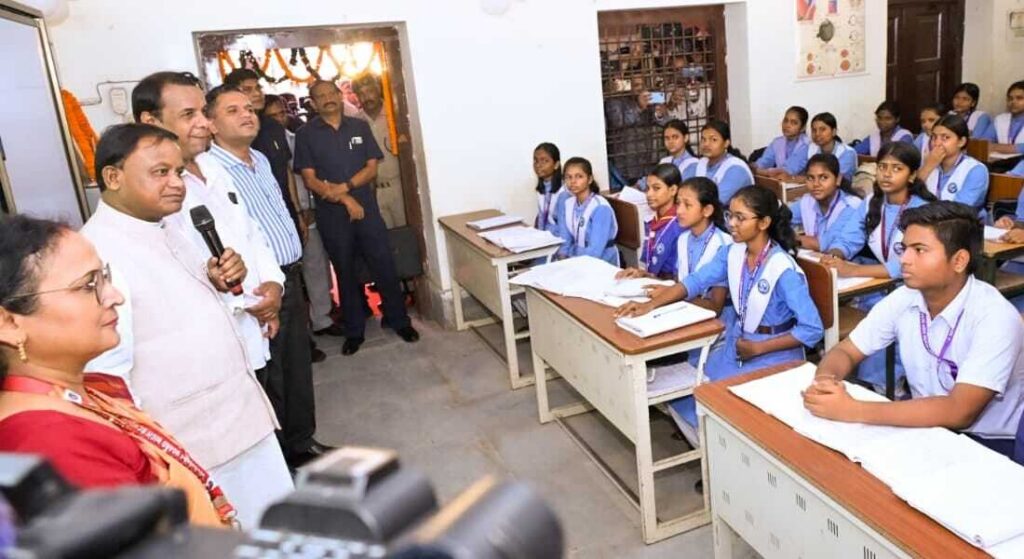
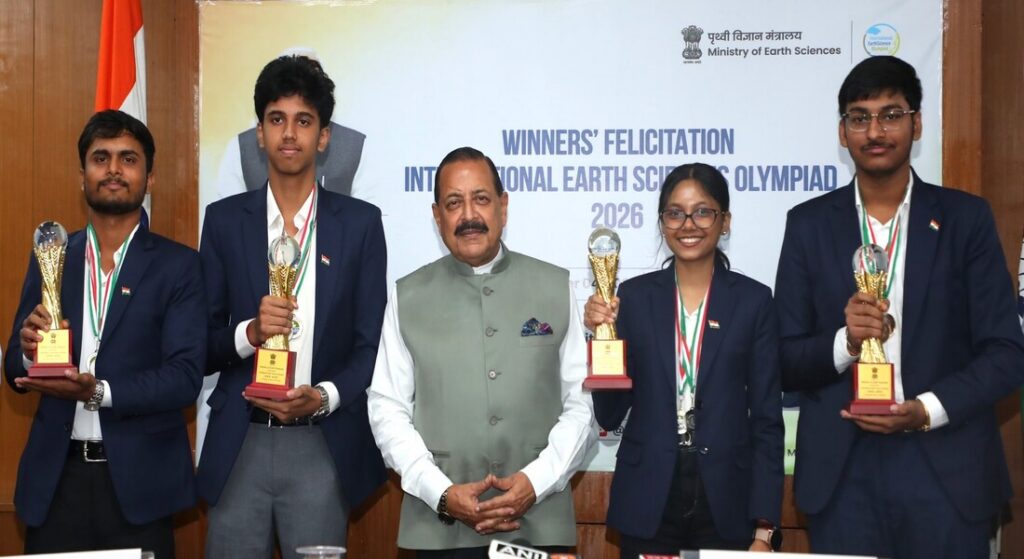
Bhubaneswar: The FIDE Global Conference on Chess in Society and Education opened at Kalinga Institute of Industrial Technology (KIIT) University in Bhubaneswar on Wednesday, drawing together educators, researchers, development specialists, and chess administrators for a three-day programme that launches the FIDE Year of Chess in Education.
The opening session underscored the role of the KIIT as both host and an established hub for chess development. KIIT has become one of India’s leading chess institutions, having staged international tournaments for more than 18 years. The latest edition carried a prize purse of Rs1.30 crore, while the university has produced 46 international players and organised over 30 global events, including World Junior Championships. Chess is also woven into KIIT’s wider education model, reflecting its belief in the game as a learning tool.
A ceremonial lamp-lighting formally inaugurated the conference, followed by opening remarks from senior figures including Dana Reizniece of the FIDE Management Board, FIDE Deputy President Viswanathan Anand, KIIT founder Achyuta Samanta, Social Chess Commission chair André Vögtlin, Grandmaster Abhijit Kunte, and IndianOil’s Mukesh Ranjan Das.
Speakers framed the discussions around two core themes: chess as a driver of social inclusion and measurable community benefit, and chess as a structured support for learning outcomes.
Vögtlin outlined milestones from the FIDE Social Chess Year in 2025 and previewed plans for the year ahead, including a calendar of themed initiatives and the “Every Move Counts” online tournament run with Lichess.org, which attracted 20,078 participants globally.
Reizniece set the tone by reflecting on education beyond the classroom, according to FIDE .
Anand stressed that the purpose of introducing chess in schools goes beyond producing competitive players.
He cited focus, discipline, and decision-making as skills that travel well beyond the 64 squares.
Neuroscientist Dr Cristóbal Blanco Acevedo then explored how the brain responds to chess.
He explained that chess stimulates several cognitive regions at once, from memory and calculation to emotional regulation, though he cautioned that not all brain training carries over to real-world performance.
The day’s discussions opened a conference aimed at showcasing how chess can support learning, community development, and lifelong skills – far beyond competitive play.