At IndiaVerve, we go beyond the noise to bring you meaningful stories of change, resilience and progress—from India to the world stage. Our mission is to bring readers credible, wide-ranging coverage across politics, business, sports, culture, society and more.

Government suspends four officials after SCB hospital fire kills 12

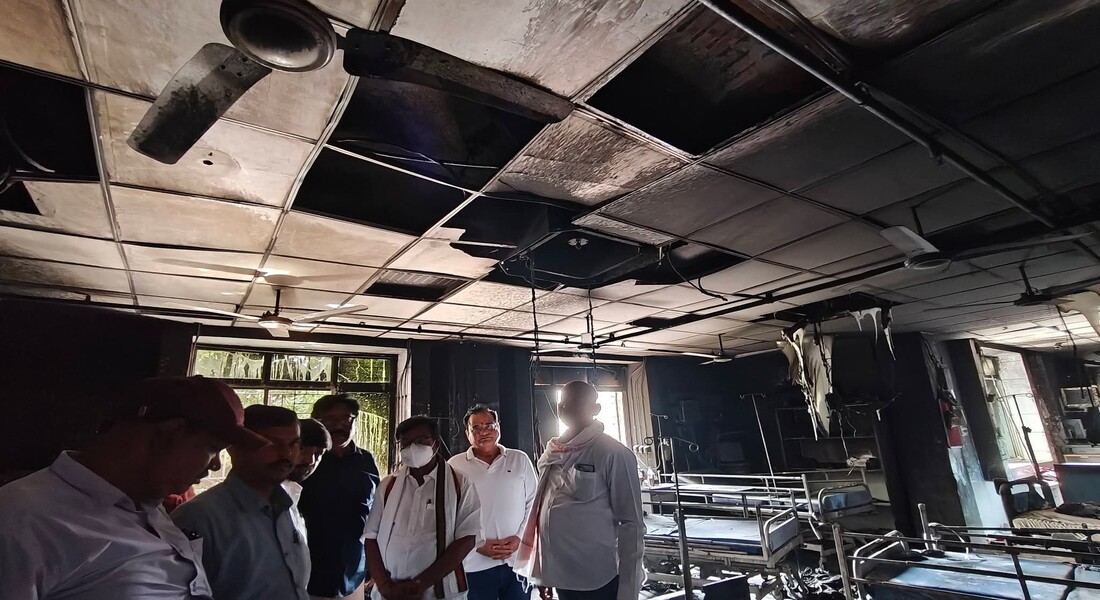
Bhubaneswar: Adopting a tough stance, Chief Minister Mohan Charan Majhi on Wednesday suspended four junior officials following the major fire at the trauma care ICU of SCB Medical College and Hospital in Cuttack, which claimed 12 lives.

According to a government release, the suspended officials include Prakash Kumar Jena, Deputy Fire Officer; Sanjeeb Kumar Behera, Assistant Fire Officer of the Cuttack circle; Abhinab Prusty, Station Officer at SCB Medical College; and Ranjan Kumar Biswal, Assistant Executive Engineer of the General Electrical Division, SCB.

On March 16, a major fire broke out in the ICU of the trauma care centre at SCB Medical College and Hospital in the early hours. At the time of the incident, 23 patients were receiving treatment in the ICU.

Twelve patients lost their lives in the tragedy. Preliminary reports indicated a possible short circuit as the cause of the fire.

Meanwhile, the Opposition Biju Janata Dal blamed the BJP-led administration for the incident.

Addressing a press conference at Sankha Bhawan, Senior Vice President and former Health Minister Debi Prasad Mishra and Vice President and former Health Minister Atanu Sabyasachi Nayak said that the health minister should resign on moral grounds.

They alleged that despite directives from the State High Court, the government failed to implement adequate fire safety measures.

Odisha budget prioritises rural development with record outlay

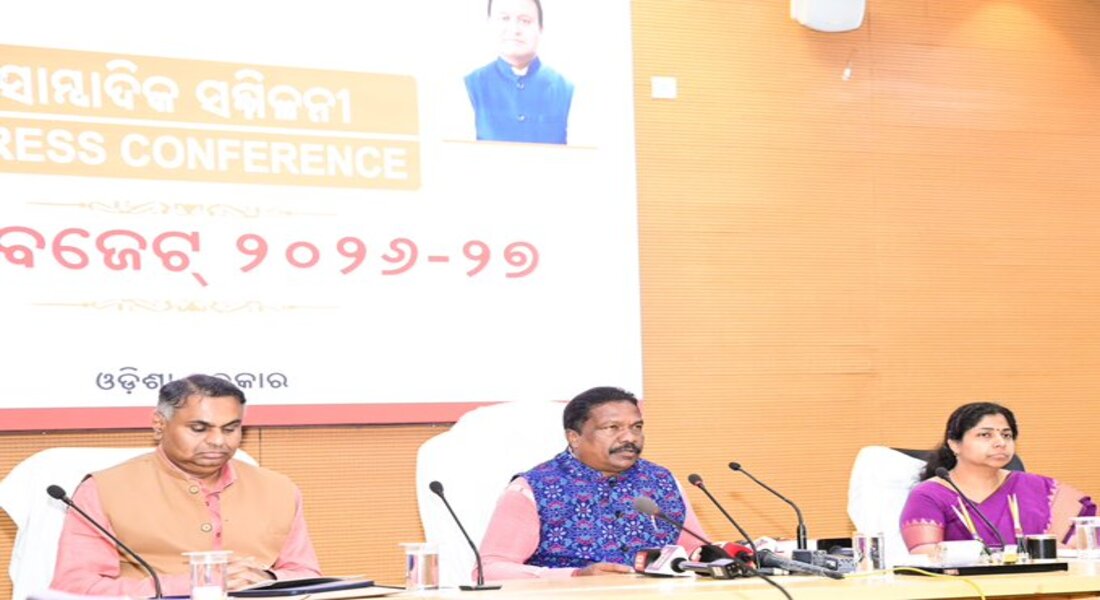
Bhubaneswar: The Odisha government has placed strong emphasis on rural development in its 2026–27 budget, allocating over Rs 44,000 crore to strengthen village infrastructure, drinking water access, and livelihood opportunities across the state.

Briefing the media, Panchayati Raj, Drinking Water and Rural Development Minister Ravi Narayan Naik today said Rs 34,104.06 crore has been earmarked for the Panchayati Raj and Drinking Water Department, while Rs 10,204.60 crore has been allocated for the Rural Development Department. The proposals have been approved in the Assembly.

The government aims to use the funds to improve rural connectivity, expand access to safe drinking water, and create sustainable employment opportunities.

Housing schemes have been given priority, with Rs 2,445 crore allocated for Pradhan Mantri Awas Yojana (Gramin), Rs 2,000 crore for Antyodaya housing, and Rs 30 crore for PM Janman Yojana to provide pucca houses to eligible rural beneficiaries.

A major focus has been placed on employment generation through the ‘Viksit Bharat – Guarantee for Rozgar and Ajeevika Mission (Gramin) (VB-G RAM G)’, for which Rs 5,575 crore has been allocated. The scheme guarantees 125 days of work annually, with provisions such as timely wage payments within 15 days and unemployment allowance if work is not provided. Until its full rollout, Rs 1,626 crore has been earmarked for MGNREGA.

To curb distress migration, a special livelihood initiative will be implemented across 30 blocks in nine districts, including Bolangir, Kalahandi, Koraput, and Nabarangpur, with an allocation of Rs 220 crore for 2026–27 under a three-year mission.

The state has also set an ambitious target of providing 100% piped drinking water to all rural households by March 2027. As of March 1, 2026, about 77.15% of households have already been covered. For the current year, Rs 7,000 crore has been allocated under Jal Jeevan Mission, Rs 495 crore under the Basudha scheme, and Rs 1,000 crore under the Rural Piped Water Supply (RPWS) programme.

In a push for connectivity, the government will invest Rs 1,000 crore under the ‘Mission Power’ scheme to connect 1,043 unconnected habitations through nearly 8,993 km of roads and bridges.

The Rural Development Department has set a target to complete 5,200 km of roads and 300 bridges this year, while taking up construction of 9,700 km of new roads and 350 bridges. Additional allocations include Rs 142 crore for road upgrades across constituencies and Rs 80 crore for disaster-resilient roads.

Officials said the budget reflects the government’s commitment to making rural Odisha self-reliant by improving infrastructure, expanding basic services, and ensuring that development benefits reach the last mile.

TCS partners Pearson for AI-led workforce learning push

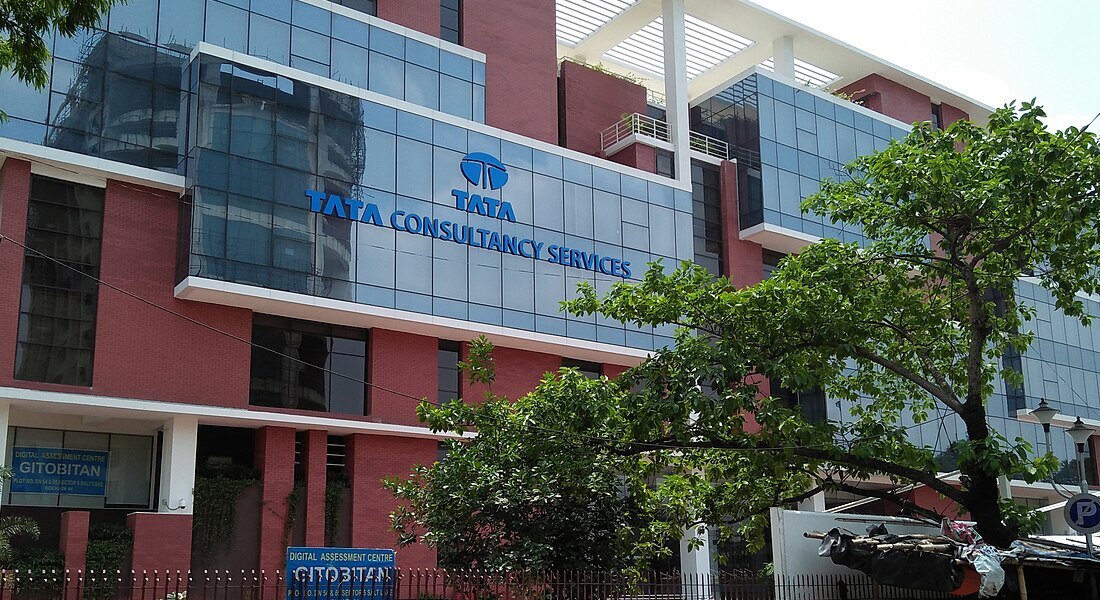
New Delhi: Tata Consultancy Services (TCS) has entered a multi-year partnership with Pearson, the world’s lifelong learning company, to help enterprises build future-ready workforces through AI-powered learning and assessment solutions.

The collaboration will combine Pearson’s expertise in enterprise learning and assessment with TCS’ strengths in contextual AI and its TCS iON platform. The companies aim to help organisations bridge skill gaps and improve business outcomes using AI-driven insights.

Omar Abbosh, CEO of Pearson, said that leaders across sectors are investing heavily in AI but often struggle to show returns. He added that productivity improves when employees gain the skills and confidence to work with new technology. He said the partnership would help organisations close skill gaps and improve productivity by integrating learning into daily workflows.

K Krithivasan said that AI is changing how work is done. He said long-term value will depend on how organisations enable employees to work with intelligent systems. He added that the collaboration will help enterprises build adaptable and skilled workforces for the future.

The companies will work together across several strategic areas, TCS said in a release. The partnership will explore ways to integrate learning, assessment, and skills intelligence into enterprise models to prepare for AI-driven job changes. The companies will co-develop AI-led learning products and services to accelerate innovation and improve outcomes. TCS will also use Pearson’s Versant English test in hiring and workforce development programmes to strengthen communication skills.

Pearson’s solutions will be integrated into the TCS iON platform to create a comprehensive talent development system for the AI-first economy. The collaboration will support enterprises and governments in meeting evolving skill demands through AI-based benchmarking and certification.

The move comes as organisations increasingly prioritise workforce upskilling. Pearson’s research shows that enabling employees to work alongside AI could add trillions of dollars to economic output over the next decade.

The partnership also aligns with Pearson’s strategy to build deeper collaborations with key partners to drive growth and deliver stronger outcomes for customers.

Odia constable Rasmita Sahu qualifies for Asian Games

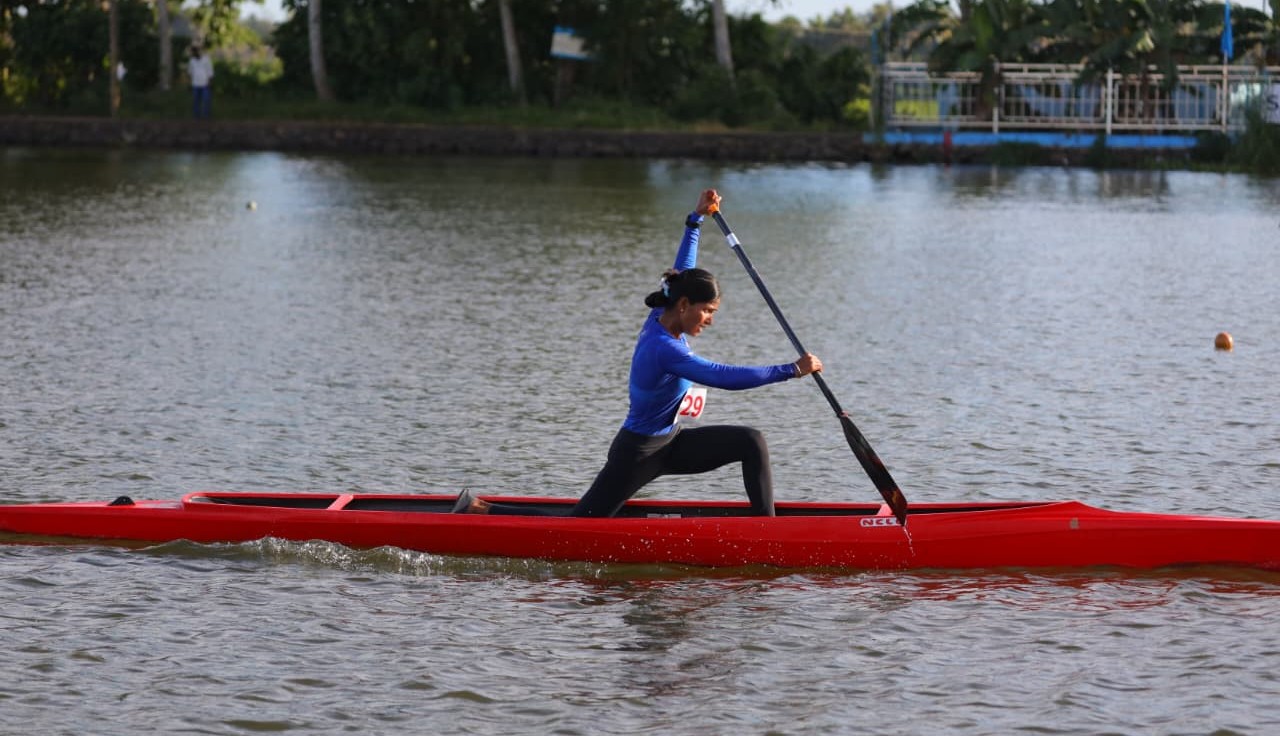
Bhubaneswar: Odisha Police constable Rasmita Sahu has secured a place in the 2026 Asian Games in Japan, emerging as a rising name in India’s water sports arena.

Currently training in Tehri, Uttarakhand, Sahu is preparing for international competition with a disciplined routine as she gears up to represent the country on a major global stage. Her selection has been hailed as a proud moment for both Odisha Police and the state.

In a message shared on X, Odisha Police congratulated her achievement, calling the canoeing star “Odisha’s pride” and expressing confidence in her performance at the Games.

Sahu’s journey to the Asian Games has been marked by resilience and determination. Born in 2002 in a modest fisherman’s family in Choudwar in Cuttack district, she faced significant personal hardships early in life. Her father, the sole breadwinner, was left incapacitated after a road accident in 2011, and she lost her mother in another accident a few years later.

Despite these setbacks, she continued her education and pursued sports with focus. Initially aspiring to become a footballer, her path changed after she was introduced to canoeing while swimming in the Mahanadi river. Inspired by the sport, she joined the Sports Authority of India (SAI) centre in Jagatpur in 2017 and began formal training.

Since then, Sahu has built an impressive record at the national level, winning 41 medals, including 13 gold, 14 silver, and 14 bronze. Her achievements also earned recognition at the national level, with Prime Minister Narendra Modi interacting with her during a “Mann Ki Baat” broadcast in September 2025.

Balancing her duties as a police constable with a demanding training schedule, Sahu’s journey reflects grit and perseverance. Her story is increasingly seen as an inspiration for young athletes, particularly women, aspiring to succeed in sports despite challenging circumstances.

With the Asian Games now in sight, Sahu is set to carry both national hopes and a remarkable personal story onto the international stage.

Cabinet clears Rs 33,660 crore BHAVYA, MSP support and hydro push

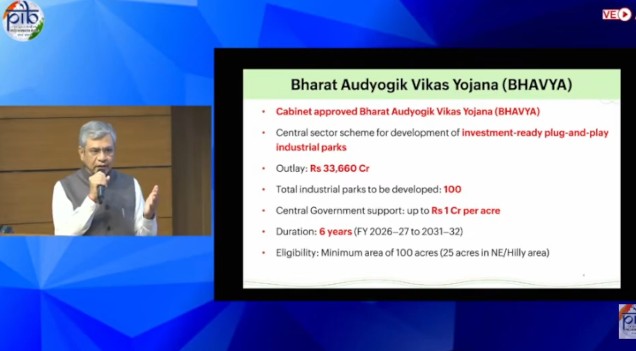
New Delhi: In a major push to accelerate manufacturing-led growth, the Union Cabinet has approved the Bharat Audyogik Vikas Yojna (BHAVYA), a Rs 33,660 crore scheme to develop 100 plug-and-play industrial parks across the country.

The scheme aims to create world-class industrial infrastructure with pre-approved land, ready utilities, and streamlined clearances, enabling industries to move quickly from investment decisions to production. The parks, ranging from 100 to 1,000 acres, will be developed in partnership with states and private players.

According to an official release, BHAVYA will significantly improve ease of doing business by reducing entry barriers for investors, while also promoting cluster-based industrialisation. The initiative is expected to generate large-scale employment and attract both domestic and global investments, strengthening supply chains and boosting manufacturing competitiveness.

Alongside industrial expansion, the Cabinet has approved Rs 1,718.56 crore in Minimum Support Price (MSP) funding for the 2023–24 cotton season to support farmers. The funding will be routed through the Cotton Corporation of India (CCI) to ensure direct price support and protect farmers from distress sales when market prices fall below MSP.

Cotton remains a key cash crop, supporting nearly 60 lakh farmers and millions more across allied sectors. For the 2023–24 season, cultivation covered 114.47 lakh hectares, with production estimated at 325.22 lakh bales—around a quarter of global output.

CCI, the nodal agency for MSP operations, will continue to procure fair average quality cotton without any quantity limit. It operates over 508 procurement centres across 152 districts in 11 major cotton-growing states to ensure seamless access for farmers.

In the renewable energy sector, the Cabinet has also approved the Small Hydro Power (SHP) Development Scheme with an outlay of Rs 2,584.60 crore for the period 2026–27 to 2030–31. The scheme targets the installation of around 1,500 MW capacity through small hydro projects.

The initiative will support projects in the 1–25 MW range, particularly in hilly and northeastern regions, with higher financial assistance for projects in border areas. The government expects the scheme to attract investments of about Rs 15,000 crore and generate over 51 lakh person-days of employment during construction.

Officials noted that small hydro projects, being decentralised and environmentally sustainable, will promote clean energy generation in remote areas while reducing transmission losses and minimising ecological impact.

The Cabinet has also approved the construction of a 4-lane access-controlled National Highway (NH-927) from Barabanki to Bahraich in Uttar Pradesh at a cost of Rs 6,969 crore. The 101.5-km project, to be developed under the Hybrid Annuity Model, aims to ease congestion, improve road safety, and cut travel time to about one hour, while enhancing connectivity to key economic and logistics hubs, including cross-border trade routes with Nepal

Together, the four decisions signal a coordinated policy push to accelerate industrial growth, strengthen farmer welfare, expand renewable energy capacity, and enhance transport infrastructure. The newly approved highway project is expected to further boost regional connectivity and trade, complementing broader efforts to build a resilient, efficient, and self-reliant economy.

International organisations oppose IOC’s reported gender testing plan

New Delhi: More than 80 international organisations on Tuesday urged the International Olympic Committee (IOC) to drop reported plans to introduce mandatory genetic sex testing and impose a blanket ban on transgender and intersex athletes.

In a joint statement, groups including the Sport & Rights Alliance, ILGA World, and Humans of Sport said such measures would undermine gender equality and violate human rights.

The organisations cited media reports suggesting that a working group on protecting the female category had recommended universal genetic sex testing for all women athletes and a complete exclusion of transgender and intersex participants.

They said the proposal would mark a significant setback for women’s sport and reverse decades of progress.

The groups stated that mandatory sex testing would harm athletes’ privacy and dignity and expose them to unnecessary scrutiny. They said such policies could lead to medically unnecessary interventions and create safeguarding risks, especially for young athletes. They added that transgender and intersex athletes already face discrimination, harassment, and barriers to participation in sport.

According to the statement, the IOC had discontinued universal sex testing after the 1996 Olympic Games, citing scientific and ethical concerns, including its inaccuracy and harmful impact on athletes.

The organisations noted that several global bodies, including the United Nations human rights system and medical associations, have consistently opposed such testing practices, describing them as discriminatory and unethical.

They also expressed concern over the lack of transparency around the working group’s recommendations and the absence of meaningful consultation with athletes, researchers, and human rights experts.

The groups argued that enforcing genetic screening would shift focus away from key issues in sport, such as unequal funding, pay gaps, and gender-based violence.

They further warned that the proposed measures could disproportionately affect women from the Global South and women of colour, who already face higher levels of scrutiny and discrimination in international sport.

The statement also raised questions about the feasibility of implementing such testing across more than 200 countries, citing high costs and varying levels of athlete protection systems.

The organisations called on the IOC to adhere to its 2021 framework on fairness, inclusion, and non-discrimination, and to ensure that sports policies remain evidence-based and respect internationally recognised human rights.

They urged the IOC to withdraw the reported plans and uphold its commitment under the Olympic Charter to guarantee access to sport without discrimination.

Iran launches ‘revenge attack’ with cluster missiles as war widens

Iran fires cluster missiles in retaliation as casualties rise across Israel, Iran, and Lebanon, signalling a widening regional conflict

The conflict involving Iran, Israel, and the United States is rapidly intensifying, with Iran launching what it described as a “revenge attack” using cluster missiles on central Israel, signalling a dangerous escalation in a war that is now spreading across the region.

Iran fired the missiles overnight targeting central Israel, saying the strike was in retaliation for the killing of its senior security figure Ali Larijani. According to Iranian authorities, the operation was carried out by the Islamic Revolutionary Guard Corps (IRGC), which said it was avenging the deaths of Larijani and other officials killed in earlier Israeli air raids.

Israeli media reports said the attack hit the Ramat Gan area near Tel Aviv, killing two people and injuring several others. The use of multiple-warhead missiles, which are designed to evade air defence systems, also caused extensive property damage, including at a train station in Tel Aviv.

Tehran has confirmed that funerals for Larijani and Basij paramilitary chief Gholamreza Soleimani will be held on Wednesday, marking a significant moment in the ongoing conflict.

In an interview with Al Jazeera following confirmation of Larijani’s death, Iran’s Foreign Minister Abbas Araghchi asserted that the country’s political system remains resilient despite targeted assassinations. He emphasised that Iran’s governance structure does not depend on any single individual, even referencing the earlier killing of Supreme Leader Ayatollah Ali Khamenei at the onset of the conflict.

“The system continued its work and immediately provided a replacement,” Araghchi said, underlining what he described as institutional stability within Iran.

Meanwhile, Israeli media outlets, including The Times of Israel, reported that Israeli strikes in Tehran may have targeted Iran’s Intelligence Minister Esmail Khatib. The report, initially cited by Iran International and later confirmed by an Israeli official, said the outcome of the strike is still under assessment. Iranian authorities have not commented on the claim.

On the ground in Iran, casualties continue to mount. According to Tasnim news agency, citing local officials, US-Israeli strikes in Lorestan province hit residential and densely populated areas in Dorud city, killing at least seven people and injuring 56 others. Earlier attacks in rural parts of the Chegeni region reportedly left four more dead.

Israel is also dealing with the impact of ongoing hostilities. The country’s Health Ministry said 192 people were admitted to hospitals in the past 24 hours, most with minor injuries. Since the conflict began, a total of 3,727 people have reportedly been hospitalised.

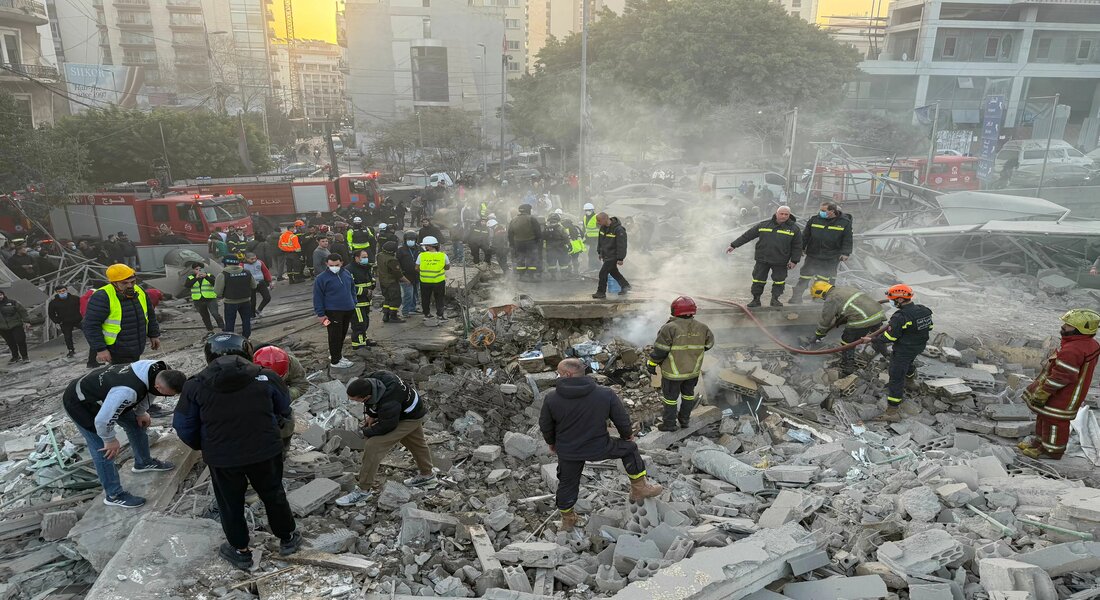
Beyond Iran and Israel, the conflict is spilling into neighbouring regions. Lebanon’s National News Agency reported that Israeli strikes hit a building in the Bashoura neighbourhood of Beirut shortly after evacuation warnings were issued. Lebanon’s Ministry of Public Health said at least 20 people were killed and 24 injured in a broader wave of strikes across the country.

The latest developments indicate a widening theatre of conflict, with multiple fronts now active and civilian casualties rising on all sides. As the war enters its third week, the absence of de-escalation signals growing concerns of a prolonged and more destructive regional confrontation.

Odisha begins groundwork for upcoming Census 2027

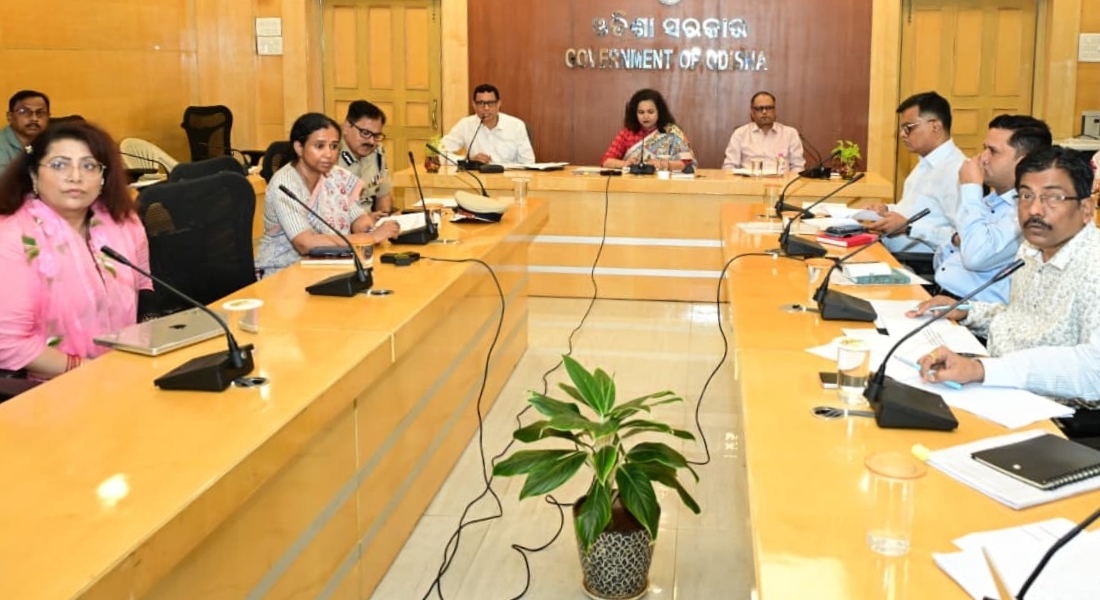
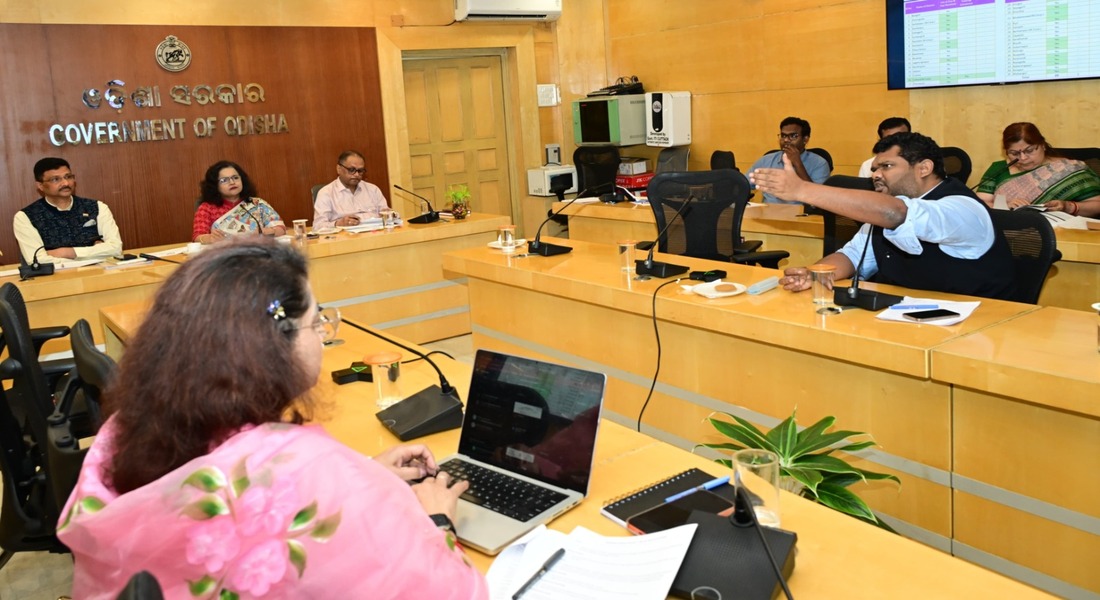
Bhubaneswar: Chief Secretary Anu Garg on Tuesday urged district collectors, municipal commissioners, and census officials to actively participate in the national census exercise and complete assigned tasks within the stipulated timeline.

Under her chairpersonship, a meeting was held at the conference hall of Lok Seva Bhavan to review preparations for the upcoming Census 2027.

The meeting was organised by the Planning and Convergence Department, according to a government release.

State Census Director Nikhil Pawan Kalyan presented details of the first phase of Census 2027, which includes house listing and housing census operations.

In Odisha, the first phase of exercise is scheduled from April 16 to May 15, while provisions for self-enumeration will be available from April 1 to April 15. Kalyan also highlighted the current status of preparations across districts.

During the meeting, Development Commissioner-cum-Additional Chief Secretary Deoranjan Kumar Singh spoke about the significance and wide utility of census data.

Additional Chief Secretary of the Revenue and Disaster Management Department, Arabinda Kumar Padhee, whose department is the nodal agency for the census in Odisha, also participated and provided necessary guidance to district collectors for the successful implementation of the exercise.

India placed with Pakistan in Pool D for FIH Hockey World Cup 2026

New Delhi: India will face arch-rivals Pakistan in the group stage of the FIH Hockey World Cup 2026 after being placed in Pool D alongside England and Wales. The pool matches will be played in the Netherlands.

The World Cup will be held in Amsterdam and Wavre from August 15 to August 30.

The official draw ceremony took place at the Wagener Stadium in Amsterdam, one of the two venues for the tournament, on Tuesday. The Belfius Hockey Arena in Wavre, Belgium, will serve as the second venue, according to fih.hockey.

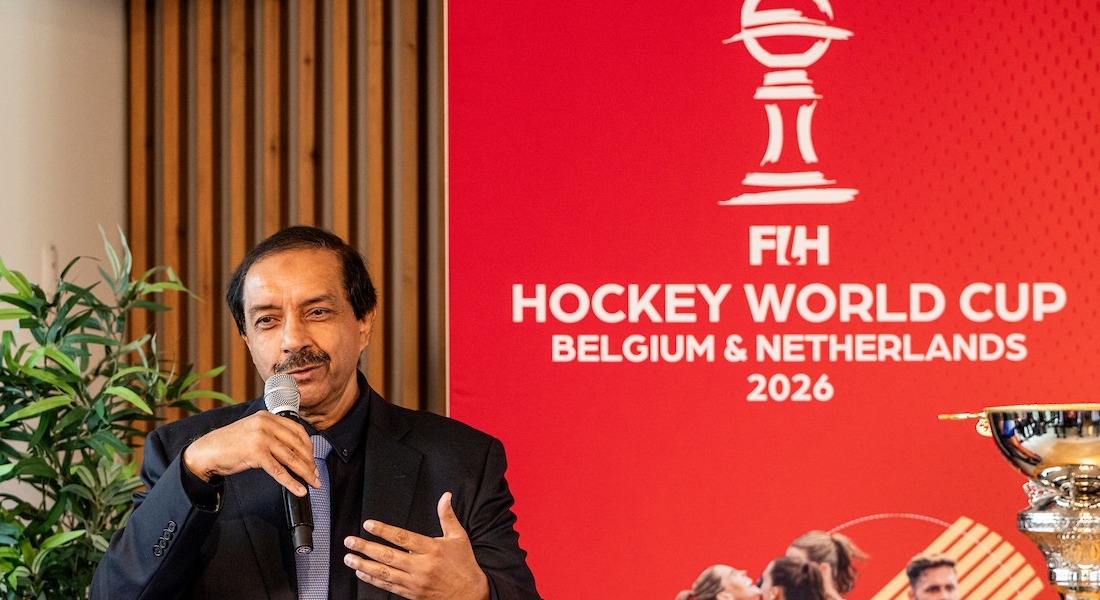
The event was attended by senior officials, including FIH President Tayyab Ikram, International Hockey Federation (FIH) Vice President and EuroHockey President Marcos Hofman, and representatives from the Dutch and Belgian hockey federations, along with players, coaches, and other stakeholders.

Ikram said that the draw marked a major milestone on the road to the tournament and noted that the upcoming edition, co-hosted by Belgium and the Netherlands, was expected to be highly successful. He added that the event would bring together top athletes and the global hockey community.

He further said that sports and events like the Hockey World Cup could play an important role in bringing people together and fostering peace, especially in a world affected by conflict. He also invited fans worldwide to be part of the tournament and wished participating athletes an unforgettable experience.

The men’s pools for the tournament are as follows:

Pool A features the Netherlands, Argentina, New Zealand, and Japan, with matches scheduled in the Netherlands.

Pool B includes Belgium, Germany, France, and Malaysia, with matches to be played in Belgium.

Pool C comprises Australia, Spain, Ireland, and South Africa, with matches in Belgium.

The draw was conducted by former international players Naomie van As, Barbara Neelen and Teun de Nooijer, along with DJ La Fuente, who was announced as the Dutch ambassador for the tournament.

Odisha fast-tracks gas network amid LPG shortage

Bhubaneswar: With global fuel disruptions impacting LPG availability, the Odisha government has launched an urgent push to expand its city gas distribution (CGD) network, promoting piped natural gas (PNG) and CNG as more stable and sustainable alternatives for consumers.

The move comes against the backdrop of strained international petroleum supply chains, prompting the state to prioritise natural gas—largely sourced domestically—to ensure energy security and long-term price stability for both households and businesses.

A high-level review meeting chaired by Chief Secretary Anu Garg at Lok Seva Bhavan today set the tone for accelerated implementation. The meeting was attended by Additional Chief Secretary (Industries) Hemant Sharma, Additional Chief Secretary (Housing and Urban Development) Usha Padhee, and Principal Secretary (Food Supplies and Consumer Welfare) Sanjay Kumar Singh, along with representatives from GAIL, BPCL, and Adani Total Gas. Officials discussed key bottlenecks in infrastructure development and outlined a time-bound roadmap.

The government has directed that all approvals related to pipeline laying—across municipal bodies, works departments, and water resources agencies—must be cleared within 24 hours. Urban local bodies have also been instructed to waive road restoration and permission fees for city gas companies to remove procedural delays.

In a major administrative push, gas infrastructure projects will be executed on a “war footing”, with companies permitted to operate round the clock. The state has set a deadline of June 30, 2026, to complete critical infrastructure expansion.

To streamline coordination, a state-level nodal officer will be appointed to align efforts across departments including industry, urban development, and food supplies.

The initiative is aimed at encouraging households as well as commercial establishments—such as hospitals, hotels, and restaurants—to shift from LPG to PNG and CNG. Energy companies have also been encouraged to offer incentives to domestic consumers to accelerate adoption.

Officials said the strategy is designed to protect citizens from global energy shocks while building a more resilient, self-reliant fuel ecosystem in the state.