
Iran fires cluster missiles in retaliation as casualties rise across Israel, Iran, and Lebanon, signalling a widening regional conflict
The conflict involving Iran, Israel, and the United States is rapidly intensifying, with Iran launching what it described as a “revenge attack” using cluster missiles on central Israel, signalling a dangerous escalation in a war that is now spreading across the region.
Iran fired the missiles overnight targeting central Israel, saying the strike was in retaliation for the killing of its senior security figure Ali Larijani. According to Iranian authorities, the operation was carried out by the Islamic Revolutionary Guard Corps (IRGC), which said it was avenging the deaths of Larijani and other officials killed in earlier Israeli air raids.
Israeli media reports said the attack hit the Ramat Gan area near Tel Aviv, killing two people and injuring several others. The use of multiple-warhead missiles, which are designed to evade air defence systems, also caused extensive property damage, including at a train station in Tel Aviv.
Tehran has confirmed that funerals for Larijani and Basij paramilitary chief Gholamreza Soleimani will be held on Wednesday, marking a significant moment in the ongoing conflict.
In an interview with Al Jazeera following confirmation of Larijani’s death, Iran’s Foreign Minister Abbas Araghchi asserted that the country’s political system remains resilient despite targeted assassinations. He emphasised that Iran’s governance structure does not depend on any single individual, even referencing the earlier killing of Supreme Leader Ayatollah Ali Khamenei at the onset of the conflict.
“The system continued its work and immediately provided a replacement,” Araghchi said, underlining what he described as institutional stability within Iran.
Meanwhile, Israeli media outlets, including The Times of Israel, reported that Israeli strikes in Tehran may have targeted Iran’s Intelligence Minister Esmail Khatib. The report, initially cited by Iran International and later confirmed by an Israeli official, said the outcome of the strike is still under assessment. Iranian authorities have not commented on the claim.
On the ground in Iran, casualties continue to mount. According to Tasnim news agency, citing local officials, US-Israeli strikes in Lorestan province hit residential and densely populated areas in Dorud city, killing at least seven people and injuring 56 others. Earlier attacks in rural parts of the Chegeni region reportedly left four more dead.
Israel is also dealing with the impact of ongoing hostilities. The country’s Health Ministry said 192 people were admitted to hospitals in the past 24 hours, most with minor injuries. Since the conflict began, a total of 3,727 people have reportedly been hospitalised.
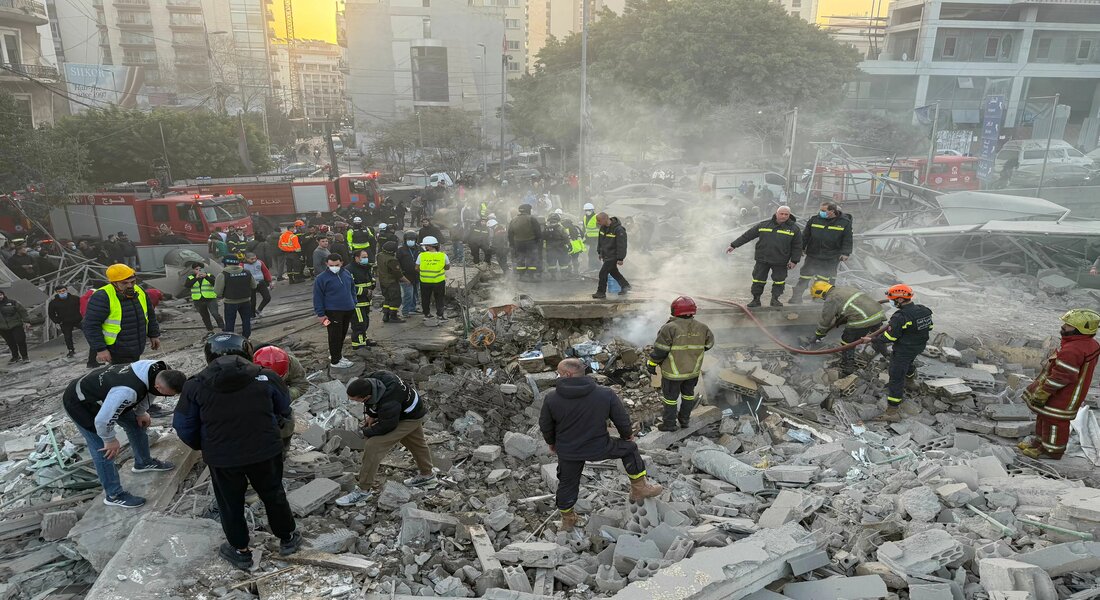
Beyond Iran and Israel, the conflict is spilling into neighbouring regions. Lebanon’s National News Agency reported that Israeli strikes hit a building in the Bashoura neighbourhood of Beirut shortly after evacuation warnings were issued. Lebanon’s Ministry of Public Health said at least 20 people were killed and 24 injured in a broader wave of strikes across the country.
The latest developments indicate a widening theatre of conflict, with multiple fronts now active and civilian casualties rising on all sides. As the war enters its third week, the absence of de-escalation signals growing concerns of a prolonged and more destructive regional confrontation.