At IndiaVerve, we go beyond the noise to bring you meaningful stories of change, resilience and progress—from India to the world stage. Our mission is to bring readers credible, wide-ranging coverage across politics, business, sports, culture, society and more.

PM Modi speaks to global leaders, pushes de-escalation in West Asia

New Delhi: Amid escalating tensions in West Asia and growing concerns over attacks on energy infrastructure, Prime Minister Narendra Modi held a series of high-level conversations with global leaders, emphasising the urgent need for de-escalation, dialogue, and regional stability.

In separate calls with the King of Jordan, the President of France, the Prime Minister of Malaysia, and the Sultan of Oman, Modi underlined India’s consistent position that diplomacy remains the only viable path to restoring peace in the conflict-hit region.

During his conversation with Jordan’s King Abdullah II, the Prime Minister expressed concern over the evolving security situation and strongly condemned attacks on energy infrastructure, warning that such actions could trigger further escalation. He also appreciated Jordan’s support in facilitating the safe return of Indian nationals stranded in the region and reiterated the importance of uninterrupted movement of goods and energy supplies.

In his discussion with French President Emmanuel Macron, both leaders agreed on the urgent need for de-escalation and reaffirmed their commitment to continued coordination to promote peace and stability in West Asia and beyond.

Following his call, the Prime Minister wrote on X: “Spoke with my dear friend, President Emmanuel Macron, on the situation in West Asia and the urgent need for de-escalation, as well as a return to dialogue and diplomacy. We look forward to continuing our close coordination to advance peace and stability in the region and beyond.”

Similar concerns were echoed in Modi’s conversation with Malaysian Prime Minister Anwar Ibrahim, where both sides stressed the importance of restoring peace through dialogue and diplomacy. The leaders also exchanged greetings ahead of the upcoming festival of Hari Raya Aidilfitri.

In a separate call with Oman’s Sultan Haitham bin Tariq, Modi reiterated India’s support for safe and free navigation through the Strait of Hormuz, a critical global energy corridor. He also condemned violations of sovereignty in the region and acknowledged Oman’s efforts in assisting the evacuation of foreign nationals, including Indians.

Across all discussions, the Prime Minister conveyed festive greetings ahead of Eid while maintaining a strong diplomatic focus on stabilising the region.

The outreach reflects India’s proactive diplomatic engagement at a time when the West Asia conflict is widening, with attacks on energy infrastructure and disruptions to global supply chains raising international alarm.

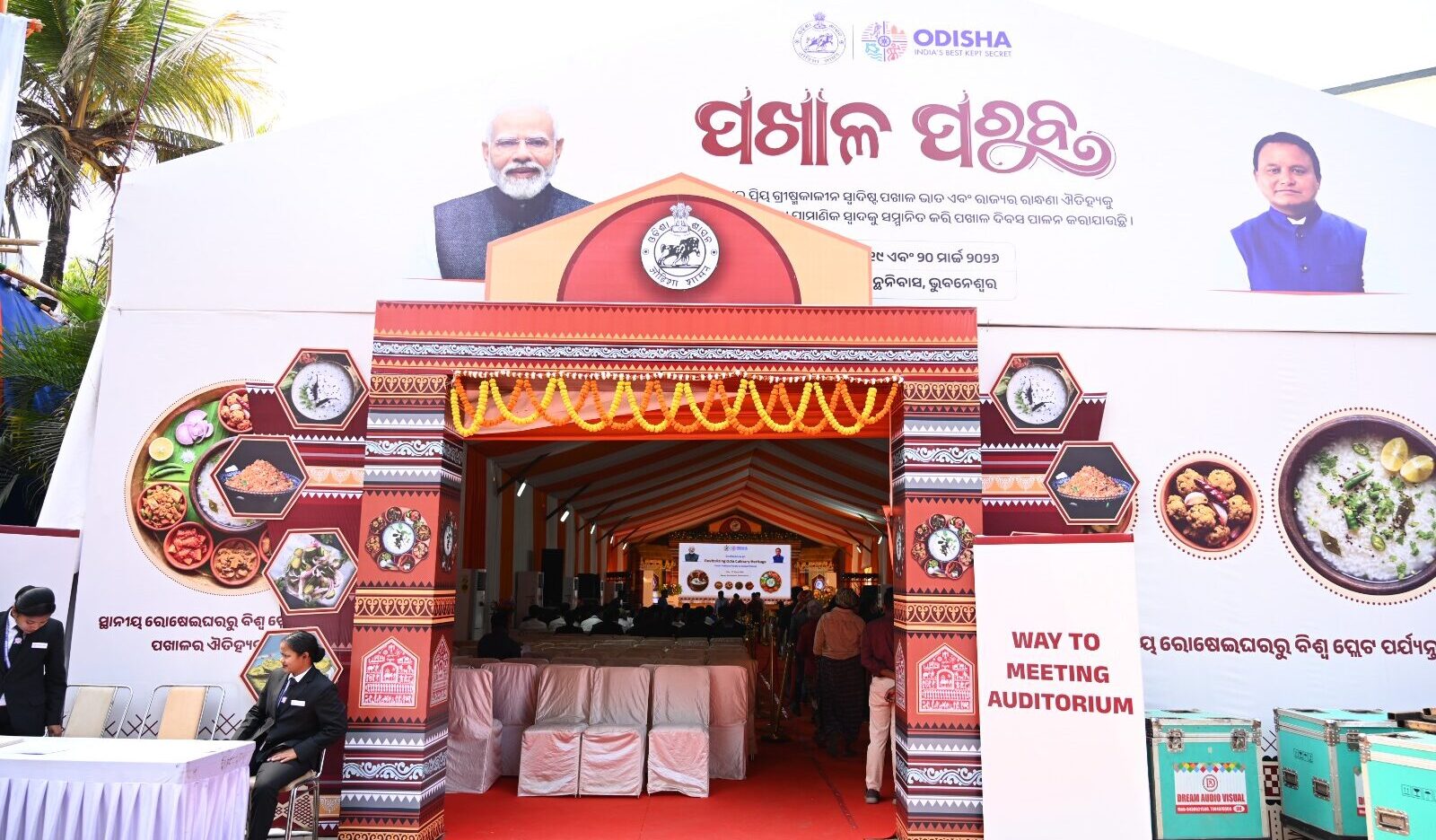
Pakhala Paraba 2026 begins with focus on globalising Odia cuisine

Bhubaneswar: The two-day ‘Pakhala Paraba 2026’ celebrations began in Bhubaneswar on Thursday, highlighting Odisha’s rich culinary traditions while also aiming to position Odia cuisine on the global stage.

The festival was inaugurated at Panthanivas with Tourism Director Deepankar Mahapatra addressing the opening session. Chief Minister Mohan Charan Majhi and Deputy Chief Minister Pravati Parida are expected to attend the concluding day of the event.

The inaugural session featured keynote addresses by Padma Shri awardee Dr Ashok Kumar Mahapatra, Prof Sitikantha Mishra, and Sandip Mukherjee, who emphasised the importance of sustainable eating, preservation of rice diversity, and the relevance of traditional food systems in modern hospitality.

A key highlight of the event was a series of panel discussions examining both the cultural roots and future potential of Odia cuisine. The first session explored the historical and spiritual significance of traditional food practices, while the second focused on strategies to promote Odia cuisine as a global brand, including marketing and innovation.

Experts from academia, hospitality, and cultural sectors participated in the discussions, alongside special presentations by noted personalities such as Sudarshan Sahoo, Dr G.A. Kumar, Swosti Mishra, and Shabnam Afrin. Renowned chef Manjit Singh Gill and Dr Suniti Mund also delivered keynote addresses.

The event combined food discourse with cultural showcases, featuring performances such as Odissi, Sambalpuri, tribal, and Gotipua dances, reflecting the state’s diverse heritage.

In a notable initiative, the Tourism Department is attempting to set a Guinness World Record for the largest serving of fermented rice (Pakhala). Around 800–850 kg of Pakhala is being prepared as part of the effort, which also highlights its nutritional value and agricultural significance.

Organised in collaboration with the Robin Hood Army, the initiative includes a strict zero-wastage policy, aligning the celebration with sustainability goals. The festival aims not only to celebrate Odisha’s traditional cuisine but also to create wider awareness and global recognition for its unique food culture.

BMC suspends teacher for dereliction of duty in voter list revision work

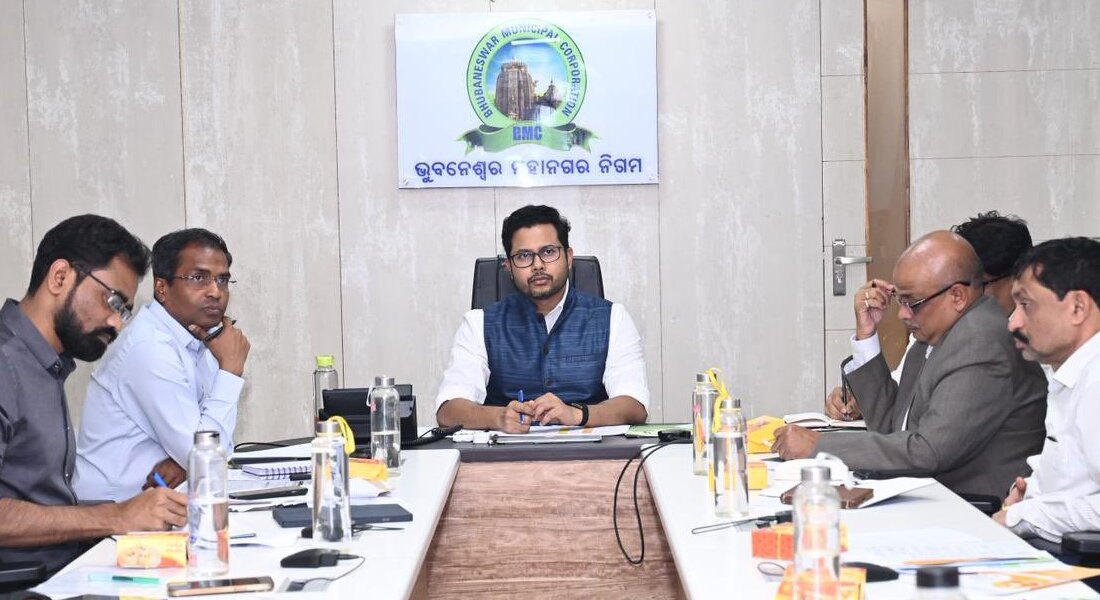
Bhubaneswar: The Bhubaneswar Municipal Corporation (BMC) has suspended an assistant teacher for alleged dereliction of duty during the Special Intensive Revision (SIR) of electoral rolls.

According to an official order, Rashmi Sahu, an assistant teacher at Government High School in Chandrasekharpur Phase-II, has been placed under suspension.

The suspension order was issued by Chanchal Rana in his capacity as Commissioner of BMC and District Election Officer under Section 32(1) of the Representation of the People Act, 1950.

Sahu had been appointed as a Booth Level Officer (BLO) for Booth No. 109 under Assembly Constituency No. 113 and was assigned duties related to the SIR exercise, which is crucial for maintaining the accuracy of voter lists, according to the order.

The order stated that she remained absent from duty without prior permission and failed to carry out her assigned responsibilities. The absence was treated as serious negligence and dereliction of duty.

As per the order, the teacher will not leave her headquarters without prior approval during the suspension period and will receive allowances in accordance with rules.

Odisha partners with WASSAN to revive traditional crops and forgotten foods

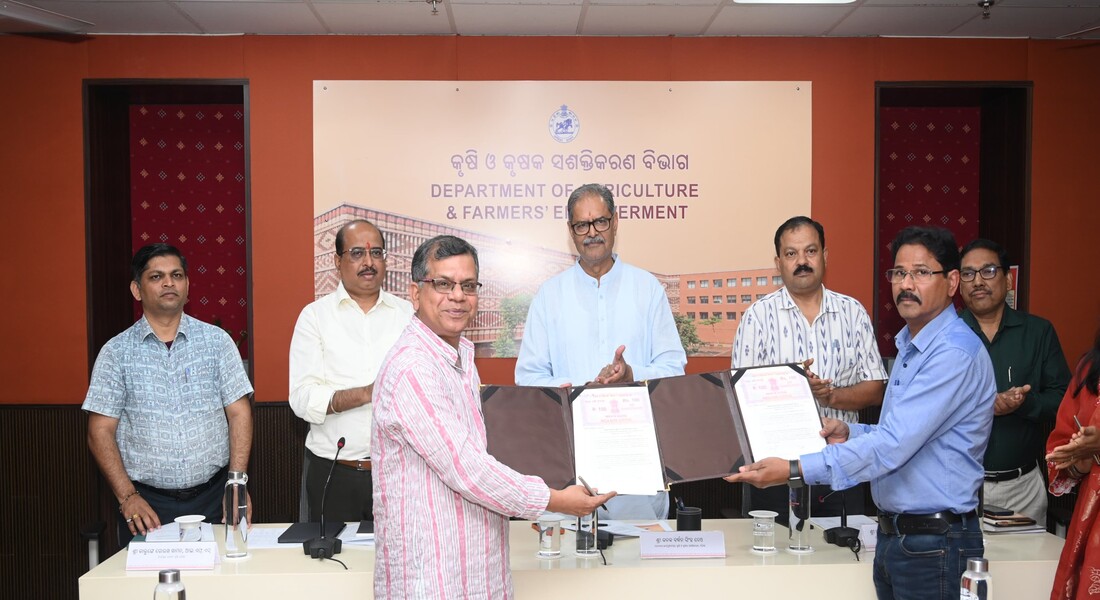
Bhubaneswar: The Department of Agriculture and Farmers’ Empowerment of Odisha on Thursday signed a Memorandum of Agreement (MoA) with Watershed Support Services and Activities Network (WASSAN) to act as programme secretariat for reviving forgotten foods and neglected crops in the State.

WASSAN is an Indian non-profit organisation that focuses on sustainable agriculture, natural resource management, and livelihood support in rainfed regions.

The initiative, with an outlay of Rs 247.024 crore, will be implemented over five years from 2025-26 to 2029-30, according to a government release.

It aims to preserve and promote traditional crops and indigenous seed varieties that are gradually disappearing from current agricultural practices.

Officials said the programme will cover 25 biodiversity-rich blocks across 15 districts, including regions such as Gandhamardhan, Niyamgiri, Sunabeda, Satkosia, Gupteswar, Malyagiri, and Similipal.

Deputy Chief Minister Kanak Vardhan Singh Deo, who attended the signing ceremony, said food traditions play a vital role in preserving cultural heritage, and their protection ensures continuity of tradition.

The project will focus on conservation, documentation, and commercialisation of neglected crops, to benefit local farmers and communities.

The initiative aligns with the State’s efforts to promote sustainable agriculture and protect biodiversity.

It will include measures such as conservation and documentation of neglected crops, multiplication of traditional and indigenous varieties, establishment of state resource centres, implementation of the Kamala Pujari fellowship programme, farmer field schools, nutrition profiling of traditional foods, and value addition and commercialisation of food products derived from these crops.

Senior officials present during the signing included Commissioner-cum-Secretary Sachin Ramachandra Jadhav, Director of Horticulture Kalunge Gorakh Waman, Director of Soil Conservation and Watershed Development Subrat Kumar Panda, and Additional Secretary Dr. Ganeshwar Jena.

Iran targets Gulf energy sites as war escalates

Iran targets key Gulf energy infrastructure after Israel strikes South Pars gasfield, triggering global price surge and raising fears of wider conflict

The conflict involving Iran, Israel and the United States has entered a dangerous new phase, with energy infrastructure across the Gulf region becoming a central target, raising fears of wider economic fallout.

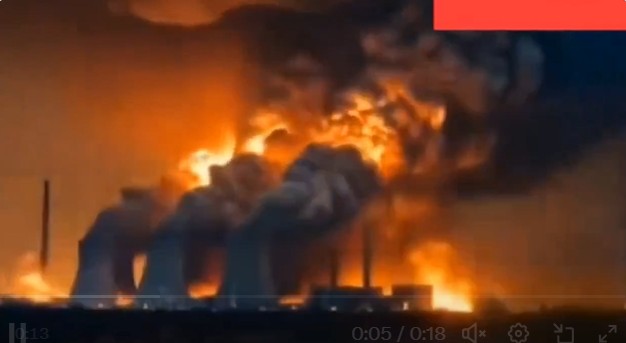
Iran launched missile strikes on key energy facilities in Qatar, the United Arab Emirates and Saudi Arabia, in what it described as retaliation for Israel’s earlier attack on Iran’s South Pars gas field—its largest energy source. Among the most significant incidents, Qatar’s liquefied natural gas facility at Ras Laffan Industrial City reportedly suffered major damage, while operations at gas and oil sites in the UAE were temporarily suspended following attacks.

The escalation has pushed global oil and gas prices higher, with Gulf nations condemning the strikes and warning of serious implications for global energy security. Sultan Al Jaber, head of Abu Dhabi National Oil Company (ADNOC), described the attacks as “unjustified” and warned that energy flows were being weaponised in a way that could impact the global economy, Al Jazeera reported.

The latest developments mark a shift in the conflict, with both sides now directly targeting critical energy infrastructure. French President Emmanuel Macron warned that the attacks represent a “reckless escalation”, noting that hydrocarbon production sites across the region are now being drawn into the conflict for the first time.

Meanwhile, diplomatic activity has intensified. Foreign ministers from Arab and Muslim countries convened in Saudi Arabia for urgent talks, where they collectively condemned Iranian missile and drone strikes on regional targets, including energy facilities, airports, and residential areas. The joint statement called on Iran to halt attacks, avoid threatening key maritime routes such as the Strait of Hormuz, and cease support for armed proxy groups.

At the same time, the ministers also criticised Israeli strikes in Lebanon, reflecting the complex regional dynamics as the conflict widens across multiple fronts.

The United States has sought to distance itself from Israel’s strike on Iran’s South Pars field. President Donald Trump said Washington had no role in the attack and signalled that further escalation could be avoided if Iran refrains from targeting Gulf nations. However, he also warned of severe consequences if Iran continues strikes on regional energy assets.

European leaders have called for de-escalation, with German Chancellor Friedrich Merz welcoming signals from Washington that efforts may be made to bring the fighting to an end. He said Europe stands ready to support stabilisation efforts once hostilities subside.

Despite diplomatic outreach, Iran has indicated that its response is ongoing. A spokesperson for the Islamic Revolutionary Guard Corps (IRGC) warned that any further attacks on Iran’s energy infrastructure would trigger even more severe retaliation targeting both adversaries and their allies.

As the war approaches its fourth week, the expanding focus on energy infrastructure has heightened concerns of prolonged disruption to global supply chains and a deeper economic impact beyond the region.

Govt launches RELIEF scheme to support exporters amid West Asia logistics disruptions

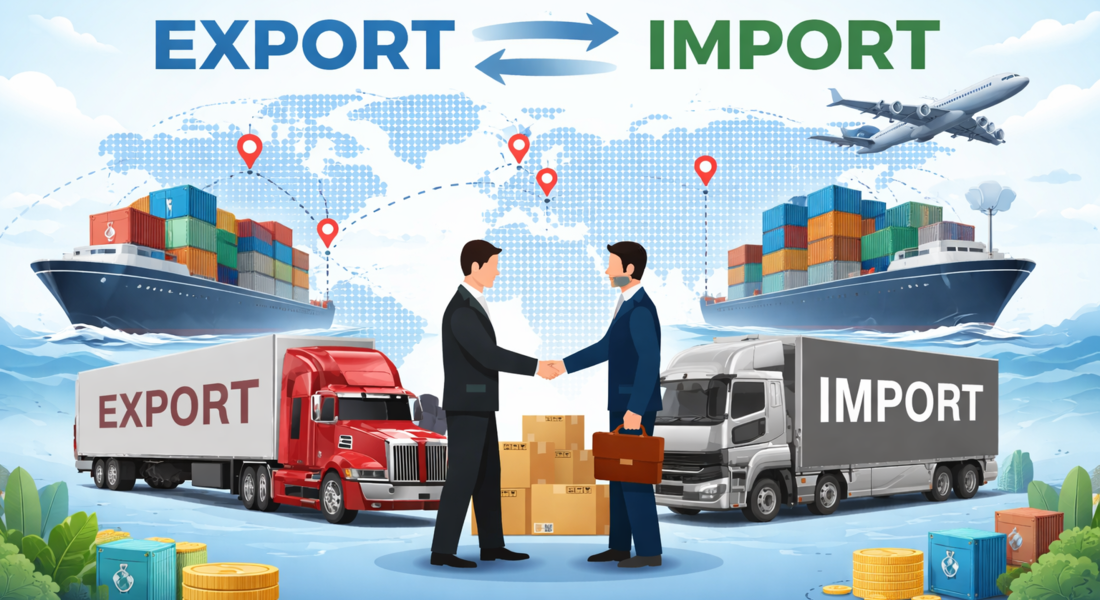
New Delhi: In response to rising geopolitical tensions in West Asia disrupting global shipping routes, the government on Thursday approved a new support mechanism titled RELIEF (Resilience & Logistics Intervention for Export Facilitation) to protect Indian exporters from escalating logistics costs and trade risks.

The move comes amid heightened security concerns around the Strait of Hormuz, which have led to vessel diversions, longer routes, congestion at transshipment hubs, and emergency surcharges.

These developments have increased freight costs and created uncertainty for export consignments moving through the region, according to an official statement.

The government said the intervention, approved under the Export Promotion Mission, aims to address extraordinary freight escalation, higher insurance premiums, and war-related risks impacting exporters.

An Inter-Ministerial Group on Supply Chain Resilience has been operational since March 2 to monitor the situation and coordinate response measures. The group has been holding daily review meetings since March 3 with participation from ministries, financial institutions, logistics stakeholders, and exporter bodies.

Based on these consultations, the government has implemented measures such as procedural relaxations for stranded cargo, improved port coordination, waivers on storage and dwell time charges, advisories for transparency in shipping costs, and enhanced monitoring of insurance risks and inland logistics.

Under the RELIEF framework, Export Credit Guarantee Corporation (ECGC) Ltd., a government-owned entity under the Ministry of Commerce and Industry, has been designated as the nodal agency for verification, claim processing, disbursement, and monitoring.

The government further said the scheme will support both past and upcoming export consignments to affected countries, including the United Arab Emirates, Saudi Arabia, Kuwait, Israel, Qatar, Oman, Bahrain, Iraq, Iran, and Yemen.

The intervention provides enhanced risk coverage for exporters who already have ECGC insurance during the disruption period from February 14 to March 15, 2026. It also encourages exporters planning shipments between March 16 and June 15, 2026, to obtain ECGC cover with additional government-backed risk protection.

The scheme includes a provision for partial reimbursement of up to 50% of freight and insurance surcharges for eligible MSME exporters who do not have ECGC coverage, subject to conditions and a ceiling of Rs 50 lakh per exporter.

The government has approved a financial outlay of Rs 497 crore for the intervention under the Export Promotion Mission. A dashboard-based monitoring system will track claims and fund utilisation, while the EPM Steering Committee will review the scheme periodically based on evolving geopolitical developments.

Officials said the initiative aims to reduce the impact of logistics disruptions, maintain exporter confidence, prevent order cancellations, and protect employment in export-linked sectors.

The government has stated that the scheme reflects its commitment to ensuring resilience and competitiveness in global trade during periods of uncertainty.

India must build indigenous drone manufacturing hub in mission mode: Rajnath Singh

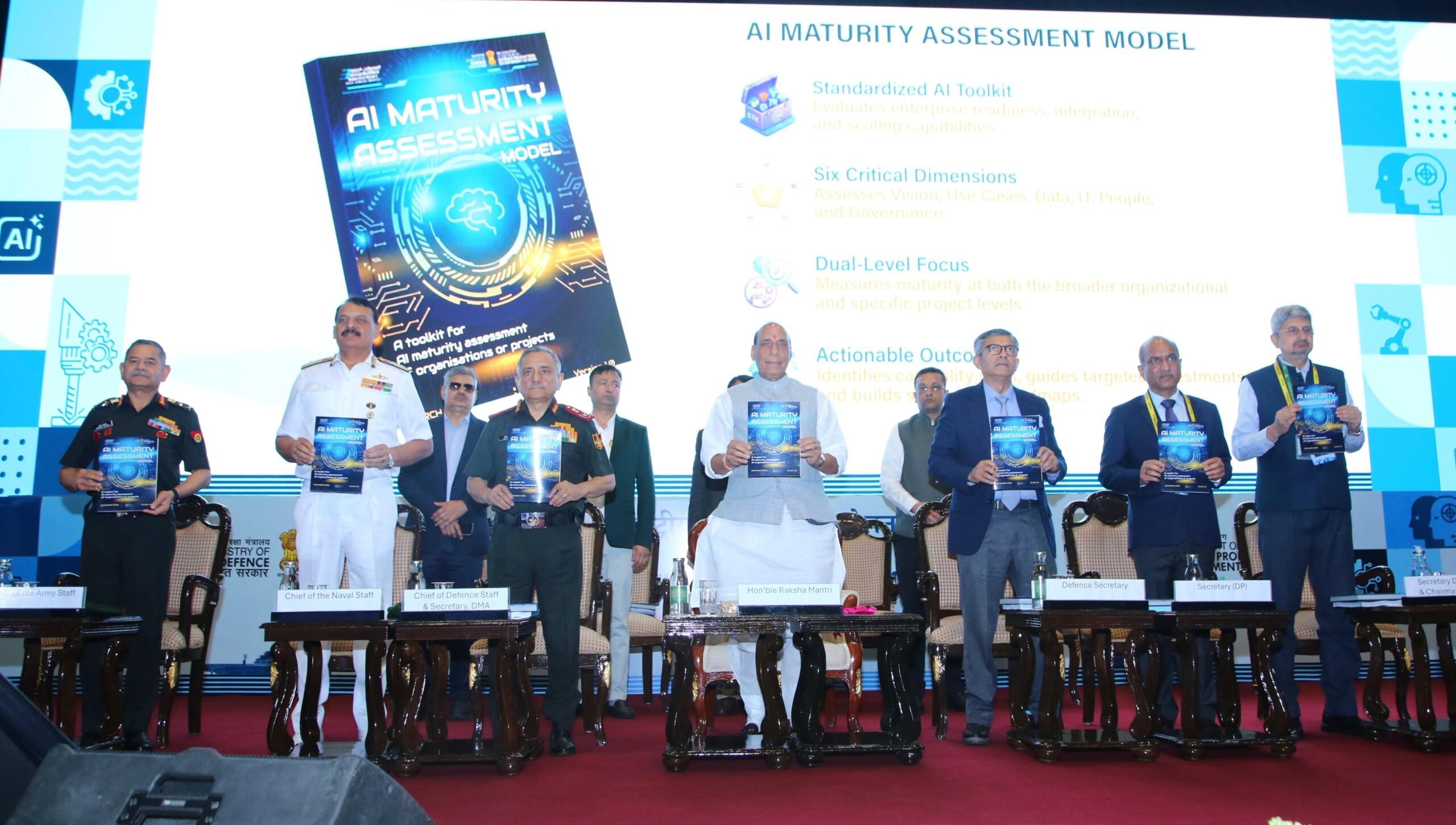
New Delhi: Defence Minister Rajnath Singh on Thursday called for a mission-mode approach to make India a global hub for indigenous drone manufacturing, stressing the need to strengthen the domestic defence production ecosystem amid evolving geopolitical challenges.

Addressing the inaugural session of the two-day National Defence Industries Conclave at Manekshaw Centre, New Delhi, the minister said India must build strategic autonomy and enhance defence preparedness by achieving self-reliance in drone technologies.

He said ongoing global conflicts, including the Russia-Ukraine war and tensions in West Asia, have highlighted the growing role of drones and counter-drone systems in modern warfare. He emphasised that self-reliance must extend beyond finished products to critical components such as software, engines, and batteries, which are often imported, according to an official statement.

The minister said the development of a robust defence industrial ecosystem depends on the combined efforts of large industries, MSMEs, start-ups, and innovators, supported by clear policy direction from the government. He added that the government is committed to supporting private sector participation to achieve this goal.

During the event, Singh launched the 14th edition of the Defence India Start-up Challenge (DISC-14) and the fourth edition of the Acing Development of Innovative Technologies with iDEX (ADITI) challenges under the iDEX framework.

A total of 107 problem statements, including 82 under DISC-14 and 25 under (ADITI) Challenges 4.0, were unveiled by defence stakeholders, including the Armed Forces, Indian Coast Guard, and Defence Space Agency.

He also launched a new initiative comprising 101 innovation challenges from Defence Public Sector Undertakings to promote design-led innovation among MSMEs and start-ups. These initiatives aim to provide funding, mentorship, testing facilities, and integration opportunities within defence supply chains.

The minister described iDEX and ADITI as transformative initiatives that have strengthened the defence innovation ecosystem. He said that as of February 2026, around 676 start-ups, MSMEs, and innovators have joined the ecosystem since its launch in 2018. He added that 548 contracts have been signed and 566 challenges launched so far.

Of these, 58 prototypes have received procurement clearance worth about Rs 3,853 crore, while 45 procurement contracts worth nearly Rs 2,326 crore have already been signed.

He said MSMEs are increasingly contributing in areas such as artificial intelligence, robotics, automation, and advanced manufacturing. He stressed the need for greater adoption of emerging technologies, including digital twins and advanced simulation tools, to improve efficiency and decision-making.

The minister highlighted the importance of horizontal and vertical integration to strengthen MSME capabilities. He said collaboration among MSMEs and partnerships with large industries are essential to build a strong innovation ecosystem and accelerate the adoption of Industry 4.0.

He also pointed to government initiatives aimed at supporting MSMEs through a three-pronged approach of equity, liquidity, and professional support announced in the Union Budget. He said digital platforms such as the Udyam Portal and Udyam Assist Portal have helped integrate small industries into the formal economy.

Iran War and the Silence of the Lambs!

When military operations commence, missiles and bombs are deployed, and alliances are scrutinized; silence can indeed be more profound than the roar of weaponry and air raid sirens. In the escalating conflict involving Iran, the most notable sound in international politics may not be the loudness of fighter jets, but rather the relative silence from two of Tehran’s purported strategic partners, namely Russia and China.

‘Realism’ in international relations theory holds that the international system is inherently chaotic, prompting states to prioritize their own interests. Its core focus is on the survival of each state. The idea that no country will help another in times of conflict holds true, especially considering the current Israel-U.S.-led military operation, ‘Epic Fury’ in Iran.

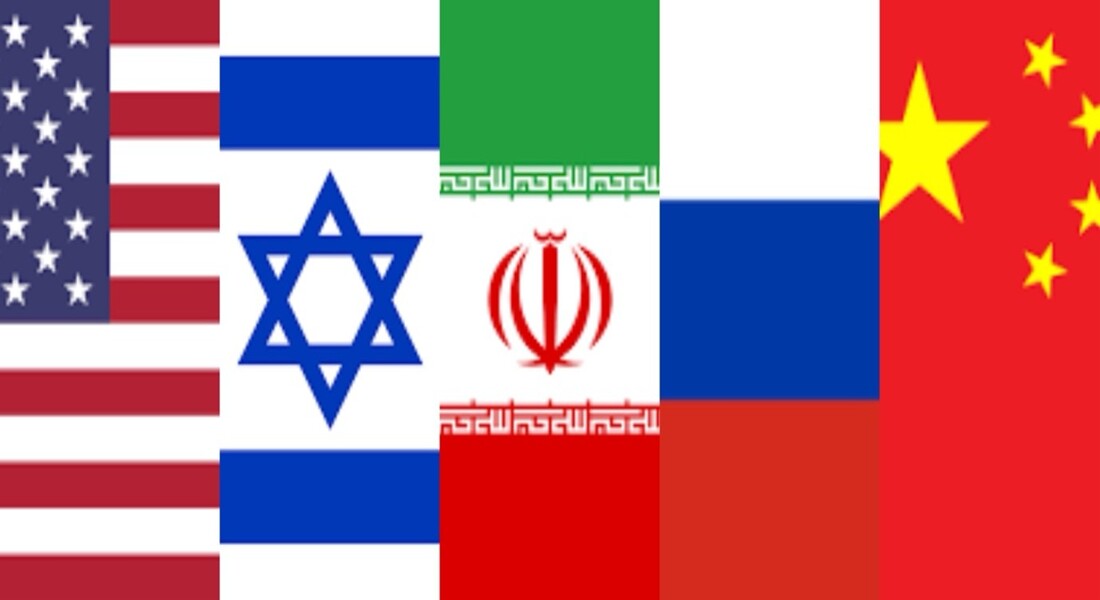
Russia and China have condemned the United States-Israel strikes on Iran that resulted in the death of Supreme Leader Ali Khamenei, asserting that these actions violate international law and are unacceptable assaults on a sovereign nation. However, neither country committed to providing military or civilian support to Iran. Both called for an immediate ceasefire and a return to diplomatic negotiations. Meanwhile, Donald Trump warned that U.S. operations in Iran could continue for up to four weeks or longer, indicating openness to deploying ground forces and thereby involving the United States directly in the campaign. Additionally, other nations have merely reiterated their usual rhetoric, condemning the violence and urging the conflicting parties to seek resolution through diplomatic channels. It is clear that Iran currently has no reliable allies. Russia is preoccupied with the war in its backyard, while China seems to be playing a waiting game. After the US seized Venezuela’s president in early January this year, Beijing only condemned the ‘blatant use of force’ but offered little beyond vague criticism. China’s responses to US interventions in both Venezuela and Iran suggest that their so-called ‘strategic partnerships’ with Iran fall far short of a military alliance and are not ready to provide support when partners face serious threats.

Iran has been a key strategic, military, and economic partner for Russia in West Asia, supplying drones and missiles since Russia’s 2022 invasion of Ukraine. Moscow also risks losing another regional foothold if Iran’s regime collapses, following the fall of Syria’s Bashar al-Assad in 2024. However, beyond condemning the attacks on Iran, the Kremlin has remained publicly silent, reflecting Russia’s limited capacity to project power at this stage. Nevertheless, Moscow may benefit from rising global oil prices, as higher prices could boost Russian crude sales.

In the ‘Realist’ view of international relations, the global system operates on the principle of self-help, since there is no overarching authority to enforce rules. This means states must rely on their own military and economic power for security. In today’s context, the limitations of the United Nations become evident. Ultimately, national interests outweigh friendships. It should be recognized that alliances are more significant during ‘no-war’ periods. The idea of shared interests also has inherent value. Based on research using the Alliance Treaty Obligations and Provisions (ATOP) dataset, it has been found that the reliability of alliance commitments has declined considerably since World War II, compared with earlier periods. Alliances are not always honoured. Even the overall average from 1816 to 2003 shows that alliances were maintained roughly 50% of the time. A stark difference exists between higher compliance before 1945 and lower compliance afterward. In short, the assumption that formal treaties are always trustworthy is incorrect.

A clear example of successful alliances is the North Atlantic Treaty Organization (NATO), established on April 4, 1949. However, in recent decades, NATO has not been tested to its full extent, and it can be argued that the alliance has primarily served as a framework for strategic coordination rather than frequently engaging in direct conflict. Today, the US remains NATO’s largest contributor, both financially and in military assets. If this imbalance continues or Washington reduces its commitment, NATO’s influence and cohesion could face future challenges.

It is clear that Iran’s relationship with Russia and China has been more of an alliance driven by necessity in opposition to Western dominance. They also share significant economic interests. It is also evident that strategic partnerships enable collaboration without forcing either side to fight each other’s wars.

Interestingly, Iran is only permitting Chinese vessels to pass through the Strait of Hormuz as a sign of appreciation for Beijing’s (moral) support since the war started. China is the biggest consumer of oil from many Arab countries, with about half of its imports coming from the region. Clearly, Iran is making this move both as a diplomatic gesture and as a potential long-term strategic investment. Today, they need allies. During the ongoing conflict, the performance of Chinese-made air defense systems supplied to Iran has been scrutinized, and China had previously provided older models of drones and UAVs. Iran also knows that Russia is already deeply involved in its prolonged war with Ukraine and is unlikely to offer significant military help, so Tehran has little choice but to rely more heavily on Beijing.

Overall, amidst the escalating tension concerning Iran, two of the world’s most influential nations are observing from the sidelines: Russia and China, frequently identified as Tehran’s strategic allies. It is known that there have been no binding defense commitments in this regard; however, as major powers positioning themselves as challengers to US dominance, more was expected from them. Currently, Russia is deeply involved in the war in Ukraine, while China is focusing on its economic interests and also considers the Taiwan issue in its calculations. Ultimately, it is about interests, not ideology or friendship. So when interests clash, even the strongest alliances can fall silent.


Group Captain (Retd.) Dr. Ajey Lele is the Deputy Director General of the Manohar Parrikar Institute for Defence Studies and Analyses (MP-IDSA), New Delhi. This article is republished from SSPC under a mutual content sharing collaboration. Read the original article here. The views expressed are personal and do not necessarily reflect those of IndiaVerve.

CPET application deadline extended till March 22

Bhubaneswar: The Odisha Higher Education Department has extended the application deadline for the Common PG Entrance Test (CPET), allowing students to apply till March 22, 2026.

Candidates can submit their applications through the SAMS portal by completing the Common Application Form (CAF) until 11:45 PM on the revised deadline. The earlier last date was March 18. The Higher Education Department has decided to extend it in view of the larger interest and future prospects of students.

CPET is mandatory for admission to postgraduate courses for the 2026–27 academic session, with selections based on marks obtained in the entrance examination.

The department has also set a target to begin postgraduate classes across universities and colleges in the state by July 10, 2026, as part of efforts to streamline the academic calendar and ensure timely completion of courses.

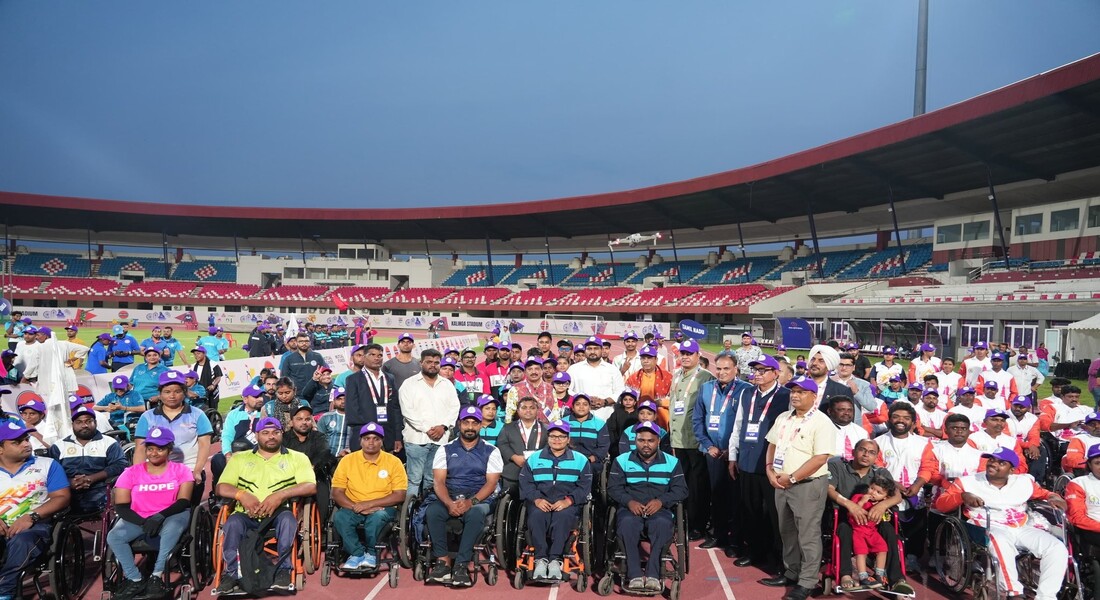
Minister Suryabanshi inaugurates 24th National Para Athletics Championship at Kalinga stadium

Bhubaneswar: Sports and Youth Services Minister Suryabanshi Suraj on Wednesday inaugurated the 24th National Para Athletics Championship at Kalinga Stadium, Bhubaneswar, welcoming more than 1,400 para athletes from across the country.

Addressing the gathering, the minister said the championship reflects the spirit of courage, determination, and resilience shown by para athletes.

In a post on X, he said Odisha continues to strengthen its sporting ecosystem with a focus on inclusivity and excellence.

Suraj further said the State has been working to create equal opportunities for athletes and promote a vibrant sports culture. The initiative aligns with the broader vision of Prime Minister Narendra Modi and the leadership of Chief Minister Mohan Charan Majhi, he added.

The championship has brought together participants from different states, making it one of the largest gatherings of para athletes in the country.

The minister wished all participants success and expressed hope that the event would inspire athletes and promote greater awareness about para sports.

The Championship will conclude on March 21.