At IndiaVerve, we go beyond the noise to bring you meaningful stories of change, resilience and progress—from India to the world stage. Our mission is to bring readers credible, wide-ranging coverage across politics, business, sports, culture, society and more.

Odisha wildlife panel backs irrigation, drinking water projects

Bhubaneswar: The Standing Committee of the Odisha State Board for Wildlife has recommended six key development projects, including irrigation and drinking water initiatives, balancing ecological concerns with rural development needs.

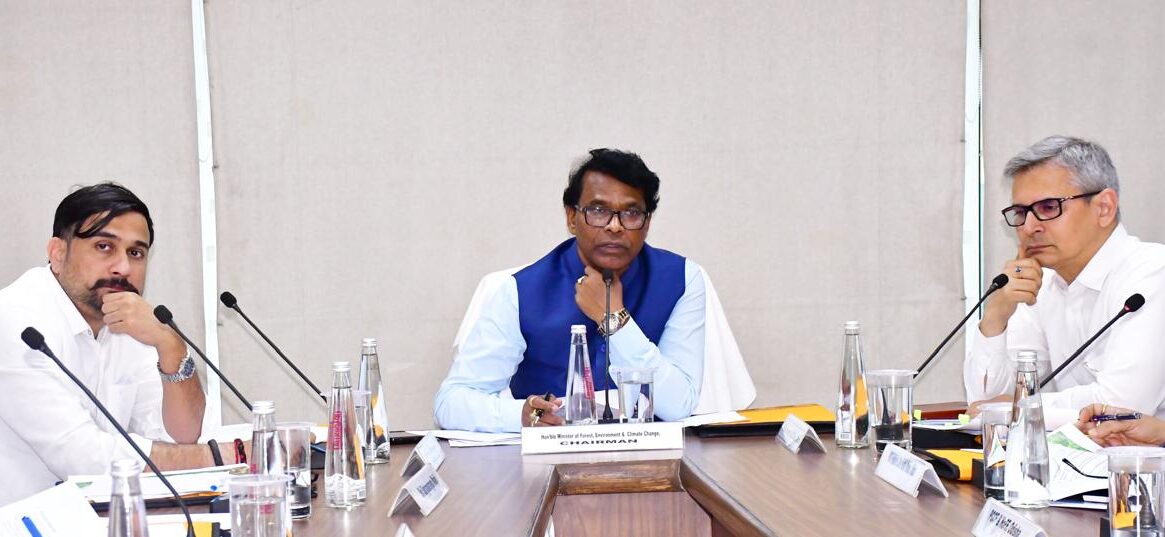
The decision was taken at the committee’s 12th meeting held today at Kharvel Bhawan under the chairmanship of Forest, Environment and Climate Change Minister Ganesh Ram Singh Khuntia. The panel functions under provisions of the Wildlife (Protection) (Amendment) Act, 2022 to assess projects impacting wildlife areas.

Of the six proposals reviewed, three relate to irrigation infrastructure in Angul and Mayurbhanj districts. These projects aim to provide assured water supply to agricultural areas, improving farm productivity and supporting rural livelihoods, according to an official release.

The remaining three proposals focus on drinking water supply in remote and forested regions, including areas within and around Satkosia, Similipal, and Chandaka-Dampara wildlife sanctuaries. Officials said these initiatives are intended to address basic public health needs in hard-to-reach habitations.

After detailed deliberations, the committee recommended all six projects for approval by Chief Minister Mohan Charan Majhi, who chairs the State Board for Wildlife. Once cleared, the proposals will be sent to the National Board for Wildlife for final approval.

The meeting was attended by MLA Irasis Acharya, Principal Secretary Bhaskar Jyoti Sharma, Principal Chief Conservator of Forests Dr K Murugesan, Chief Wildlife Warden Prem Kumar Jha, and other members of the committee.
Odisha sets Guinness record with 1,174 kg Pakhala

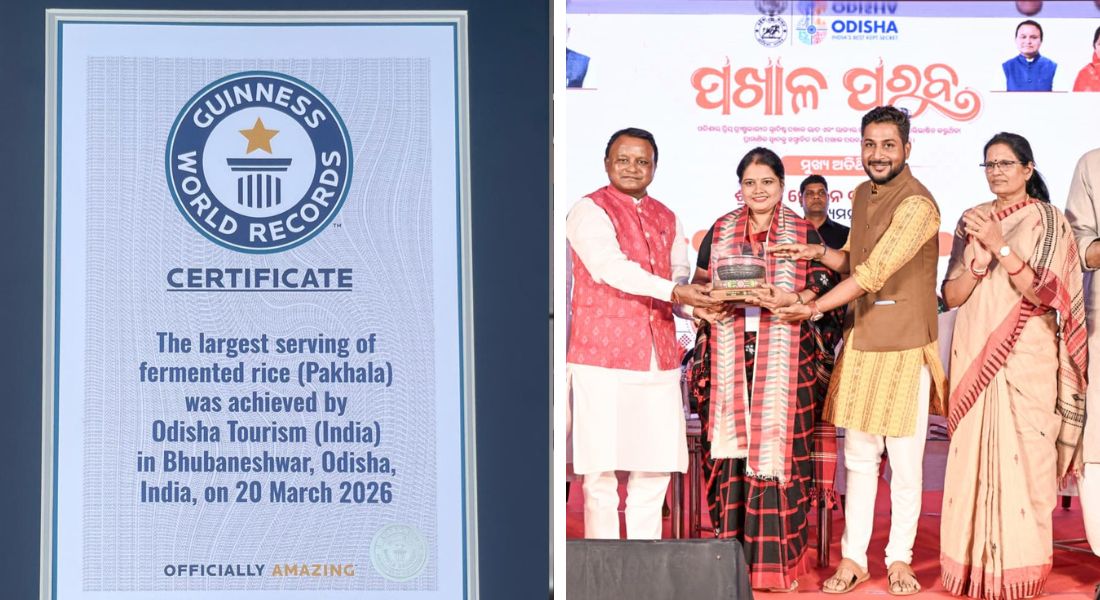
Bhubaneswar: Odisha has secured a Guinness World Record for serving the largest quantity of fermented rice (pakhala), with a total of 1,174 kg prepared in a single vessel, marking a major milestone for the state’s culinary heritage.

The achievement, led by the Tourism Department, was recorded as part of the Pakhala Parab celebrations in the state capital, drawing national and global attention to Odisha’s iconic traditional dish.

The feat marks a significant moment in positioning Odisha’s indigenous food traditions on the global map, showcasing how Pakhala Bhat has evolved from a humble local staple to a symbol of cultural pride with worldwide relevance, according to an official release.

Pakhala, a fermented rice dish widely consumed across the state, is deeply rooted in Odisha’s daily life and food traditions, especially during the summer months. The record attempt highlighted both its cultural importance and nutritional value.

The milestone is being seen as a boost for Odisha’s efforts to showcase indigenous cuisine internationally, with the government increasingly focusing on promoting local food traditions as part of tourism and cultural outreach.

Odisha Chief Minister Mohan Charan Majhi attended the celebrations at Panthanivas earlier today, marking World Pakhala Day and highlighting the cultural and nutritional significance of the traditional dish.

ALSO READ: CM Majhi joins Pakhala Paraba, highlights Odisha’s food heritage

Addressing the gathering, the Chief Minister said pakhala is not just food but an integral part of Odisha’s culture and tradition. He noted that the festival aims to take Odia cuisine to the global stage and ensure that traditional food practices are preserved amid growing influence of modern dietary trends.

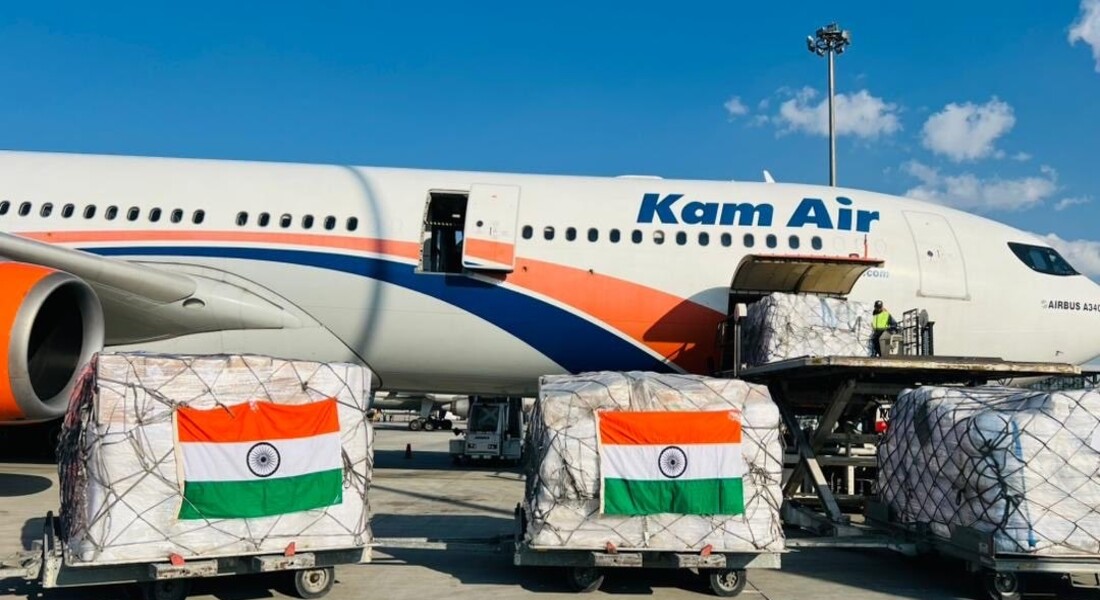
India rushes 2.5-ton medical aid to Afghanistan

NEW DELHI: In a strong show of support for the Afghan people, India on Friday delivered a 2.5-ton consignment of emergency medicines, medical disposables, kits, and equipment to Kabul.

The move aims to aid the medical treatment and ensure the swift recovery of those injured in the attack on March 16.

Randhir Jaiswal, Spokesperson for the Ministry of External Affairs, said in a post on X that the consignment is part of India’s ongoing humanitarian assistance.

Jaiswal added: “India stands in solidarity with the Afghan people and will continue to extend all possible humanitarian support in this difficult hour.”

India earlier strongly condemned Pakistan’s airstrike on the Omid Addiction Treatment Hospital in Kabul on Monday, describing it as a barbaric act that caused heavy civilian casualties.

In an official statement, the ministry said the attack targeted a facility that could not be justified as a military objective and termed the action a massacre, being portrayed as a military operation.

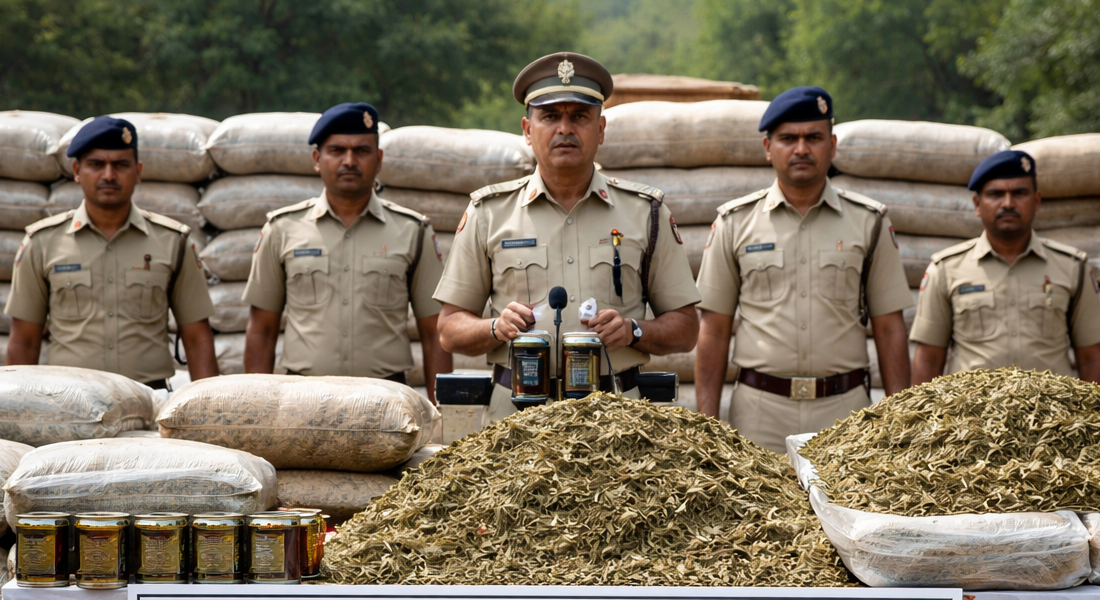
Odisha Police destroys over Rs 1,444 crore cannabis

Bhubaneswar: Odisha Police has intensified its anti-drug crackdown, reporting major gains under a sustained campaign aligned with the Centre’s vision of a drug-free India.

Addressing a press conference in Bhubaneswar on Friday, Director General of Police (DGP) Yogesh Bahadur Khurania said the State recorded significant success between January 1, 2025, and February 28, 2026.

During this period, illegal cannabis cultivation spread over 48,160 acres, valued at over Rs 1,444 crore, was destroyed. Police also seized 2,69,166 kg of cannabis worth more than Rs 1,346 crore, along with 1,862 litres of cannabis oil valued at around Rs 200 crore.

In addition, brown sugar worth Rs 41.7 crore and cough syrup valued at Rs 10.17 crore were confiscated. A total of 654 interstate drug traffickers were arrested during the period, Odisha Police said in a press note.

Khurania said sustained enforcement and targeted strategies have weakened drug networks across the state.

He said Odisha Police will launch a special statewide anti-drug drive from April 1, 2026, to completely eradicate cannabis and other narcotics within three years.

The DGP said illegal cannabis cultivation was largely concentrated in Maoist-affected regions, where it served as a source of income for extremist groups. However, consistent police action has reduced Maoist presence from 12 districts to just 2–3 districts.

Cannabis cultivation has declined by nearly 50% in districts such as Gajapati, Rayagada, and Koraput, he added.

Police data showed that 670 cases were registered in 2025, leading to the destruction of 29,493 acres of cannabis crop. By February 28, 2026, 357 cases were registered and 18,667 acres destroyed.

Similarly, 1,389 cases were registered in 2025 with 1,991 arrests and seizure of 1,95,130 kg of cannabis. By February 28, 2026, 217 cases led to 343 arrests and seizure of 74,036 kg.

To curb the brown sugar trade, police registered 445 cases and arrested 910 persons, seizing over 20 kg of the contraband. Crackdowns on illegal cough syrup trade led to the seizure of 1,01,755 bottles and arrest of 236 persons.

In a major operation, Koraput police dismantled a cannabis oil processing unit and seized more than 1,800 litres of hashish oil valued at around ₹200 crore, along with over 1,000 kg of cannabis. Seven persons, including four from Kerala, were arrested.

Over the past two years, police destroyed 67 tonnes of seized cannabis in 634 cases. Under a special drive “Prahar” conducted in September 2025, 339 cases were registered and 487 persons arrested.

To weaken the financial backbone of drug traffickers, assets worth over Rs 10 crore have been seized.

Odisha Police has also strengthened surveillance at key transit points using STF-trained sniffer dogs.

Alongside enforcement, authorities are focusing on awareness and rehabilitation. A total of 52 de-addiction centres are operational in the state, providing free treatment, shelter, and skill training.

So far, 19,395 individuals have been rehabilitated and brought back into the mainstream.

Police have urged citizens to support efforts to build a drug-free society and report any information related to narcotics to the nearest police station or helpline.

CM Majhi joins Pakhala Paraba, highlights Odisha’s food heritage

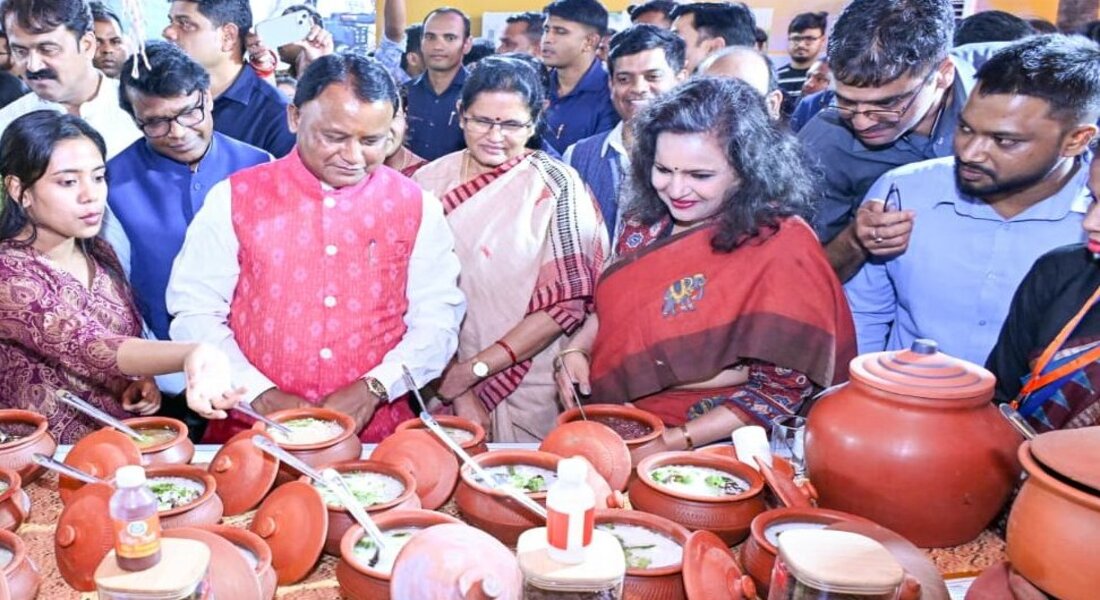
Bhubaneswar: Odisha Chief Minister Mohan Charan Majhi on Friday attended the state-level Pakhala Paraba celebrations at Panthanivas, marking ‘World Pakhala Day’ and highlighting the cultural and nutritional significance of the traditional dish.

Addressing the gathering, the Chief Minister said pakhala is not just food but an integral part of Odisha’s culture and tradition. He noted that the festival aims to take Odia cuisine to the global stage and ensure that traditional food practices are preserved amid growing influence of modern dietary trends.

Recalling his childhood association with pakhala, Majhi said the dish is deeply rooted in everyday life and is also offered to Lord Jagannath in the form of “Tanka Torani”, reflecting the purity and simplicity of traditional living. He described pakhala as a “zero-waste” food and highlighted its probiotic properties, which help maintain gut health.

The Chief Minister said World Pakhala Day has evolved into a global celebration, with Odias across India and abroad observing the occasion and staying connected to their roots. He added that promoting such traditions is part of the government’s broader vision of a “Viksit Odisha” while preserving cultural heritage.

As part of the event, the Tourism Department prepared 1,177 kg of pakhala using 850 kg of rice in an attempt to enter the Guinness World Records for the largest serving of fermented rice. The prepared pakhala was distributed to over 2,000 people from underprivileged communities.

The programme also featured virtual participation from members of the Odia diaspora across 15 states and countries including Indonesia, Malaysia, Bahrain, and Singapore. The Chief Minister interacted with them and honoured chefs who have contributed to promoting Odia cuisine at national and international levels.

CM Majhi visited a food festival at the venue, where around 326 varieties of Odia dishes were showcased. He also joined guests in partaking in pakhala during the celebration.

Earlier today, Majhi took to social media to wish the people of Odisha on World Pakhala Day, describing pakhala as more than just food and calling it “the aroma of our soil, the pride of our traditions, and an integral part of the Odia way of life.” He urged people to preserve this legacy while strengthening Odia identity on the global stage.

Several dignitaries attended the event, including Assembly Speaker Surama Padhy, Deputy Speaker Bhabani Shankar Bhoi, Deputy Chief Ministers Kanak Vardhan Singh Deo and Pravati Parida, Forest and Environment Minister Ganesh Ram Singh Khuntia, Rajya Sabha MP Manmohan Samal, MLA Babu Singh, and Chief Secretary Anu Garg.

India reaffirms 500 GW clean energy target

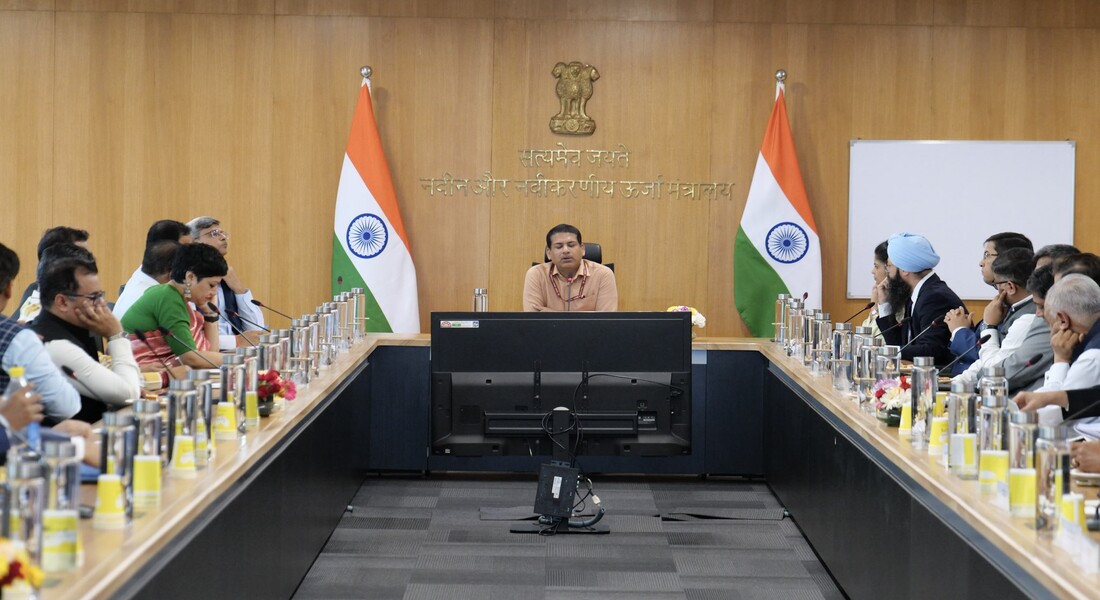
New Delhi: Santosh Sarangi, Secretary, Ministry of New and Renewable Energy (MNRE), on Friday reaffirmed India’s commitment to achieving 500 GW of non-fossil fuel capacity.

He was speaking at a roundtable on “Unlocking Financing Pathways for India’s Net-Zero Energy Transition: Strategies for Industry-Finance Collaboration.”

The event was organised in collaboration with the US-India Strategic Partnership Forum at Atal Akshay Urja Bhawan, New Delhi, the MNRE said in a post on X.

Sarangi highlighted the importance of greater industry involvement and strong financing frameworks to drive India’s clean energy transition.

Participants from the industry shared perspectives on improving coordination between businesses and financial institutions. They emphasised the need for innovative financing tools, streamlined processes, and better access to capital to accelerate investments.

The discussion also explored ways to mobilise domestic capital, strengthen investor confidence and develop scalable funding models to ensure faster and more efficient investment in the renewable energy sector.

BPCL commissions 2G bioethanol refinery in Odisha’s Bargarh

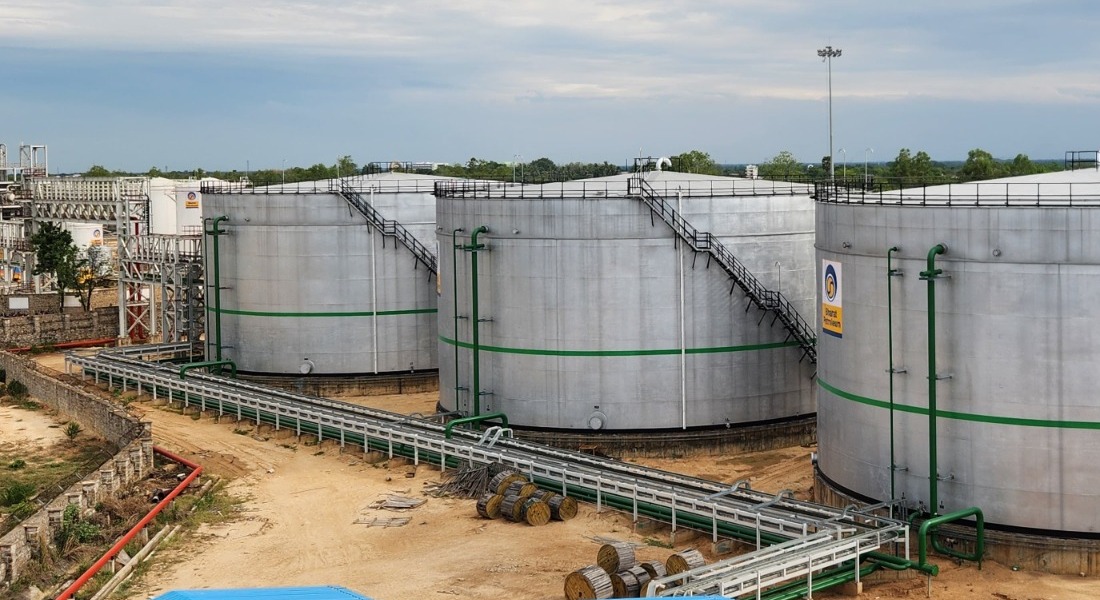
Bhubaneswar: Bharat Petroleum Corporation Limited (BPCL) has commissioned its second-generation (2G) bioethanol refinery at Bargarh in Odisha, marking a key step in advancing clean energy initiatives.

The facility has a production capacity of 100 kilolitres per day and uses rice straw as feedstock. It employs advanced lignocellulosic technology, along with pretreatment and fermentation processes, to produce fuel-grade bioethanol, the company said in a post on X.

The refinery has been designed as a Zero Liquid Discharge plant with solid-liquid separation systems, ensuring efficient utilisation of resources while maintaining high environmental standards.

The project aligns with India’s E20 Ethanol Blending Programme and the National Biofuels Policy. It aims to reduce carbon emissions and promote a circular economy by converting agricultural residue into clean fuel.

BPCL said the project was delivered safely, achieving around 20 million manhours without any lost time accidents. The milestone reflects strong execution, engineering capability, and teamwork.

Israel halts gas strikes after Trump call as war escalates

The conflict involving Iran, Israel and the United States has entered a volatile phase, marked by attacks on critical energy infrastructure, conflicting claims over military coordination, and rising global economic concerns.

Israeli Prime Minister Benjamin Netanyahu said Israel will pause further strikes on Iranian gas facilities following a request from US President Donald Trump. Addressing a press conference, Netanyahu stated that Israel had acted independently in targeting Iran’s South Pars gas field but would “hold off” on similar attacks going forward, as reported by The Times of Israel.

Trump, who earlier said Washington had no prior knowledge of the strike, later confirmed that he had asked Israel to avoid targeting oil and gas infrastructure. However, this version has been disputed by Israeli officials, who told The New York Times on condition of anonymity that the United States had been informed in advance of the attack, highlighting apparent differences in public messaging between the allies.

The South Pars gas field, one of the world’s largest natural gas reserves and a key source of Iran’s energy output, has become a focal point in the escalating conflict. Following the strike, Iran retaliated by targeting energy facilities in the Gulf, including Qatar’s Ras Laffan liquefied natural gas complex, triggering sharp increases in global gas prices.

ALSO READ: PM Modi speaks to global leaders, pushes de-escalation in West Asia

Meanwhile, hostilities continue on multiple fronts. Explosions have been reported in both Tehran and Jerusalem, while Gulf countries including the United Arab Emirates, Saudi Arabia, Kuwait and Bahrain have reported missile and drone attacks, which some have attributed to Iranian action.

Iran has warned of further escalation. Its foreign minister indicated that Tehran would respond with “zero restraint” if attacks on its infrastructure continue, signalling the potential for more aggressive retaliation.

Netanyahu, in his press briefing, claimed that Iran’s strategic capabilities have been significantly weakened. He asserted that Iran no longer has the ability to enrich uranium or produce ballistic missiles and said Israel would continue operations to dismantle remaining capabilities. He also suggested that ongoing pressure could create conditions for internal political change in Iran, The Times of Israel reported.

The humanitarian toll of the conflict is mounting. According to the US-based Human Rights Activists News Agency (HRANA), the death toll in Iran has crossed 3,100 since the war began. At the same time, attacks on energy infrastructure have begun to impact global markets, with gas prices rising sharply in Europe and the United Kingdom following disruptions in supply.

As the war approaches its fourth week, the expanding scope of attacks—from military targets to energy hubs—has heightened fears of a prolonged conflict with far-reaching economic and geopolitical consequences.

Odisha reviews ‘Gramodaya’ initiative in Maoist-affected areas

Bhubaneswar: The Odisha government has intensified efforts to ensure comprehensive development in Maoist-affected areas under its “Gramodaya” initiative, launched in October 2024.

Chief Secretary Anu Garg on Thursday reviewed the implementation of the programme at a state-level meeting held at Lok Seva Bhavan. She directed all departments to ensure that the benefits of government schemes reach 100% of eligible beneficiaries in saturation mode.

Senior officials and secretaries of various departments attended the meeting and presented updates on progress made in the identified regions, according to a government release.

The Gramodaya initiative aims to deliver welfare schemes and basic services at both community and household levels, with a focus on building trust between the administration and people through targeted development.

The programme covers 57,296 families across 484 villages in 192 gram panchayats of 39 blocks spread over 10 Maoist-affected districts. These districts include Bargarh, Boudh, Balangir, Kalahandi, Kandhamal, Koraput, Malkangiri, Nabarangpur, Nuapada, and Rayagada.

To monitor implementation, committees have been formed at state, district, block, and gram panchayat levels. A baseline survey conducted by 20 departments is guiding efforts to achieve full coverage across sectors.

The chief secretary directed departments to ensure the issuance of ration cards to all eligible beneficiaries. Steps are also being taken to open fair price shops based on local needs and to provide land to homeless families under the Basundhara scheme.

The meeting reviewed healthcare services in the affected areas. The Higher Education Department is arranging pre-recruitment training for youth aspiring to join Agniveer, paramilitary, and police services.

Authorities are prioritising the construction of anganwadi centres in uncovered villages and ensuring basic facilities such as drinking water, electricity, toilets, kitchens and cooking gas. Departments have also initiated measures to provide scholarships to students from economically weaker sections.

Banking access is being expanded in 244 villages through mini banks and micro ATMs. Efforts are underway to include all eligible women in self-help groups and to install mobile towers in areas lacking network connectivity.

The Sports and Youth Services Department has extended financial support for the construction of stadiums at all 39 block headquarters and for providing sports equipment.

Transport connectivity has improved in these regions. In Nabarangpur, 75% of women are availing bus services, while the figure stands at 65% in Malkangiri. Bus stands are being developed under the Atal Bus Stand Scheme to strengthen infrastructure.

Steps are also being taken to enhance irrigation capacity through deep borewells and group irrigation projects.

Government reviews Nandankanan Zoological Park master plan

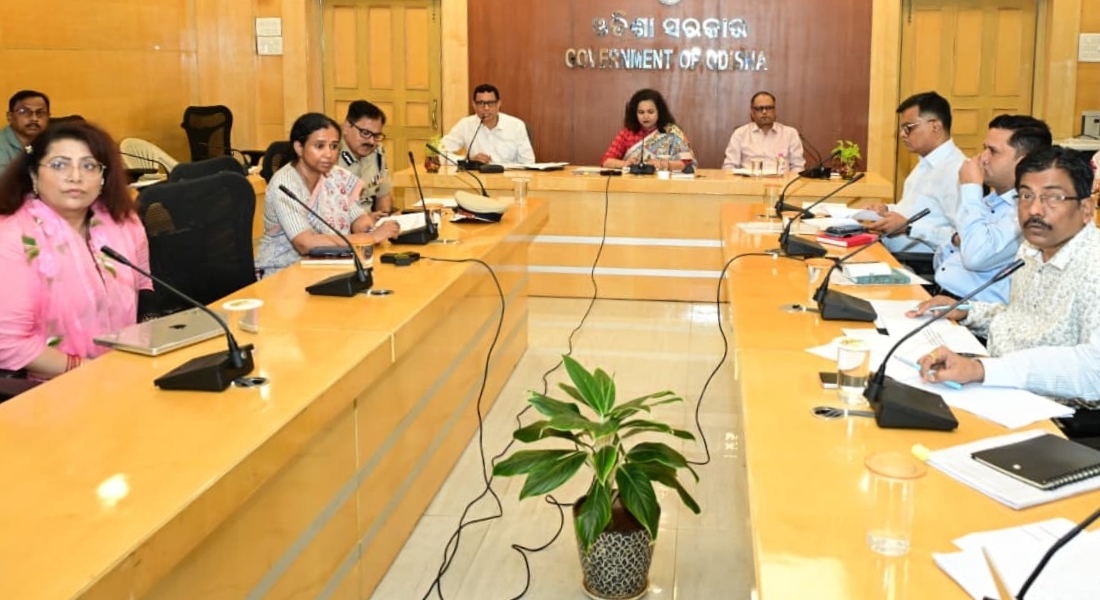
Bhubaneswar: A high-level review meeting on the development of Nandankanan Biological Park was held on Thursday under the chairpersonship of Chief Secretary Anu Garg.

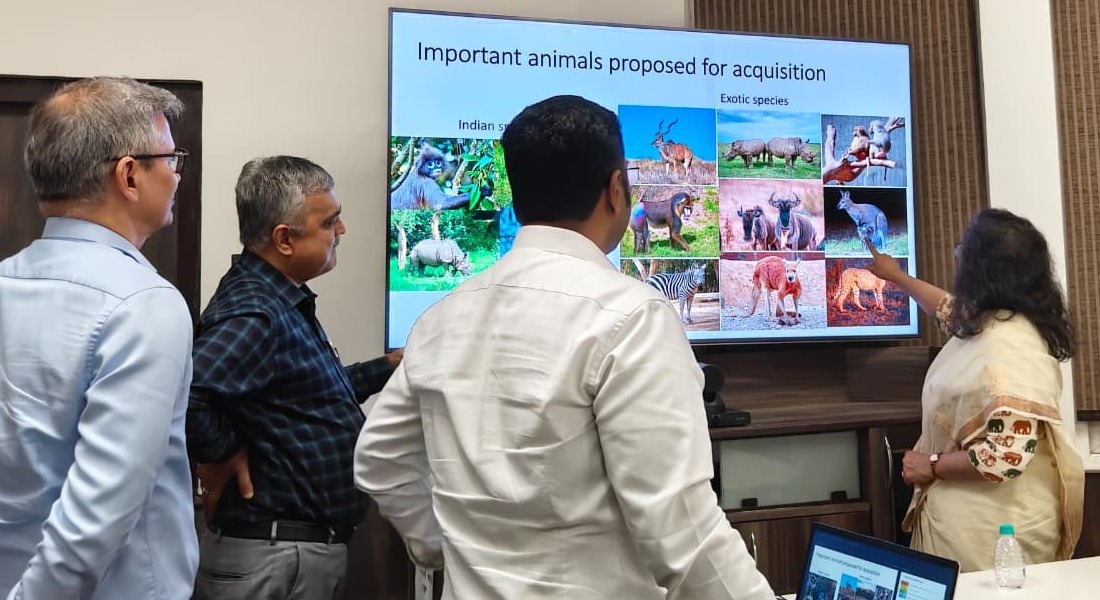
During the meeting, officials reviewed the Master Plan of Nandankanan Zoological Park and assessed its implementation. The meeting focused on strengthening conservation, research, and training through the Centre for Conservation Research and Training.

It also reviewed measures to enhance visitor experience and promote animal exchange programmes.

The authorities stressed the need to fast-track new thematic display areas and key infrastructure projects at the park, PCCF (Wildlife) & Chief Wildlife Warden, said in a post on X.

The meeting was attended by Principal Secretary, Forest, Environment and Climate Change Department, Bhaskar Jyoti Sarma; PCCF (Wildlife) and Chief Wildlife Warden, Prem Kumar Jha; and Director of Nandankanan Biological Park, Sanath Kumar N.

In a separate development, a capacity-building workshop under the Marine Animal Conservation and Awareness Programme 2026 was organised by the Balasore Wildlife Division at Chandipur International Tourism Resort.

The Divisional Forest Officer of Balasore chaired the programme. Assistant Conservators of Forests, range staff, faculty members, students, and research scholars from Fakir Mohan University and RIHS Bhograi took part in the event.

Wildlife experts, NGOs, Vana Suraksha Samiti members, and representatives from the fishermen community also participated in the workshop.