
The conflict involving Iran, Israel and the United States has entered a volatile phase, marked by attacks on critical energy infrastructure, conflicting claims over military coordination, and rising global economic concerns.
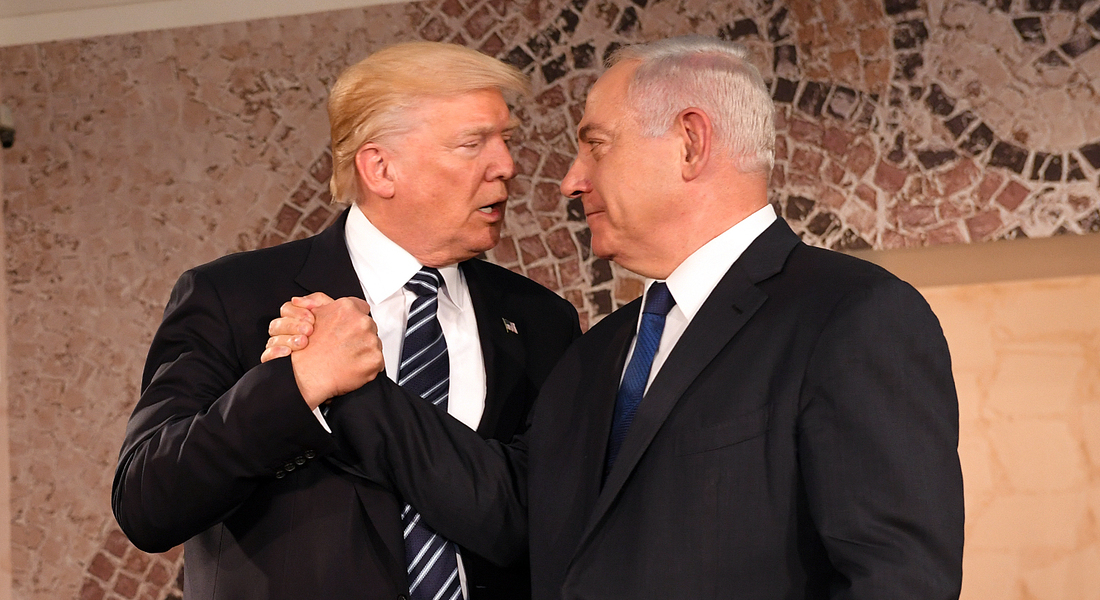
Israeli Prime Minister Benjamin Netanyahu said Israel will pause further strikes on Iranian gas facilities following a request from US President Donald Trump. Addressing a press conference, Netanyahu stated that Israel had acted independently in targeting Iran’s South Pars gas field but would “hold off” on similar attacks going forward, as reported by The Times of Israel.
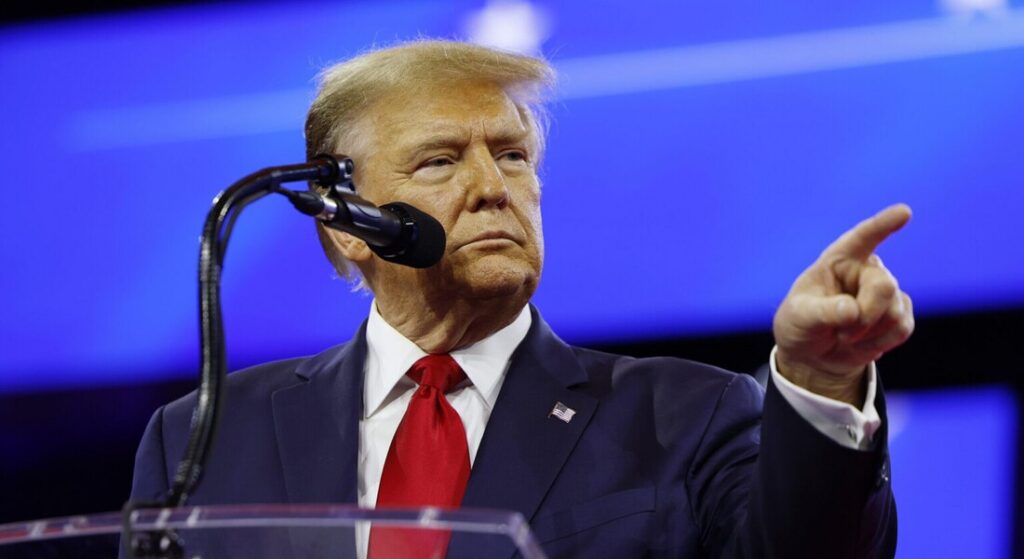
Trump, who earlier said Washington had no prior knowledge of the strike, later confirmed that he had asked Israel to avoid targeting oil and gas infrastructure. However, this version has been disputed by Israeli officials, who told The New York Times on condition of anonymity that the United States had been informed in advance of the attack, highlighting apparent differences in public messaging between the allies.
The South Pars gas field, one of the world’s largest natural gas reserves and a key source of Iran’s energy output, has become a focal point in the escalating conflict. Following the strike, Iran retaliated by targeting energy facilities in the Gulf, including Qatar’s Ras Laffan liquefied natural gas complex, triggering sharp increases in global gas prices.
ALSO READ: PM Modi speaks to global leaders, pushes de-escalation in West Asia
Meanwhile, hostilities continue on multiple fronts. Explosions have been reported in both Tehran and Jerusalem, while Gulf countries including the United Arab Emirates, Saudi Arabia, Kuwait and Bahrain have reported missile and drone attacks, which some have attributed to Iranian action.
Iran has warned of further escalation. Its foreign minister indicated that Tehran would respond with “zero restraint” if attacks on its infrastructure continue, signalling the potential for more aggressive retaliation.
Netanyahu, in his press briefing, claimed that Iran’s strategic capabilities have been significantly weakened. He asserted that Iran no longer has the ability to enrich uranium or produce ballistic missiles and said Israel would continue operations to dismantle remaining capabilities. He also suggested that ongoing pressure could create conditions for internal political change in Iran, The Times of Israel reported.
The humanitarian toll of the conflict is mounting. According to the US-based Human Rights Activists News Agency (HRANA), the death toll in Iran has crossed 3,100 since the war began. At the same time, attacks on energy infrastructure have begun to impact global markets, with gas prices rising sharply in Europe and the United Kingdom following disruptions in supply.
As the war approaches its fourth week, the expanding scope of attacks—from military targets to energy hubs—has heightened fears of a prolonged conflict with far-reaching economic and geopolitical consequences.