At IndiaVerve, we go beyond the noise to bring you meaningful stories of change, resilience and progress—from India to the world stage. Our mission is to bring readers credible, wide-ranging coverage across politics, business, sports, culture, society and more.

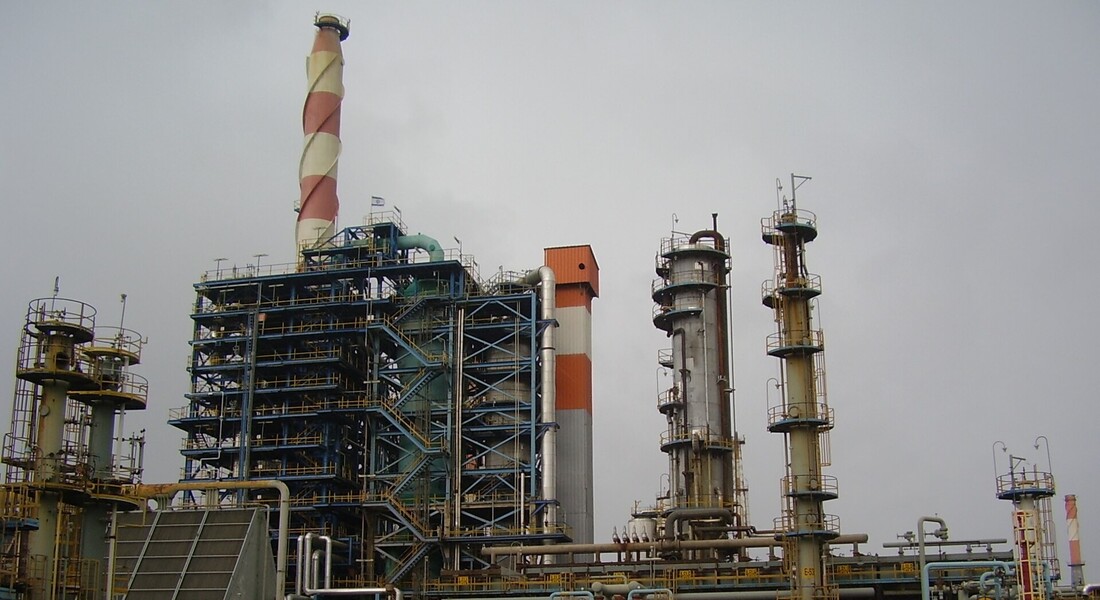
OPEC+ nations agree on output adjustment, reaffirm commitment to market stability

New Delhi: Eight key members of the Organization of the Petroleum Exporting Countries (OPEC)+ on Sunday agreed to adjust oil production while reaffirming their commitment to ensuring stability in the global energy market.

The countries – Saudi Arabia, Russia, Iraq, UAE, Kuwait, Kazakhstan, Algeria, and Oman – held a virtual meeting to review global oil market conditions and future outlook.

Following the meeting, the participating nations decided to implement a production adjustment of 206 thousand barrels per day from the previously announced 1.65 million barrels per day voluntary cuts. The adjustment will take effect from May 2026, OPEC said in a media release.

The countries stated that the broader 1.65 million barrels per day reduction, first announced in April 2023, may be partially or fully reversed depending on evolving market conditions. They indicated that any such changes would be carried out gradually.

The group reaffirmed its commitment to a cautious approach, retaining flexibility to increase, pause, or reverse the phase-out of voluntary production adjustments. This includes the possibility of reversing the additional 2.2 million barrels per day cuts announced in November 2023.

The countries noted that the current measure would allow them to accelerate compensation for any excess production. They reiterated their commitment to full compliance with the Declaration of Cooperation, with monitoring to be carried out by the Joint Ministerial Monitoring Committee.

The group also stressed the importance of safeguarding international maritime routes to ensure an uninterrupted energy supply. It expressed concern over attacks on energy infrastructure, stating that damage to such assets can be costly and time-consuming to repair, thereby affecting overall supply availability.

The countries warned that disruptions to energy infrastructure or maritime routes could increase market volatility and undermine efforts to stabilise the global oil market. They also acknowledged efforts by member nations that ensured supply continuity through alternative export routes.

The eight countries will continue to review market conditions, compliance, and compensation through monthly meetings. The next meeting is scheduled for May 3, 2026.

Railways clarify South Coast zone changes, say no impact on Odisha operations

Bhubaneswar: The Indian Railways on Sunday issued a detailed clarification addressing concerns over the inclusion of certain stations in the newly formed South Coast Railway, stating that the move will not affect Odisha’s railway operations or revenue.

According to the clarification, the Palasa-Ichchapuram section, spanning 50 km, includes seven stations: Palasa, Suma Devi, Mandasa Road, Baruva, Sompeta, Jhadupudi, and Ichchapuram. All these stations are located in the Srikakulam district of Andhra Pradesh, and none fall within Odisha’s geographical limits.

Railway officials said these stations are small to medium in size and primarily handle passenger traffic. None of them functions as a major freight loading point, and therefore, their inclusion under a different zone is unlikely to impact the revenue of East Coast Railway, according to an official statement.

The Railways also assured that both passenger and freight operations will continue without disruption. Train services across all routes will remain unaffected, with no changes in schedules, routes, or stoppages. Existing MEMU and passenger services, including Palasa–Bhubaneswar, Palasa–Cuttack, and Ichchapuram–Cuttack, will continue to operate as usual.

Officials described the change as a technical adjustment aimed at improving operational efficiency, particularly in the Visakhapatnam Division. The transition process, including staff deployment between East Coast Railway and South Coast Railway, is currently being finalised. Authorities emphasised that the interests and service conditions of railway employees will remain fully protected in accordance with established rules.

Reaffirming its commitment to Odisha, Indian Railways highlighted ongoing investments in the state. These include expansion of the rail network, station modernisation, introduction of Vande Bharat services, and the creation of the Rayagada Division under East Coast Railway.

The clarification comes amid public concern over the restructuring, with the Railways asserting that the changes are administrative in nature and aimed at ensuring smoother and more efficient railway operations without affecting services in Odisha.

Odisha Cabinet clears metro expenditure, scraps DMRC pact

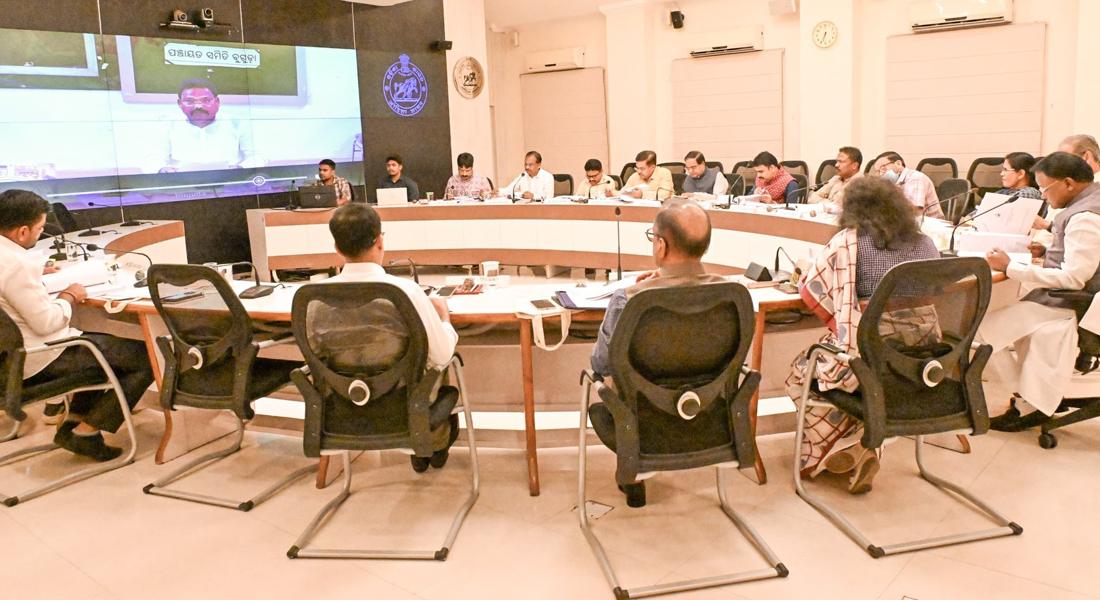
Bhubaneswar: The Odisha Cabinet has approved expenditure of Rs 273.51 crore incurred on the Bhubaneswar Metro Rail Project till December 31, 2025, while taking key decisions to restructure the state’s urban mobility strategy.

The Cabinet also authorised the Inter-Ministerial Committee (IMC) to recommend future liabilities or expenditure related to the project to the chief minister for decision-making.

In a significant policy shift, the government decided to repurpose Bhubaneswar Metro Rail Corporation Limited (BMRCL) as the nodal agency to manage inter-departmental coordination for the ongoing Sustainable Urban Mobility Transition Plan in Odisha. The agency may also function as a Special Purpose Vehicle for future mobility projects in the state.

The Cabinet further approved the termination of the agreement with Delhi Metro Rail Corporation (DMRC).

The decisions follow recommendations by the IMC, which conducted a detailed review of the metro project. The committee flagged multiple feasibility concerns, including non-compliance with the National Metro Rail Policy 2017, below-threshold traffic demand, and low ridership projections. Officials noted that continuing the project in its present form could have led to recurring annual operational losses.

Looking ahead, the state will utilise technical assistance from the Asian Development Bank to prepare a Comprehensive Mobility Plan (CMP) for the Bhubaneswar–Cuttack–Puri–Paradeep Economic Region.

The CMP will focus on Transit-Oriented Development, multi-modal integration, and sustainable mobility solutions to ensure the long-term viability of urban transport systems.

Officials said the move aims to safeguard public resources while laying the groundwork for a future-ready, regionally integrated transport network aligned with Odisha’s vision of a developed state by 2036.

US-Iran tensions escalate as Tehran warns of ‘big surprise’ amid war

New Delhi: Tensions between the United States and Iran have intensified further, with Tehran issuing sharp warnings in response to US President Donald Trump’s ultimatum and ongoing military developments in the region.

Iran rejected Trump’s recent 48-hour deadline to reach a deal and reopen the Strait of Hormuz, calling the threat “a helpless, nervous, unbalanced and stupid action”. The response came from General Ali Abdollahi Aliabadi of Iran’s Khatam al-Anbiya Central Headquarters.

Echoing the US President’s rhetoric, he warned that “the gates of hell will open for you” and said any attack on Iran’s infrastructure would trigger “devastating and continuous” strikes on US military assets in the Middle East and Israeli infrastructure, Fars news agency reported.

An Iranian security official also indicated that Tehran is preparing further action, warning of “a big surprise” for the US and Israel. The official said Iran is operating based on its own “specific target bank” and dismissed American threats as ineffective.

“We have learned well in asymmetric warfare how to wear down the enemy. America has failed in its strategy of clean, quick, and easy attack,” the official said.

The escalation follows Trump’s earlier statements threatening severe action if Iran does not comply. In a previous address, he had warned of bringing Iran “back to the Stone Age” and said “all hell” would break loose if the Strait of Hormuz is not reopened.

Despite the threats, limited maritime movement continues. According to Iranian media reports, ships carrying essential and humanitarian goods are being allowed passage through the Strait, which accounts for around 20 per cent of global oil movement.

Meanwhile, military developments on the ground have added to tensions. Trump announced that a missing US airman, whose aircraft was shot down by Iran, has been rescued in what he described as a major operation.

“WE GOT HIM! … one of the most daring Search and Rescue Operations in U.S. History,” Trump wrote on Truth Social, adding that the injured officer “will be fine”.

The aircraft, identified as an F-15E Strike Eagle, had been downed over Iran, with one crew member initially rescued and another reported missing before the operation.

Iranian authorities, meanwhile, said search efforts involving local forces and military units were underway in the region where the aircraft went down.

The conflict has also raised concerns over critical infrastructure. A recent strike near Iran’s Bushehr nuclear plant prompted evacuation of workers. Iranian Foreign Minister Abbas Araghchi warned that continued attacks could lead to radioactive fallout that would “end life in GCC capitals, not Tehran”.

The war, which began following US and Israeli strikes on Iran on February 28, has now entered its sixth week, with casualties reported across multiple countries in the region.

At the diplomatic level, divisions are emerging globally over how to respond to the crisis. Several countries have begun efforts to address the Strait of Hormuz situation independently of the United States.

The United Kingdom recently convened over 40 nations to coordinate maritime security efforts, while European leaders have pushed for diplomatic solutions instead of military action.

French President Emmanuel Macron criticised the US approach, stating, “They cannot then complain about not being supported in an operation they decided on their own. It is not our operation.”

At the United Nations, proposals have been introduced to safeguard commercial shipping, even as resistance from some countries continues.

The situation has also raised concerns over global energy supply and humanitarian impact, with disruptions affecting essential goods and prompting international coordination efforts.

As the conflict continues, uncertainty remains over its trajectory, with ongoing military actions, diplomatic disagreements and rising global economic concerns shaping the evolving crisis.

Odisha receives World Athletics flag for 2028 Indoor Championships

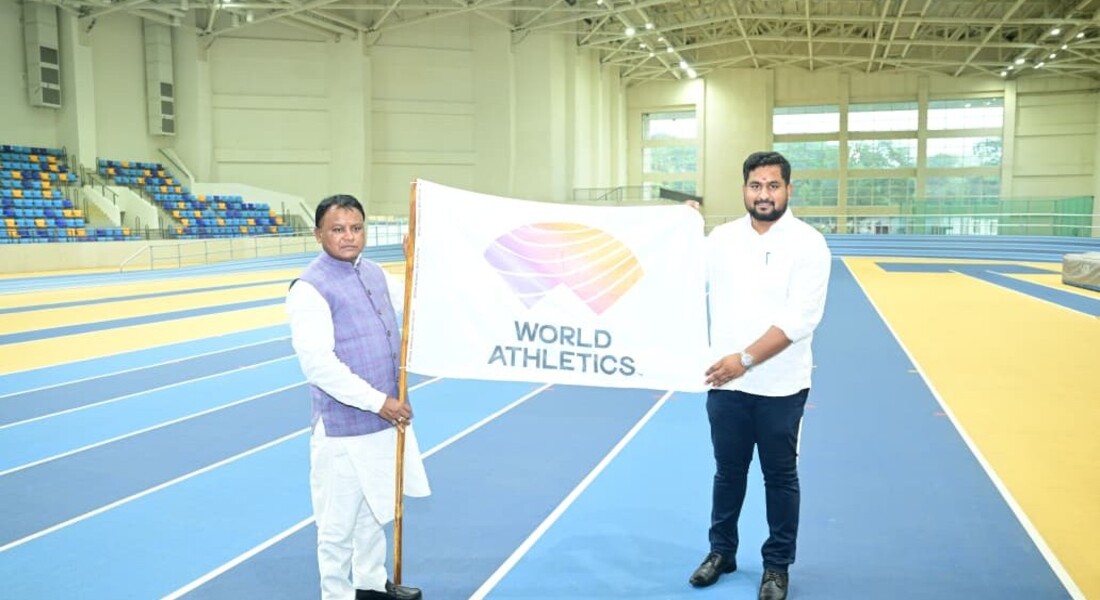
Bhubaneswar: Odisha has marked a key step towards hosting the World Athletics Indoor Championships 2028 as the World Athletics flag was formally handed over during a ceremony in Bhubaneswar.

In a ceremonial moment at Kalinga Stadium on Saturday, the World Athletics flag was formally handed over to Chief Minister Mohan Charan Majhi by Sports and Youth Services Minister Suryabanshi Suraj, underscoring the state’s readiness and commitment to organising an event of international standards.

This news was announced by CM Majhi in a post on X.

The symbolic handover reflects Odisha’s intent to deliver a world-class sporting experience, backed by modern infrastructure and proven organisational capability. Kalinga Stadium, which has previously hosted major international events, is expected to play a central role in the preparations.

The chief minister emphasised that the state is fully geared up to welcome athletes, officials, and spectators from across the globe. With a strong focus on planning and execution, Odisha aims to set new benchmarks in hosting global sporting events.

Heritage Marathon organised to promote Odia culture during Odia Pakshya

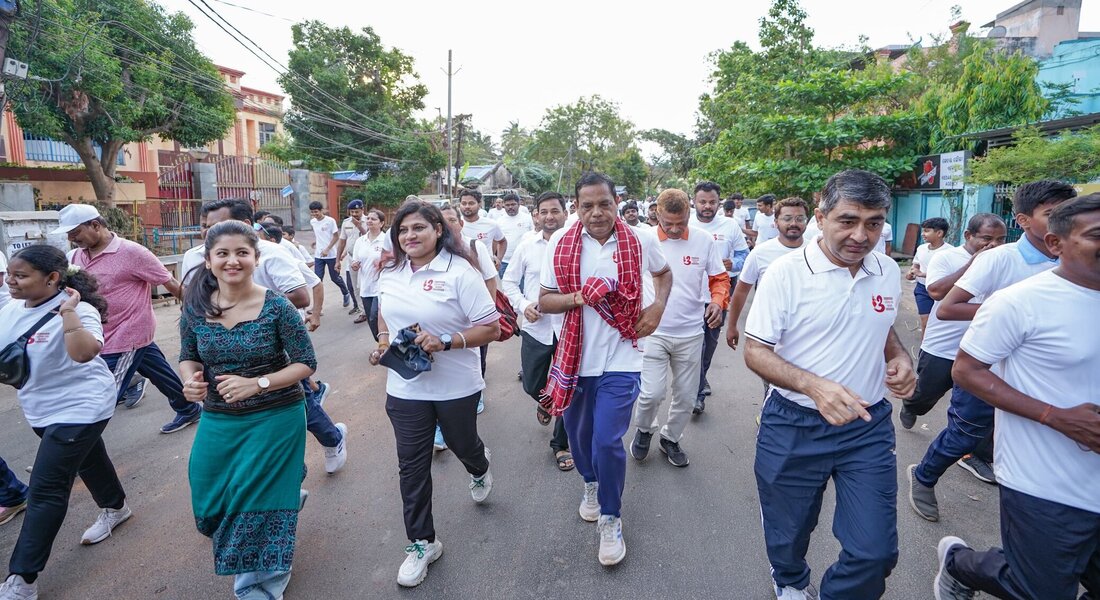
Bhubaneswar: A ‘Heritage Marathon’ was organised in Bhubaneswar on Sunday as part of the ongoing Odia Pakshya celebrations, aiming to promote awareness about Odisha’s rich cultural heritage among citizens, especially the youth.

The marathon, organised by the Department of Sports and Youth Services, began early morning from the historic Mukteswar Temple in Ekamra Kshetra and concluded at the Rajarani Temple, covering key heritage and city landmarks along the route.

Participants ran through prominent locations including Rameswar Temple, Vivekananda Marg, Utkal Kanika Galleria Mall, Lewis Road, BJB College and Rabi Talkies Square, highlighting the city’s cultural and urban landscape.

More than a thousand participants, including athletes, youth, Divyangjan and local residents, took part in the event. Officials and participants also took a collective pledge to protect and promote Odisha’s heritage and monuments.

Chandan Samal secured the first position in the marathon, followed by Siddharth Kumar Mishra in second place and Vijay Agrawal in third. The winners were felicitated and awarded medals, while all participants were also recognised with medals for their participation.

Ekamra MLA Babu Singh, who attended as the chief guest, said the marathon was not just a sporting event but an initiative to connect the younger generation with Odisha’s heritage.

“Our ancient temples and monuments are symbols of Odia identity, and their preservation is our moral responsibility,” he said.

He also expressed appreciation for the efforts of Chief Minister Mohan Charan Majhi and Sports and Youth Services Minister Suryabanshi Suraj in promoting such initiatives to bridge the gap between youth and the state’s cultural legacy.

Senior officials from the Sports and Youth Services Department, including Commissioner-cum-Secretary Bhupendra Singh Poonia and Additional Secretaries Ashok Kumar Panda and Bijay Kumar Swain, were present at the event.

Olympian Anuradha Biswal and Odia film actor Sivani Sangita also attended the programme, adding to the significance of the event.

Odisha Cabinet approves new reservation policy for higher education

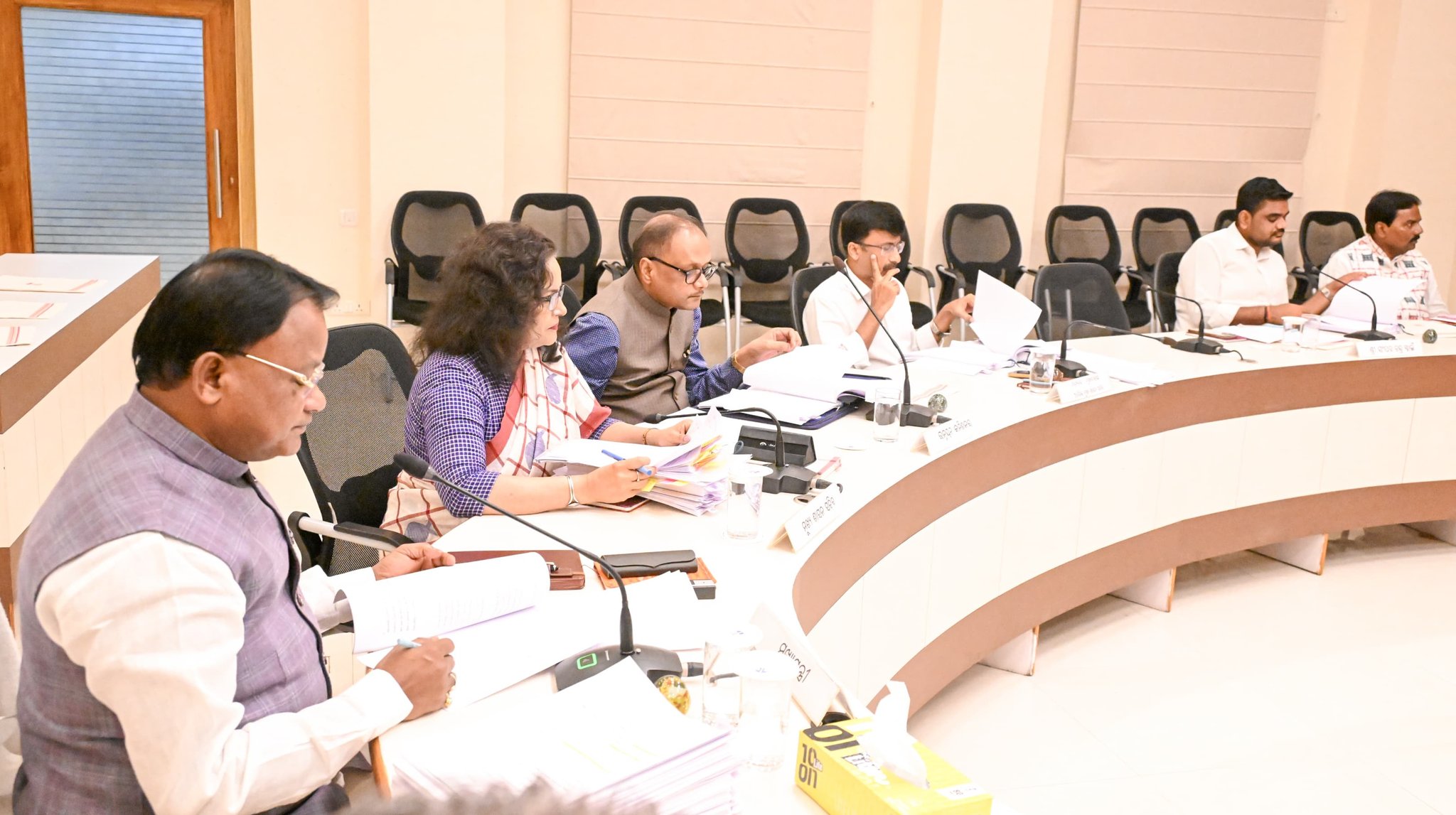
Bhubaneswar: The Odisha Cabinet has approved a major revision in the reservation policy for admissions to medical, engineering, and other higher education and technical courses across the state.

Under the new policy, Scheduled Tribes (ST) will receive 22.50% reservation, Scheduled Castes (SC) 16.25%, and Socially and Educationally Backward Classes (SEBC) 11.25%. The government decided this in a Cabinet meeting under the Chairmanship of Chief Minister Mohan Charan Majhi on Saturday.

The decision will apply to all state universities, their affiliated colleges and institutions, as well as ITIs and polytechnics. It will cover a wide range of courses, including engineering, technology, management, computer applications, medicine, surgery, dental, nursing, pharmacy, allied health sciences, veterinary science, Ayurveda, homeopathy, agriculture and allied sciences, architecture, planning, and cinematic arts and technology.

The government will also extend the new reservation structure to other notified courses at undergraduate and postgraduate levels, including certificate, diploma, and degree programmes.

The chief minister stated that despite the ST population being over 22% in Odisha, reservation in technical and professional courses had remained limited to 12% for years. Similarly, SC, with a population exceeding 17%, had only 8% reservation. SEBC students had no reservations in these courses.

He said the disparity had affected social justice and empowerment. He noted that despite decades of demands and movements, no previous government had aligned the reservation with the population share.

Majhi further said the decision aims to safeguard educational rights and strengthen the empowerment of ST, SC, and SEBC students. He added that the move will contribute to building a prosperous Odisha.

The state currently has 2,421 medical seats, including undergraduate and postgraduate courses. With the new policy, ST seats will increase from 290 to 545, while SC seats will rise from 193 to 393. A total of 272 seats will be reserved for SEBC students, which were earlier unreserved.

In engineering, out of 44,579 seats, ST allocation will increase from 5,349 to 10,030. SC seats will rise from 3,566 to 7,244. SEBC students will get 5,015 reserved seats, compared to none earlier.

The decision marks a significant shift in the state’s higher education policy, with a focus on inclusion, equity, and access.

Odisha government reviews finance and growth roadmap

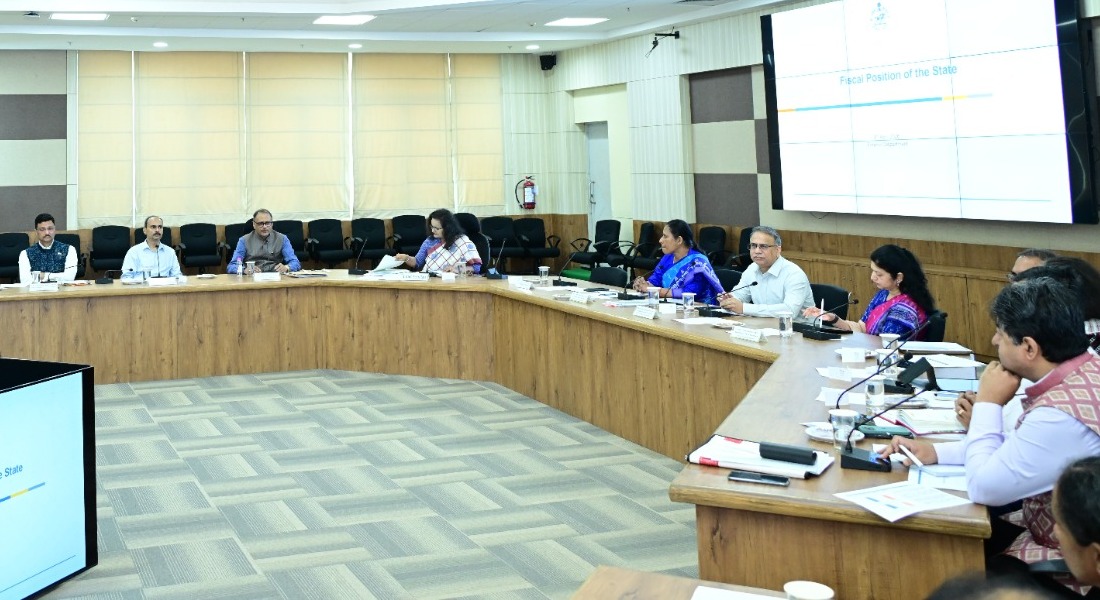
Bhubaneswar: A secretary-level meeting was held at Kharavela Bhawan on Saturday, chaired by Chief Secretary Anu Garg, to review the state’s financial performance, infrastructure progress, and key development sectors.

The Finance Department presented details of expenditure and revenue collection up to March 31, 2026. The meeting noted that total expenditure for the 2025-26 financial year rose by 8.8% compared to the same period last year. Programme expenditure increased by 10%.

Spending in agriculture, cooperation, fisheries, animal resources, and allied sectors rose by 13%. Infrastructure spending also increased over the previous year. Social sector expenditure grew by 13%, along with higher allocations in the handloom, tourism, and skill development sectors. The meeting reviewed department-wise expenditure.

Total revenue collection reached 83.42%, including the state’s own revenue, non-tax revenue, share in central taxes, and grants.

The meeting appreciated the efforts of departments such as Revenue, Steel and Mines, and Finance for maintaining growth in expenditure and revenue targets. It stressed reviewing infrastructure development programmes every 15 days in the context of the 2026-27 budget, with a focus on identifying issues and solutions.

The chief secretary advised consolidating similar schemes across departments into an integrated system to enable easier monitoring and review. Development Commissioner and Additional Chief Secretary Deoranjan Kumar Singh was tasked with examining the proposal at the departmental level and submitting recommendations.

Focusing on the vision of Developed Odisha 2036 and Developed India 2047, Commissioner-cum-Secretary of the Tourism Department, Balwant Singh, presented a roadmap for tourism development. The meeting highlighted tourism’s role in generating direct and indirect employment, promoting inclusive growth in rural and remote areas, developing skilled manpower, and preserving heritage, culture, and natural resources.

Coordination with departments such as Water Resources, Railways, National Highways, Works, Rural Development, and Revenue was discussed to support tourism expansion.

The chief secretary called for making Odisha’s tourism sector world-class. She urged all stakeholders to work together under the vision “Think India, Think Odisha” and emphasised the need to position Odisha as a preferred destination for international tourists. She also advised making the sector more attractive and expansive.

From April 2 to April 8, during “Sadhana Saptaha-2026,” officials and staff under Mission Karmayogi have been directed to complete at least one AI course and one iGOT marketplace course per week, with a minimum of four hours of training. Participants have been advised to share course completion on social media using the hashtag #igotitOdisha.

The initiative is part of a nationwide capacity-building effort led by the government of India’s Department of Personnel and Training through the Capacity Building Commission and Karmayogi Bharat. In Odisha, the General Administration and Public Grievance Department is coordinating implementation through the Gopabandhu Administrative Academy. Director General and Additional Chief Secretary Chithra Arumugam informed the meeting about the progress. The Chief Secretary directed departments and districts to ensure 100% onboarding on the iGOT platform and increase active usage.

Odia girl Payal Nag stuns Sheetal Devi as India tops Para Archery Series

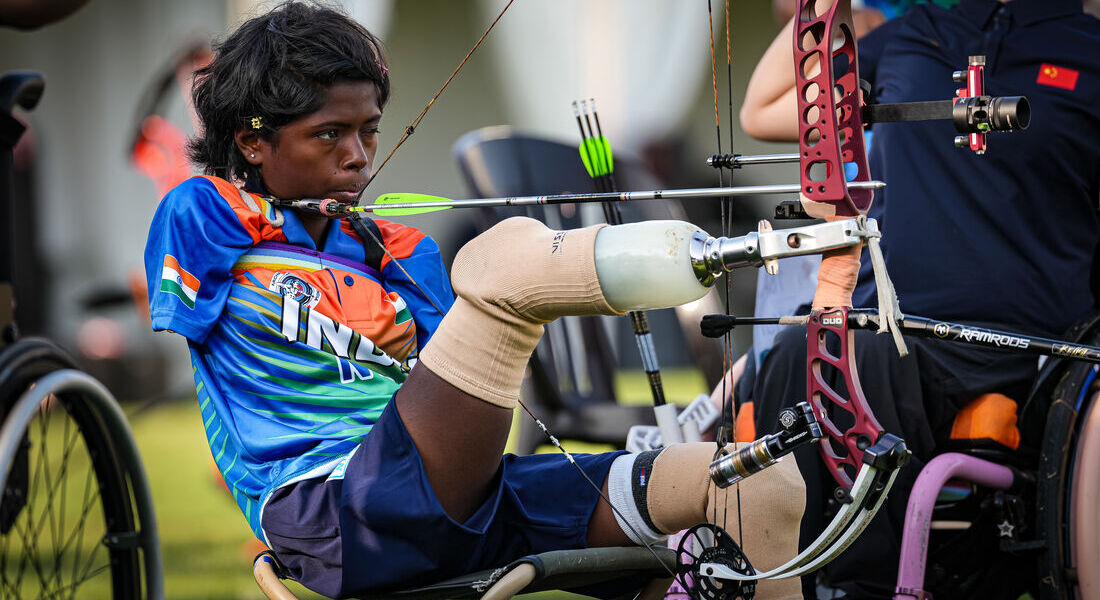
Bhubaneswar: Teenage quadruple amputee archer Payal Nag from Odisha delivered a major upset by defeating world No. 1 teammate Sheetal Devi to clinch gold, leading India’s dominant campaign at the World Archery Para Series.

The 18-year-old won the compound women’s final 139-136, capping a remarkable outing as India finished on top with seven gold medals in Bangkok. The country secured a total of 16 medals, including five silver and four bronze, according to reports.

Payal registered her second win over Sheetal in just over a year. She had earlier beaten her at the Para Nationals in Jaipur in January 2025.

Competing in only her second international event after debuting at the Dubai 2025 Asian Youth Para Games, Payal showed strong composure under pressure. She started with a perfect 10 to take the opening end 27-25. Sheetal responded to level the contest, with both archers tied at 54 after the second end.

Payal regained control in the third end with scores of 9, 9, and 10 to lead 82-80. She then sealed the match with a clinical end that included two 10s.

Discovered by Coach Kuldeep Vedwan, Payal’s journey reflects resilience. The daughter of a migrant labourer from Odisha’s Balangir district, she lost all four limbs after coming into contact with a live wire at a brick kiln in 2015.

She trained alongside Sheetal at the Mata Vaishno Devi Shrine Board Sports Complex in Katra during 2023-24 before the latter moved to Sonepat.

Sheetal remains one of India’s most decorated para archers, having won two gold medals at the 2022 Asian Para Games and becoming the country’s youngest Paralympic medallist with a mixed team bronze at Paris 2024.

Since her national debut in 2025, Payal has risen rapidly, with a win over Sheetal in Jaipur, a silver at the Khelo India Para Games, and a bronze at the national championships earlier this year.

India’s gold haul also featured strong performances from Toman Kumar and Bhawna.

Toman defeated Australia’s Jonathon Milne 146-142 in the compound men’s final. Bhawna outclassed Thailand’s Phattharaphon Pattawaeo 6-0 in the recurve women’s final.

Double Paralympic medallist Harvinder Singh settled for silver after a 3-7 loss to Indonesia’s Kholidin in the recurve final. Swati Chaudhary also claimed silver, going down 3-7 to South Korea’s Ok Geum Kim in the W1 women’s final.

Earlier, Shyam Sunder Swami secured bronze after edging past compatriot Rakesh Kumar in a closely fought playoff in the compound men’s individual event. Swami won 143 (10*) to 143 (9) in a tie-break.

Rakesh finished fourth following the narrow defeat. In the W1 women’s event, Anjum Tanwar also ended fourth after losing 2-6 in her bronze medal match against a Republic of Korea opponent.

The Bangkok meet followed the Asia Cup first leg held at the same venue, where India had earlier secured 10 medals, including two gold, four silver, and four bronze.