
Bhubaneswar: The Odisha Cabinet has approved a major revision in the reservation policy for admissions to medical, engineering, and other higher education and technical courses across the state.
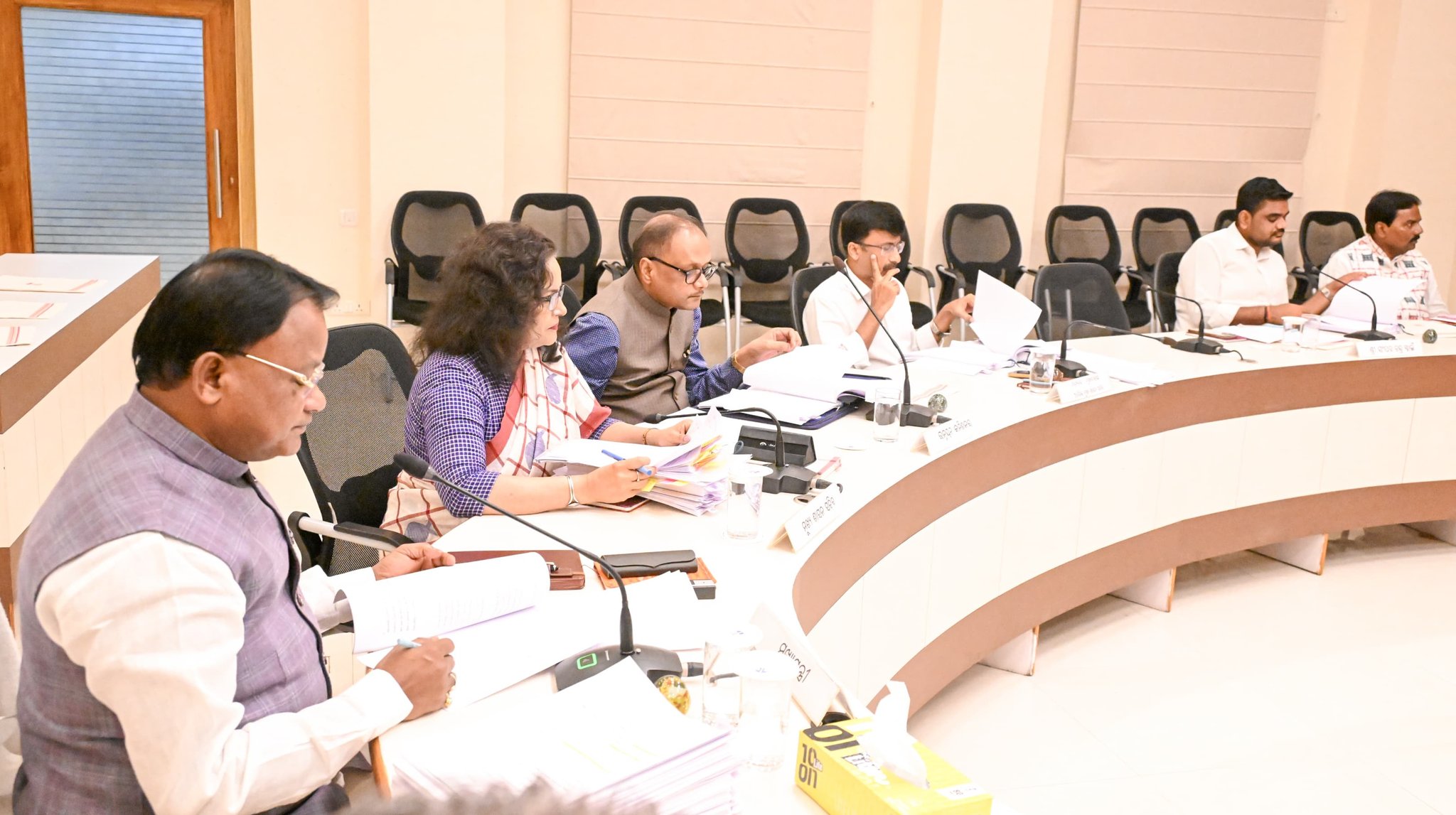
Under the new policy, Scheduled Tribes (ST) will receive 22.50% reservation, Scheduled Castes (SC) 16.25%, and Socially and Educationally Backward Classes (SEBC) 11.25%. The government decided this in a Cabinet meeting under the Chairmanship of Chief Minister Mohan Charan Majhi on Saturday.
The decision will apply to all state universities, their affiliated colleges and institutions, as well as ITIs and polytechnics. It will cover a wide range of courses, including engineering, technology, management, computer applications, medicine, surgery, dental, nursing, pharmacy, allied health sciences, veterinary science, Ayurveda, homeopathy, agriculture and allied sciences, architecture, planning, and cinematic arts and technology.
The government will also extend the new reservation structure to other notified courses at undergraduate and postgraduate levels, including certificate, diploma, and degree programmes.
The chief minister stated that despite the ST population being over 22% in Odisha, reservation in technical and professional courses had remained limited to 12% for years. Similarly, SC, with a population exceeding 17%, had only 8% reservation. SEBC students had no reservations in these courses.
He said the disparity had affected social justice and empowerment. He noted that despite decades of demands and movements, no previous government had aligned the reservation with the population share.
Majhi further said the decision aims to safeguard educational rights and strengthen the empowerment of ST, SC, and SEBC students. He added that the move will contribute to building a prosperous Odisha.
The state currently has 2,421 medical seats, including undergraduate and postgraduate courses. With the new policy, ST seats will increase from 290 to 545, while SC seats will rise from 193 to 393. A total of 272 seats will be reserved for SEBC students, which were earlier unreserved.
In engineering, out of 44,579 seats, ST allocation will increase from 5,349 to 10,030. SC seats will rise from 3,566 to 7,244. SEBC students will get 5,015 reserved seats, compared to none earlier.
The decision marks a significant shift in the state’s higher education policy, with a focus on inclusion, equity, and access.