At IndiaVerve, we go beyond the noise to bring you meaningful stories of change, resilience and progress—from India to the world stage. Our mission is to bring readers credible, wide-ranging coverage across politics, business, sports, culture, society and more.

Iran shuts Hormuz as Israel strikes Lebanon despite ceasefire

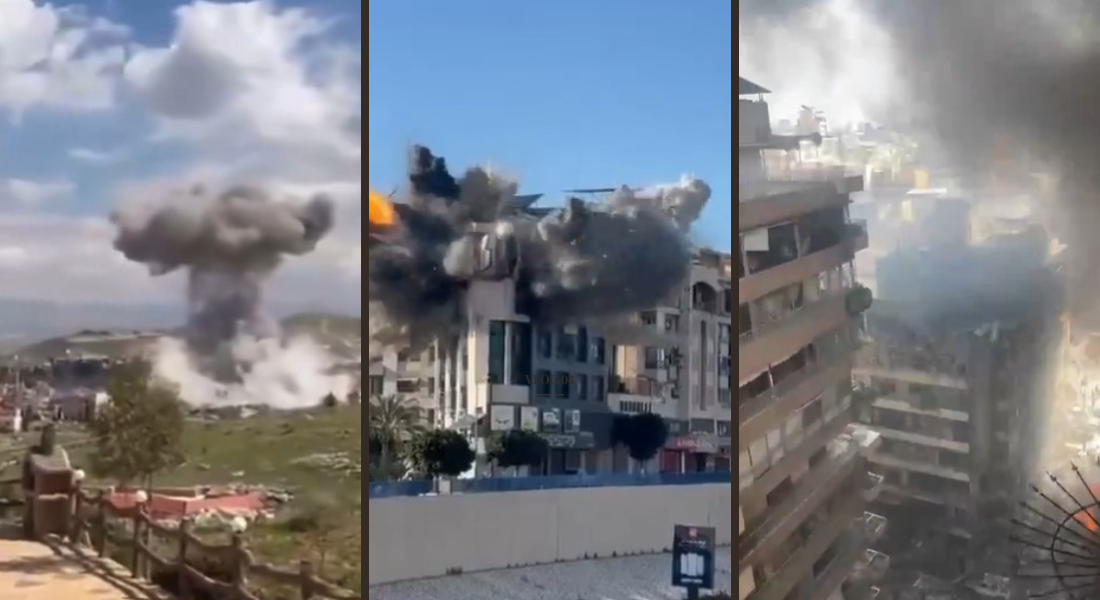
A fragile ceasefire between the United States and Iran came under immediate strain as Iran reportedly closed the Strait of Hormuz following large-scale Israeli strikes on Lebanon.

The development comes less than a day after Washington and Tehran agreed to a two-week ceasefire aimed at de-escalating tensions and reopening the strategic waterway critical to global energy supplies. However, the situation escalated after Israel launched more than 100 air strikes in Lebanon within a short span, triggering a sharp response from Iran.

Israeli Prime Minister Benjamin Netanyahu had earlier expressed support for the US-Iran ceasefire but clarified that it did not apply to Lebanon. “Israel supports President Trump’s decision to suspend strikes against Iran for two weeks subject to Iran immediately opening the straits and stopping all attacks on the US, Israel and countries in the region,” he said in a post on X.

In a separate statement, Netanyahu added, “The two-week ceasefire does not include Lebanon,” signalling that Israel’s military operations against Hezbollah would continue.

According to reports, Israeli strikes in Lebanon resulted in heavy casualties, with over 100 people killed and several hundred injured. The Israeli military described the operation as the “largest strike” on the country since the start of the conflict, as reported by The Independent.

Reacting strongly, Iran’s Islamic Revolutionary Guard Corps (IRGC) warned of escalation if attacks on Lebanon persist. “If the aggressions against dear Lebanon are not brought to an immediate end we shall fulfil our duty and deliver a regret-inducing response to the malicious aggressors in the region,” the IRGC said in a statement carried by state broadcaster Islamic Republic of Iran Broadcasting.

An IRGC official was also quoted by the Islamic Republic News Agency as saying, “Any attack on the proud Hezbollah is an attack on Iran.”

The United States, meanwhile, has reiterated its demand that Iran reopen the Strait of Hormuz. White House Press Secretary Karoline Leavitt said the closure of the waterway is “completely unacceptable” and added, “I will reiterate the president’s expectation and demand that the Strait of Hormuz is reopened immediately quickly and safely.”

US President Donald Trump also defended Israel’s continued strikes in Lebanon, stating that Hezbollah was not part of the ceasefire agreement. Speaking to PBS News, Trump said, “Yeah, they were not included in the deal,” and added, “It’s part of the deal – everyone knows that. That’s a separate skirmish.”

ALSO READ: US, Iran agree to two-week ceasefire amid escalating war tensions

The differing interpretations of the ceasefire have further complicated the situation. While Pakistan, which has been mediating talks, indicated that the truce could extend to Lebanon, both the United States and Israel have maintained that it applies only to Iran.

According to Al Jazeera, Netanyahu’s office also claimed that “Iran no longer poses a nuclear, missile and terror threat to America, Israel, Iran’s Arab neighbours and the world,” while reiterating that Israel’s operations in Lebanon would continue.

The ceasefire has also drawn criticism within Israel. Opposition leader Yair Lapid described it as one of the greatest “political disasters in all of our history,” arguing that Israel had not been part of the negotiations and that the government had “failed politically, failed strategically, and didn’t meet a single one of the goals that he himself set.”

The latest developments highlight the fragile and fragmented nature of the ceasefire, with continued military actions and conflicting positions raising concerns about further escalation in the region.
Government committed to all-round development of Brahmapur: Minister Harichandan

Bhubaneswar: Law, Works and Excise Minister Prithiviraj Harichandan has said that the BJP government is committed to the all-round development of Resham Sahar, Brahmapur.

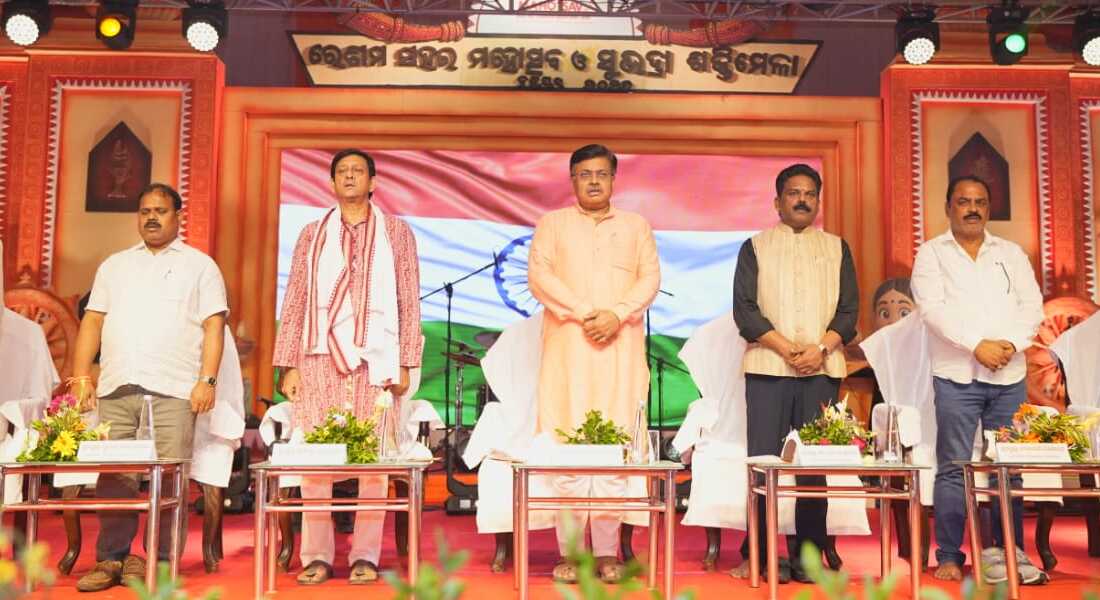
He made the statement while attending the ‘Resham Sahar Mahotsav, Subhadra Shakti, and Atmanirbhar Bharat Swadeshi Mela’ organised at the Padiyathara of Khalikote (Autonomous) College in Brahmapur.

“This fair serves as an excellent platform to take Odisha’s art, culture and local products to the global stage. Ganjam district made a significant contribution to the formation of a separate Odisha province. Its rich industrial arts and cultural heritage have given Brahmapur a distinct identity. The government is planning extensive development for ten major cities of Odisha, and Brahmapur is one of them,” Harichandan said in a post on X.

The minister added, “The success of Atmanirbhar Bharat or ‘Local for Vocal’, along with fulfilling the Odisha government’s goal of building a developed Odisha by 2036, remains a top priority for our government.”

Harichandan further said that the festival is playing a key role in promoting the talents of local artisans and strengthening the vision of Atmanirbhar Bharat.

“On this occasion, I thank the organisers and extend my best wishes to all the artisans,” he said.

Brahmapur MLA K. Anil Kumar, Digapahandi MLA Siddhant Mahapatra, Kabisuryanagar MLA Pratap Chandra Nayak, Sorada MLA Nilamani Bisoyi, Ganjam District Collector Kirti Vasan V, and Brahmapur Railway Divisional Superintendent Dr Saravana Vivek M attended the programme.

Assembly elections: Voting begins in Assam, Kerala, Puducherry

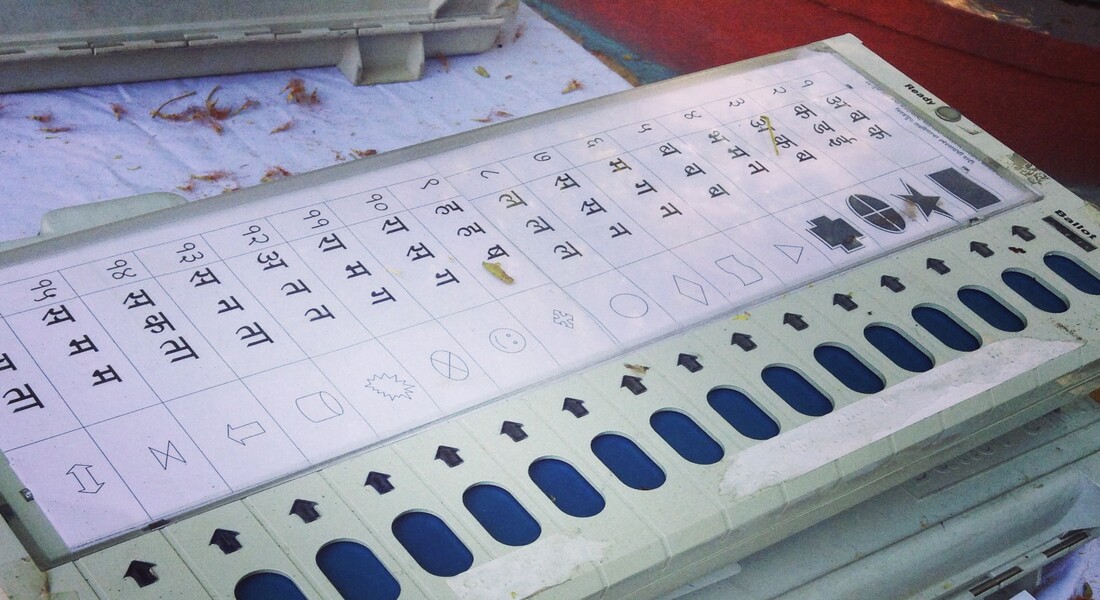
New Delhi: Voting for Assembly elections in Assam, Kerala, and Puducherry began on Thursday, formally launching the 2026 election cycle. Each state presents a distinct political contest, with incumbents seeking continuity and challengers pushing for change.

In Kerala, the political battle is shaping up as a three-cornered contest. The ruling Left Democratic Front, led by Chief Minister Pinarayi Vijayan, is seeking another consecutive term, highlighting its decade-long governance record, infrastructure growth, and welfare initiatives.

The Congress-led United Democratic Front has mounted an aggressive campaign, focusing on corruption allegations and leveraging its improved performance in recent local body elections. Meanwhile, the BJP is attempting to expand its footprint in the southern state, encouraged by incremental gains in vote share and a stronger showing in local polls, according to reports.

Campaigning in Kerala concluded with high-energy public engagement, including roadshows and creative outreach efforts aimed at undecided voters, reflecting the intensity of the contest.

In Assam, the spotlight remains firmly on the ruling BJP, which is aiming for a third consecutive term. The party concluded an intense campaign marked by expansive promises, including the rollout of a Uniform Civil Code, creation of two lakh jobs, measures to curb illegal migration, and large-scale investments to strengthen connectivity. Welfare measures, such as subsidised LPG cylinders, also featured prominently in its outreach.

The Congress, led in the state by Gaurav Gogoi, countered with sharp criticism, accusing the ruling party of divisive politics and raising allegations regarding the financial dealings of Chief Minister Himanta Biswa Sarma and his family. The campaign discourse in Assam frequently revolved around identity politics, particularly the theme of protecting local land, culture, and heritage.

Adding an emotional dimension to the electoral atmosphere is the death of noted singer Zubeen Garg in 2025. While authorities termed it an accident, political parties have exchanged accusations, with opposition leaders promising a thorough investigation if voted to power.

The election is also the first in Assam after the 2023 delimitation exercise, which redrew constituency boundaries. The move has been contentious, especially in regions where demographic shifts have altered the electoral balance.

In Puducherry, the electoral fight centres on Chief Minister N. Rangaswamy and his All India NR Congress, which is contesting in alliance with the BJP and All India Anna Dravida Munnetra Kazhagam. The alliance is aiming to retain power against the Congress-DMK combine in the 30-member Assembly.

The election will also mark the electoral debut of actor-turned-politician Vijay’s party, Tamilaga Vettri Kazhagam, although its primary focus remains on neighbouring Tamil Nadu.

With multiple narratives, alliances, and regional dynamics at play, the outcomes in these three regions are expected to shape the broader political landscape in 2026.

Majhi inaugurates Rs 750 crore apparel unit in Cuttack

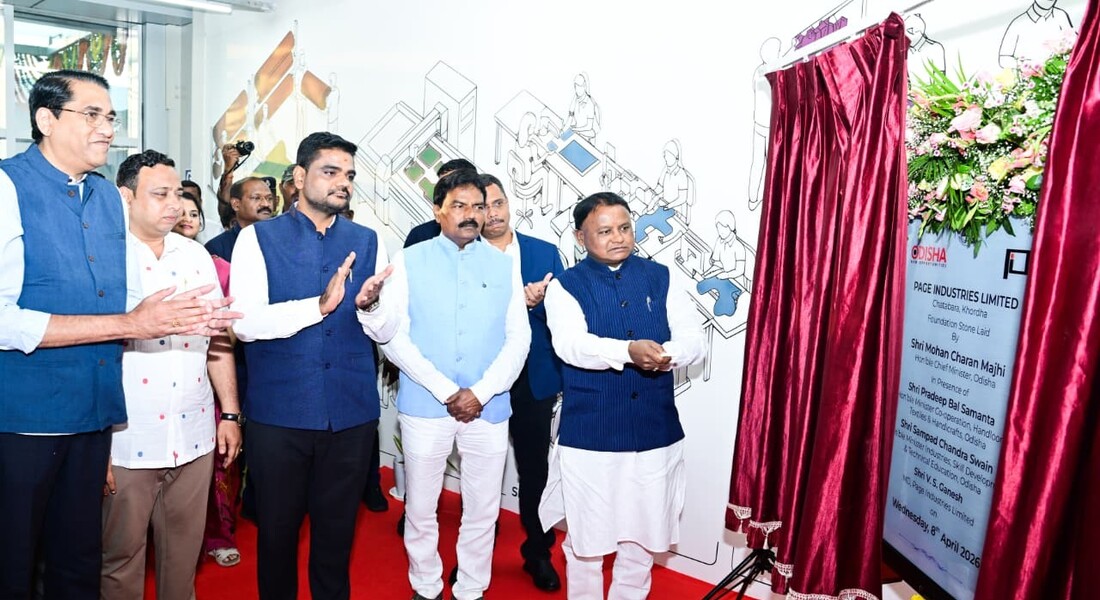
Bhubaneswar: In a major boost to Odisha’s industrial and employment landscape, Chief Minister Mohan Charan Majhi on Wednesday inaugurated a large apparel manufacturing unit set up by Page Industries at Ramdaspur in Cuttack district.

The project, developed with an investment of approximately Rs 750 crore, is expected to generate employment for more than 5,800 young men and women, significantly strengthening the state’s push towards job creation and inclusive growth.

Highlighting the importance of the apparel sector, the chief minister said the industry offers substantial employment opportunities with relatively low capital investment. He emphasized that the sector plays a crucial role in empowering women by providing large-scale job opportunities, particularly in rural and semi-urban areas.

“The state government is committed to promoting the apparel and garment sector, keeping employment generation and women’s empowerment at the core of its industrial strategy,” Majhi said.

He further noted that Odisha is steadily progressing towards becoming a key hub for garment and apparel manufacturing in the country. Stressing the long-term vision, the chief minister remarked that rapid industrialisation would curb outward migration and pave the way for reverse migration in the coming years.

“Widespread industrialisation will ensure that in the coming days, there will be no more migration from Odisha for employment; instead, there will be reverse migration,” he added.

The inauguration ceremony was attended by Minister of State (Independent Charge) for Cooperation, Handloom and Textiles Pradeep Bal Samanta, Banki MLA Devi Ranjan Tripathy, and Industries and Skill Development Minister Sampad Swain.

Speaking on the occasion, Swain said the project marks a significant step in strengthening Odisha’s position as an emerging hub for textiles and apparel, while also accelerating skill development and industrial growth in the state.