At IndiaVerve, we go beyond the noise to bring you meaningful stories of change, resilience and progress—from India to the world stage. Our mission is to bring readers credible, wide-ranging coverage across politics, business, sports, culture, society and more.
At IndiaVerve, we go beyond the noise to bring you meaningful stories of change, resilience and progress—from India to the world stage. Our mission is to bring readers credible, wide-ranging coverage across politics, business, sports, culture, society and more.
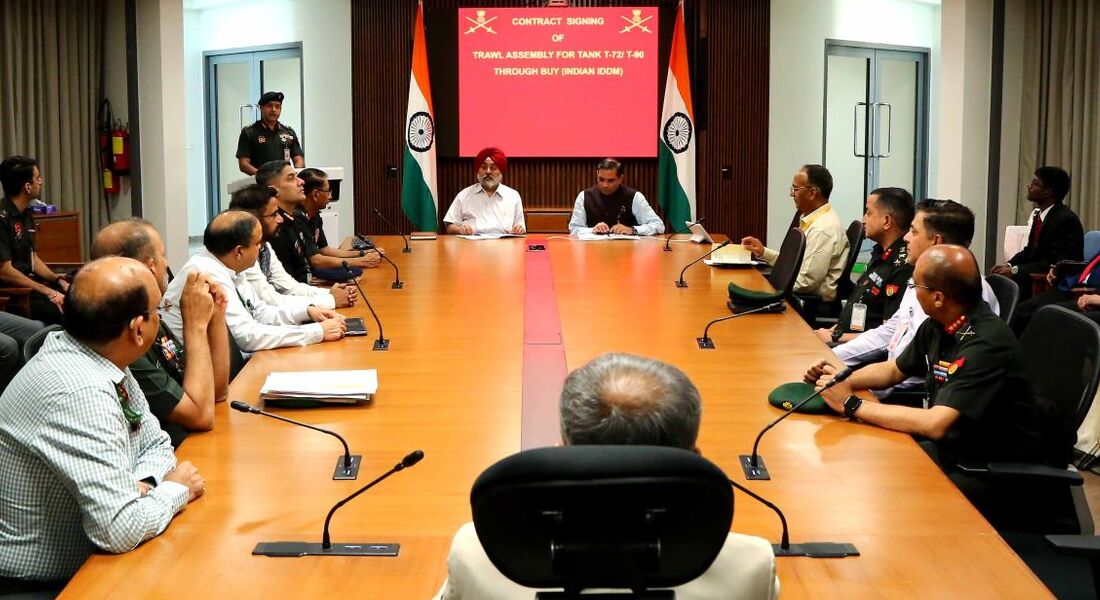
New Delhi: The Ministry of Defence on Tuesday signed contracts worth approximately Rs 975 crore with Bharat Earth Movers Limited (BEML) and Electro Pneumatics and Hydraulics (India) Private Limited for the procurement of TRAWL assemblies for T-72 and T-90 tanks.
The agreements were signed in the presence of Defence Secretary Rajesh Kumar Singh in New Delhi.
The TRAWL Assembly, developed by the Defence Research and Development Organisation, is a critical system designed to enhance the minefield breaching capabilities of the Indian Army. It enables the creation of vehicle-safe lanes through minefields, including those with anti-tank mines equipped with proximity magnetic fuses, thereby improving operational effectiveness, the BEML said in a post on X.
Officials said the procurement will significantly strengthen the Army’s ability to conduct mobility operations in hostile environments by ensuring safer passage for armoured vehicles.
The project falls under the ‘Buy (Indian-Indigenously Designed, Developed and Manufactured)’ category, marking a key step in advancing self-reliance in defence manufacturing under the Aatmanirbhar Bharat initiative. It is also expected to boost the domestic industry by promoting the participation of MSMEs in component manufacturing, leading to direct and indirect employment generation, according to an official statement.
The contracts are part of ongoing efforts to modernise India’s defence infrastructure while strengthening indigenous production capabilities.
New Delhi: BJD MP Dr. Sasmit Patra has written to Chief Election Commissioner Gyanesh Kumar, raising “urgent and serious concerns” over the identification of nearly 9.8 lakh electors for potential deletion during the preparatory phase of the Special Intensive Revision of electoral rolls in Odisha.
In his letter addressed to the Election Commission of India, Patra said that while maintaining accurate electoral rolls is essential, the “scale, pattern, and process” of the proposed deletions raise serious concerns about possible wrongful disenfranchisement.
Citing reports and administrative acknowledgements, the BJD leader pointed to what he described as prima facie evidence of procedural irregularities, including complaints from electors who claim they have been wrongly marked for deletion despite residing at their registered addresses.
In a post on X, he also flagged alleged lapses in mandatory field verification, stating that in several cases, Booth Level Officers did not carry out physical verification before identifying voters for deletion, calling it a deviation from established procedures.
Patra further highlighted that the scale of the exercise – around 9.8 lakh electors – was “unprecedented” and significantly higher than normal annual deletion patterns, suggesting possible systemic errors or overly broad criteria.
The letter noted that nearly two lakh objections (Form-7 cases) have been filed within a short period, leading to intervention and temporary suspension of scrutiny, which he said reflects widespread public concern.
Referring to corrective steps by the Chief Electoral Officer in Odisha, Patra said directions for re-verification, including partial mandatory field checks and assurances of restoration of wrongly deleted names, indicate the presence of “non-trivial errors” in the process.
He also mentioned a broader government-directed review of the deletions and noted that similar issues in other states have drawn judicial attention, particularly regarding transparency and due process.
Stressing the constitutional importance of voting rights under Article 326 of the Constitution of India, Patra urged the poll body to take immediate measures. These include ensuring no deletion is finalised without proper field inquiry, conducting a comprehensive state-wide re-verification, and mandating public disclosure of detailed data on proposed deletions.
He also called for an independent audit mechanism in districts with large discrepancies, strengthening grievance redressal systems, issuing a detailed response outlining corrective steps, and deputing an Election Commission team to Odisha to review the situation and submit a report.
Patra expressed hope that the Election Commission would act with urgency to safeguard the integrity, inclusiveness, and credibility of the electoral process in the state.
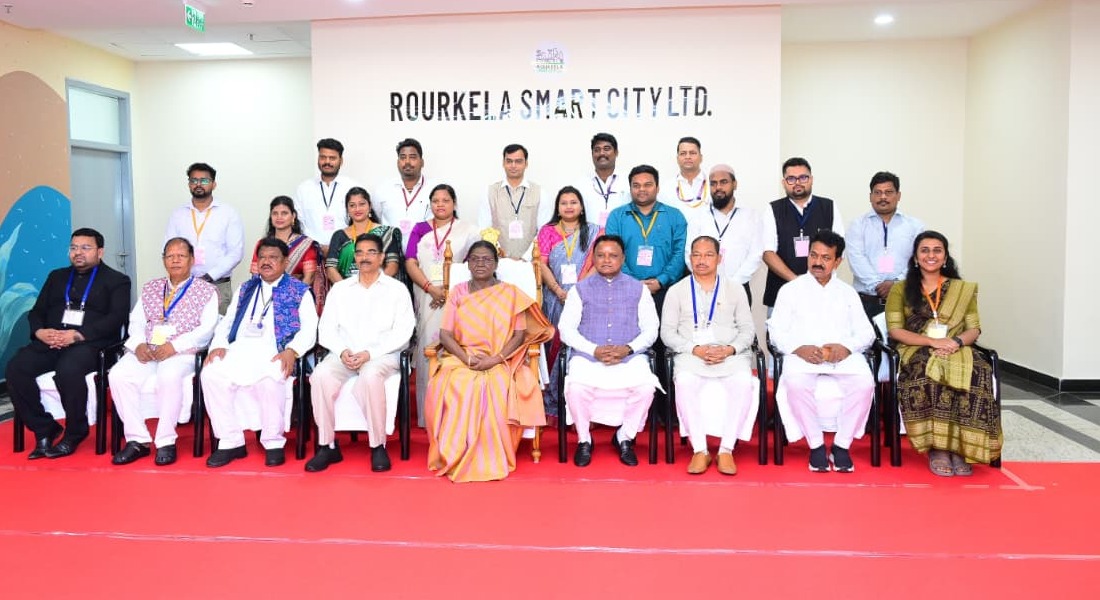
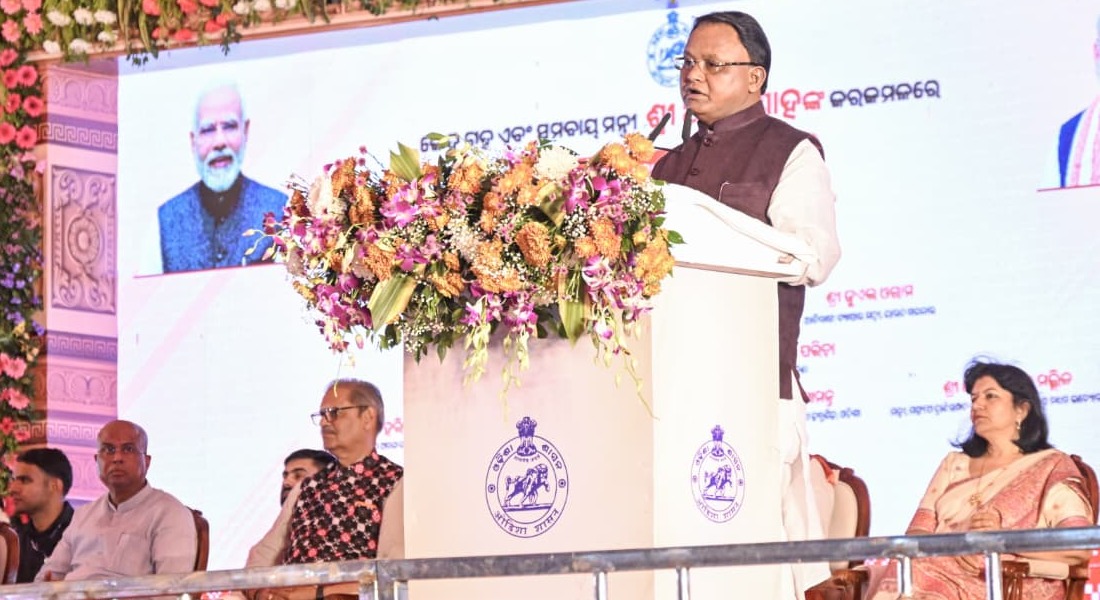
Bhubaneswar: President Droupadi Murmu on Tuesday inaugurated a series of projects in Rourkela, including a Planetarium and Science Centre, Nirmal Munda Parivesh Path, Tribal Museum, and an Integrated Command and Control Centre at a public function.
Addressing the gathering, the president highlighted the natural beauty, folk culture, and rich heritage of Sundargarh, noting that its forests, mountains, waterfalls, and rivers add to its appeal. She said the district’s art and cultural traditions have contributed significantly to Odisha’s cultural richness and described Sundargarh as a land of brave individuals and sports enthusiasts.
The event was also attended by Chief Minister Mohan Charan Majhi, Governor Dr. Hari Babu Kambhampati and Minister for Tribal Affairs Jual Oram.
Murmu said Rourkela is home to people from various parts of India, including Odisha, who reside in the city for employment and livelihood. She noted that the city has played a pioneering role in promoting Odisha’s art, literature, culture, tribal traditions, and sports.
Emphasising inclusive development, she said the progress of the nation depends on the development of every section of society. With this objective, she said, both the Central and State governments are implementing various schemes focused on tribal welfare. These efforts, she added, are accelerating development in tribal-dominated districts such as Sundargarh, while prioritising the economic upliftment of tribal communities.
The president urged people to actively participate in nation-building, encouraging them to move forward while helping others progress. She also called upon citizens to strive to become responsible individuals and support those who have been left behind, according to an official statement.
Highlighting national and state milestones, the president said India is progressing towards becoming a developed nation by 2047, marking 100 years of independence. She noted that Odisha will complete 100 years of its formation in 2036, and stressed that achieving the vision of a developed Odisha and a developed India would require inclusive growth and participation from all sections of society.
She said the goal of a developed India can be realised through the collective efforts of farmers, labourers, tribal communities, marginalised groups, intellectuals, youth and students, as well as both urban and rural populations.
Baipariguda: Hidden deep in the hills of Koraput district, Sarukunda village under Dasamantpur block tells a story of isolation that goes beyond geography—one of complete educational exclusion.
Perched atop a hill and nearly 20 kilometres away from the block headquarters, the village can only be reached through a difficult route via Tanginiguda and Tapajodi, followed by a four-kilometre uphill trek through rugged terrain. With just 21 families, the village has remained cut off from basic services, including primary education.
For decades, no one in the village knew how to read or write. Even today, adults rely on thumb impressions instead of signatures. Education, for them, was not just inaccessible—it was absent. Among the residents, 24 children between the ages of five and sixteen had never been enrolled in any school, despite their interest in learning.
The situation persisted even as government systems existed on paper. Locals pointed out that despite being counted administratively, no effective steps had been taken by the education department to connect the children to nearby residential schools or provide any learning facility.
After reading the report, a voluntary organisation named Gopabandhu Seva Parishad stepped in. Its president, Pradeep Kumar Maharana, initiated discussions with community members and quickly decided to establish a school in the village. The organisation, which has been working in the Baipariguda block of Koraput district, coordinated efforts to begin basic educational access.
As a first step, a village meeting was organised involving local residents. A list of 24 children willing to study was prepared, and a local youth, Banamali Hantal, was identified and appointed as a teacher. The organisation committed a monthly honorarium of ₹2,000 for his services.
With the support of villagers, groundwork began for constructing a school building. However, as construction would take time, classes were immediately started in a temporary structure in the village. Basic materials such as slates, chalk, bags, and mats were arranged through community support and voluntary contributions.
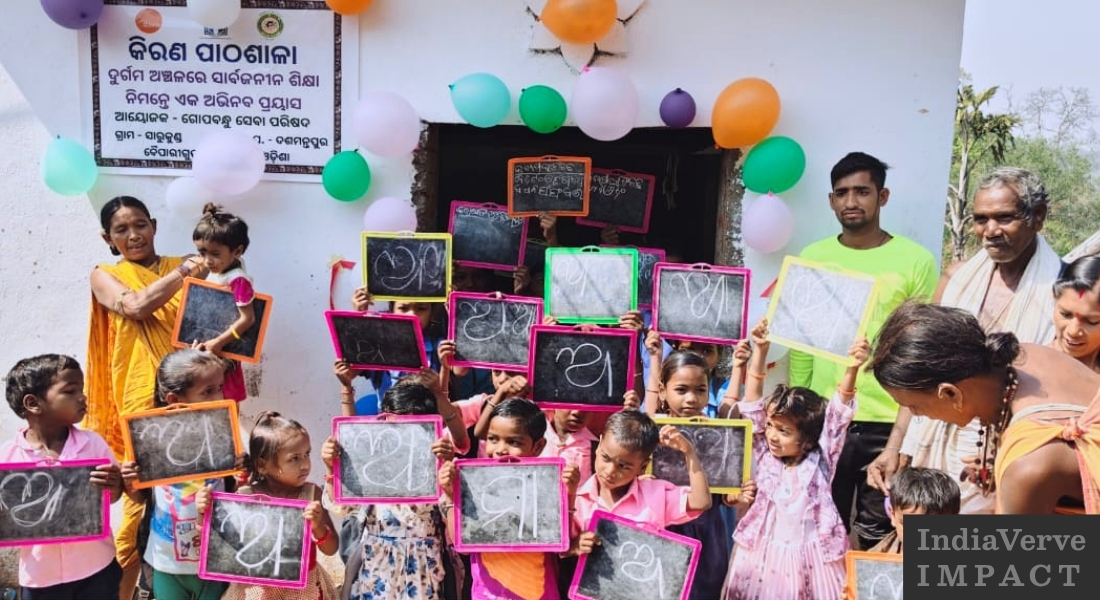
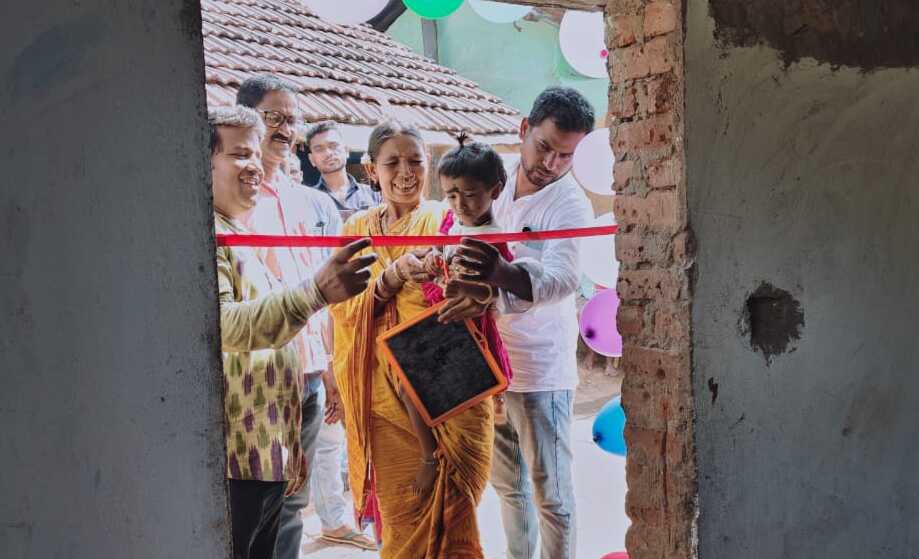
The makeshift school was being inaugurated by a community member in presence of voluntary organisation staff.
The inauguration of the learning centre turned into a moment of celebration for the village. All registered children, along with men and women from the village, gathered to mark the beginning of formal education in Sarukunda. The event was attended by Gopabandhu Seva Parishad president Pradeep Kumar Maharana, Zilla Parishad member Rajeswar Mahuria, Sarbeswar Barada (the author whose report brought the issue to light), and other members of the organisation.
The excitement among children was visible from the very first day. Eight-year-old student Moti Gouda and seven-year-old Babusan Khil, when asked about their aspirations, responded with smiles: “We will study… and when we grow up, we will work.” Their words reflected both innocence and a newfound possibility.
For the elders, the moment was deeply emotional. Villagers including Madhu Khil, Gopi Hantal, and Hiranya Goleri expressed their happiness, saying, “We remained illiterate all our lives, giving thumb impressions instead of signatures. But our children should at least learn to read and write.” They described the day as one they would always remember.
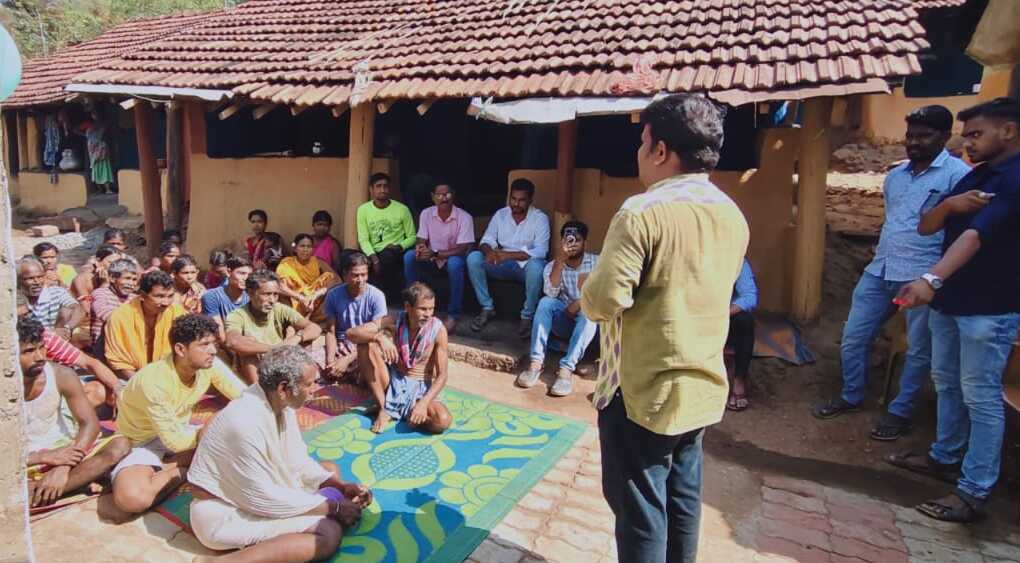
Sarbeswar Barada whose report led to setting up of this school is interacting with villagers
They also expressed gratitude to those who helped initiate the school, acknowledging the collective effort that brought education to their doorstep for the first time. The school opening event concluded with simple celebrations, including distribution of chocolates and shared food among villagers.
Zilla Parishad member Rajeswar Mahuria termed the situation a serious concern, noting that it was unfortunate that an entire village remained outside the ambit of education for so long. He said the matter would be raised at the district level and efforts would be made to establish a government school in the village.
Speaking about the initiative, Pradeep Kumar Maharana said the organisation acted as a medium after learning about the issue through the report. “In today’s time, it is unacceptable that children remain deprived of education. That is why we decided to take immediate steps,” he said.
He added that while temporary arrangements have been made, sustained support will be necessary to ensure continuity and expansion of educational access in the village.
Sarukunda’s story is not just about a remote settlement finally getting its first classroom. It is a reminder that even today, access to education can depend on visibility—and that change often begins when someone chooses to act. In the quiet hills of Koraput, where silence once defined everyday life, the sound of children learning has finally begun.
Bhubaneswar: The public grievance hearing of Chief Minister Mohan Charan Majhi will be held on April 27 at Unit-II, Ashok Nagar in Bhubaneswar.
According to information provided by the General Administration and Public Grievance Department, the chief minister will hear grievances from the public between 7:00 AM and 12:00 PM at the premises of the former Government Primary School located near State Capital Nursery.
Online registration for the grievance hearing will commence at 11:00 AM on April 22. Interested members of the public can register to meet Majhi through the Jan Sunani Portal (https://janasunani.odisha.gov.in ) or the Jan Sunani mobile application.
Registered applicants are required to be present at the venue at the designated time with their acknowledgement receipt, valid identity proof, and a written copy of their grievance to present their concerns before the chief minister.
The Department stated that the initiative aims to provide a direct platform for citizens to raise their issues and seek redressal from the state government.
New Delhi: Congress leader KC Venugopal has submitted a notice of question of privilege against Prime Minister Narendra Modi, alleging that remarks made during a televised national address “cast aspersions” on Members of Parliament.
In the letter addressed to the Speaker of the Lok Sabha Om Birla, under Rule 222 of the Rules of Procedure and Conduct of Business in Lok Sabha, Venugopal cited the prime minister’s speech broadcast on April 18, 2026. The address followed the defeat of the Constitution (131st Amendment) Bill, 2026, in the Lok Sabha a day earlier, after it failed to secure the two-thirds majority required under Article 368 of the Constitution of India.
According to the letter, Modi, in his 29-minute address to the nation, criticised Opposition parties for blocking the bill and made references to their voting pattern while attributing motives to their actions. The communication described the address as “unprecedented,” alleging it was an inappropriate use of a national platform to criticise parliamentary conduct.
The notice further stated that Opposition members had, on April 16 and 17, expressed unanimous support for women’s reservation in the Lok Sabha, citing the earlier passage of the Constitution (106th Amendment) Act, 2023, by both Houses of Parliament. It argued that concerns raised during debates on the Constitution (131st Amendment) Bill, 2026, related to proposed changes to Article 82, particularly regarding delimitation safeguards.
Venugopal contended that Opposition members opposed the bill while maintaining support for women’s reservation, asserting that their objections were rooted in constitutional concerns. The notice characterised the bill as one that sought to affect constitutional protections linked to delimitation.
The document stated that attributing motives or casting reflections on Members of Parliament over their speeches or voting amounts to a breach of privilege and contempt of the House. It further argued that such remarks undermine the independence and integrity of elected representatives.
Citing parliamentary conventions and protections under Article 105 of the Constitution of India, the notice maintained that no individual, including Modi, should question the conduct or voting decisions of Members within the House.
The notice urged the speaker to take cognisance of what it described as a “grave and deliberate breach of privilege” and refer the matter to the Committee on Privileges of the Lok Sabha for detailed inquiry and initiation of proceedings.
It added that the issue concerns the authority of Parliament and the constitutional rights of its members, calling for immediate action to uphold parliamentary sanctity and ensure such instances are not repeated.
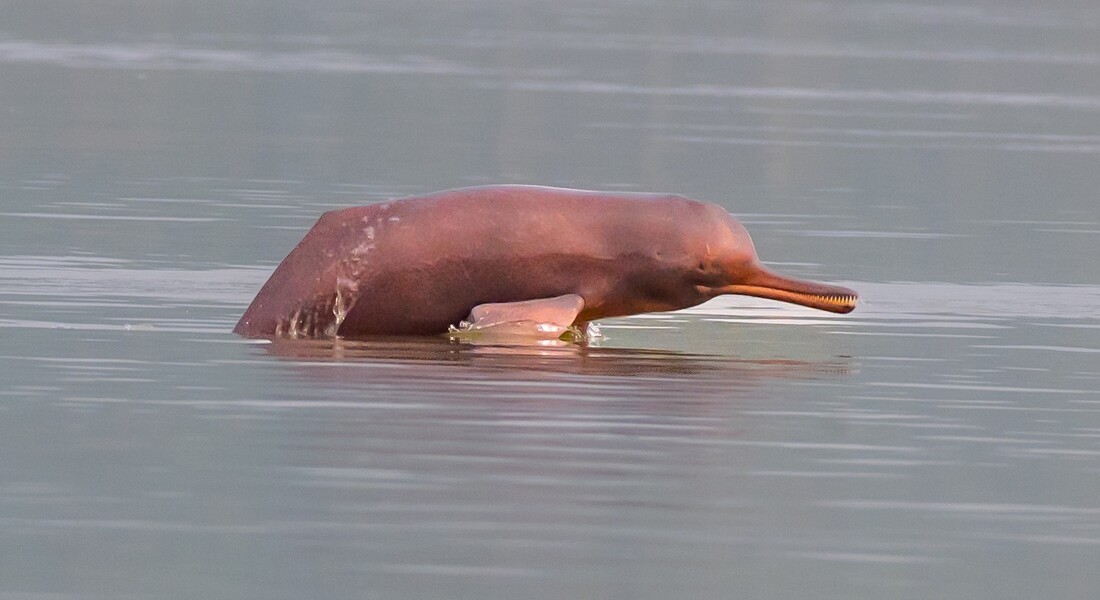
New Delhi: The Gangetic river dolphin, India’s national aquatic animal, is a rare freshwater species known for its unique adaptation of navigating entirely through sound. Often described as blind, it relies on echolocation to survive and cannot thrive in waters where fish populations decline or pollution levels rise significantly. This makes it one of the most reliable biological indicators of river health.
The findings come from India’s first large-scale Ganga Dolphin Survey, the results of which were released in March 2025, followed by the launch of a second nationwide survey in January 2026. The study represents the country’s most extensive acoustic census of river dolphins, covering more than 8,500 kilometres of river systems. Researchers used hydrophones to record echolocation clicks to estimate population numbers, the National Mission for Clean Ganga said in a lengthy post on X.
The survey estimates a total of 6,327 Gangetic river dolphins in Indian waters. A major concentration was recorded in Uttar Pradesh, Bihar, and West Bengal. Uttar Pradesh reported 2,397 dolphins, Bihar 2,220, and West Bengal 815. Together, these three states account for approximately 5,432 dolphins, nearly 86% of the total recorded population.
According to the findings, 3,275 dolphins inhabit the main stretch of the Ganga, while 2,414 were identified across tributaries, including the Yamuna, Ghaghara, and Gandak rivers.
Scientists describe the Gangetic dolphin as a bioindicator species, meaning its presence reflects the ecological condition of river systems. The species is highly sensitive to pollution, declining fish populations, and habitat disruption. Its slow reproductive cycle – typically producing one calf every two to three years – limits rapid population recovery in degraded environments.
While the results highlight strong populations in certain stretches, challenges such as untreated sewage discharge, industrial pollution, and riverine habitat stress continue to persist across the Ganga basin.
However, conservation initiatives such as Namami Gange and Project Dolphin are believed to have contributed to improved monitoring, protection measures, and gradual ecological stabilisation in parts of the river system.
The survey findings suggest that the distribution of Gangetic dolphins reflects ongoing ecological changes in India’s river systems, with the species continuing to serve as a key indicator of river health and restoration progress.
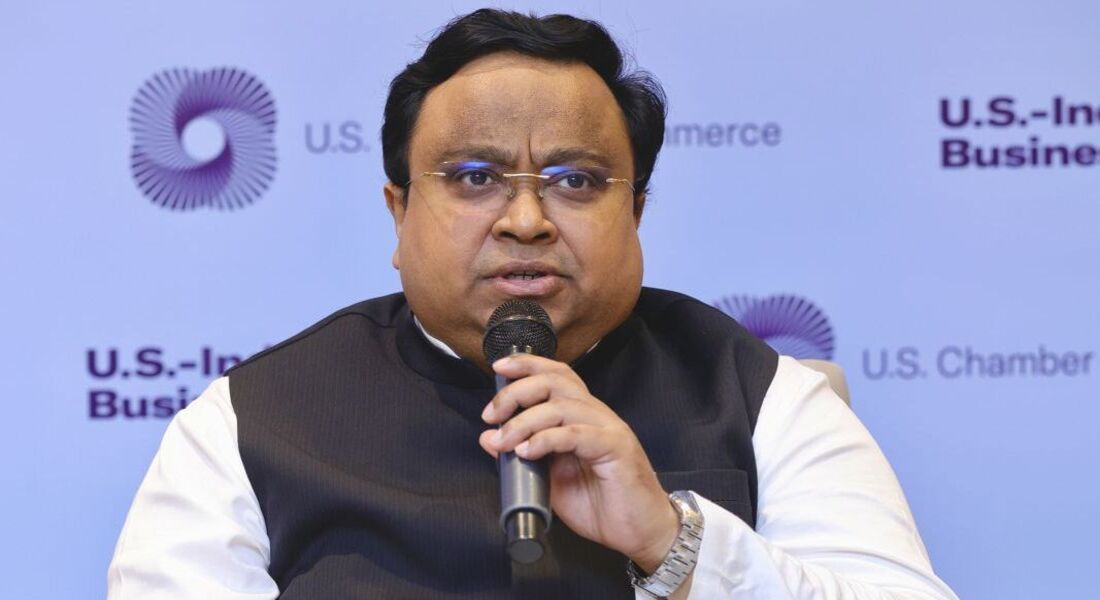
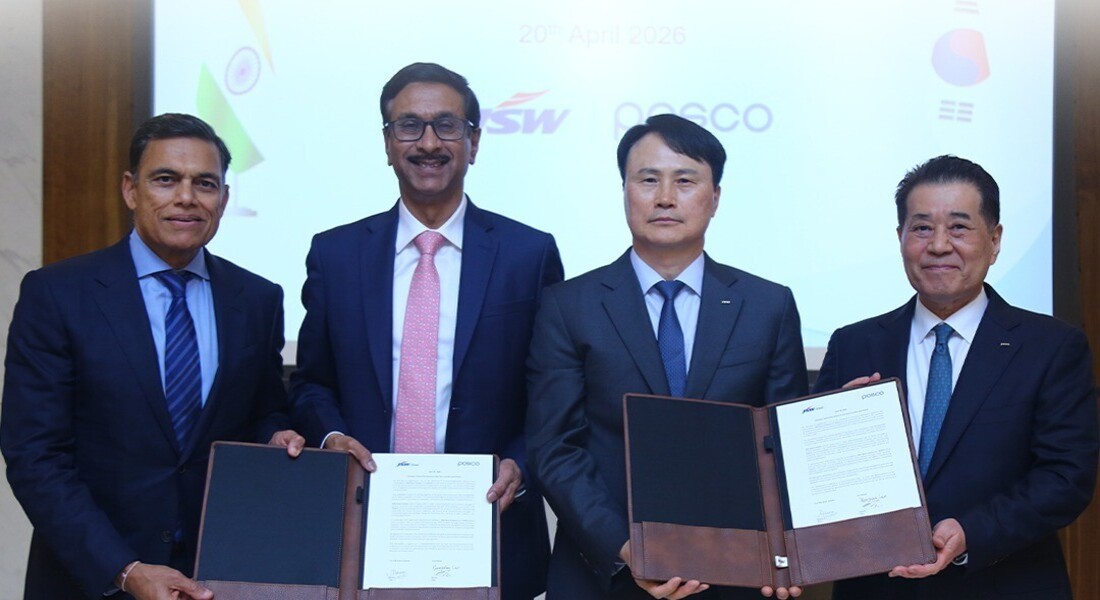
New Delhi: JSW Steel and South Korea’s POSCO, two of the world’s leading steelmakers, have signed a joint venture agreement to establish a 6 Million Tonnes Per Annum (MTPA) greenfield integrated steel plant in Odisha. The agreement was announced at the India-Korea Business Forum in New Delhi, in the presence of senior government officials and top leadership from both countries and companies.
The event was attended by Union Minister of Commerce and Industry Piyush Goyal, South Korea’s Minister of Industry, Trade, and Resources Jung-kwan Kim, JSW Group Chairman Sajjan Jindal, and POSCO Chairman Chang In-hwa, along with senior executives from both sides.
According to the announcement, the joint venture builds on earlier agreements between the two companies, including a memorandum of understanding signed in October 2024 and a heads of agreement finalised in July 2025. The latest agreement formalises the partnership for the proposed steel project, JSW Group said in a press release.
The integrated facility will include steelmaking, hot rolling, cold rolling, and coating units. Land for the project has already been secured. Once operational, the plant is expected to produce high-grade flat steel products, primarily for the automotive sector and other industrial applications. The project is targeted for commissioning by 2031.
The partnership will combine POSCO’s advanced steelmaking technology with JSW Steel’s execution capabilities and cost efficiency. Both companies are expected to leverage synergies with POSCO’s downstream 1.8 MTPA unit in Pune, Maharashtra, to enhance operational integration and product flow.
Jsw Steel stated that the collaboration reflects confidence in India’s long-term growth prospects and aims to strengthen the country’s steel value chain. Posco highlighted that the venture is expected to combine technological innovation with local competitiveness, contributing to industrial and economic development in both India and South Korea.
The completion of the transaction will be subject to regulatory approvals.
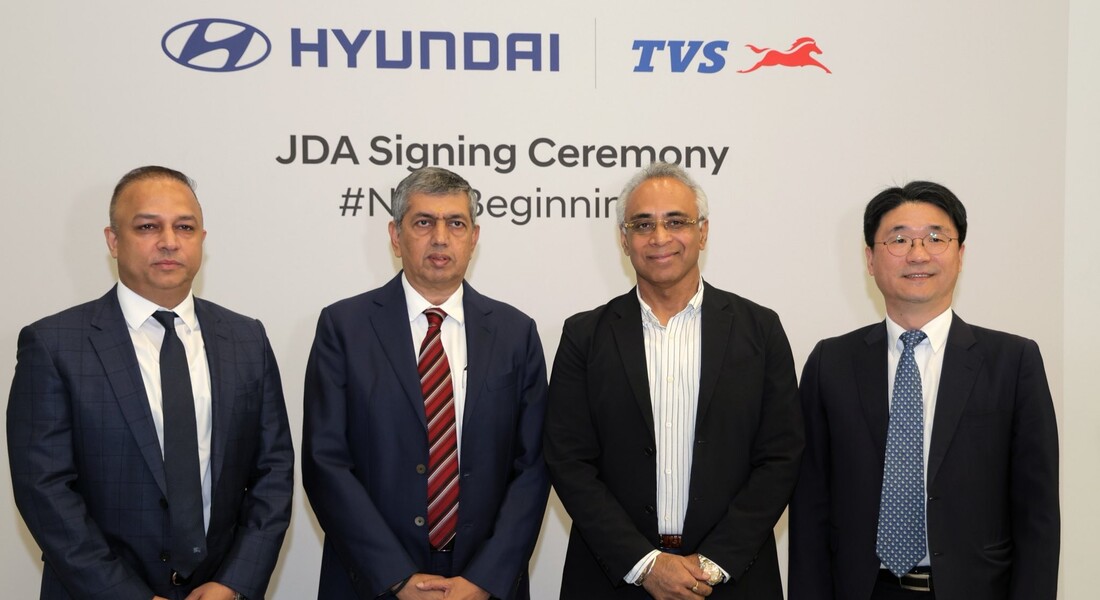
New Delhi: Hyundai Motor Company and TVS Motor Company have entered into a Joint Development Agreement to jointly develop and commercialise electric three-wheeler solutions aimed at strengthening India’s last-mile mobility ecosystem.
The collaboration builds on the electric three-wheeler concept showcased at the Bharat Mobility Global Expo 2025 and marks a shift from concept-level exploration to structured product development and future mass production.
According to the companies, the partnership brings together Hyundai’s global expertise in electric mobility and advanced engineering with TVS Motor’s deep understanding of India’s two- and three-wheeler market. The focus will be on creating purpose-built electric mobility solutions tailored to local road conditions, traffic patterns, and urban infrastructure challenges, TVS Motor said in a post on X.
A key component of the agreement is localisation. Both companies plan to strengthen component manufacturing within India to support the domestic automotive ecosystem. This is expected to help generate employment opportunities, reduce production and ownership costs, and improve after-sales service accessibility for customers.
The upcoming electric three-wheeler platform is designed with multiple use cases in mind, including passenger transport, goods delivery, and emergency services. The vehicle is expected to feature adaptive ground clearance, improved safety systems, ergonomic cabin design, advanced thermal management, and flexible configuration options to suit different commercial applications.
Industry observers view the partnership as a significant step in accelerating the transition towards cleaner and more efficient urban mobility solutions in India, particularly in the fast-growing last-mile transport segment.
The companies also indicated that the initiative could potentially be expanded to other emerging markets in the future, aligning with a broader strategy of scalable and sustainable mobility solutions.
New Delhi: Madrid’s Cibeles Palace turned into the global hub of sport on Monday night as the Laureus World Sports Awards spotlighted a year dominated by tennis, breakthrough performances in Formula One, and landmark achievements across multiple disciplines.
Spanish tennis sensation Carlos Alcaraz and world No. 1 Aryna Sabalenka emerged as the biggest winners of the evening, being named Laureus World Sportsman and Sportswoman of the Year for the first time.
Alcaraz’s 2025 season proved decisive in the voting, with the 21-year-old reinforcing his status at the top of men’s tennis through Grand Slam victories at both the French Open and US Open. His ongoing rivalry with Italy’s Jannik Sinner has become one of the defining narratives of the sport, shaping the modern era of men’s competition.
On the women’s side, Sabalenka continued her dominance on the WTA Tour, adding a fourth Grand Slam title at the 2025 US Open and maintaining her position as the leading force in women’s tennis, olympics.com.
In Formula One, Lando Norris was recognised with the Laureus World Breakthrough of the Year award after a landmark season that saw him claim the 2025 Drivers’ Championship. His campaign included victories at Silverstone, Monaco, and the Australian Grand Prix, marking a breakthrough year in elite motorsport.
Snowboarding icon Chloe Kim was named Laureus World Action Sportsperson of the Year after another season of elite-level performances, further strengthening her reputation as one of the most influential figures in action sports.
In para swimming, Brazil’s Gabriel Araújo was honoured as Laureus World Sportsperson of the Year with a Disability following a standout World Para Swimming Championships where he secured three gold medals.
The ceremony was hosted by tennis legend Novak Djokovic and Olympic freestyle skiing star Eileen Gu, adding further star power to a night already filled with sporting icons.
One of the most emotional honours of the evening, the Laureus Sporting Inspiration Award, went to former Germany and Real Madrid midfielder Toni Kroos, recognising his outstanding career and lasting influence on world football following his retirement in 2024. Previous recipients of this award include Mohamed Salah, NFL star JJ Watt, and the Refugee Olympic Team.
The prestigious Laureus Lifetime Achievement Award was presented to gymnastics legend Nadia Comăneci, marking 50 years since her historic Perfect 10 at the 1976 Olympics. A five-time Olympic gold medallist, Comăneci was also honoured for her long-standing contribution to sport and her work with global community programmes through the Laureus movement. She becomes the first gymnast ever to receive this distinction.
The Laureus Sport for Good Award once again highlighted the foundation’s global mission of using sport as a tool for social change, recognising one of more than 300 supported initiatives worldwide.
The 2026 Laureus Awards ultimately reflected a year where tennis dominance, motorsport breakthroughs, and inspirational sporting journeys shared the global stage in Madrid.