At IndiaVerve, we go beyond the noise to bring you meaningful stories of change, resilience and progress—from India to the world stage. Our mission is to bring readers credible, wide-ranging coverage across politics, business, sports, culture, society and more.

Piyush Goyal says Indian economy remains resilient amid global challenges

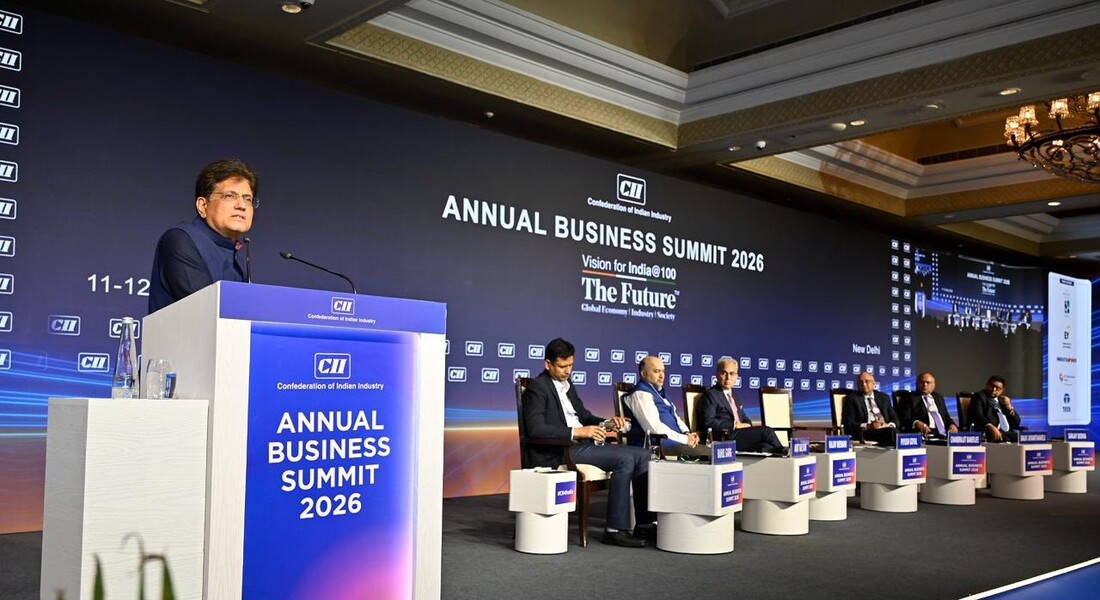
New Delhi: Union Minister of Commerce and Industry Piyush Goyal addressed the Confederation of Indian Industry (CII) Annual Summit in New Delhi on Tuesday and said that the Indian economy has continued to demonstrate resilience despite global geopolitical and economic challenges.

The minister said India remains the fastest-growing large economy and highlighted that the country currently has nearly 11 months of import cover in foreign exchange reserves.

Referring to India’s export performance, Goyal said the country is expected to achieve an all-time high export figure of nearly USD 863 billion this year. He also said that India’s combined trade deficit in goods and services remains significantly lower than the country’s annual remittances, according to an official statement.

Goyal said India has consistently turned crises into opportunities and emerged stronger during difficult periods. He described the current global situation as a wake-up call for the country to become more efficient, productive, and self-reliant.

Referring to the vision of Atmanirbhar Bharat, the minister said the doctrine of self-reliance and confidence in Indian capabilities has remained consistent under the leadership of Prime Minister Narendra Modi. He stressed that the government and industry must work together to strengthen India’s growth story.

Goyal urged Indian industry to support one another, saying collective growth would strengthen the country’s future. He added that principles such as self-reliance, quality, productivity, innovation, and collective action continue to guide the government’s economic thinking.

Highlighting efforts to improve efficiency and reduce wastage, Shri Goyal referred to the LED lighting programme launched in 2015 and said energy efficiency measures have helped save nearly USD 10 billion annually in energy costs while supporting sustainability and environmental protection.

Calling for greater efficiency across sectors, the minister urged industries to reduce waste, improve productivity, and lower the import bill wherever possible. He said investments in public transport infrastructure, including metros and rapid rail systems, along with conscious efforts by citizens and industries, would contribute to economic strengthening.

On Free Trade Agreements, Goyal said India has signed nine FTAs with 38 countries over the last three-and-a-half years, all with developed economies. He said these agreements would help attract investments and expand exports by providing access to large international markets.

The minister said countries such as Switzerland, the US, and EU nations have significantly higher per capita incomes and cannot manufacture products at lower costs than India. He said India’s strength in competitive manufacturing and talent can help leverage these markets more effectively.

Goyal said the FTAs are aimed at strengthening export capabilities, increasing investments, and creating new opportunities for Indian businesses in global markets. He urged industries to utilise these agreements to expand their international presence.

Referring to the changing nature of global trade, the Minister said modern trade agreements increasingly include strong mobility partnership components. He noted that more than 10 million Indians are working in Gulf countries, while the number of Indians employed in the UAE has increased from around 1.8 million to 4.5 million over the last 12 to 13 years.

The minister also urged industries to leverage artificial intelligence, robotics, and quantum computing as tools for growth and competitiveness. He said artificial intelligence should be viewed not only as a cost-cutting measure but also as a means to improve productivity, expand businesses and capture larger markets.

Goyal advised industries to conduct dedicated AI training programmes for employees and use technology to improve productivity and market reach rather than merely reduce manpower. He added that India has historically adapted to technological changes by moving from call centres to BPOs, software services, and higher-end business solutions.

He further said sectors such as hospitality, jewellery, and other people-centric industries would continue to rely heavily on human creativity and skills even in the era of artificial intelligence.

Highlighting the growth of Global Capability Centres (GCCs), Goyal said nearly 1,800 GCCs are currently operating in India, and another 500 are expected to be established in the coming years. He said exports from GCCs are growing by nearly 40-50% annually and currently stand at around USD 50 billion, directly employing nearly two million people.

The minister also pointed to opportunities in sectors such as lab-grown diamonds, renewable energy-based manufacturing, and artificial jewellery, stating that these industries could generate significant employment and export opportunities.
Minister Hardeep Singh Puri says India has no petroleum shortage

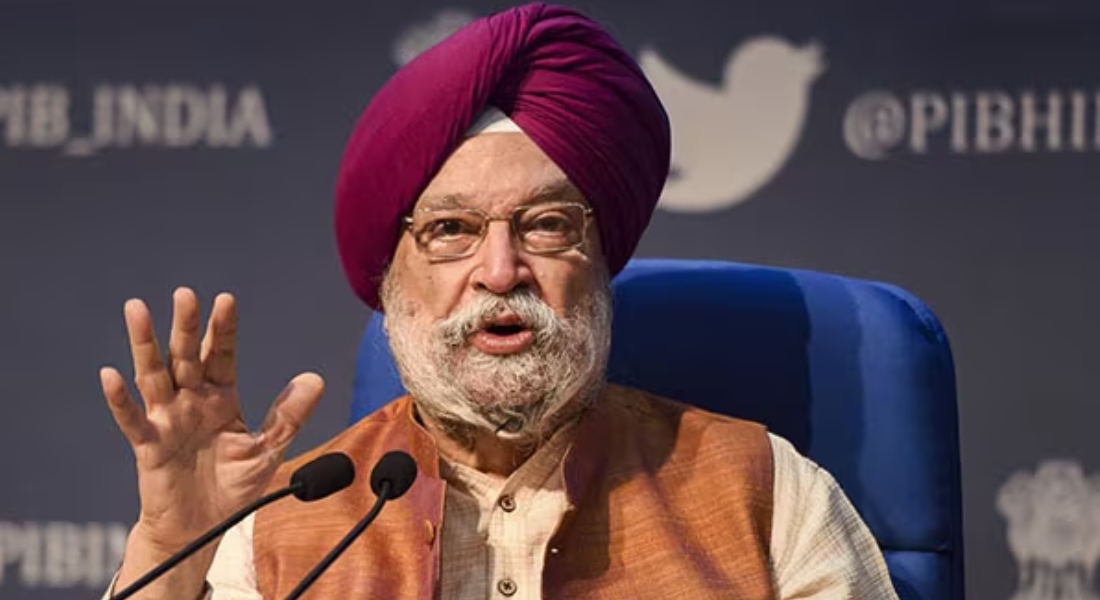
New Delhi: Union Minister for Petroleum and Natural Gas Hardeep Singh Puri on Tuesday said that there is no shortage of petroleum products in the country.

He said India currently has 60 days of crude oil reserves, 60 days of LNG, and 45 days of LPG reserves available, adding that the country has strengthened its energy security system amid geopolitical tensions, especially in West Asia.

“There is no shortage of any petroleum product in the country,” the minister said, while addressing the CII Annual Business Summit 2026, noting that India remained unaffected even as several countries faced fluctuations in oil prices and supply challenges.

In a series of posts on X, he highlighted that India has increased its daily LPG production from 35,000 tonnes to 54,000 tonnes to ensure an uninterrupted supply.

According to him, during this period, many countries experienced volatility in oil prices and availability, but India’s supply situation remained stable.

Puri said that some attempts were made to spread rumours and create panic around fuel availability, but under the guidance of Prime Minister Narendra Modi, there was no shortage of petrol, diesel, or LPG anywhere in the country.

He stated that there is no crisis in India, adding that the prime minister had advised citizens only to moderate energy consumption to avoid fiscal strain, and not because of any supply issue.

The minister further said that India’s oil marketing companies are currently bearing losses of around Rs 1,000 crore per day, in order to protect consumers from global price volatility.

He added that despite crude oil prices nearly doubling globally, India has maintained stable petrol and diesel prices over the past four years and ensured uninterrupted fuel availability across more than 1 lakh retail outlets, along with LPG supply to 33.5 crore households.

Puri also said India has diversified its crude oil sourcing from 27 countries in 2006-07 to 41 countries at present, ensuring supply security from multiple regions.

He said India is strategically holding energy reserves for about 74 days and continues to expand capacity further.

The minister said the government activated a coordinated energy security mechanism through Operation Urja Suraksha, aimed at strengthening sourcing, boosting domestic production, and improving refinery coordination.

He added that LPG production was increased significantly while demand moderation measures helped reduce consumption levels, contributing to overall stability in supply.

Puri concluded that India’s energy sector is robust and secure, and urged against rumours or misinformation regarding fuel shortages.

NEET(UG) 2026 cancelled; Opposition attacks Centre over alleged paper leak

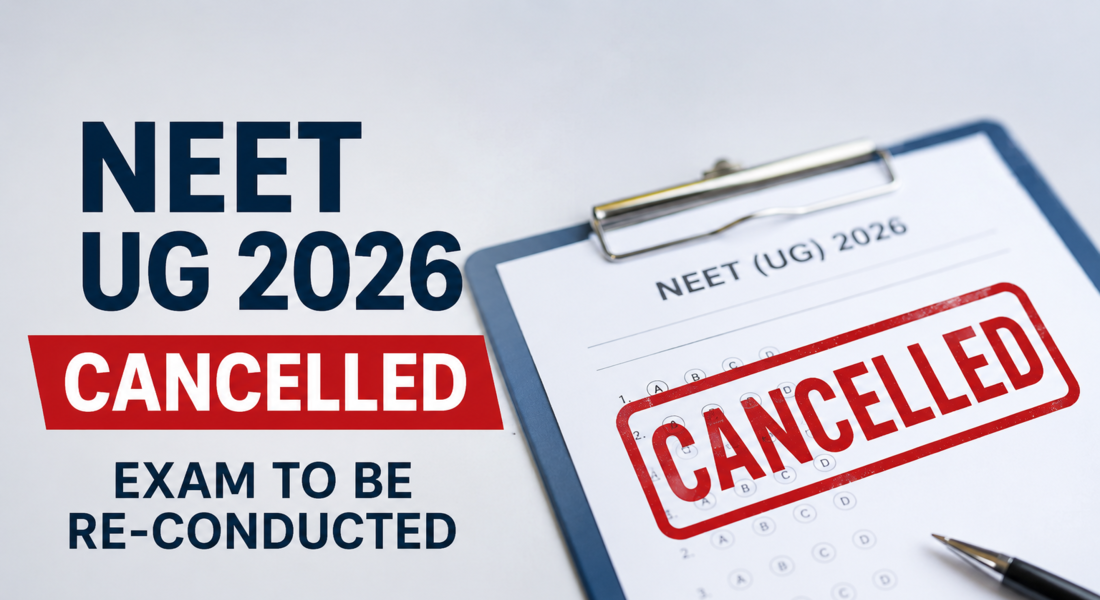
New Delhi: The National Testing Agency (NTA) on Tuesday cancelled the NEET (UG) 2026 examination conducted on May 3 and announced that the medical entrance test will be re-conducted on fresh dates to be notified later, following inputs received from central agencies and findings shared by law enforcement authorities regarding alleged irregularities and a possible paper leak.

In a statement issued in continuation of its earlier communication, the NTA said matters under examination had been referred to central agencies on May 8 for independent verification and necessary action as part of efforts to maintain the integrity of the national examination process.

The agency stated that information gathered in coordination with investigative agencies indicated that “the present examination process could not be allowed to stand”, leading to the decision to cancel the examination with the approval of the Central government.

The development triggered sharp political reactions, with opposition parties accusing the Centre of failing to protect the future of students appearing for one of India’s most competitive entrance examinations.

Leader of Opposition in Lok Sabha Rahul Gandhi termed the episode a “crime against the future of the youth” and alleged that the aspirations of more than 22 lakh students had been damaged by corruption and administrative failure.

“Some fathers took loans, some mothers sold their jewellery and lakhs of children stayed up all night studying. In return, they got paper leaks, government negligence, and organised corruption in education,” Rahul Gandhi wrote on X.

He said students were repeatedly being forced to suffer because those responsible for paper leaks were not being held accountable. He also alleged that the education system loses credibility when money and influence begin to outweigh merit and hard work.

Manish Sisodia of the Aam Aadmi Party warned that continued examination irregularities could trigger a wider backlash among younger voters. Referring to recent youth-led protests in Nepal, Sisodia claimed the government risked facing similar public anger if action was not taken against the alleged paper leak networks.

Former Rajasthan Chief Minister Ashok Gehlot said the cancellation itself pointed to “large-scale irregularities” and accused the BJP government in Rajasthan of attempting to suppress information linked to the alleged leak.

M. K. Stalin also renewed his criticism of the NEET system, describing it as “a scam in itself” and reiterating his long-standing demand for scrapping the examination and restoring medical admissions based on Class 12 marks.

Meanwhile, the NTA said all registration details, candidature information and examination centres selected for the May 2026 cycle would remain valid for the re-conducted examination. Candidates will not be required to register again and no additional examination fee will be charged.

The agency also said fees already paid by candidates would be refunded and clarified that the fresh examination would be conducted using its internal resources.

The Centre has additionally handed over the matter to the Central Bureau of Investigation for a comprehensive investigation into the allegations. The NTA said it would fully cooperate with the probe by providing all required records and assistance.

“Further communications, including the re-conducted examination dates and the re-issued admit-card schedule, will be issued through the official channels of the Agency,” the statement said, while urging students and parents not to rely on unverified information circulating on social media.

KIIT signs pathway programme agreement with Newcastle University to boost global academic collaboration

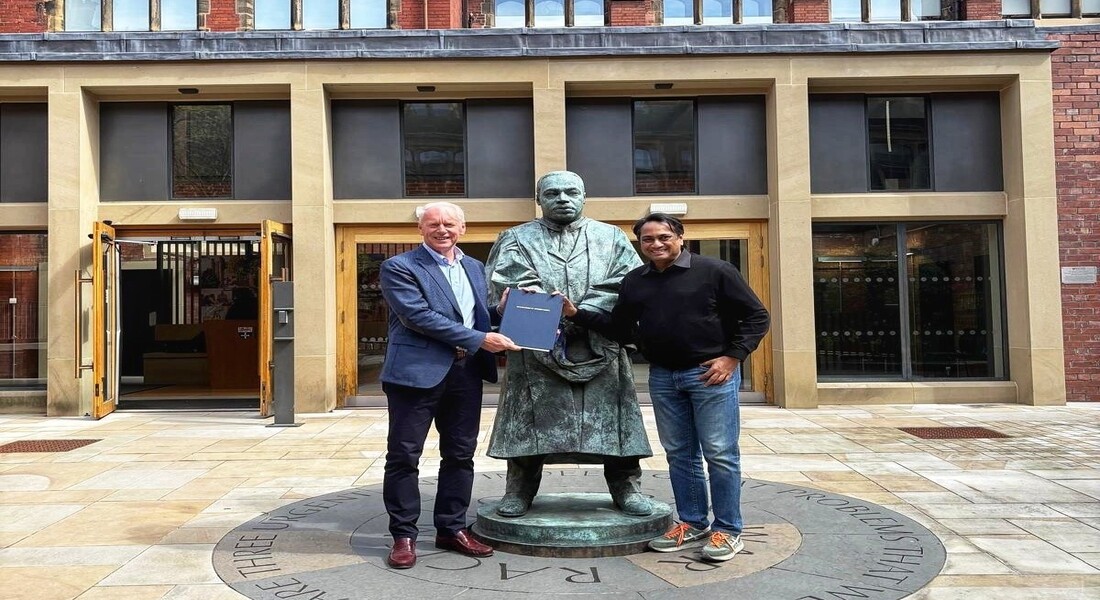
Bhubaneswar: KIIT University has entered into a Pathway Programme Agreement with Newcastle University in the UK, marking a new step in strengthening international academic cooperation and student mobility opportunities.

The partnership is expected to create structured academic pathways for students from KIIT, enabling smoother transitions into higher education programmes at the UK institution.

The agreement was formally exchanged between Professor Chris Day CBE DL, Vice-Chancellor and President of Newcastle University, and Dwiti Aditya, Vice President – International Relations at KIIT.

The ceremony was attended by Sanjana Medipally, Acting Head of International Relations and Partnerships; Professor Stephanie Glendenning, Pro-Vice-Chancellor of the Faculty of Science and Engineering; and Professor Ian Head from Newcastle University, KIIT said in a post on X.

According to KIIT, the collaboration is aimed at expanding its global academic engagement while enhancing opportunities in higher education, research collaboration, and student exchange initiatives.

The institution stated that the agreement will provide students with broader exposure to international learning environments and strengthen academic linkages between the two universities.

KIIT also expressed its intent to further deepen the partnership with Newcastle University in the coming years for the benefit of its students and the wider academic community.

Newcastle University, established in 1834 and a founding member of the Russell Group, is currently ranked 137th in the QS World University Rankings 2026.

BJD raises objections over second ballot papers in Rajya Sabha polls

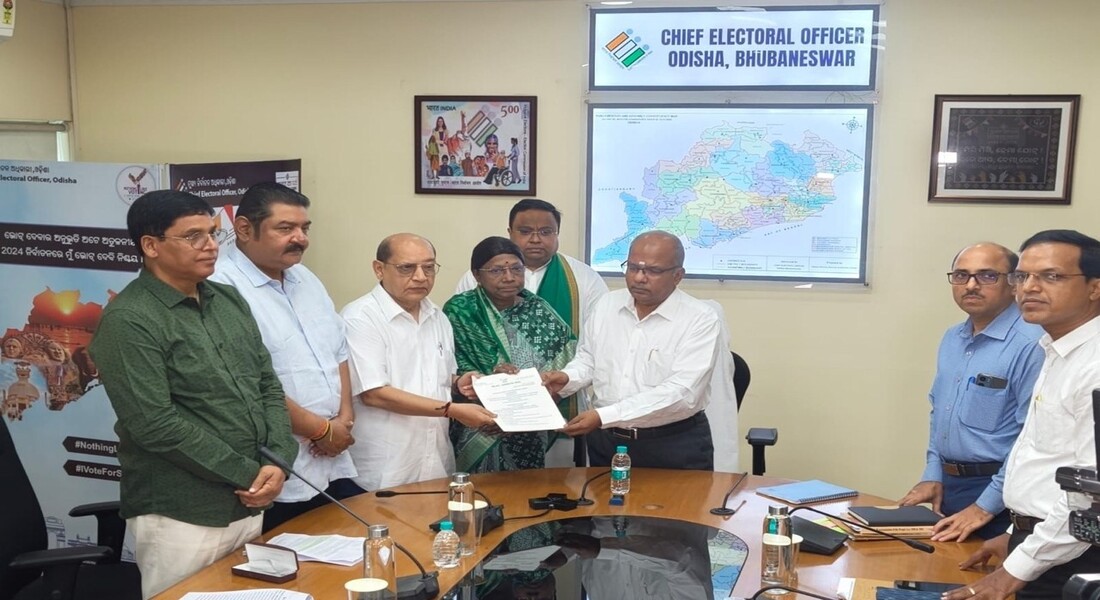
Bhubaneswar: A delegation of the Biju Janata Dal (BJD) has raised serious objections before the Chief Electoral Officer (CEO) of Odisha over the alleged issuance of second ballot papers to two legislators during the recently held Rajya Sabha elections, and has sought cancellation of the votes cast under those ballots.

According to the party’s memorandum, submitted during a meeting with CEO R.S. Gopalan in Bhubaneswar, second ballot papers were allegedly issued to BJP MLAs Upasana Mohapatra (Brahmagiri) and Suryabanshi Suraj (Dhamnagar) after the original ballot papers had already been marked.

The BJD claimed that the issuance of second ballots did not meet the statutory conditions under Rule 41 of the Conduct of Election Rules, 1961, which governs the treatment of “spoilt” ballot papers. The party argued that objections were raised at multiple levels during the polling process, including by polling agents, counting agents, and candidates, questioning the legality of the procedure.

The delegation, led by Deputy Leader of the BJD Legislature Party Prasanna Acharya, told the CEO that the circumstances under which the second ballots were issued amounted to a procedural violation. The party also referred to the role of the Election Commission Observer, stating that permission for second ballot papers was initially declined but later granted, raising concerns over compliance with statutory requirements.

The BJD further cited earlier representations made on the issue, including complaints raised during the polling process and communications sent to the Election Commission of India by party President Naveen Patnaik and party MP Dr Sasmit Patra.

In its memorandum, the party urged the election authorities to reject the votes cast by the two MLAs and adjust the preference count accordingly, arguing that such recalculation would alter the outcome in favour of another candidate, Datteswar Hota.

The delegation also sought disclosure of action taken on earlier complaints and demanded that all relevant election records be preserved. These include ballot paper accounts, counterfoils, observer reports, counting records, and audiovisual documentation from the polling and counting process.

The party has also called for a detailed and independent examination of the circumstances under which the second ballot papers were issued, and whether provisions of Rule 41 of the Conduct of Election Rules, 1961, were properly followed during the process.

PM Modi to visit UAE, Europe for India-Nordic Summit and bilateral talks from May 15

New Delhi: Prime Minister Narendra Modi will embark on a multi-nation visit to the UAE, the Netherlands, Sweden, Norway, and Italy from May 15 to 20, with the tour expected to focus heavily on trade, investment, clean energy, technology partnerships, and strategic cooperation with Europe and the Nordic region.

According to the Ministry of External Affairs, Modi will begin the visit in the UAE on May 15, where he is scheduled to hold talks with UAE President Sheikh Mohamed bin Zayed Al Nahyan. Discussions are expected to cover energy cooperation, regional and global developments, and ways to strengthen the India-UAE Comprehensive Strategic Partnership further.

The visit is also expected to focus on expanding trade and investment ties between the two countries, the ministry said in a release. The UAE remains India’s third-largest trading partner and one of the country’s major sources of investment. Welfare of the more than 4.5 million Indians living in the Gulf nation is also likely to feature in the discussions.

In the second leg of the tour, Modi will travel to the Netherlands from May 15 to 17 at the invitation of Dutch Prime Minister Rob Jetten. This will be his second visit to the country since 2017.

During the visit, Modi is scheduled to meet King Willem-Alexander and Queen Máxima and hold bilateral talks with Prime Minister Jetten. The discussions are expected to focus on defence, security, semiconductors, green hydrogen, innovation, and water management cooperation.

The ministry said the visit comes at a time when bilateral trade between India and the Netherlands has reached USD 27.8 billion during 2024-25, while Dutch investments in India have grown significantly over the years.

From the Netherlands, the prime minister will travel to Gothenburg in Sweden on May 17 and 18 at the invitation of Swedish Prime Minister Ulf Kristersson.

The two leaders are expected to review the full spectrum of India-Sweden relations, including collaboration in green transition, artificial intelligence, emerging technologies, startups, defence, climate action, and resilient supply chains.

Modi and Kristersson are also expected to jointly address the European Round Table for Industry alongside European Commission President Ursula von der Leyen.

The fourth leg of the tour will take Modi to Norway from May 18 to 19 for the 3rd India-Nordic Summit and bilateral engagements. The visit will mark Modi’s first trip to Norway and the first prime ministerial-level visit from India to the country in more than four decades.

In Oslo, Modi will meet King Harald V and Queen Sonja and hold talks with Norwegian Prime Minister Jonas Gahr Støre. He is also expected to participate in the India-Norway Business and Research Summit.

The ministry said discussions in Norway would focus on trade and investment, clean and green technologies, the blue economy, and opportunities arising from the India-EFTA Trade and Economic Partnership Agreement.

The India-Nordic Summit, scheduled for May 19 in Oslo, will bring together the leaders of Norway, Denmark, Finland, Iceland, and Sweden. The summit is expected to strengthen cooperation in areas such as renewable energy, sustainability, innovation, defence, space, and Arctic affairs.

In the final leg of the visit, Modi will travel to Italy from May 19 to 20 at the invitation of Italian Prime Minister Giorgia Meloni.

During the visit, he is scheduled to meet Italian President Sergio Mattarella and hold bilateral talks with Meloni. Discussions are expected to review progress under the Joint Strategic Action Plan 2025-2029 and explore deeper cooperation in trade, clean energy, science and technology, defence, innovation, and investment.

Norway suspends UNEP funding ahead of key budget review

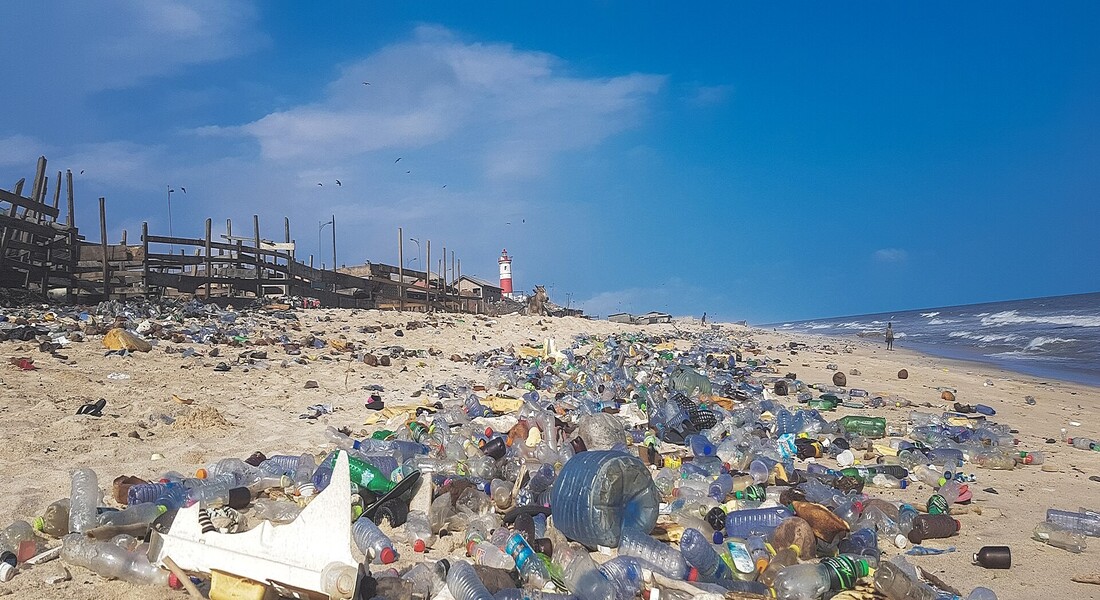
New Delhi: Fresh uncertainty has emerged around global efforts to tackle plastic pollution after Norway temporarily paused funding to the UN Environment Programme (UNEP) ahead of the agency’s revised budget discussions scheduled for May 12.

The move has raised concerns among environmental groups and member states, particularly because UNEP is overseeing the ongoing negotiations for a global plastics treaty. Countries have been attempting since 2022 to reach an agreement on reducing plastic pollution, but six rounds of negotiations have failed to deliver a final deal.

According to guardian.com, UNEP Executive Director Inger Andersen recently held discussions with the Norwegian Agency for Development Cooperation (Norad), where she was informed that all funding agreements were being placed on hold pending budget-related decisions.

Norway has been one of UNEP’s biggest financial contributors in recent years. The country contributed nearly USD 12 million annually to UNEP’s environment fund between 2023 and 2025. In 2025 alone, Norway also provided around USD 19 million to the Planetary Fund and an additional USD 7.8 million in earmarked funding.

The temporary funding freeze has sparked concerns over the future functioning of UNEP at a time when the broader United Nations system is already facing financial strain.

Separately, an email obtained by media outlets showed that Norad had informed non-governmental organisations about the postponement of a funding call aimed at supporting projects combating plastic pollution in developing nations.

The programme, valued at around GBP 4 million to GBP 6 million annually, was expected to support countries participating in the plastic treaty negotiations.

Christina Dixon, Ocean Campaign Leader at the Environmental Investigation Agency, warned that uncertainty over funding had come at a critical stage for the negotiations. She said continued financial support would strengthen Norway’s long-standing role in pushing for an ambitious global plastics agreement.

Norway, along with Rwanda, currently co-leads the High Ambition Coalition in the treaty discussions. The coalition has been advocating for a legally binding agreement covering the full lifecycle of plastics, including production and waste management.

The coalition has continued to advocate stronger international rules on plastics, although some fossil fuel-producing countries have supported a softer framework focused more on waste management than production cuts.

The treaty process has already faced multiple setbacks. Last year, the chair overseeing the negotiations stepped down unexpectedly following a stalled round of talks that ended without major progress after nearly three years of discussions.

A new chair has since been appointed, and negotiations are expected to resume in early 2027.

Karen Landmark, Managing Director of the Norwegian environmental foundation GRID-Arendal, expressed concern that the funding pause could weaken momentum in the talks. She said the development might encourage some countries to lower their level of ambition during future negotiations.