At IndiaVerve, we go beyond the noise to bring you meaningful stories of change, resilience and progress—from India to the world stage. Our mission is to bring readers credible, wide-ranging coverage across politics, business, sports, culture, society and more.

CM Majhi orders probe into textbook errors, high-level panel to submit report in seven days

Bhubaneswar: Odisha Chief Minister Mohan Charan Majhi on Wednesday took a stern view of the large number of errors reported in newly introduced school textbooks and ordered the formation of a three-member high-level committee to identify those responsible and recommend corrective action.

The move comes amid growing criticism over mistakes found in textbooks for Classes I to VIII prepared under the National Education Policy (NEP) 2020 framework for the 2026–27 academic session. Reports from teachers and education stakeholders have highlighted numerous errors ranging from spelling mistakes and factual inaccuracies to incorrect photographs and geographical references.

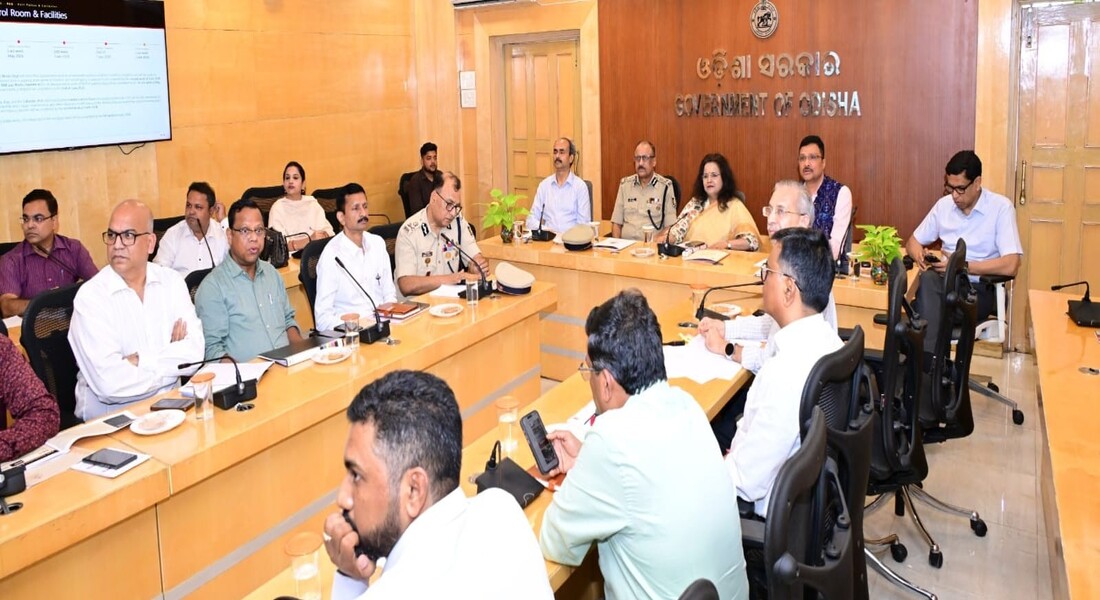
According to an official release from the Chief Minister’s Office, Majhi chaired a review meeting at Lok Seva Bhawan to assess the issue. School and Mass Education Minister Nityananda Gond, Chief Secretary Anu Garg and senior officials participated in the meeting through virtual mode.

The Chief Minister directed authorities to take immediate steps to rectify the errors and ensure that students are not adversely affected. He also ordered the constitution of a three-member committee under the chairmanship of the Development Commissioner to investigate the matter.

The committee has been tasked with identifying the officials, agencies or institutions responsible for the errors and submitting its report within seven days. The Chief Minister said strict action would be taken against those found accountable based on the panel’s findings.

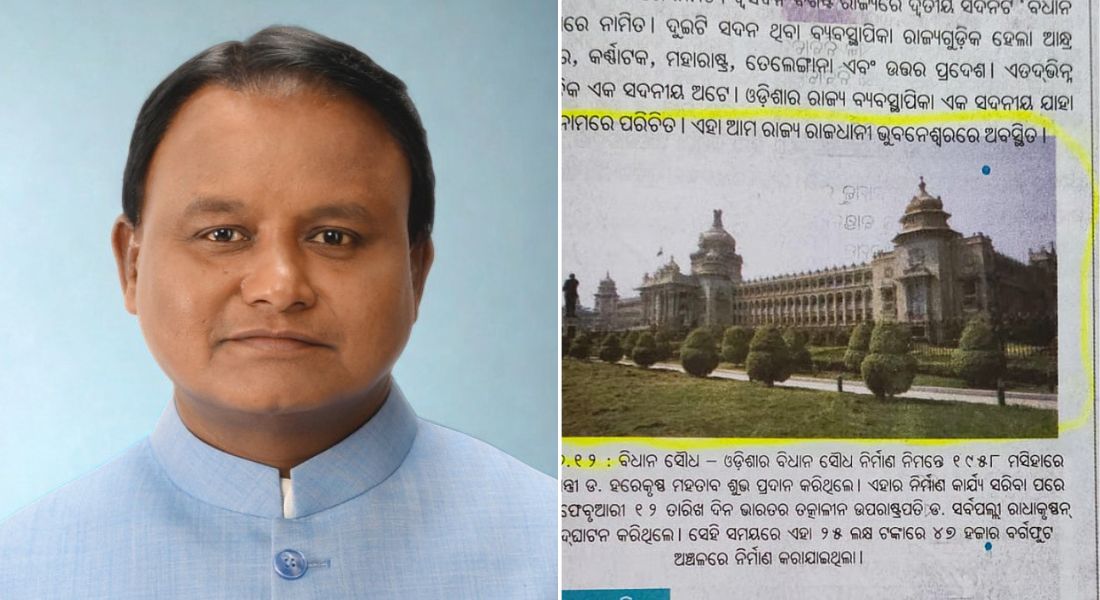
The controversy erupted after teachers claimed that as many as 1,678 errors had been detected in the new textbooks. Among the reported mistakes was the use of a photograph of the Karnataka Legislative Assembly in place of the Odisha Legislative Assembly. Another widely discussed error allegedly described Odisha’s Niyamgiri Hills as being located in Jharkhand.

Bramhananda Maharana, president of the Primary Teachers Association, had earlier demanded a thorough inquiry and immediate correction of the textbooks. He urged the government to distribute revised versions to students at the earliest.

School and Mass Education Minister Nityananda Gond had acknowledged concerns over the errors, stating that the department was taking necessary steps for rectification. He had suggested that some mistakes may have occurred during the preparation and printing process of the newly designed textbooks.

The issue has also triggered a political row. The opposition Biju Janata Dal (BJD) termed the errors a “national embarrassment” and demanded the withdrawal of the textbooks from circulation pending corrections. The party alleged that the mistakes could mislead students on matters related to Odisha’s history, geography, language and culture.

According to the BJD, the highest number of reported errors—more than 700—were found in Class VIII textbooks. The party also questioned the quality-control mechanisms adopted during the preparation and review process.

The new textbooks were developed by the State Council of Educational Research and Training (SCERT) as part of curriculum reforms under Odisha Curriculum 2025 and the implementation of NEP 2020.

With the Chief Minister now stepping in and ordering an inquiry, the focus is expected to shift to accountability, correction of the identified mistakes and restoring confidence in the state’s school education system.

FIFA World Cup: Lionel Messi dazzles as Argentina blank Algeria

NEW DELHI: Superstar Lionel Messi’s dazzling hat-trick helped Argentina register a convincing 3-0 win over Algeria in their Group J clash of the FIFA World Cup 2026.

With the feat, he equalled Germany icon Miroslav Klose’s record of 16 career goals in the tournament.

A stunning 30-yard goal from the Argentina captain gave the South American side a 1-0 lead. He doubled the lead with his right foot from a rebound in the 60th minute.

Argentina sealed three crucial points in the 76th minute following Messi’s third and final goal. It was Messi’s first World Cup hat-trick.

Earlier, French superstar Kylian Mbappe scored twice as France defeated Senegal 3-1 in their Group I clash.

The first half was a complete disappointment for both sides as they failed to produce a single goal.

Mbappe opened the scoring in the 66th minute with a fine goal, and Bradley Barcola doubled the lead in the 82nd minute.

Ibrahim Mbaye pulled one back for Senegal in the 95th minute with a stunning strike, but a spectacular goal from Mbappe sealed the victory for France.

In another Group I match, Norway thrashed Iraq 4-1, thanks to a brace from Erling Haaland. Leo Ostigard scored Norway’s third goal, while veteran Iraqi forward Aymen Hussein pulled one back for Iraq.

An own goal by Hussein gave Norway a comfortable victory and helped them move to the top of the Group I standings.

Other result: Group J: Austria 3, Jordan 1

India’s defence production hits record Rs 1.78 lakh crore in FY26

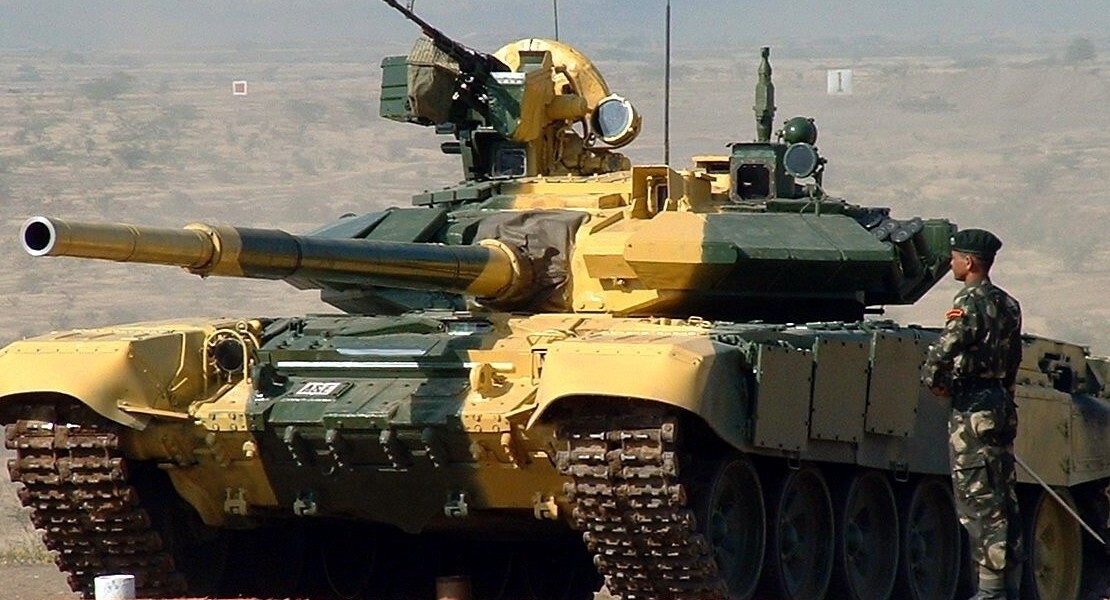
NEW DELHI: India’s annual defence production reached an all-time high of Rs 1.78 lakh crore in the financial year 2025-26, marking a significant milestone in the country’s push for self-reliance in defence manufacturing under the Aatmanirbhar Bharat initiative.

According to official figures, defence production registered a growth of 15.6% over the previous fiscal year’s output of Rs 1.54 lakh crore. The latest achievement also represents an increase of more than 110% compared to Rs 84,643 crore recorded in FY 2020-21. Since FY 2013-14, when indigenous defence production stood at Rs 43,746 crore, the sector has expanded nearly fourfold.

Defence Public Sector Undertakings and other public sector entities accounted for around 76% of the total production, while the private sector contributed 24%, according to an official statement.

The private sector’s share rose from 22% in FY 2024-25 to an all-time high of approximately Rs 42,000 crore in FY 2025-26, highlighting its growing role in the country’s defence manufacturing ecosystem.

The rise in domestic defence production has also contributed to record defence exports worth Rs 38,424 crore during FY 2025-26, reflecting increasing global demand for Indian-made defence equipment and systems.

Defence Minister Rajnath Singh attributed the achievement to the leadership of Prime Minister Narendra Modi and praised the efforts of the Department of Defence Production, public sector undertakings, and private industry stakeholders.

In a post on X, Singh said the record production figures demonstrate the growing strength of India’s defence industrial base. He expressed confidence that continued policy support, new initiatives, greater private sector participation, and expanding export capabilities would further accelerate growth in the sector.

The latest figures underscore the government’s sustained focus on boosting indigenous manufacturing capabilities and reducing dependence on imports while strengthening India’s position as a key player in the global defence market.

Deputy speaker’s signature allegedly forged in transfer bid

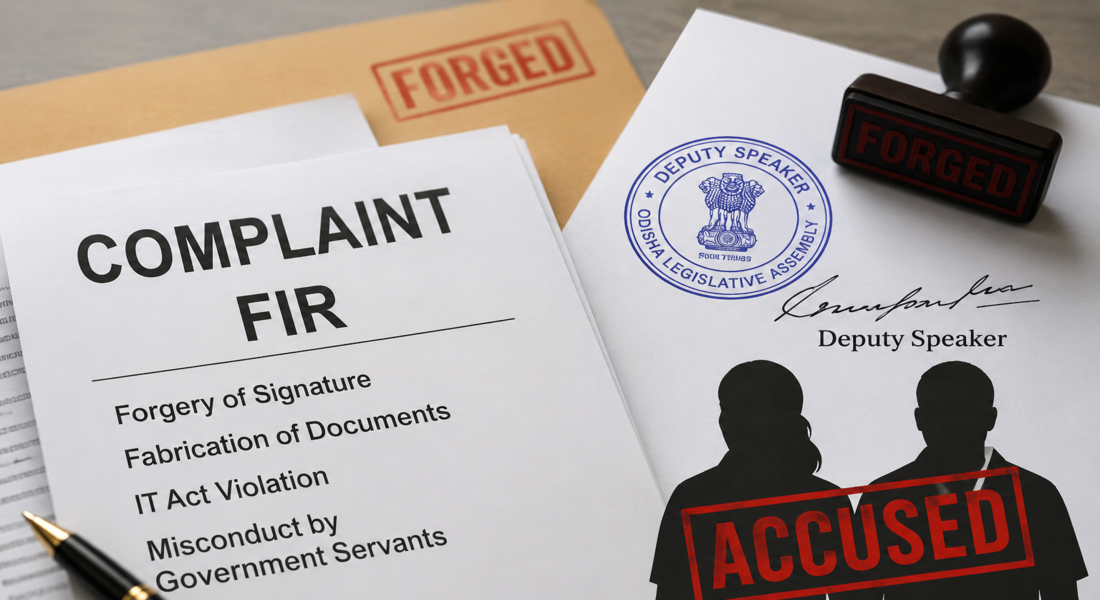
BHUBANESWAR: The office of the deputy speaker of the Odisha Legislative Assembly has sought registration of an FIR against two Assistant Executive Engineers (AEEs) for allegedly forging the Deputy Speaker’s signature and using fabricated official documents to secure transfers.

A complaint lodged with Capital Police Station, Bhubaneswar, by Niranjan Kumar Sha, Private Secretary to the Deputy Speaker, names Monalisa Behera, AEE of Banspal Block, and Laxman Hembram, AEE of Harichandanpur Block, in connection with the alleged forgery.

According to the complaint, the two officials allegedly prepared and used forged documents carrying the purported signature of the Deputy Speaker Bhabani Shankar Bhoi, and the official D.O. pad of his office.

The documents were allegedly submitted to the Panchayati Raj and Drinking Water Department in an attempt to obtain transfers to Bargaon Block and Sadar Block in Sundargarh district.

The Deputy Speaker’s office stated that the documents were neither issued nor authorized by it.

The complaint seeks registration of an FIR over the alleged forgery of signature, fabrication and use of forged documents, unauthorized use of official stationery, alleged violations of the Information Technology Act, and misconduct by government servants.

Police action is awaited on the complaint.

Puri Rath Yatra preparations to be completed by June 30, directs chief secretary

BHUBANESWAR: Odisha Chief Secretary Anu Garg on Tuesday directed all departments to complete preparations for the Puri Rath Yatra by June 30, while reviewing the progress of infrastructure, sanitation, health, transport, and security arrangements for the annual festival scheduled to be held on July 16.

Chairing a high-level review meeting at Lok Seva Bhavan, Garg assessed the status of works being undertaken by various departments to ensure the smooth conduct of the Rath Yatra and the convenience of lakhs of devotees expected to visit Puri during the festival.

The meeting was attended by Additional Chief Secretary of the Home Department Hemant Sharma, Shree Jagannath Temple Administration Chief Administrator, and Additional Chief Secretary of the Revenue and Disaster Management Department Dr. Arabinda Kumar Padhee, Director General of Police Y.B. Khurania, Director General of Fire Services Dr. Sudhanshu Sarangi, departmental secretaries, senior police officers, and district officials.

Reviewing decisions made during an earlier April meeting, officials discussed progress on responsibilities assigned to different departments. The Shree Jagannath Temple Administration informed the meeting that all timber required for the construction of the three chariots had arrived within the stipulated time.

Puri Collector Dibyajyoti Parida and Superintendent of Police Prateek Singh made detailed presentations on preparations undertaken so far. The chief secretary stressed the need for the timely execution of all works well ahead of the festival.

The review covered improvement of the Grand Road (Bada Danda) and roads connecting Puri, development of parking facilities, installation of temporary toilets, drinking water and sanitation arrangements, power supply, rail and road transport services, crowd management, and law-and-order measures.

Officials informed the meeting that route plans have been prepared to facilitate the smooth movement of ambulances during the festival. Installation of high-mast lights along the Grand Road is underway, while beautification works at the Gundicha Temple and improvement of roads along the seafront are also progressing.

Bio-toilets are being installed, and parking infrastructure is being developed at Samanga. Secretaries of various departments have already visited Puri to review field-level progress and take necessary measures.

The Health Department has identified locations for eight additional temporary health centres equipped with beds to meet emergency medical requirements during the festival. The Works Department and Puri Municipal Corporation have also identified temporary parking sites, where improvement works are currently in progress.

The Puri collector informed the meeting that encroachment removal drives along the Grand Road are continuing in phases and are expected to be completed within the stipulated timeline. The tender process for the installation of 1,600 temporary toilets has been completed, and the facilities are expected to be ready before the festival.

Modi calls for global solidarity, holds key bilateral talks at G7 Summit

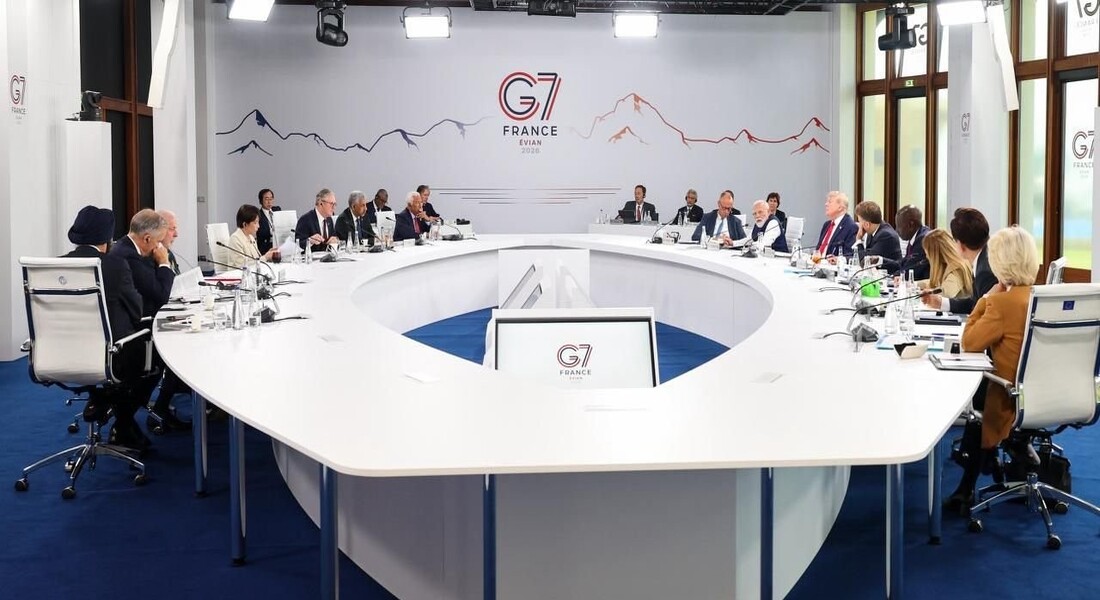
NEW DELHI: Prime Minister Narendra Modi on Tuesday called for rebuilding international solidarity through trust, transparency, and equal partnerships while holding a series of bilateral meetings with leaders from Canada, the UAE, and the UK on the sidelines of the G7 Summit in Evian, France.

Addressing the Outreach Session on “Forging New Partnerships and Rebuilding International Solidarity”, Modi said that in an interconnected world, energy, food, health, cyber, and economic security are closely linked, making international partnerships essential for global progress and prosperity.

He noted that trade and technology were increasingly being misused for narrow interests, creating a trust deficit in international relations. Referring to lessons from the COVID-19 pandemic, the PM urged nations to strengthen trust and transparency in global cooperation.

Highlighting India’s approach to international engagement, Modi said the country continues to follow the principle of “humanity first” through initiatives such as the International Solar Alliance, Coalition for Disaster Resilient Infrastructure, Global Biofuel Alliance, Mission LiFE, and the Ek Ped Maa Ke Naam campaign.

He also pointed to India’s role as a first responder during natural disasters in countries including Sri Lanka, Afghanistan, Mozambique, and Jamaica, according to an official statement.

The PM said India’s development model, guided by the principle of “Sarv Jan Hitaye, Sarv Jan Sukhaye”, has helped advance financial inclusion, health security, digital identity, technology-led empowerment, and women-led development.

Calling for a shift beyond the traditional donor-recipient framework, Modi said international partnerships should be based on solidarity and equal ownership. He added that respect for international law, along with dialogue and diplomacy, remains crucial for achieving peace and stability.

On the sidelines of the summit, Modi met Canadian Prime Minister Mark Carney. The two leaders welcomed the positive momentum in India-Canada relations and reviewed progress made since Carney’s visit to India in March this year.

The leaders discussed bilateral economic cooperation, including commercial arrangements related to LNG, LPG, and metallurgical coal. They also noted progress in negotiations for a Comprehensive Economic Partnership Agreement and reaffirmed their goal of concluding the talks in 2026.

Modi also held talks with UAE President Mohamed bin Zayed Al Nahyan, marking their third meeting this year. The two leaders reviewed cooperation in technology, trade, investment, energy, and defence under the India-UAE Comprehensive Strategic Partnership.

They exchanged views on regional and global developments, with Modi stressing the importance of dialogue, diplomacy, and respect for international law, sovereignty, and territorial integrity in ensuring peace and stability in West Asia. Both sides also called for free, safe, and unimpeded navigation and trade through the Strait of Hormuz. Modi extended an invitation to the UAE President to attend the upcoming BRICS Summit in India.

In a separate bilateral meeting, Modi met his UK counterpart, Keir Starmer. The two leaders reviewed progress under the India-UK Vision 2035 partnership covering trade, defence, climate action, technology, innovation, and education.

They expressed hope for the early implementation of the Comprehensive Economic and Trade Agreement and welcomed recent developments in educational cooperation, including plans by the University of Liverpool to establish a campus in Bengaluru and initiatives involving the University of York and the University of Bristol in Mumbai.