At IndiaVerve, we go beyond the noise to bring you meaningful stories of change, resilience and progress—from India to the world stage. Our mission is to bring readers credible, wide-ranging coverage across politics, business, sports, culture, society and more.

BMC’s 42nd Corporation Meeting discusses health, sanitation, key civic projects

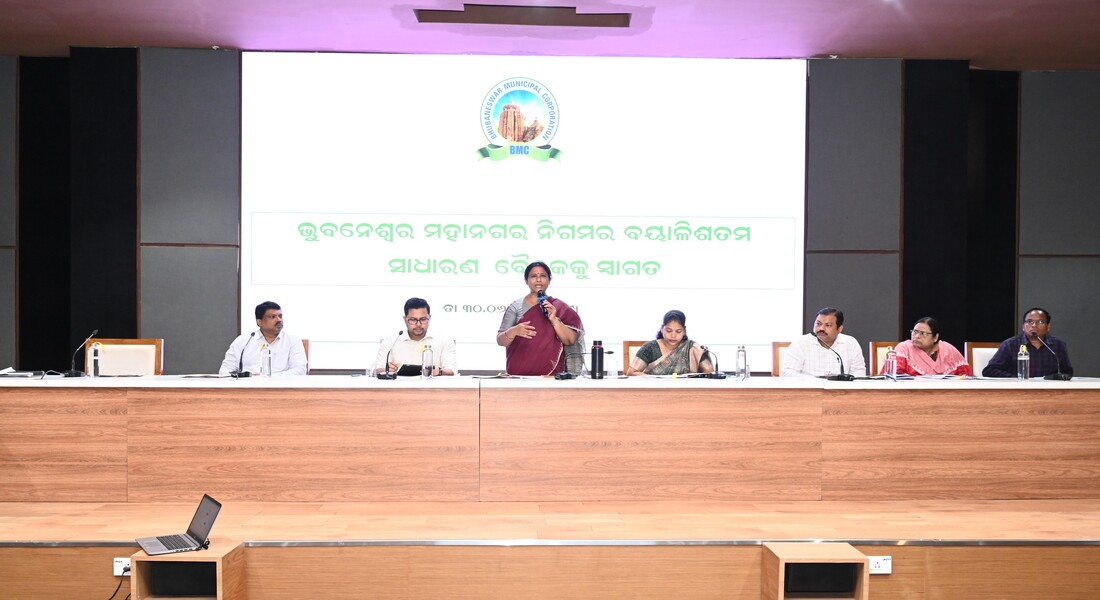
Bhubaneswar: The 42nd Corporation Meeting of the Bhubaneswar Municipal Corporation (BMC) concluded on Tuesday with extensive discussions on health, sanitation, electric lighting, and several civic development projects.

The meeting also reviewed the implementation of decisions taken during the previous corporation meeting, the BMC said in a detailed post on X.

Mayor Sulochana Das directed officials from the Roads and Buildings Department, TPCODL, and BMC sub-divisions to immediately repair roads along the chariot route and fix hanging or loose electric wires to ensure public safety.

The meeting began with a review of the status of decisions taken during the previous corporation meeting. Proposals submitted by corporators and various BMC sub-divisions were then taken up for discussion as per the agenda.

During the question-and-answer session, seven written questions were placed before the house. Corporators also raised several civic issues during the Zero Hour.

The Corporation decided to forward the corporators’ demand for health insurance to the government for consideration.

The meeting was also informed that several major civic projects are expected to be implemented by the end of the year. The Commissioner said the projects include a non-vegetarian waste processing facility, installation of sensors in major drains, and construction of a dog shelter.

The discussions focused on strengthening civic infrastructure and improving public services across Bhubaneswar through better sanitation, health initiatives and urban infrastructure projects.

RBI report says India’s financial system remains resilient

New Delhi: The Reserve Bank of India (RBI) on Tuesday released the Financial Stability Report for June 2026, stating that the Indian financial system remains resilient despite persistent global uncertainties.

The report reflects the collective assessment of the Sub-Committee of the Financial Stability and Development Council on the resilience of India’s financial system and the risks to financial stability.

The report noted that the global financial system has shown notable resilience despite repeated shocks. Financial markets remained orderly after an initial phase of volatility triggered by the outbreak of the West Asia conflict.

However, global financial stability risks continue to remain elevated.

According to an RBI press release, persistent supply chain uncertainties could tighten global financial conditions and rekindle inflationary pressures. The report also highlighted elevated public debt, bond market fragilities, stretched asset valuations, and leveraged non-banking financial institutions as major vulnerabilities that could amplify future shocks.

The RBI further said India’s strong macroeconomic fundamentals have placed the country in a better position than many of its peers. These fundamentals have also improved India’s ability to withstand external shocks compared to previous crisis episodes.

The report added that the balance of risks has turned favourable, supported by the interim peace deal and recent policy measures taken by the government and the Reserve Bank to strengthen capital inflows.

The domestic financial system continues to remain resilient, backed by strong balance sheets of banks and non-bank financial institutions. Scheduled Commercial Banks remain safe and sound, supported by robust capital and liquidity buffers, improved asset quality and stable profitability.

The RBI’s macro stress test results showed that the banking system is well-positioned to absorb potential shocks. Aggregate capital ratios are projected to remain comfortably above regulatory requirements even under hypothetical adverse scenarios.

The report also said non-banking financial companies remain financially sound, supported by strong capitalisation, healthy profitability and improving asset quality.

The insurance sector has also continued to demonstrate balance sheet resilience, with the solvency ratio of life insurers remaining above the prescribed minimum threshold.

Odisha government appoints 23 executive magistrates for Puri Ratha Yatra 2026

Bhubaneswar: Ahead of the world-famous Puri Ratha Yatra, the Odisha government on Tuesday appointed 23 senior officers as Executive Magistrates to strengthen law and order and ensure the smooth conduct of the annual festival.

The General Administration and Public Grievance Department issued a notification appointing the officers under Section 14(1) of the Bharatiya Nagarik Suraksha Sanhita, 2023. They will function as Executive Magistrates within the local limits of Puri district from June 30 to July 27, 2026.

The officers had already been deployed to Puri as Officers on Special Duty for Ratha Yatra 2026. Their appointment as Executive Magistrates is aimed at enhancing administrative coordination, crowd management and public safety during the festival, which attracts lakhs of devotees from across India and abroad.

The appointed officers include senior OAS officials serving as Special Secretaries, Additional Secretaries, Joint Secretaries, Directors, Managing Directors, Commissioners and Land Officers across various government departments and organisations.

They have been drawn from departments including Health and Family Welfare, Housing and Urban Development, Works, Excise, Commerce and Transport, Tourism, Mission Shakti, Sports and Youth Services, besides agencies such as the Bhubaneswar Municipal Corporation, Bhubaneswar Development Authority, Odisha State Seeds Corporation, IDCO, and district administrations.

According to the notification, the Executive Magistrates will exercise their powers within Puri district throughout the notified period to support the overall management of Ratha Yatra 2026 and ensure seamless coordination during one of Odisha’s biggest religious events.

Deputy CM inaugurates training for Child Welfare Committee members

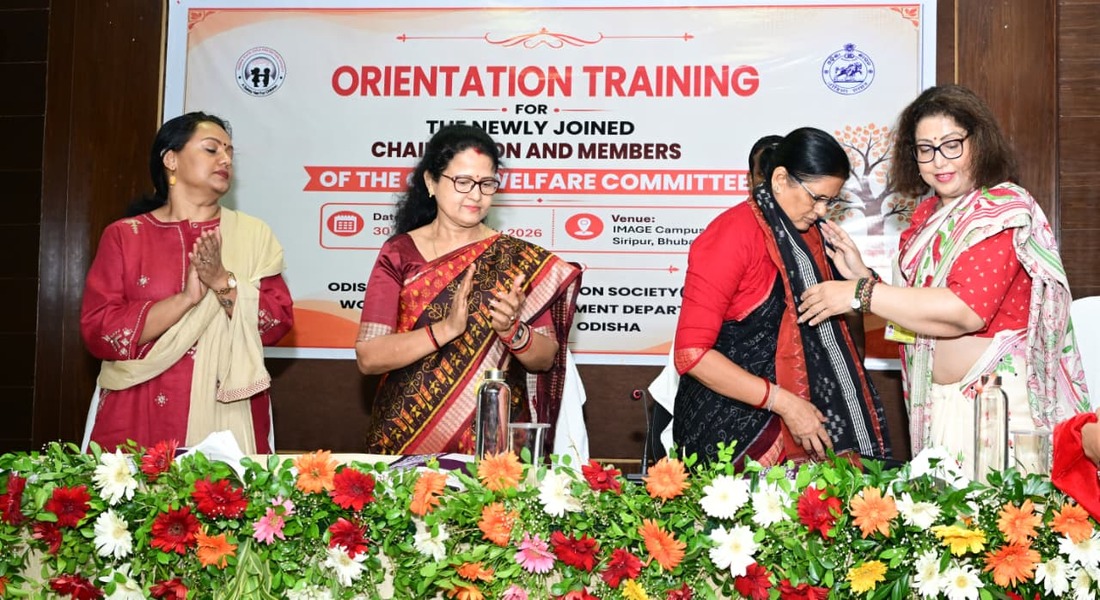
Bhubaneswar: Odisha Deputy Chief Minister Pravati Parida on Tuesday inaugurated a five-day orientation training programme for the newly appointed Chairpersons and Members of Child Welfare Committees (CWCs), reaffirming the State Government’s commitment to strengthening the child protection system and ensuring justice, care and rehabilitation for every vulnerable child.

Addressing the inaugural session, Parida said children are the nation’s greatest asset and emphasised that safeguarding their rights is a shared responsibility of both the government and society.

She said the Odisha Government is continuously strengthening its child protection ecosystem through institutional capacity building, improved service delivery, enhanced monitoring mechanisms and regular training of frontline functionaries.

The five-day orientation programme has been organised by the Odisha State Child Protection Society (OSCPS) under the Department of Women and Child Development. It aims to equip newly appointed CWC members with the legal knowledge, practical understanding and professional skills required to effectively discharge their statutory responsibilities under the Juvenile Justice (Care and Protection of Children) Act, 2015.

Child Welfare Committees play a key role in the care, protection, treatment, development and rehabilitation of children in need of care and protection, making their capacity building crucial for the effective implementation of child welfare laws and services.

The inaugural programme was attended by Dr Mrinalini Darswal, Commissioner-cum-Secretary, Department of Women and Child Development and Chairperson of the Odisha State Child Protection Society; Monisha Banerjee, Director, ICDS and Social Welfare and Director, OSCPS; Sumitra Pattanaik, Additional Secretary, Department of Women and Child Development; and Babita Patra, Chairperson of the Odisha State Commission for Protection of Child Rights.

The orientation programme will continue for five days, focusing on strengthening the institutional capacity of Child Welfare Committees to effectively implement the provisions of the Juvenile Justice (Care and Protection of Children) Act, 2015, and enhance child protection services across the State.

General Dhiraj Seth takes charge as 31st Chief of Army Staff

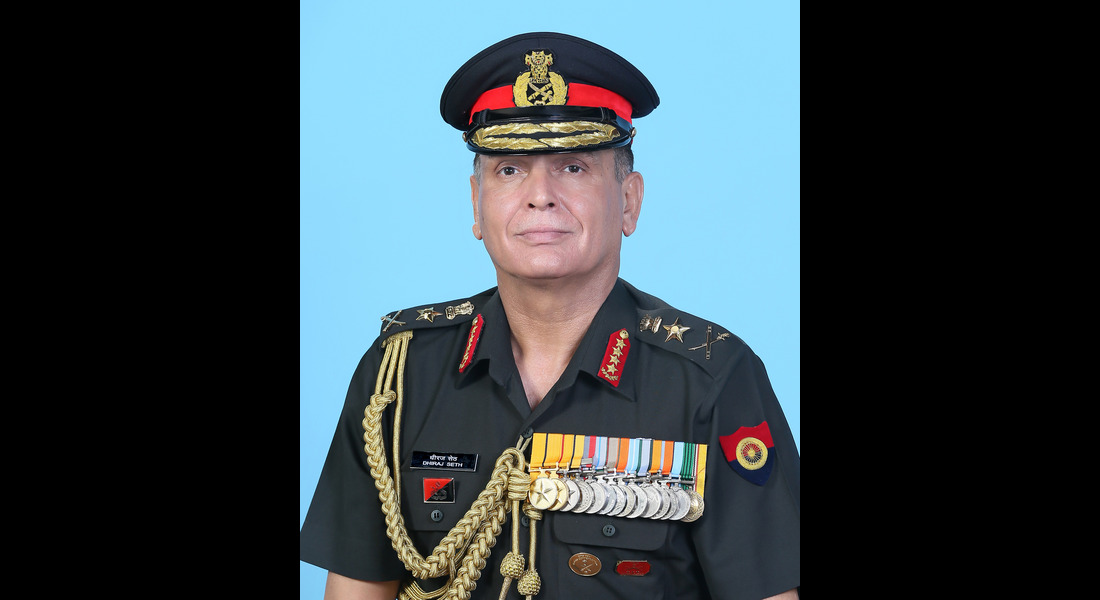
New Delhi: General Dhiraj Seth today assumed charge as the 31st Chief of the Army Staff (COAS), succeeding General Upendra Dwivedi, who retired after more than four decades of distinguished service in the Indian Army.

An alumnus of the National Defence Academy (NDA), Khadakwasla, General Seth was commissioned into the Armoured Corps in December 1986. Over a military career spanning nearly 40 years, he has served in a wide range of operational, strategic, capability development and institutional roles, contributing to the Indian Army’s combat effectiveness and long-term transformation.

According to an official release, General Seth has commanded military formations at every level across diverse operational environments. His field commands include an Armoured Regiment in the Desert Sector, an Armoured Brigade in the Western Theatre and a Counter-Insurgency Force in Jammu and Kashmir.

As a Lieutenant General, he commanded the Sudarshan Chakra Corps, one of the Indian Army’s premier strike formations, before serving as the General Officer Commanding (GOC), Delhi Area, where he oversaw key national and international military engagements as well as ceremonial responsibilities.

After being elevated to the rank of Army Commander, General Seth headed both the South Western Command and the Southern Command, becoming one of the few officers to command two operational Army Commands. During his tenure of over two-and-a-half years in these appointments, he provided strategic oversight across critical operational theatres.

The Ministry of Defence said General Seth has also held several important staff and strategic assignments that significantly influenced operational planning, force management and capability development within the Army.

Widely recognised for his role in force modernisation, he has served in key positions in the Strategic Planning and Capability Development verticals at Army Headquarters. His contributions have helped shape the Army’s modernisation trajectory, capability roadmap and long-term force structuring initiatives by aligning operational requirements with emerging technologies and future battlefield imperatives.

General Seth has consistently excelled in professional military education throughout his career. He is a graduate of the Higher Command Course and the National Defence College, and has also attended the Command and Staff Course in Paris, reflecting his broad strategic outlook and understanding of contemporary military affairs.

Odisha Vigilance raids VIMSAR officials over disproportionate assets

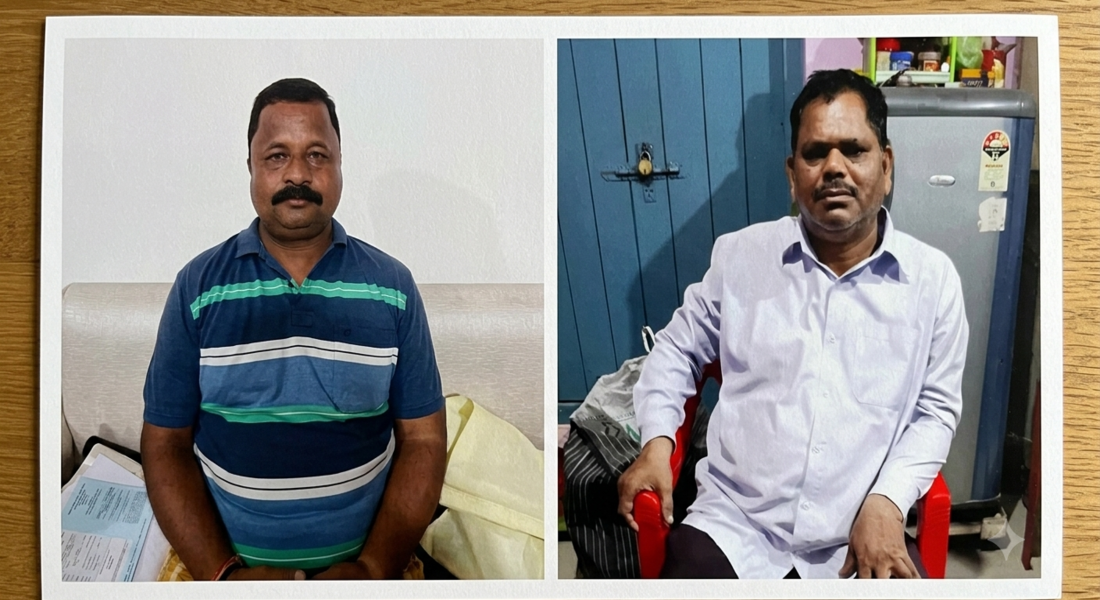
Bhubaneswar: Odisha Vigilance officials on Tuesday launched simultaneous raids at multiple locations in Sambalpur and Bargarh districts against two officials of Veer Surendra Sai Institute of Medical Sciences and Research (VIMSAR), Burla, accused of amassing assets disproportionate to their known sources of income.

The searches, conducted on the strength of warrants issued by the Special Judge, Vigilance, Sambalpur, targeted Dhanurdhar Biswal, Establishment Officer-cum-Office Superintendent at VIMSAR, Burla, and Aswini Meher, Steward in the office of the Superintendent, VIMSAR, Burla.

In Biswal’s case, a vigilance team comprising two DSPs, five inspectors, three ASIs, and other supporting staff searched four locations. These included his double-storeyed residential building at Dhankauda in Sambalpur, a building at Gudesinga in Sambalpur, his government quarter at the Medical Staff Colony in VIMSAR, Burla, and his office chamber at the Superintendent’s office in VIMSAR, Burla.

A separate team of five DSPs, five inspectors, three ASIs, and other supporting staff carried out searches at five locations linked to Meher, spanning both Sambalpur and Bargarh districts.

The locations searched were his government quarter at the Medical Staff Colony in VIMSAR, Burla; an under-construction four-storey building at Saurav Vihar, Burla; a building at Pathanbandh, Burla; a building at Govindpalli in Bargarh district; and his office chamber at the Superintendent’s office in VIMSAR, Burla.

Vigilance officials said the searches were continuing at the time of filing this report, and further details are awaited.

FIFA World Cup: Brazil, Paraguay advance as Japan and Germany crash out

A Gabriel Martinelli goal in the final moments gave Brazil a memorable victory over Japan in Houston and sent them through to the next round.

It was Japan who took the lead in the 29th minute, thanks to a fabulous strike from Kaishu Sano, but Casemiro levelled the scores for Brazil with a thumping header in the 56th minute.

Martinelli turned out to be the hero for the South American giants as he struck the crucial goal in the final moments.

Brazil will meet the winner of the Côte d’Ivoire-Norway clash in the Round of 16 on July 5 at the New York/New Jersey Stadium.

Meanwhile, Paraguay registered a historic victory over four-time world champions Germany in a penalty shootout after both sides battled to a 1-1 draw over 120 minutes.

Julio Enciso opened the scoring for Paraguay in the 42nd minute, but Kai Havertz equalised with a header in the 54th minute. As both sides failed to find a winning goal, a penalty shootout was the only option to decide the match.

Paraguay eventually won the match 4-3 and will meet the winner of France vs Sweden in Philadelphia on July 4.

Later, Germany’s head Coach Julian Nagelsmann said: “There’s a real sense of dejection in the dressing room. Unfortunately, that’s how football works sometimes; some teams can win with simple means. And you have to defend against those means consistently. We took too long to make our opponent chase the game. We could have put the ball into the box far more often. We have to settle the game before it gets to [penalties]. Our build-up play was too slow.”

Elsewhere, Morocco defeated the Netherlands on penalties in a fiery Round of 32 clash at Monterrey Stadium.

Cody Gakpo’s goal in the 72nd minute gave the Oranje a 1-0 lead, but Morocco substitute Issa Diop’s header in the 91st minute took the match into extra time. The match was eventually decided on spot-kicks.

Morocco’s Ismael Saibari won the decisive penalty to book a Round of 16 clash with World Cup co-hosts Canada in Houston on July 4.

Cabinet approves Rs 30,000 crore more for NIIF infrastructure fund

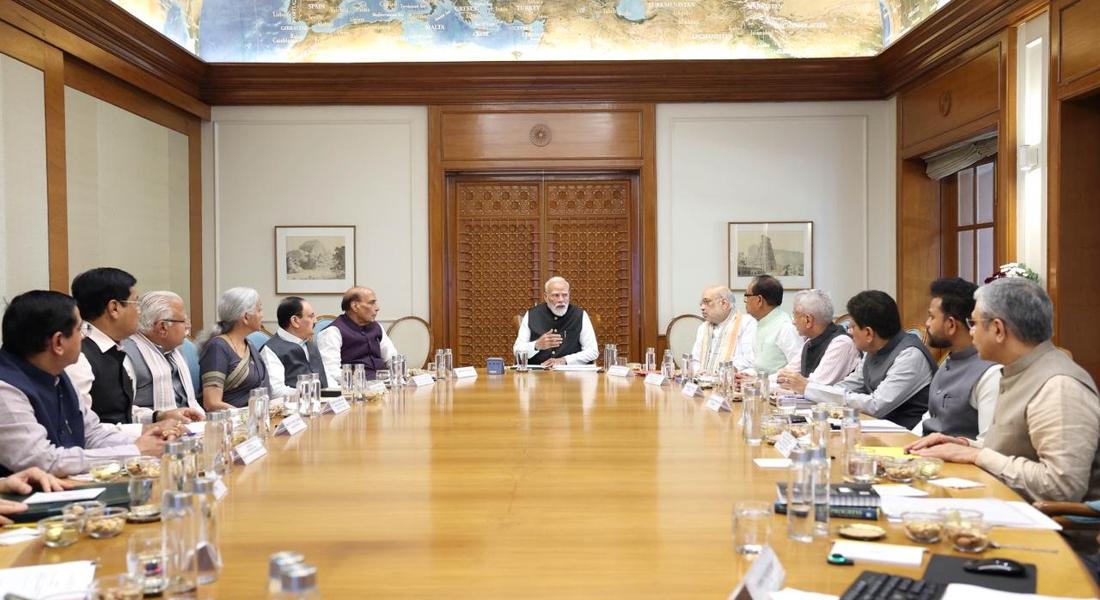
New Delhi: The Union Cabinet, chaired by Prime Minister Narendra Modi, has approved an additional government investment of Rs. 30,000 crore in the National Investment and Infrastructure Fund (NIIF), doubling the Centre’s total commitment to Rs. 60,000 crore.

The decision is aimed at boosting investments in infrastructure and other nationally important sectors while attracting greater private and global capital into India’s growth story.

NIIF, India’s sovereign-anchored investment fund, is professionally managed by National Investment and Infrastructure Fund Limited, with the government of India holding a 49% stake, according to an official statement.

The fund currently manages capital commitments of around Rs. 40,000 crore across multiple investment strategies and has returned nearly Rs. 12,000 crore to investors through major portfolio exits.

The additional allocation will primarily support the launch of NIIF Infrastructure Fund II, the successor to its flagship infrastructure fund. The proposed fund is expected to have a target corpus of around Rs. 30,000 crore and will invest in transportation, energy, digital infrastructure, urban infrastructure, and emerging sectors such as electric mobility.

The government said the allocation will also back NIIF’s new investment strategies and successor bilateral and strategic funds.

NIIF has attracted investments from leading sovereign wealth funds, pension funds, multilateral institutions and domestic financial institutions, including Abu Dhabi Investment Authority, AustralianSuper, CPP Investments, Ontario Teachers’ Pension Plan, PSP Investments, U.S. International Development Finance Corporation, Axis Bank, HDFC Group, ICICI Bank, Kotak Mahindra Life Insurance and State Bank of India.

According to the government, the participation of investors from countries such as Australia, Canada, Japan, Singapore, the UAE, and the US reflects strong global confidence in India’s economic growth and NIIF’s governance framework.

NIIF currently operates four investment strategies covering infrastructure, private markets, growth equity and climate investments through the India-Japan business corridor.

Its first infrastructure fund, with a corpus of Rs. 16,000 crore, has invested in roads, ports and logistics, airports, renewable energy, smart meters, power transmission and digital infrastructure. Its Private Markets Fund has supported alternative investment funds focused on climate, affordable housing, healthcare, and venture capital.

The Strategic Opportunities Fund has invested in sectors such as financial services, healthcare and manufacturing, while the India-Japan Fund focuses on climate, the circular economy, energy transition and projects strengthening the India-Japan business corridor.

Collectively, NIIF-managed funds have invested across transportation, energy transition, healthcare, digital infrastructure, electric mobility, affordable housing, manufacturing, and technology projects in several states and Union Territories.

These investments support flagship initiatives such as Gati Shakti, Digital India, Make in India, FAME and PM E-DRIVE, besides contributing to India’s climate commitments.

Apart from investing, NIIF also advises central and state governments on public-private partnership projects and investment frameworks. Its advisory work has included support for the Maritime Development Fund, the Research Development and Innovation Fund, asset monetisation initiatives and other sector-specific investment programmes.

The government said the additional investment is expected to accelerate infrastructure development, generate direct and indirect employment, attract private capital and strengthen key sectors, supporting the country’s vision of becoming a Viksit Bharat by 2047.

Odisha launches India’s first state-owned integrated safety, mobility platform

Bhubaneswar: The Odisha government has launched an advanced Safety Module on the Odisha Yatri app, making it India’s first state-owned integrated safety and mobility platform. The app has been integrated with Odisha Police and the national emergency response system (112) to provide real-time emergency assistance.

The initiative aims to strengthen citizen safety by bringing mobility and public safety services together on a single digital platform.

Odisha Yatri is already used by citizens for auto-rickshaw bookings, cab services, Ama Bus information and ticketing, and boating services. With the launch of the Safety Module, the app now offers a range of personal safety features designed to provide immediate assistance during emergencies.

The One-Tap SOS feature allows users to instantly send emergency alerts along with their live location to Odisha Police and trusted contacts. The app also supports gesture-based SOS activation, enabling Android users to trigger an alert by shaking their phone, while iPhone users can activate it by tapping the back of the device.

The Safety Module also allows users to share their real-time location with family members and trusted contacts. Other features include an Emergency Siren and Ambient Audio Recording to provide additional support during emergencies. The module is available in both Odia and English.

Commenting on the development, Deputy Chief Minister and Minister for Women & Child Development, Mission Shakti and Tourism, Pravati Parida, said citizen safety remains a top priority of the state government.

She said every citizen should have access to reliable safety support whenever needed and highlighted the role of technology in making public services more accessible, responsive and inclusive.

With the launch of the Safety Module, Odisha Yatri has evolved beyond a mobility app into a citizen-centric digital platform that integrates transportation and safety services under a unified ecosystem.

The state government plans to expand the platform by adding intercity bus services, digital ticketing for major tourist destinations, and other public service offerings. It envisions Odisha Yatri becoming India’s first state-owned Super App by integrating a wider range of mobility, safety, and citizen services.

The initiative marks a significant milestone in Odisha’s digital governance journey, reinforcing the state’s commitment to leveraging technology to improve public safety, enhance service delivery and deliver citizen-centric governance.