At IndiaVerve, we go beyond the noise to bring you meaningful stories of change, resilience and progress—from India to the world stage. Our mission is to bring readers credible, wide-ranging coverage across politics, business, sports, culture, society and more.

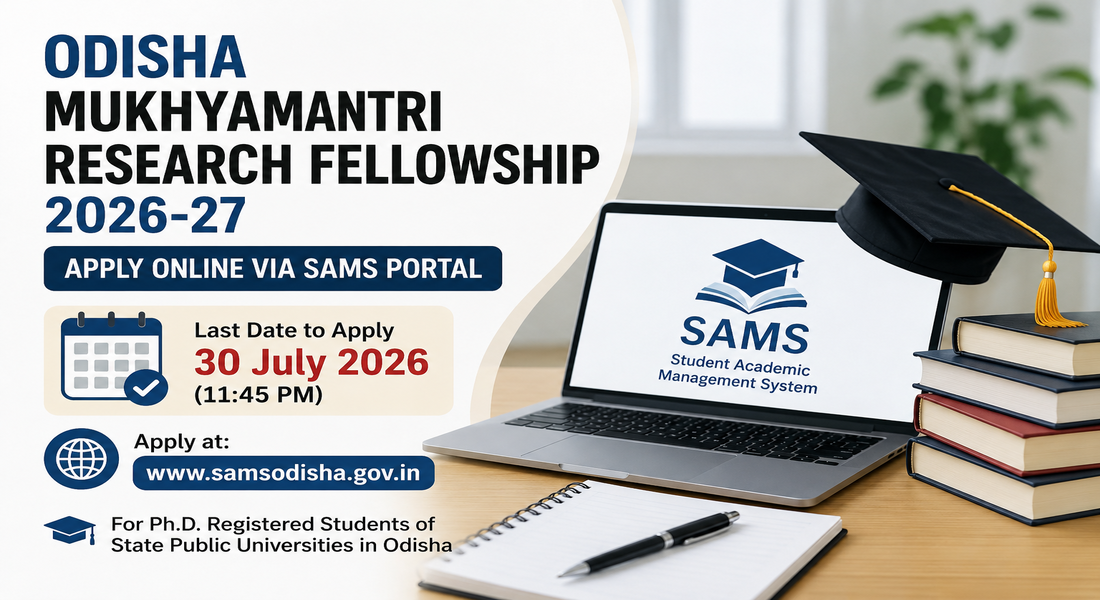
Odisha govt invites applications for Mukhyamantri Research Fellowship 2026-27

Bhubaneswar: The Odisha Higher Education Department has invited online applications for the Mukhyamantri Research Fellowship (MRF) 2026-27 under the Mukhyamantri Research and Innovation Programme (MRIP) from eligible Ph.D. scholars enrolled in State Public Universities.

According to the notification, applications will be accepted through the Student Academic Management System (SAMS) portal from 4 pm on July 7 until 11.45 pm on July 30. Candidates will be able to edit their submitted Common Application Form, if required, on July 31 between 11 am and 11.45 pm. No fresh applications will be accepted on the editing day.

The Odisha Computer Application Centre will submit the applicants’ data to the Odisha State Higher Education Council (OSHEC) on August 5, while the schedule for document verification will be announced later on the SAMS portal.

The Higher Education Department has advised applicants to carefully read the revised guidelines issued by the OSHEC on June 6, 2026, before filling out the online application form.

To be eligible for the fellowship, applicants must be permanent residents of Odisha and must have registered for their Ph.D. between April 1, 2024, and July 19, 2026, under an approved research guide, as specified in the revised guidelines.

The notification also clarified that research scholars selected for the MRIP-2025 fellowship but who were not registered on the SAMS portal are not eligible to apply again under the current cycle.

For assistance, candidates can contact the e-Admission helpline through the toll-free numbers 155335 or 1800-345-6770. The department said any changes to the application schedule will be notified through newspapers and the official SAMS portal.

Centre launches TribeX, charts roadmap to strengthen Tribal Research Institutes

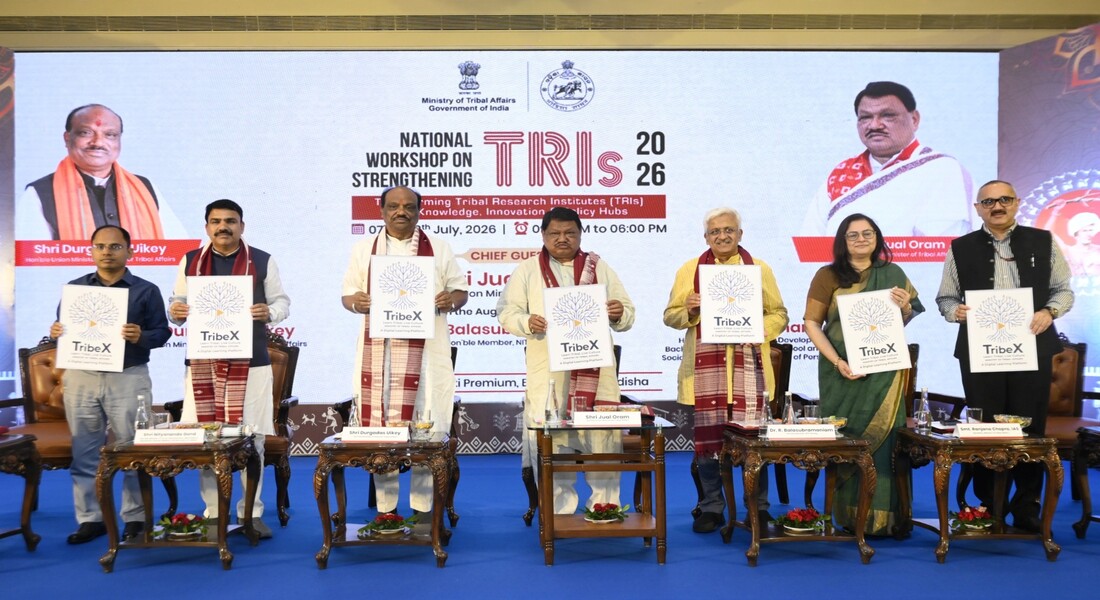
Bhubaneswar: The Ministry of Tribal Affairs on Tuesday launched TribeX, a digital learning platform dedicated to preserving India’s tribal heritage, while unveiling a broader roadmap to transform Tribal Research Institutes (TRIs) into centres of research, innovation and policy support.

The initiative was announced at a two-day National Workshop on Strengthening Tribal Research Institutes, organised in Bhubaneswar in collaboration with the Odisha government. The workshop brought together nearly 200 participants, including representatives from TRIs, state tribal welfare departments, academia, research institutions, technology organisations, industry and civil society.

Union Tribal Affairs Minister Jual Oram inaugurated the workshop in the presence of Minister of State for Tribal Affairs Durgadas Uikey, NITI Aayog Member Dr R. Balasubramaniam, Odisha ST & SC Development Minister Nityananda Gond, Tribal Affairs Secretary Ranjana Chopra and senior Central and state government officials.

A major highlight of the inaugural session was the launch of TribeX, which aims to preserve and promote India’s tribal arts, languages, culture, and traditional knowledge. The platform features a Digital Academy offering free certificate and UGC-aligned diploma courses, along with a Heritage Archive documenting tribal literature, oral traditions and cultural practices.

The ministry also signed a Memorandum of Understanding (MoU) with Sampurnanand Sanskrit Vishwavidyalaya, Varanasi, to jointly develop UGC-recognised diploma programmes under TribeX covering tribal languages, traditional knowledge, arts, textiles and museology.

The ministry also signed an MoU with KIIT Technology Business Incubator (KIIT-TBI), Bhubaneswar, to identify, incubate, and mentor tribal entrepreneurs through capacity building, market linkages, and access to funding.

Addressing the gathering, Oram said India’s tribal communities possess a rich legacy of languages, oral traditions and indigenous knowledge that must be preserved for future generations.

He stressed that many tribal dialects remain undocumented and said Tribal Research Institutes should work closely with communities to record their languages, document traditional knowledge, and share best practices across states.

Uikey said tribal development has become central to the country’s vision of Viksit Bharat@2047 under the leadership of Prime Minister Narendra Modi. He said TRIs should expand research into tribal livelihoods, women’s empowerment, education, healthcare, nutrition, climate resilience, digital inclusion, and the implementation of the Forest Rights Act so that research directly contributes to policymaking.

Balasubramaniam said Tribal Research Institutes should evolve beyond conventional research institutions into policy think tanks and centres of excellence. He emphasised that research must reflect the lived experiences of tribal communities and noted that while Artificial Intelligence can strengthen governance, policymaking must remain rooted in community realities.

Welcoming delegates, Gond said TRIs should adopt digital documentation, GIS mapping and AI-enabled analytics while promoting interdisciplinary research on education, healthcare, nutrition, migration, climate resilience, forest-based livelihoods and tribal languages.

Secretary Ranjana Chopra said Tribal Research Institutes play a unique role in preserving tribal heritage and generating evidence for policymaking, but many continue to face challenges related to human resources, institutional capacity and domain expertise. She said the workshop would help formulate a roadmap for transforming TRIs into vibrant knowledge and policy institutions.

The first day of the workshop featured presentations by Tribal Research Institutes from across the country on their achievements, best practices, and institutional challenges. Participants also joined four thematic breakout sessions covering cultural resource centres, research and documentation, technology integration, and institutional strengthening.

The recommendations emerging from the discussions will be consolidated on the second day before the adoption of the Bhubaneswar Declaration, which will outline a shared national roadmap for strengthening Tribal Research Institutes and advancing inclusive tribal development across India.

APEDA facilitates export of Jharkhand’s Amrapali mangoes to Dubai

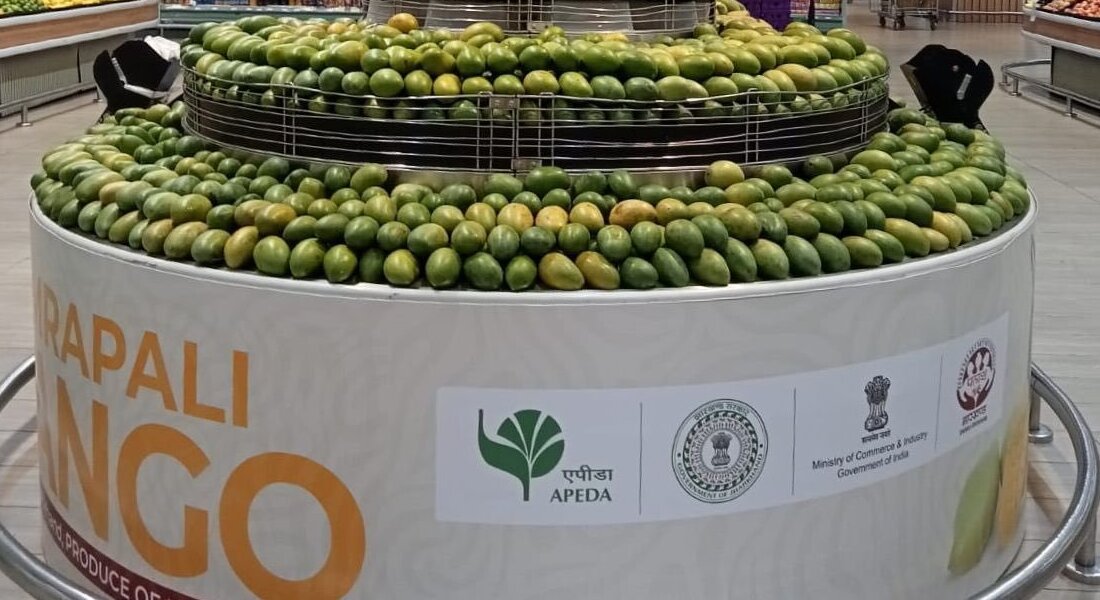
New Delhi: The Agricultural and Processed Food Products Export Development Authority (APEDA) has facilitated the commercial export of 2 Metric Tonnes (MT) of Amrapali mangoes from Jharkhand to Dubai, marking a significant step in promoting exports from tribal and women-led farmer collectives.

The consignment was exported on July 3 by M/s Fair Exports (India) Pvt. Ltd. for retail distribution through Lulu stores in Dubai. The mangoes were sourced from the Aspirational District of Gumla and the Aspirational Block of Deoghar, according to an official statement.

According to APEDA, the shipment included premium-quality Amrapali mangoes produced by three women-led Farmer Producer Companies promoted by Palash–Jharkhand State Livelihood Promotion Society.

One metric tonne was sourced from APEDA-registered MVM Baghima Palkot Producer Company Limited and Raidih Agri Producer Company Limited in Gumla district, while the remaining one metric tonne came from Mohanpur Ajeevika Mahila Kisan Producer Society in Deoghar district.

The mango orchards have been developed by tribal women farmers under the Birsa Harit Gram Yojana, implemented in convergence with MGNREGA and supported by the Jharkhand government.

The consignment was flagged off in the presence of the deputy commissioner and deputy development commissioner of the respective districts, along with officials from APEDA, Jharkhand State Livelihood Promotion Society, and other departments.

The event highlighted the collaboration between APEDA, the state government, district administrations, women-led Farmer Producer Companies (FPCs), exporters and development partners in connecting rural farmers with global markets.

The export has delivered substantial economic gains for participating farmers. APEDA said members of the women-led FPCs earned nearly 180% higher returns compared to prevailing local market prices, demonstrating the benefits of access to international markets. Each participating FPC has more than 1,500 shareholders and collectively represents over 50,000 farmers.

To strengthen export readiness, APEDA organised a capacity-building programme in May 2026 in Gumla’s Palkot area.

The training covered international quality standards, post-harvest management, and export procedures for members and directors of eight Farmer Producer Companies. Officials from the Agriculture, Horticulture, JSLPS, District Industries Centre, and other departments also participated.

CM Majhi calls for mass tree plantation to combat climate change in Odisha

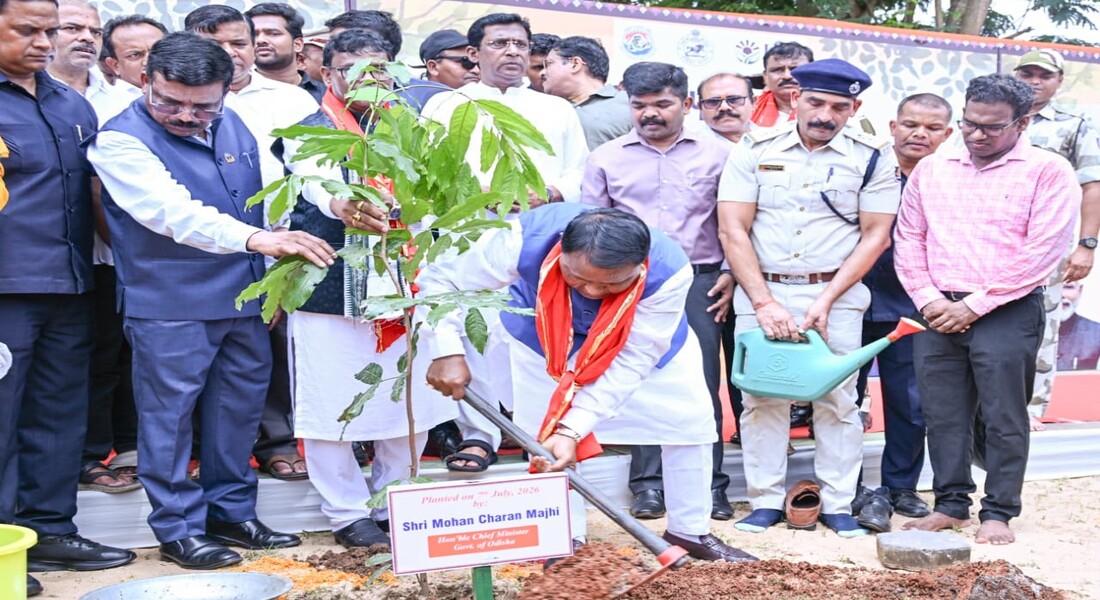
BHUBANESWAR: Reaffirming the Odisha government’s commitment to environmental conservation and sustainable development, Chief Minister Mohan Charan Majhi on Tuesday called for greater public participation in tree plantation and forest protection.

The CM made the remarks while attending a special programme organised at Kapileswar Government High School, Bhubaneswar as part of the 77th Van Mahotsav Week celebrations.

He said large-scale afforestation remains the most effective solution to the growing challenges of global warming and climate change.

During the event, Majhi planted an Ashoka sapling under the Centre’s ‘Ek Ped Maa Ke Naam’ campaign, an initiative inspired by Prime Minister Narendra Modi to encourage citizens to plant trees in honour of their mothers.

Addressing the gathering, the CM said protecting and serving nature is a sacred responsibility of every citizen. He noted that rising global temperatures and climate change can be addressed effectively only through sustained and large-scale afforestation efforts.

Majhi further said the ‘Ek Ped Maa Ke Naam’ campaign has evolved into a people’s movement in Odisha, witnessing encouraging participation in both urban and rural areas. He added that the initiative has played a significant role in promoting environmental awareness and expanding tree plantation activities across the state.

Highlighting the state’s environmental initiatives, the Chief Minister said the government is implementing several long-term programmes to increase Odisha’s green cover and preserve the ecological balance.

He cited the Sabuja Mahanadi Mission for river conservation, the Aama Jungle Yojana for the restoration of degraded forests, the Urban Afforestation Programme, and initiatives under the Compensatory Afforestation Fund Management and Planning Authority and Mangrove Initiative for Shoreline Habitats & Tangible Incomes as key measures supporting environmental protection and sustainable development.

Majhi also acknowledged the contribution of forest protection committees and local communities in strengthening Odisha’s forest cover. He said their active participation has helped the state emerge as one of the leading performers in forest conservation in the country.

Emphasising that development and environmental protection must go hand in hand, the CM said the two are complementary rather than contradictory. He urged people from all walks of life to plant more trees and actively contribute towards building a greener, healthier, and more prosperous Odisha.

Centre approves Rs 240 crore PM-SETU investment for Odisha ITI cluster

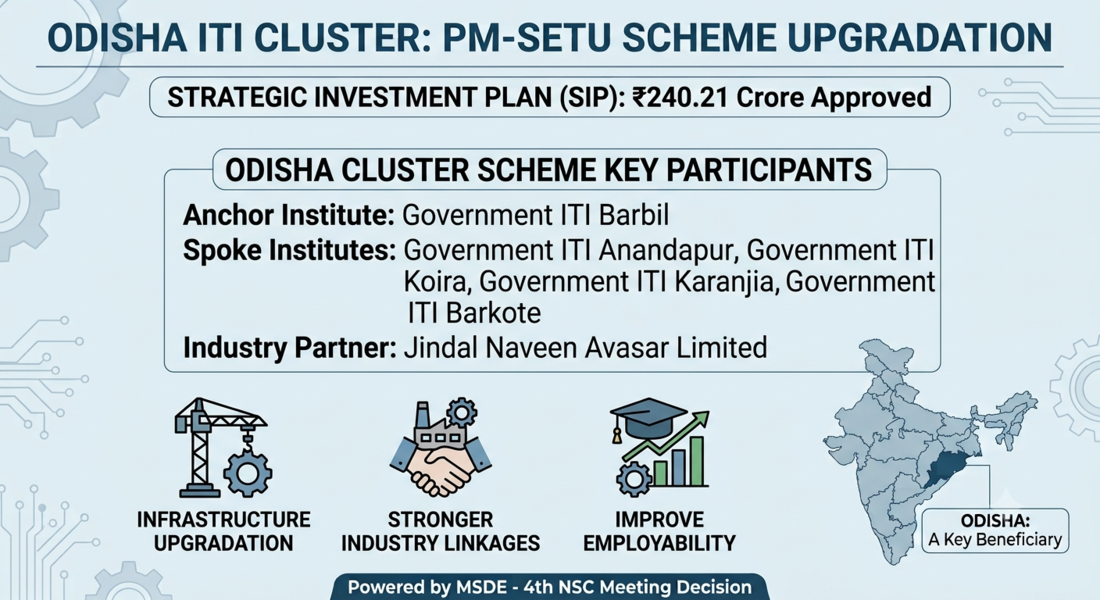
Bhubaneswar: Odisha has emerged as a key beneficiary of the Centre’s Pradhan Mantri Skilling and Employability Transformation through Upgraded ITIs (PM-SETU) scheme, with the approval of a Rs 240.21 crore Strategic Investment Plan (SIP) for the industry-led upgradation of an Industrial Training Institute (ITI) cluster.

The approval was granted during the 4th National Steering Committee (NSC) meeting of PM-SETU, chaired by Debashree Mukherjee, Secretary, Ministry of Skill Development and Entrepreneurship (MSDE).

The meeting also marked a major milestone as the committee approved the nationwide rollout of the PM-SETU scheme across all 200 identified ITI clusters after the successful completion of its pilot phase, according to an official statement.

For Odisha, the approved ITI cluster will be anchored by Government ITI Barbil, with Government ITI Anandapur, Government ITI Koira, Government ITI Karanjia, and Government ITI Barkote serving as spoke institutes. Jindal Naveen Avasar Limited has been selected as the Anchor Industry Partner, with a proposed investment of Rs 240.21 crore to support infrastructure upgradation, strengthen industry linkages and improve employability.

The committee approved the transition of PM-SETU from the pilot phase to nationwide implementation, enabling states and Union Territories to implement projects based on industry readiness and implementation capacity. It also cleared measures to simplify implementation, enhance industry participation, encourage greater involvement of Public Sector Undertakings, and expand the institutional ecosystem supporting the scheme.

Apart from Odisha, the committee approved Strategic Investment Plans totaling Rs 1,237.58 crore for ITI clusters in Gujarat and Telangana.

In Gujarat, Government ITI Surat will serve as the hub institution, with Government ITI Hajira, Government ITI Bardoli, Government ITI Sachin and Government ITI Surat (Mahila) functioning as spoke institutes. ArcelorMittal Nippon Steel India has been selected as the Anchor Industry Partner, with a proposed investment of Rs 240.18 crore.

Telangana received approval for three ITI clusters. The first cluster comprises Government ITI Old City as the hub, with Government ITI Warangal, Government ITI Nalgonda Boys, Government ITI Vikarabad Girls, and Government ITI Panjaguda as spoke institutes. Apollo Med-Skills Limited has been selected as the Anchor Industry Partner, with a proposed investment of Rs 241.01 crore.

The second cluster comprises Government ITI Patancheru as the hub, with Government ITI Shadnagar, Government ITI Marpally, Government ITI Nalgonda (New), and Government ITI Bhongir as spoke institutes. Sri Siddharth Infratech & Services (I) Pvt. Ltd. (SSISPL) has been selected as the Anchor Industry Partner, with a proposed investment of Rs 275.24 crore.

The third approved Telangana cluster comprises Government ITI Sangareddy as the hub, with Government ITI Hathnoora, Government ITI Medak, Government ITI Dubbaka, and Government ITI Yellareddy as spoke institutes. Neuland Foundation has been selected as the Anchor Industry Partner, with a proposed investment of Rs 240.94 crore.

PM-SETU is one of the Centre’s flagship schemes aimed at modernising India’s ITI ecosystem through stronger industry partnerships, upgraded infrastructure, future-ready curricula and improved employability outcomes.

India, Indonesia sign 14 agreements, deepen strategic ties

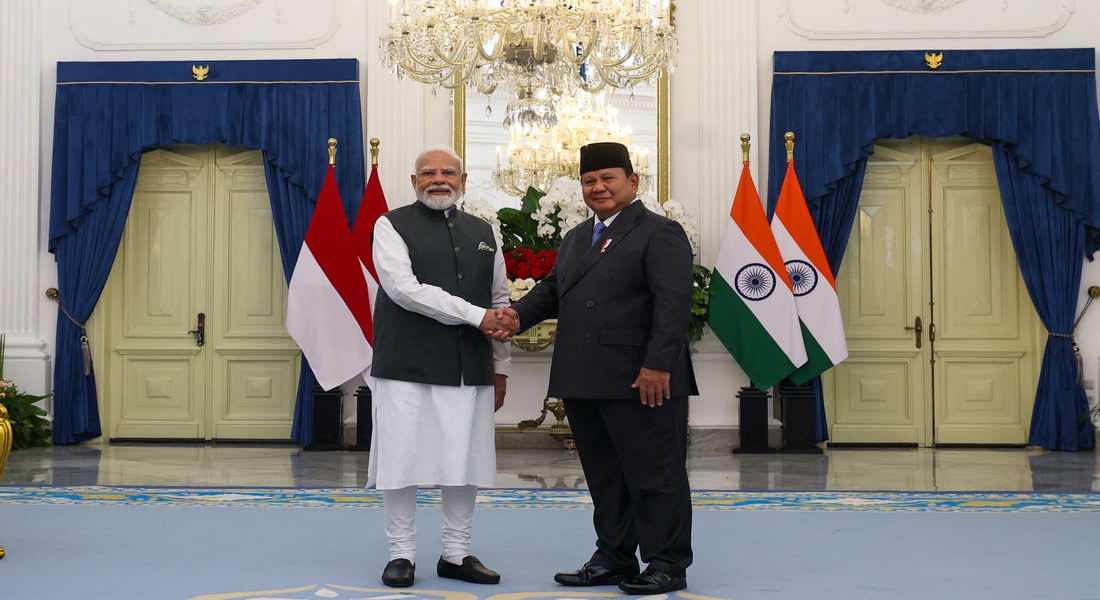
New Delhi: India and Indonesia on Tuesday significantly expanded their Comprehensive Strategic Partnership by signing 14 agreements and announcing six major initiatives spanning defence, maritime security, digital technology, healthcare, agriculture, education, space cooperation and critical minerals, as Prime Minister Narendra Modi held wide-ranging talks with Indonesian President Prabowo Subianto in Jakarta.

The two leaders also reaffirmed their shared commitment to strengthening cooperation in the Indo-Pacific, enhancing supply chain resilience and deepening economic engagement, describing the growing partnership as one that would contribute not only to the prosperity of the two countries but also to regional peace and stability.

Speaking after the delegation-level talks, Prime Minister Modi said India and Indonesia were entering “a golden new chapter” in bilateral ties.

“Our Comprehensive Strategic Partnership, established in 2018, is reaching new heights today. We are making significant strides across every domain of cooperation, including development, security, technology, culture and education. I am confident that today marks the beginning of a golden new chapter in the India-Indonesia partnership,” Modi said.

President Prabowo described India as one of Indonesia’s closest strategic partners and said stronger cooperation between the world’s two largest democracies would benefit the entire Indo-Pacific region.

A major highlight of the visit was the signing of an agreement on the BrahMos missile system. According to media reports, citing the Indonesian Presidential Palace, India’s BrahMos Aerospace and Indonesia’s Ministry of Defence concluded an agreement for cooperation on the supersonic cruise missile system. Separate defence cooperation was also announced between Indonesia’s Republikorp and India’s Bharat Dynamics Limited for air-to-air missile systems.

While neither leader referred specifically to the BrahMos agreement during their public remarks, “cooperation on BrahMos Missile System” has been listed as one of the key outcomes of PM Modi’s Indonesia visit in an official release by PIB India. According to media reports, negotiations on the missile system had been under way for several years, making Indonesia another important regional partner for India’s growing defence exports.

Beyond defence, the two countries signed agreements to strengthen cooperation in space exploration, disaster management, telecommunications, research and innovation, agriculture, medical products regulation, health workforce collaboration, election management, maritime safety and security, and critical minerals and steel supply chains.

A strategic joint venture between the Steel Authority of India Limited (SAIL) and Indonesia’s PT Krakatau Steel will establish a stainless steel slab manufacturing facility in Indonesia. Another agreement involving India’s Non-Ferrous Materials Technology Development Centre, Midwest Ltd and Indonesia’s PT PERMINAS aims to develop rare earth magnet technologies, an area considered crucial for clean energy and advanced manufacturing.

The leaders also announced several initiatives designed to broaden cooperation beyond government-to-government engagement.

India will assist Indonesia in conserving and restoring the historic Prambanan Temple complex in Yogyakarta, one of Southeast Asia’s most significant Hindu heritage sites. The two countries will also commemorate the “Tagore-Dewantara Year of Cultural and Educational Diplomacy” to mark the centenary of Rabindranath Tagore’s visit to Indonesia and celebrate his intellectual influence on Indonesia’s first Education Minister, Ki Hajar Dewantara.

In another significant education initiative, the Indian Institute of Management Bangalore will establish an overseas campus at Indonesia’s Singhasari Special Economic Zone, creating new opportunities for students across the ASEAN region.

The two sides also agreed to work towards integrating India’s Unified Payments Interface (UPI) with Indonesia’s payment ecosystem to facilitate seamless business transactions and tourism.

“People-to-people ties are the greatest strength of our relationship. We are delighted that India’s Unified Payments Interface (UPI) will soon be integrated with Indonesia’s payment system. This will further enhance both the ease of doing business and the ease of travel between our two countries,” Modi highlighted in his speech.

On the economic front, India will supply 100 tonnes of high-quality wheat seeds to Indonesia to strengthen food security, while both countries agreed to expand cooperation in sustainable agriculture and agri-technology. Modi said India’s experience in public welfare programmes such as the Mid-Day Meal Scheme and Public Distribution System would also be shared with Indonesia.

Healthcare emerged as another important pillar of cooperation. Agreements signed during the visit will facilitate greater access to affordable Indian medicines in Indonesia while supporting capacity building and training for Indonesian healthcare professionals.

Maritime cooperation featured prominently in the discussions, reflecting the strategic importance of the Indian Ocean and the Indo-Pacific.

“Our two Coast Guards will now work together to enhance maritime safety and security in the Indian Ocean. As two close maritime nations, we have also decided to deepen our cooperation in the blue economy, port development and maritime trade,” Modi said.

He further stressed that resilient technology supply chains had become increasingly important amid global uncertainties, adding that the agreements on critical minerals and steel would strengthen long-term industrial cooperation between the two countries.

The leaders also exchanged views on regional and global issues, including developments in the Indo-Pacific and the situation in West Asia. Modi reiterated India’s support for ASEAN centrality and reaffirmed India’s long-standing support for a two-state solution to the Israel-Palestine conflict, emphasising that dialogue and diplomacy remained the best path towards lasting peace.

Prime Minister Modi also thanked Indonesia for conferring upon him the country’s highest civilian honour earlier in the day, dedicating the recognition to the people of India and describing it as a tribute to the enduring friendship between the two nations.

The visit marks one of the most substantive expansions of India-Indonesia cooperation in recent years, with agreements spanning strategic sectors expected to deepen bilateral engagement and reinforce both countries’ shared vision of a secure, prosperous and rules-based Indo-Pacific.

Portugal, co-hosts USA crash out of FIFA World Cup

Belgium knocked co-hosts USA out of the FIFA World Cup with a comfortable 4-1 win at Seattle Stadium.

Belgium will set up a last-eight meeting with Spain, who earlier ended Portugal’s dream run.

Charles De Ketelaere opened the scoring for Belgium with a simple goal in the ninth minute, but Malik Tillman’s deflected free-kick in the 31st minute levelled the scores.

De Ketelaere found the net again in the 33rd minute with a header following a cross from Leandro Trossard.

A defensive mishap allowed Hans Vanaken to score Belgium’s third goal in the 57th minute, and substitute Romelu Lukaku wrapped up the victory in the 93rd minute.

De Ketelaere was named Michelob Ultra Superior Player of the Match.

Later, Belgium Coach Rudi Garcia said: “To everyone who got up in the middle of the night to support us, I’d like to say a huge thank you. They should be happy and proud of their players today. We showed that Belgium is a great football nation.”

Earlier, Mikel Merino’s stoppage-time goal helped Spain beat Portugal at Dallas Stadium.

Both sides tried their best, but eventually it was Spain who booked their place in the quarterfinals.

Cristiano Ronaldo announced that this will be his last World Cup. The 41-year-old Portuguese superstar has scored 11 goals in 27 matches.

Railway Minister Vaishnaw, CM Majhi launch new train services in Odisha

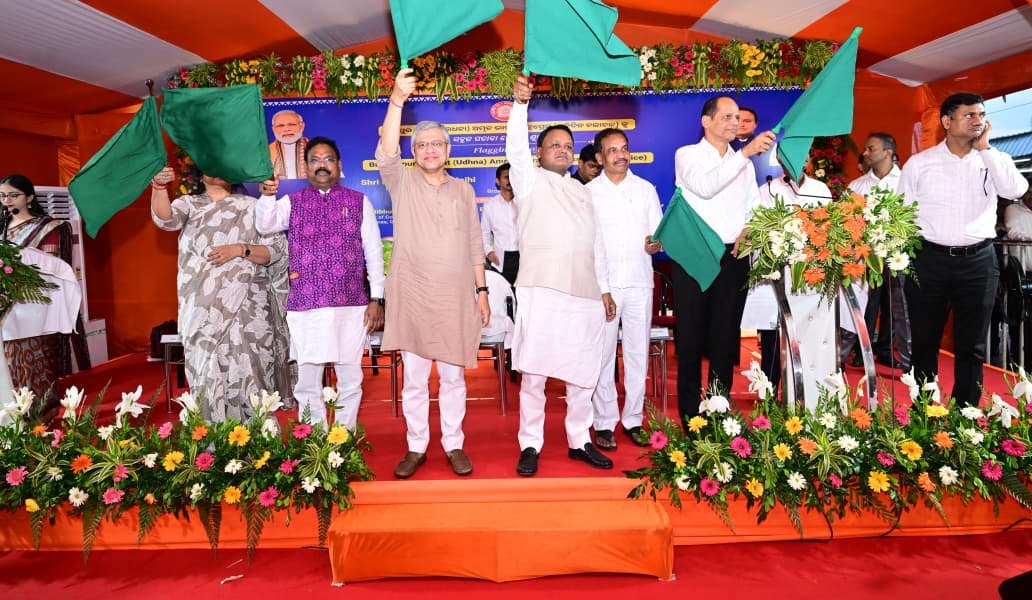
Bhubaneswar: Odisha received a major boost to its railway network on Monday as Union Railway Minister Ashwini Vaishnaw and Chief Minister Mohan Charan Majhi flagged off two new train services and announced key railway infrastructure projects.

The CM flagged off the inaugural Puri–Koraput Express Special from Puri Railway Station, while the railway minister inaugurated the Brahmapur–Udhna (Surat) Amrit Bharat Express Special from Brahmapur Railway Station. The Brahmapur–Udhna service has been upgraded from a tri-weekly to a daily operation, fulfilling a long-standing public demand.

From Rail Sadan in Bhubaneswar, Vaishnaw also flagged off the Nanded–Mumbai Express and Tanakpur–Nanded Express through video conferencing. He also inaugurated the extension of the Tanakpur–Pilibhit train service up to Shahjahanpur.

CM Majhi and the railway minister later inspected the ongoing redevelopment of Puri Railway Station under the Amrit Bharat Station Scheme. They also reviewed preparations for the ongoing Rath Yatra, assessing station modernisation and arrangements for the safe and smooth movement of lakhs of devotees visiting Puri.

Vaishnaw conducted a detailed review of crowd management, passenger movement, operational readiness, and passenger amenities. Senior railway officials presented the integrated operational plan and informed the dignitaries that Indian Railways will operate more than 300 special trains during the Rath Yatra.

Officials said holding areas with a capacity of over 30,000 devotees have been created. Ticketing counters have been increased, food distribution arrangements strengthened, and additional safety measures and passenger amenities put in place to ensure a smooth pilgrimage experience.

The newly introduced Puri–Koraput Express fulfils a long-pending demand by providing direct rail connectivity between the pilgrimage city of Puri and the tribal district of Koraput. The train is expected to benefit pilgrims, tourists, students, patients, traders, and local communities.

The service will connect Khurda Road, Bhubaneswar, Angul, Sambalpur, Bargarh Road, Balangir, Titlagarh, Kesinga, Muniguda, Rayagada, Kakiriguma and Damanjodi, linking coastal, western and southern Odisha.

The inaugural service marks the commencement of regular Train No. 18407/18408 Puri–Koraput–Puri Express. The train will depart from Puri on Mondays, Thursdays and Saturdays, while return services from Koraput will operate on Tuesdays, Fridays and Sundays. Detailed timings will be announced separately.

The Brahmapur–Udhna (Surat) Amrit Bharat Express, connecting Odisha with Andhra Pradesh, Chhattisgarh, Maharashtra and Gujarat, has become an important transport link for migrant workers, students, traders and other passengers. Its daily operation is expected to improve travel flexibility and further support trade, employment, and economic activity.

At Brahmapur, Vaishnaw announced that Brahmapur Railway Station will be redeveloped into a world-class facility under the Amrit Bharat Station Scheme at an estimated cost of around Rs 300 crore. The upgraded station will feature modern passenger amenities, contemporary architecture, improved accessibility and seamless multimodal connectivity. Vaishnaw also said he would return to Brahmapur for the foundation stone laying ceremony.

The railway minister further announced that North Odisha will get a new train service to improve railway connectivity in the region. He said the initiative responds to a long-standing public demand and follows the expansion of rail services across western, southern, and coastal Odisha.

Vaishnaw reaffirmed the Centre’s commitment, under the leadership of Prime Minister Narendra Modi, to expanding railway infrastructure across Odisha, ensuring balanced regional development and improved passenger services while advancing the vision of ‘Viksit Odisha’ and ‘Viksit Bharat’.